

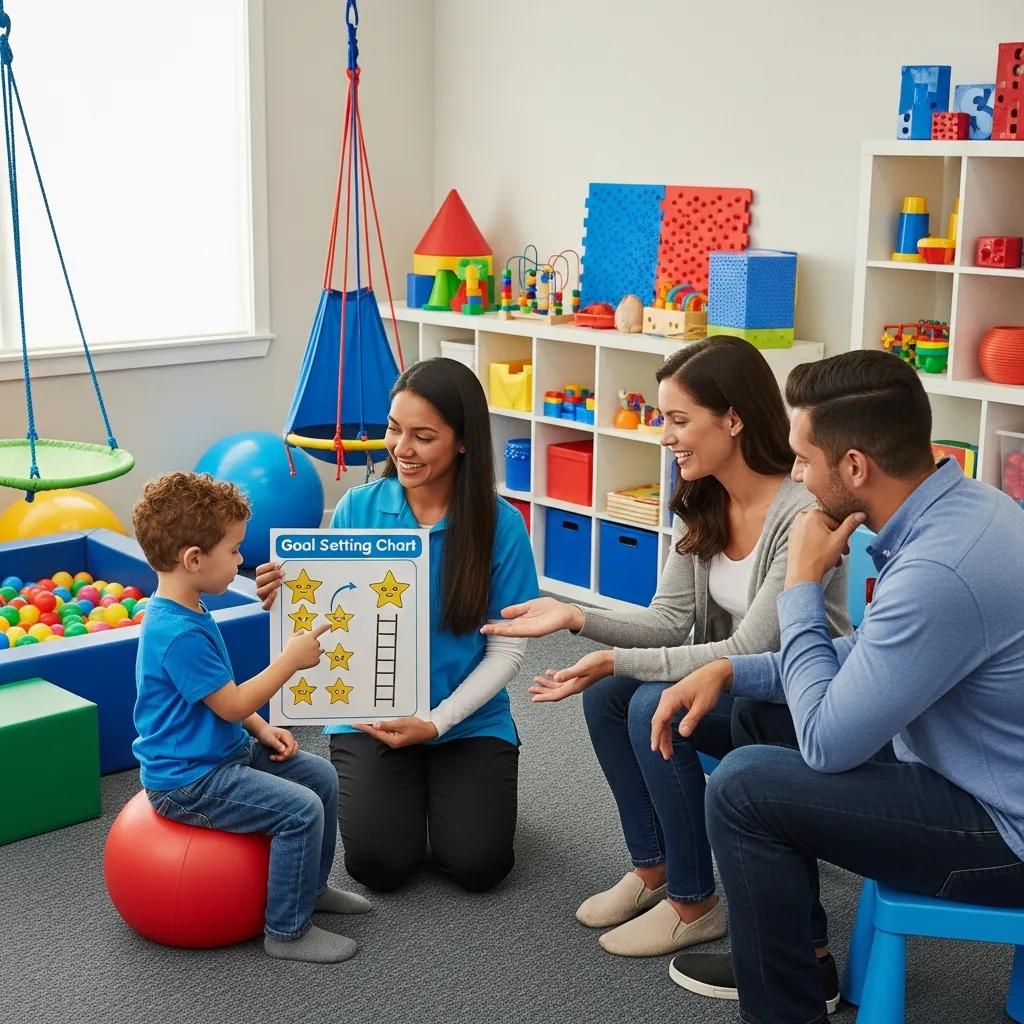
Collaborative Goal Setting in Pediatric Occupational Therapy: Empowering Families for Your Child’s OT Journey in Tampa and Brandon, Florida
Collaborative goal setting in pediatric occupational therapy is a family-focused process that brings parents, children, and therapists together in the Tampa and Brandon communities to set clear, meaningful goals that guide therapy and everyday life. When we plan together, families feel more confident applying strategies at home and school. Many families aren’t sure how to use therapy tips outside the clinic — by planning goals together, we connect each small step to what matters most for your child. You’ll find practical steps from the first visit through progress checks, sample goals for skills like handwriting and social play, and parent-friendly tips for home and school practice. We also describe how we monitor progress using straightforward tools such as play observations, standardized checks, parent notes, and simple data summaries, so families stay informed and encouraged.
Key Takeaways
- In Tampa and Brandon, collaborative pediatric occupational therapy means therapists, parents, and children work together to set meaningful, measurable goals that fit your family’s everyday life.
- We center therapy around family routines and values so practice feels natural, fits your schedule, and supports faster progress.
- Using clear frameworks like SMART and COAST helps make goals specific, actionable, and easy to track.
- Parents, children, and therapists each have distinct roles that keep practice consistent, meaningful, and fun, with regular updates about home, school, and clinic progress.
- At Skill Point Therapy, we use play-based, child-led approaches like DIRFloortime and invite parents to observe or join sessions so you can use your child’s interests to reach goals and follow progress.
- We draw from many supports — social skills groups, parent coaching, and handwriting programs — chosen to match the goals we set together.
- Progress is checked routinely through observations, standardized tools, parent reports, and simple data summaries to keep goals helpful and current.
- Parent involvement makes therapy more relevant to your child’s real life, boosting learning and enjoyment at home and school.
- Goals cover a range of skills — fine motor, sensory, social, and self-care — and connect with school plans so your child’s day is consistent and supported.
- Open, respectful communication and shared decision-making build trust and ensure goals reflect your family’s hopes and your child’s changing needs.
What Is Collaborative Goal Setting in Pediatric Occupational Therapy?
Collaborative goal setting in pediatric occupational therapy in Tampa and Brandon means therapists, parents, and children jointly choose skills to target based on family priorities and therapy needs. Therapists bring clinical knowledge and assessment results; parents describe daily life and what matters most; children share their interests and goals. This approach creates goals that fit your child’s real routines and are easier to practice at home. Therapists often use tools like SMART (Specific, Measurable, Achievable, Relevant, Time-bound) and COAST (Client-centered, Occupation-based, Action-oriented, Specific conditions, Timeline) to turn big ideas into clear, actionable goals. These frameworks specify who will do what, where and when, how we’ll measure success, and a time frame — so everyone understands the plan and can celebrate progress.
Putting families at the center of care changes how we choose goals. Below are the main ways family-centered care guides this work.
How Does Family-Centered Care Shape Goal Setting?
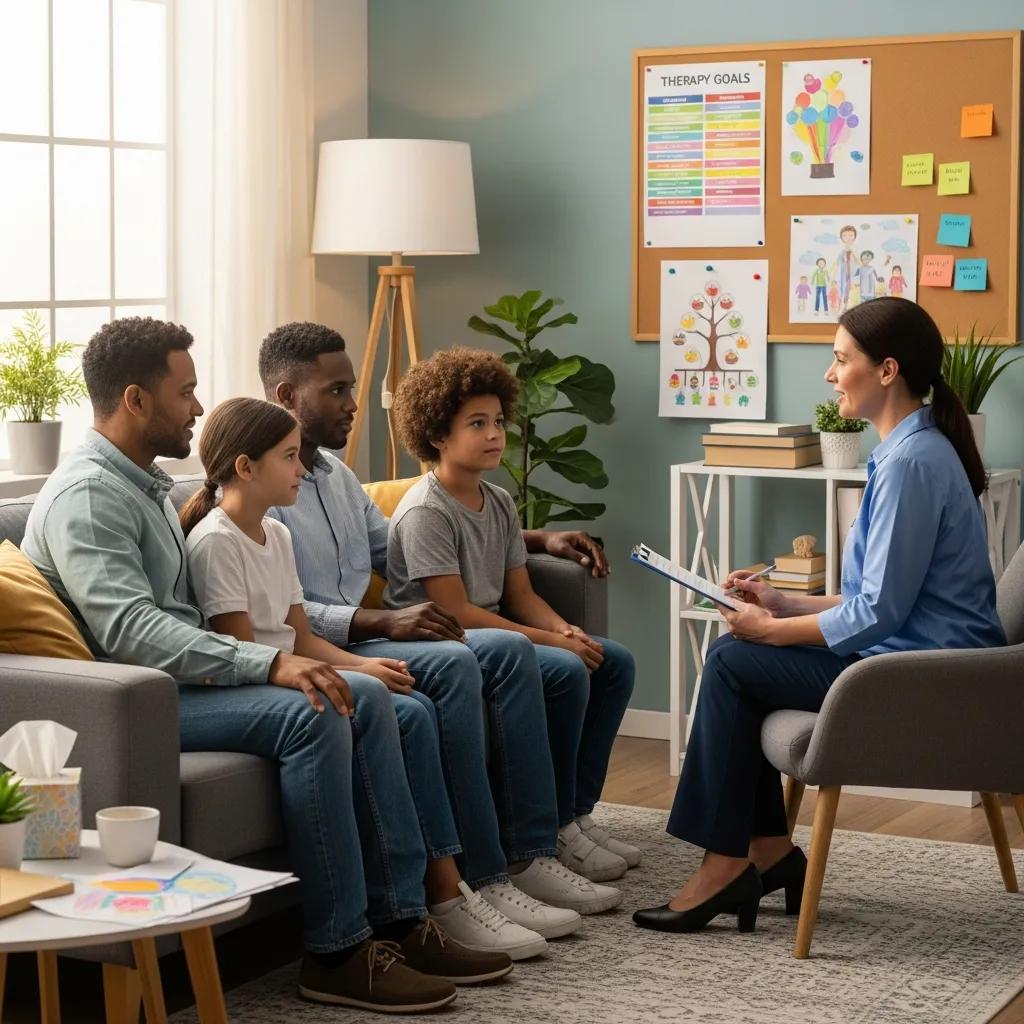
Family-centered care means we pay attention to your daily routines, culture, and priorities in Tampa and Brandon. Instead of a one-size-fits-all plan, we listen closely to parents because you know your child best. That makes goals practical and meaningful at home and school. For example, while a therapist might focus on pencil grasp in the clinic, a family may prioritize dressing independently — family-centered goal setting blends both to practice skills where they matter most. We keep communication open and review goals regularly so therapy grows with your child. This teamwork reduces stress, speeds learning, and leads to practical, noticeable improvements.
What Roles Do Parents, Children, and Therapists Play?
In Tampa and Brandon, each person brings something important to the process. Parents share priorities, support routines, and practice strategies between sessions. Children contribute their interests and try new skills, which boosts motivation. Therapists assess abilities, craft clear goals, teach strategies, and coach families in practice and progress tracking. When everyone understands their role, practice is more consistent, and goals are reached sooner. This partnership creates a supportive loop that keeps learning engaging and meaningful.
How Does Skill Point Therapy in Tampa and Brandon Implement Collaborative Goal Setting?
Skill Point Therapy uses a warm, team-based approach to build goals that fit your child and family. We begin by hearing your family’s story — daily routines, likes and dislikes, and any school concerns. We observe your child’s play and use gentle assessments to identify strengths and needs. Then parents, therapists, and children meet to set goals using clear language and frameworks such as SMART or COAST. DIRFloortime, a playful, child-led method, is a core part of our work; parents are welcome to observe or join sessions so you can apply strategies at home. We also offer social skills groups, handwriting support, and parent coaching, with sessions that can take place in the clinic, at home, at daycare, or online. Every few weeks, we review progress and update goals as needed.
Here’s a straightforward look at how we move from the first visit to an ongoing plan:
What Are the Steps from Evaluation to Personalized Treatment Plans?
Our step-by-step process helps families in Tampa and Brandon stay informed and involved:
- Intake Interview: We listen to your family’s goals, daily routines, and school concerns.
- Assessment: We observe your child in natural settings and use gentle, friendly tests.
- Goal Setting: Together, we write clear, achievable goals using the SMART or COAST format.
- Choosing Therapy: We select the best approaches for your goals, including DIRFloortime or group options.
- Treatment Plan: We design a plan that blends clinic sessions, home practice, and parent coaching, paced to fit your family.
- Regular Reviews: Every 30–90 days, we check progress, share updates, and adjust goals as needed.
How Are DIRFloortime and Social Skills Integrated?
We combine therapies in Tampa and Brandon so each child gets well-rounded support. DIRFloortime is child-led and play-based, helping kids build social and emotional skills through their interests; parents can watch or join to learn how to support this at home. Social skills groups provide safe chances to practice interactions with peers. Blending these approaches creates a coordinated plan that targets your child’s goals across settings.
What Are the Benefits of Collaborative Goal Setting for Your Child and Family in Tampa and Brandon?
Setting goals together brings practical benefits. When therapy fits your family’s routines and values, kids practice more and learn faster. Goals that reflect what matters to your child increase motivation and engagement. Parents gain confidence because they understand each step and can see measurable progress. This lowers stress and makes the learning process more enjoyable. Goals that align with school plans help teachers and therapists work as a team. The table below highlights benefits for children, families, and schools.
This table shows how working together helps your child thrive at home, at school, and in therapy.
How Does Parent Involvement Enhance Therapy Progress?
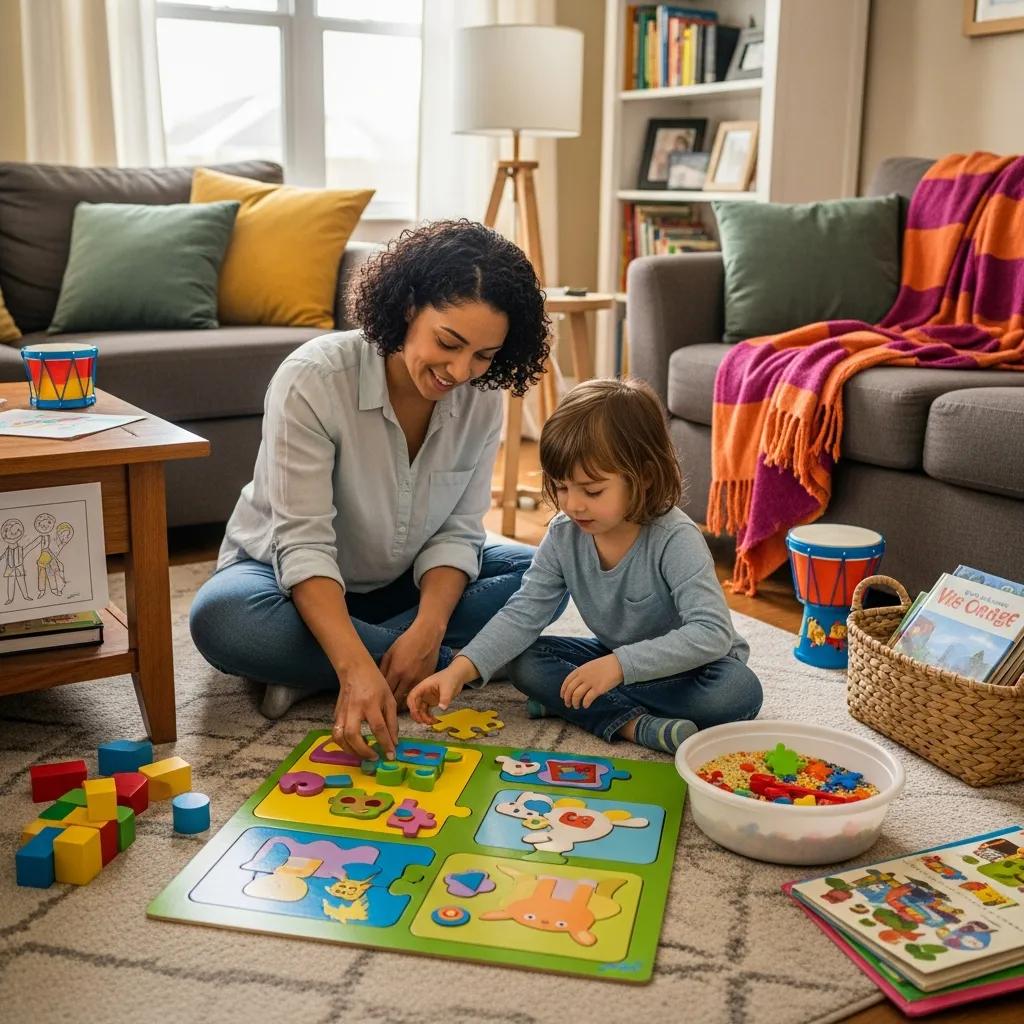
When parents participate actively, children get more chances to learn, through how much practice they get, and therapy fits daily life better. In Tampa and Brandon, we encourage parents to observe or join DIRFloortime so you can follow your child’s lead and make practice enjoyable. Short, consistent practice built into routines boosts progress without extra appointments. Parents’ notes about what works help therapists fine-tune plans quickly. This teamwork forms a steady rhythm that keeps kids motivated and learning smoothly.
What Improvements Can Families Expect in Development and Motivation?
Families often see practical gains — neater handwriting, more independence with dressing, and smoother social interactions. Kids are usually more willing to try new things when goals reflect their interests. Progress timelines vary by child and by how much practice they get, but breaking long-term goals into smaller wins keeps motivation high and momentum moving forward.
Which Types of Pediatric Occupational Therapy Goals Are Set Collaboratively?
Goals in Tampa and Brandon cover areas like fine motor skills, sensory regulation, self-care, and social participation. Each goal is written with clear success markers so families and schools can recognize progress. Using SMART or COAST, examples include improving pencil grasp for better handwriting or establishing a calm routine to ease transitions. These clear goals make home and school practice straightforward. The table below shows common goal types, example skills, and simple home activities or measurements.
How Are Goals Aligned with IEPs and School Support?
We work to make therapy goals school-friendly. That means preparing clear goal statements aligned with classroom activities, sharing summaries with teachers, and suggesting practical classroom supports. Parents can request meetings to share therapy results and recommend strategies. Skill Point Therapy helps families by translating clinical goals into language that schools can use, so supports are consistent across settings.
How Can Parents Effectively Participate in Their Child’s OT Journey?

Parents in Tampa and Brandon make a big difference by adding short, fun practice moments to daily routines, maintaining regular communication with therapists, and simply noting progress. This grows skills without adding stress. Practical tips include:
- Attach practice to routines: Add 5–10 minutes of activity during toothbrushing or snack time.
- Keep sessions short and frequent: Several brief practices usually work better than one long session.
- Use simple logs: Jot down the date, activity, and a quick note to share with your therapist.
- Send quick updates: Share short progress notes so therapists can adapt plans as needed.
What Strategies Support Home Practice and Communication?
Small, consistent habits help families in Tampa and Brandon stay on track. Pairing practice with a familiar routine creates a built-in reminder. Breaking skills into tiny steps and offering praise builds confidence for both children and parents. Quick notes about each practice keep communication clear and useful. For example: “This week we practiced buttoning five times; the child completed step 2 independently twice,” which helps therapists plan the next steps.
How Does Shared Decision Making Strengthen the Therapist-Family Partnership?
Shared decision-making is a two-way conversation that keeps therapy realistic and aligned with your family’s values. Therapists explain assessment findings, listen to what matters most to your family, and together you choose goals that feel right. Then you agree on review dates to see how things are going. For instance, you may decide whether to focus first on feeding independence or playground play based on immediate needs. This collaborative approach builds trust, keeps goals relevant, and helps everyone celebrate successes and adjust plans when needed.
How Is Progress Tracked and Communicated in Collaborative Pediatric OT?
In Tampa and Brandon, we monitor progress through a mix of friendly, practical methods. Therapists observe play and daily tasks, use standardized tools, collect parent notes, and sometimes review short videos. This combination gives a full picture and guides decisions about goals or therapy adjustments. We share updates in meetings, via written notes, and through quick check-ins so families always know the next steps.
Here’s how we usually track progress:
- Naturalistic observation: Watch your child during play or daily tasks to see real skills in context.
- Standardized assessments: Brief, reliable tools provide clear starting points and measure change.
- Parent-reported logs: Simple notes on home practice and outcomes.
- Data logs and video samples: Short clips or counts show technique and improvement over time.
What Tools and Methods Are Used to Measure Therapy Outcomes?
Therapists choose tools that best match each child’s goals. Standardized tests offer dependable comparisons; observations show real-world skills; parent notes provide frequent snapshots; videos provide clear visuals of progress. Together, these methods create a complete, practical picture that guides effective therapy.
How Does Skill Point Therapy Keep Families Informed and Engaged?
We keep Tampa and Brandon families connected through regular check-ins, progress notes, parent coaching, and flexible session options. Quick weekly updates, 30–90 day review meetings, and hands-on training help parents use strategies at home. Families receive handouts, short videos, and simple templates to make daily practice manageable. You can request extra coaching or meetings any time you need them. Consistent, open communication builds trust and ensures therapy fits your family’s life.
Frequently Asked Questions
How can I measure the effectiveness of collaborative goal setting?
Track progress with a mix of standardized tests and your own notes. Regular reviews every 30–90 days help evaluate goals and results. Seeing improvements in daily tasks — like dressing or handwriting — is a clear sign that goals are working.
What challenges might families face during the collaborative goal-setting process?
Challenges can include differing expectations between families and therapists, as well as unfamiliar clinical terms. It’s normal to feel unsure at first. Open conversation, asking questions, and requesting clarifications help make the process smoother and more supportive.
How often should families communicate with therapists during the goal-setting process?
We recommend brief check-ins every two weeks to share short practice notes and raise concerns. Detailed review meetings happen every 30–90 days to adjust plans. Frequent, concise communication keeps goals focused and effective.
What role does child participation play in goal setting?
Child participation is vital. When children help choose goals or express preferences, they’re more motivated to practice. Even young children can indicate likes and dislikes, which helps make therapy relevant and enjoyable.
How can families ensure that therapy goals translate into daily life?
Add short practice moments to routines like brushing teeth or snack time so skills become part of daily life. Keep practice brief but frequent, and communicate regularly with your therapist about what’s working at home.
What types of support can schools provide in implementing collaborative goals?
Schools can include therapy goals in IEPs, provide classroom accommodations, and collaborate with therapists to develop strategies. This teamwork ensures consistent support across school and home.
Are there any resources available to help parents with goal setting and therapy implementation?
Yes. Skill Point Therapy provides handouts, video guides, and home practice templates. Online resources, support groups, and recommended books can also offer ideas and encouragement. Therapists will suggest tools that fit your child and family.
Conclusion
Collaborative goal setting in pediatric occupational therapy is a partnership between families and therapists in Tampa and Brandon that helps your child grow in ways that matter most. Working together turns goals into clear steps you can use and celebrate. This family-centered, play-based approach reduces stress, builds confidence, and makes learning feel achievable and joyful. With DIRFloortime, parent involvement, and practical supports, your child’s journey becomes hopeful and rewarding. Contact our team to learn how we can support your child and family in the Tampa and Brandon communities.

Nicole Bilodeau, MS, OTR/L, is an occupational therapist and founder of Skill Point Therapy in Tampa and Brandon. She leads a skilled team that provides speech and pediatric occupational therapy, supporting children with autism, ADHD, sensory processing disorders, social skills challenges, and motor development issues. Nicole is dedicated to helping every child reach milestones and thrive at home, school, and in the community