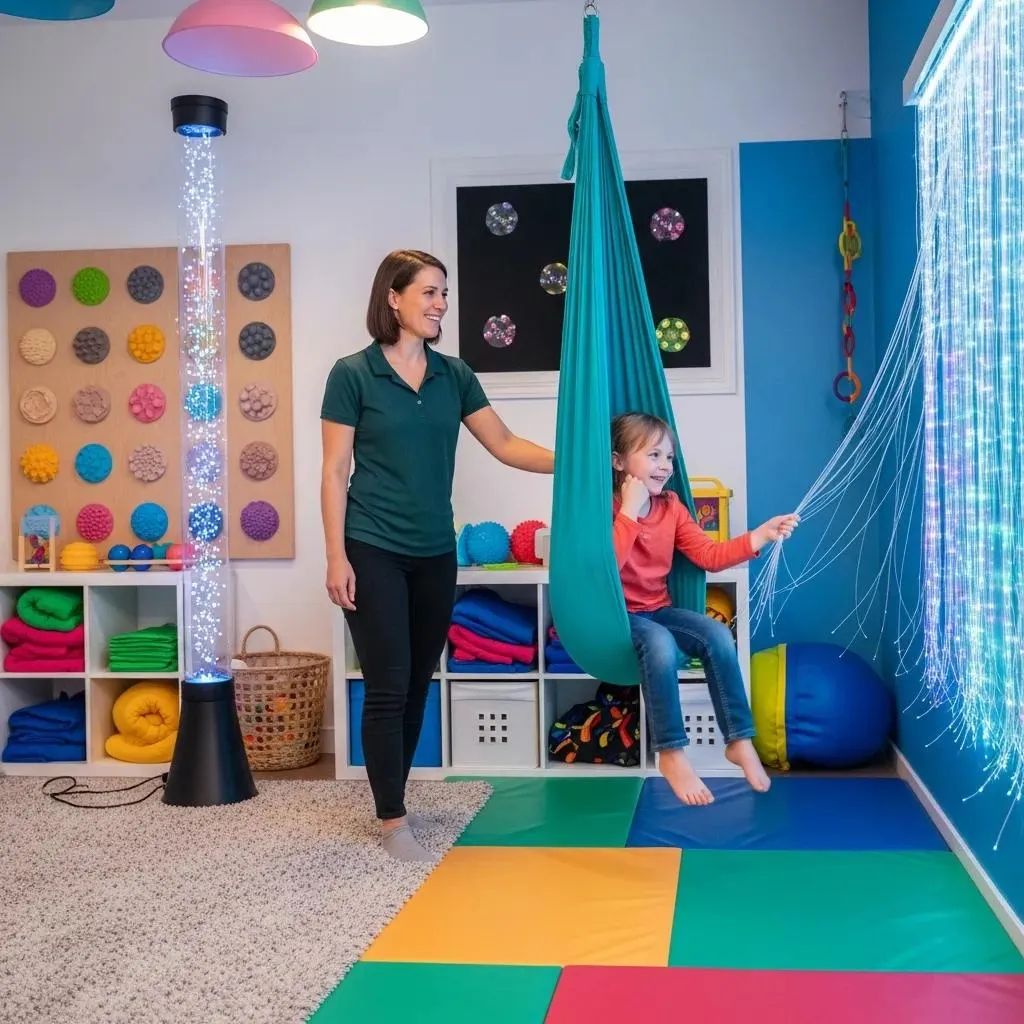

10 Signs Your Child May Be Struggling With Everyday Activities and Needs Occupational Therapy Support
Children rely on core self-care and play routines—known as Activities of Daily Living (ADLs)—to build independence, confidence, and developmental skills. When a child repeatedly finds tasks such as dressing, feeding, or playing on the playground challenging, it may signal a need for pediatric occupational therapy. This article explains the role of everyday activities in child development, highlights 10 red-flag signs of struggle, outlines when to seek professional OT services, offers practical at-home strategies, and shows how Skillpoint Therapy’s family-centered, play-based approach can support your child’s thriving.
What Are Everyday Activities and Why Are They Important for Child Development?
Everyday activities, or ADLs, form the foundation of a child’s independence by combining physical, cognitive, sensory, and social skills into routine tasks. Mastery of these skills supports self-esteem and readiness for school.
What Are Activities of Daily Living (ADLs) for Children?
Activities of Daily Living (ADLs) for children encompass self-care and functional tasks such as dressing, feeding, toileting, tooth-brushing, and classroom routines. These routines encourage fine motor coordination, planning, and problem-solving while building autonomy.
How Do Fine and Gross Motor Skills Affect Daily Tasks?
Fine and gross motor skills work together to accomplish ADLs.
This breakdown shows that refining small-muscle control and large-muscle coordination directly improves a child’s ability to participate in self-care and play. Improving one domain often supports gains in the other.
Motor Performance and Activities of Daily Living in Children with Neurodevelopmental Disorders
A study comparing children with neurodevelopmental disorders (NDDs) to healthy peers found that NDDs significantly affect motor performance andActivities of Daily Living.
(ADLs), even without physical disability. Children with better motor performance demonstrated fewer ADL problems, greater independence, and improvedsocial cognition and communication skills, emphasizing the link between motor skills and daily functioning.
This study providesevidence
for the article’s assertion that fine and gross motor skills are fundamental to a child’s ability to perform everyday tasks (ADLs) and that difficulties in these areas can impact independence andsocial skills.
Why Is Early Identification of Struggles Crucial?
Identifying difficulties early prevents frustration and school-related setbacks. Early recognition—by observing missed milestones or repeated task refusals—allows pediatric occupational therapy to target root obstacles in motor planning, sensory processing, or executive function before patterns become ingrained.
What Are the Top 10 Signs Your Child Is Struggling With Daily Tasks?
Delayed or inconsistent performance in routine activities often reflects underlying developmental challenges. Watch for these ten common indicators:
How Can Difficulty With Fine Motor Skills Indicate a Problem?
Difficulty with fine motor skills is evident when a child struggles to hold a pencil, color within the lines, button clothing, or manipulate small objects. These challenges can impede handwriting proficiency and independence in self-dressing.
- Trouble grasping crayons or scissors
- Frequent pencil drops and erased handwriting
- Frustration when fastening zippers or snaps
Persistent fine motor delays can limit classroom participation and self-confidence.
What Are Common Challenges With Gross Motor Skills?

Gross motor skill challenges include poor balance, an awkward gait, or reluctance to climb and jump. Coordination deficits affect playground engagement and can lead to fatigue during PE activities.
- Falls easily when running or turning
- Difficulty catching or kicking a ball
- Avoids playground equipment like slides or swings
Strengthening core stability and bilateral coordination supports smoother movement patterns.
How Do Speech and Language Delays Affect Everyday Activities?
Speech and language delays can inhibit a child’s ability to request help, follow multi-step instructions, or engage in cooperative play. Limited vocabulary and unclear articulation lead to social withdrawal and task refusal.
- One-word answers instead of sentences
- Difficulty naming everyday objects or colors
- Trouble describing events or following stories
Enhanced communication skills foster independence in classroom and home routines.
What Are the Signs of Sensory Processing Difficulties in Children?

Sensory processing difficulties occur when a child overreacts or underreacts to sights, sounds, textures, or movement. These differences can trigger avoidance of clothing textures, refusal to eat certain foods, or emotional meltdowns.
- Covers ears in noisy environments
- Refuses tags on clothing or certain food textures
- Craves spinning, crashing, or intense movement
Addressing sensory integration helps children tolerate daily sensations without distress.
Sensory Processing Disorders in Children and Adolescents: Taking Stock of Assessment and Novel Therapeutic Tools
This review describes Sensory Processing Disorders (SPDs) as difficulties in detecting, modulating, interpreting, or responding to sensory experiences, affecting 5%–13% of children aged 4–6 years. It highlights that SPDs can lead to debilitatingsocial
and emotional consequences, and are linked to neurodevelopmental disorders like ASD and ADHD.
Thisresearch provides a foundational understanding of sensory processing difficulties, a key area discussed in the article, and supports the claim that they
can significantly impact a child’s daily life and wellbeing.
How Do Social Interaction Challenges Show in Daily Life?
Social interaction challenges include avoiding eye contact, difficulty sharing, and trouble understanding social cues. These barriers impact group activities, making it harder for a child to participate in cooperative games or classroom discussions.
- Limited play invitations with peers
- Difficulty taking turns or negotiating rules
- Misreads facial expressions or tones
Building social skills supports more positive peer relationships and smoother group participation.
What Emotional Regulation Problems Might Your Child Exhibit?
Emotional regulation problems show as frequent tantrums, intense frustration over small setbacks, or rapid mood swings. Difficulty calming down can disrupt bedtime, mealtimes, and school transitions.
- Explosive crying when asked to switch tasks
- Extreme resistance to changes in routine
- Quick shifts from happy to angry without a clear trigger
Teaching coping strategies and self-calming techniques promotes more predictable daily routines.
How Can Difficulties With Self-Care Tasks Signal Developmental Issues?
Challenges in self-care—dressing, toileting, brushing teeth—highlight delays in planning, sequencing, and motor skills. Struggles here often lead to caregiver burnout and lowered self-esteem in the child.
- Requires adult help to put on shoes or socks
- Difficulty keeping hands clean after eating
- Avoids tooth-brushing or grooming tasks
Targeted OT interventions build step-by-step mastery of daily living skills.
What Are the Signs of Learning and Attention Difficulties?
Learning and attention difficulties manifest as a short attention span, difficulty following instructions, or easy loss of focus during tasks. These patterns can slow academic progress and frustrate both child and caregiver.
- Loses interest after one or two steps
- Requires constant reminders to complete simple chores
- Often distracted by minor sensory input
Improved executive function through OT enhances task initiation and completion.
How Do Repetitive Behaviors or Restricted Interests Indicate Autism?
Repetitive behaviors—lining up toys, intense fixation on one topic—and restricted interests suggest early autism indicators. These patterns can limit a child’s willingness to try new activities or interact socially.
- Insists on the same daily routine without variation
- Obsessive focus on specific objects or subjects
- Repetitive movements like hand-flapping
Early autism screening and OT support adaptive flexibility and exploration.
Why Is Missing Developmental Milestones a Red Flag?
Missing key milestones—rolling, sitting, crawling, first words—indicate generalized developmental delay. Tracking progress against expected age norms reveals areas that need targeted intervention.
- Not reaching gross-motor or fine-motor milestones on time
- Limited engagement in pretend play by age 2
- Fewer than 50 words by age 2
Consistent milestone monitoring guides timely referrals to pediatric occupational therapy.
When Should You Seek Pediatric Occupational Therapy for Your Child?

Recognizing when core skills fall behind peers prompts consultation with an OT specialist. Early OT referrals capitalize on developmental windows to improve long-term outcomes.
What Role Does Occupational Therapy Play in Supporting Daily Skills?
Pediatric occupational therapy assesses a child’s unique combination of motor, sensory, cognitive, and social-emotional strengths and challenges. Through play-based activities, OT builds foundational skills for dressing, feeding, writing, and playground engagement.
Effectiveness of paediatric occupational therapy for children with disabilities: A systematic review
Asystematic review
of 129 articles found that pediatric occupationalTherapy interventions significantly improve children’s engagement and participation in daily life roles. The review identified various effective approaches, including behavioral interventions, coaching, cognitive strategies, early intervention,family-centered care, and social skills training, with many showing strong evidence ofpositive outcomes.
Thissystematic review
directly supports the article’s overarching theme regarding the effectiveness and benefits of pediatric occupationaltherapyin addressing developmental challenges and improving daily skills for children with disabilities.
How Does Early Intervention Improve Long-Term Outcomes?
Early intervention harnesses neural plasticity during preschool and early school years. Timely OT promotes skill generalization across home, school, and community settings, reducing the need for later, more intensive supports.
What Are the Key Benefits of Pediatric Occupational Therapy?
Pediatric OT enhances independence in self-care, bolsters fine motor precision, improves sensory tolerance, fosters social participation, and builds self-regulation strategies—laying a foundation for success in academic and everyday environments.
How Can Parents Support Their Child’s Development at Home?
Parents can reinforce OT gains with targeted home routines and playful challenges that promote skill practice in natural settings.
What At-Home Activities Help Improve Fine and Gross Motor Skills?
Incorporate these simple activities into daily life to refine motor control:
- Sticker Sorting – Improve pincer grasp by peeling and placing stickers.
- Obstacle Course – Boost coordination with pillows, tunnels, and balance beams.
- Playdough Creations – Strengthen hand muscles through rolling, pinching, and molding.
Regular practice in familiar environments builds confidence and skill carryover.
How Can Families Manage Sensory Processing Challenges?
Structure sensory breaks and provide “just-right” input with strategies like:
- Weighted Lap Pads for calming deep pressure
- Quiet Corners with noise-cancelling headphones
- Sensory Bins filled with rice, beans, or sand for tactile exploration
These supports help children remain regulated during daily routines.
What Are Effective Ways to Encourage Social and Emotional Growth?
Foster social-emotional learning through:
- Role-Play Games to practice turn-taking and perspective-taking
- Feelings Chart to label emotions and choose coping strategies
- Family Storytime encourages conversation and shared attention
Consistent modeling and positive reinforcement deepen social-emotional resilience.
How Does Skillpoint Therapy Help Children Overcome Everyday Challenges?
Skillpoint Therapy combines early intervention expertise, play-based methods, and a collaborative family-centered philosophy to support each child’s journey toward independence.
What Makes Skillpoint Therapy’s Approach Unique?
Skill Point Therapy’s approach is built on the proven foundation of DIRFloortime®, a research-based therapeutic method that guides every session and treatment plan. Originally developed to support children with autism spectrum disorder, DIRFloortime has evolved into one of the most effective approaches for addressing a wide range of developmental challenges in children.
This evidence-based method focuses on building emotional connections and fostering natural development through play-based interactions. Rather than simply teaching isolated skills, DIRFloortime helps children develop the underlying capacities they need to thrive—from emotional regulation and problem-solving to communication and social engagement.
For families in Tampa and Brandon, this means their children receive therapy grounded in decades of research and clinical success. The DIRFloortime approach has proven effective for children struggling with sensory processing issues, attention difficulties, social challenges, motor skill delays, and emotional regulation—not just autism. By addressing the root of developmental struggles rather than surface behaviors, Skill Point Therapy helps children build lasting skills that support success in everyday activities at home, school, and in the community.
How Does the Family-Centered Model Support Child Success?
We partner with families to identify real-life goals, teach caregivers hands-on strategies, and adapt home and classroom environments. Coaching builds parent confidence and reinforces skill gains beyond the therapy room.
How Can You Schedule an Evaluation With Skillpoint Therapy?
To explore a personalized pediatric occupational therapy plan, you can contact Skillpoint Therapy for an initial evaluation. Our team will assess your child’s strengths and challenges, outline targeted goals, and begin a play-based plan designed for lasting independence.
Children who gain mastery over everyday activities experience greater confidence, smoother peer interactions, and a stronger foundation for academic success. Early occupational therapy support and consistent home practice can transform daily struggles into proud milestones and lasting independence.
Frequently Asked Questions
At what age should children start occupational therapy if they show signs of struggle?
While every child develops at their own pace, it’s crucial to consider occupational therapy if you notice signs of struggle by age 2 or 3. Early intervention is key, as it can significantly improve outcomes. If your child is missing developmental milestones or has difficulty with daily activities, consulting a pediatric occupational therapist can provide tailored strategies to support their growth and independence.
How can I differentiate between typical developmental delays and those that require therapy?
Typical developmental delays may resolve as children grow, but persistent challenges in self-care, social interactions, or motor skills may indicate a need for therapy. If your child consistently struggles with tasks like dressing, feeding, or engaging with peers beyond their age group, it’s advisable to seek a professional evaluation. A pediatric occupational therapist can assess your child’s skills and recommend appropriate interventions if necessary.
What role do parents play in supporting their child’s occupational therapy?
Parents play a vital role in their child’s occupational therapy journey by reinforcing skills learned during sessions at home. Engaging in daily routines that promote practice, such as cooking or playtime, can enhance skill retention. Additionally, parents can collaborate with therapists to set realistic goals and strategies, ensuring a consistent approach that supports the child’s development across various environments.
Are there specific activities I can do at home to support my child’s development?
Yes, there are many engaging activities you can incorporate at home to support your child’s development. Simple tasks like sorting objects, playing with playdough, or creating obstacle courses can enhance fine and gross motor skills. Additionally, role-playing games can foster social skills, while sensory bins can help with sensory processing. These activities not only promote skill development but also make learning fun and interactive.
How can I tell if my child is making progress in occupational therapy?
Progress in occupational therapy can be observed through improvements in your child’s ability to perform daily tasks independently, increased confidence in social interactions, and enhanced motor skills. Regular communication with your therapist will provide insights into specific goals and milestones. Tracking your child’s achievements, no matter how small, can also help you recognize their growth over time.
What should I do if I notice regression in my child’s skills?
If you observe regression in your child’s skills, it’s important to address it promptly. Regression can occur for various reasons, including changes in routine, stress, or lack of practice. Please consult with your child’s occupational therapist to talk about your observations. They can help identify underlying issues and adjust the therapy plan to support your child’s needs better and ensure continued progress.
Can occupational therapy help with emotional regulation issues in children?
Yes, occupational therapy can be highly effective in addressing emotional regulation issues in children. Therapists often incorporate strategies that teach children how to recognize and manage their emotions, develop coping mechanisms, and improve self-regulation skills. By using play-based activities, therapists can create a safe environment for children to practice these skills, ultimately leading to better emotional control in daily situations.
Conclusion
Recognizing the signs that your child may need occupational therapy is crucial for fostering their independence and confidence in daily activities. By addressing challenges in self-care, motor skills, and social interactions early on, you can pave the way for significant improvements in their overall development. Skillpoint Therapy offers tailored, play-based interventions that empower children to thrive in their everyday lives. Please reach out to us today to explore how we can support your child’s journey toward greater independence.