
Category: Sensory Therapy
-

Compassionate Strategies for Sensory Meltdowns in Children
Help your child cope with sensory meltdowns using compassionate strategies. Learn effective support techniques and pediatric occupational therapy…
-

Recognizing Sensory Issues Signs: Understanding SPD Symptoms
Recognizing sensory issues in children can be challenging. Learn to identify SPD symptoms and signs, helping your child…
-

Sensory Integration Therapy (SIT) in Tampa and Brandon: What Parents Should Know
Sensory integration therapy (SIT) helps children process and respond to sensory information in a calmer, more organized way.…
-

5 OT Sensory Strategies For Parents to Use at Home to Calm Kids
When children feel overwhelmed, simple sensory activities can help restore calm and focus. These evidence-based OT techniques encourage…
-

Sensory Strategies That Work: 7 At-Home OT Activities for Kids Who Struggle With Sensory Overload
Children who experience sensory overload can struggle with daily routines, school, and play, making simple strategies essential. Incorporating…
-
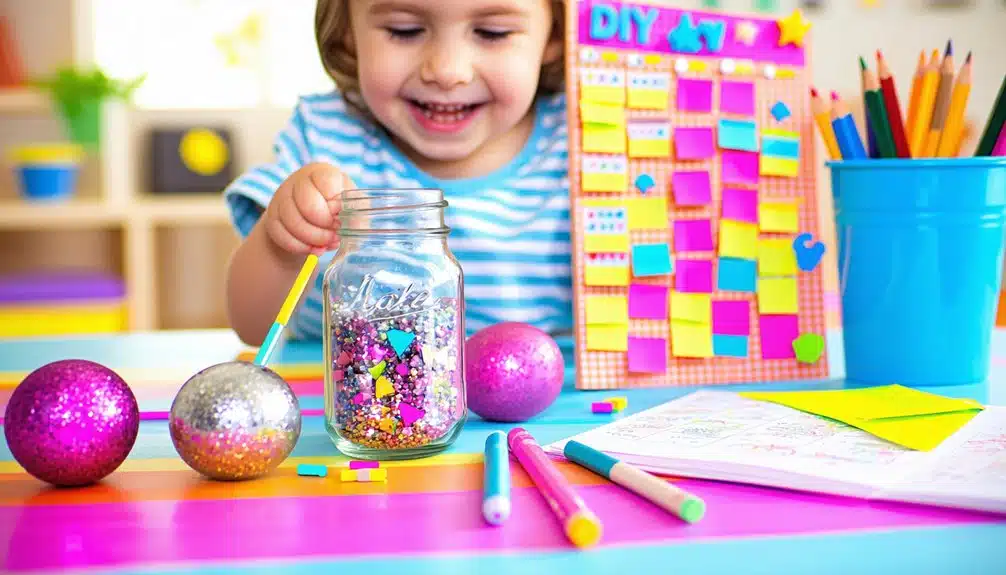
Creative Ways to Support Self-Regulation in Children With DIY Tools
Supporting self-regulation is essential for managing emotions, behavior, and focus in everyday life. This blog explores practical techniques…
-

Sensory Play: Engaging Activities to Boost Child Development Near Tampa Bay
Sensory play is essential for a child’s growth, helping to improve coordination, focus, and emotional regulation. This guide…
-
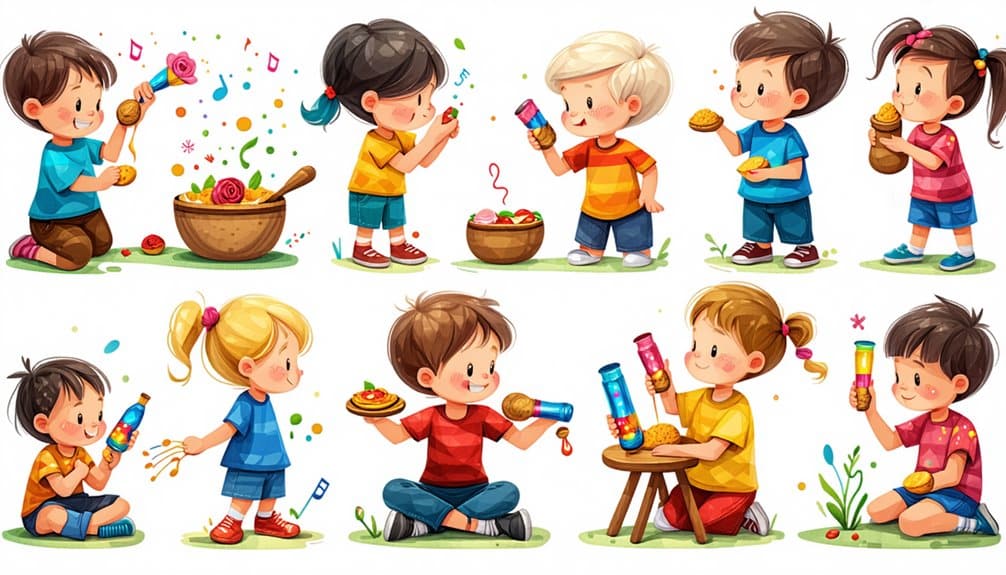
Exploring the Senses: How We Experience the World
Children rely on their senses to navigate the world, but did you know there are more than just…
-

Sensory Education Helps Kids Enhance Learning Through Their Senses
Sensory education helps kids understand how their bodies and minds respond to different stimuli, improving emotional regulation and…
-

Why Play Matters: How It Shapes a Child’s Growth and Learning
Play matters for children because it fosters creativity, problem-solving, and social skills essential for growth. Through play, kids…