

Finding the Right Pediatric Therapy in Tampa and Brandon, Florida Area
Finding the right pediatric therapy in Tampa and Brandon can feel overwhelming. Parents often wonder how Occupational Therapy (OT), Physical Therapy (PT), and Speech Therapy differ — and which one their child needs. At Skill Point Therapy, we provide compassionate, specialized pediatric care focused on each child’s unique development. This article breaks down each therapy’s goals, methods, and benefits so you can make informed choices that support your child’s independence and success.
What Are the Primary Goals of Occupational, Physical, and Speech Therapy for Children?
OT, PT, and Speech Therapy all help kids develop skills they use every day, but each focuses on different areas. At Skill Point Therapy we create personalized plans that match a child’s strengths and challenges. Occupational Therapy targets fine motor skills and daily living tasks so kids can handle schoolwork and self-care more confidently. Physical Therapy develops gross motor abilities like balance, strength, and coordination to support safe movement and play. Speech Therapy builds communication — from clear speech to meaningful interactions — so children can connect with others. Knowing these differences helps families choose the right support.
How Does Occupational Therapy Support Fine Motor Skills and Daily Living?
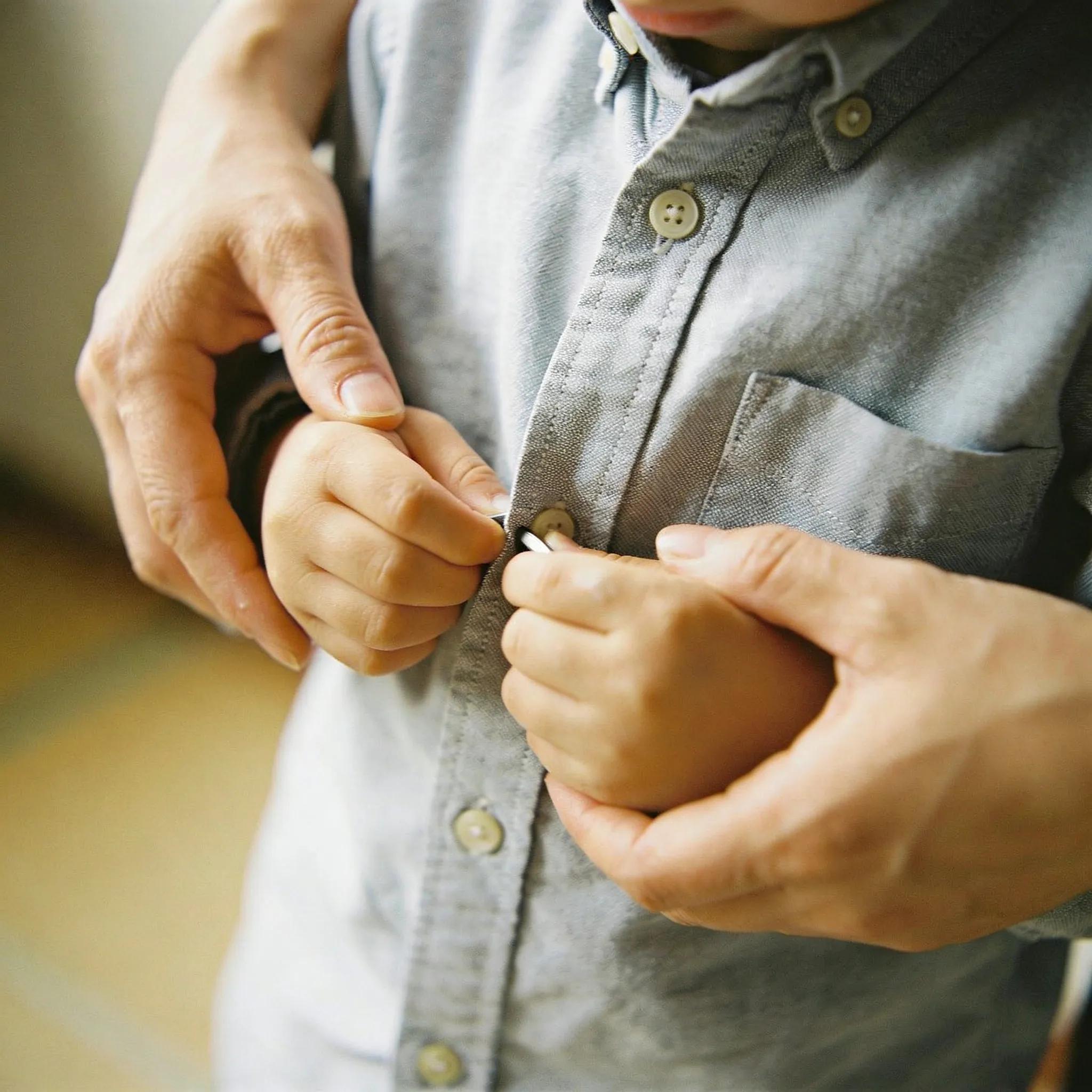
Occupational Therapy at Skill Point Therapy strengthens the fine motor skills kids need for everyday tasks like buttoning, using utensils, and writing. Our therapists design playful, goal-focused activities that keep children engaged while building dexterity and hand-eye coordination. Simple games, hands-on tasks, and graded challenges help kids gain skill and confidence, supporting success at home and in the classroom.
Which Gross Motor Skills Does Physical Therapy Enhance for Kids?
Physical Therapy at Skill Point Therapy improves gross motor skills such as walking, jumping, running, and balance. Our PTs use fun, targeted exercises and activities — think obstacle courses, climbing, and balance challenges — to build strength, coordination, and endurance. As a result, children gain physical independence, better mobility, and increased participation in play and sports.
How Do Speech Therapists Help Children With Communication and Language Development?
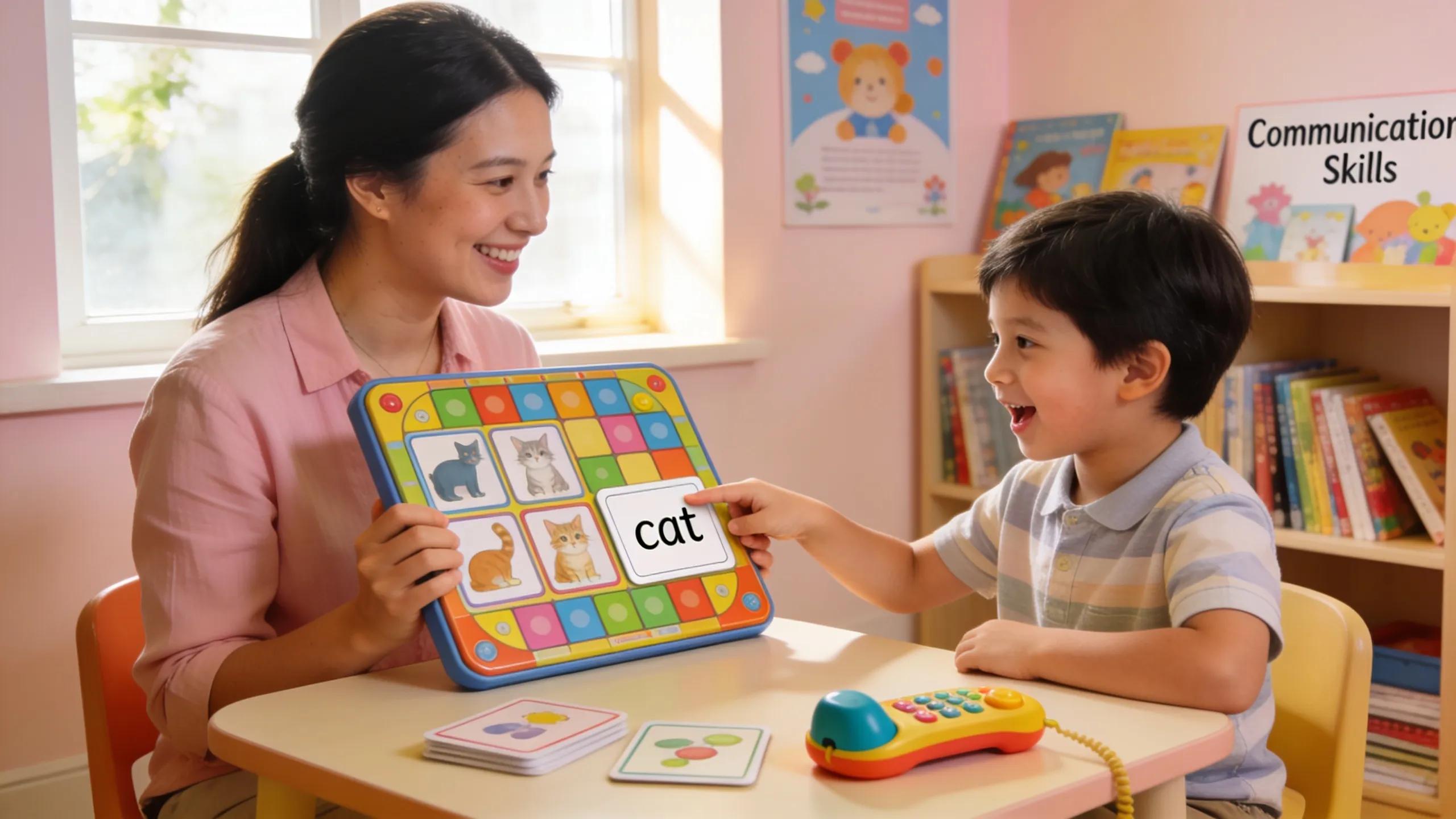
At Skill Point Therapy, our speech therapists help children who struggle with articulation, language comprehension, or social communication. Using play, stories, and age-appropriate activities, therapists build clearer speech, stronger understanding, and practical conversation skills. These sessions expand vocabulary, improve sentence skills, and boost social confidence so kids can participate more fully at school and with peers.
When Is Speech Therapy Recommended for Pediatric Speech and Language Delays?
We recommend speech therapy when a child shows persistent speech or language delays — for example, limited vocabulary, unclear pronunciation, or trouble following directions. Early intervention matters: the sooner we begin, the better the chances for meaningful progress. If a child’s speech or social communication is affecting learning or friendships, it’s a good time to seek an evaluation in Tampa or Brandon.
What Techniques Do Speech-Language Pathologists Use to Improve Kids’ Speech?
Our Speech-Language Pathologists use personalized techniques like articulation practice, language-building activities, and social communication coaching. Therapy may include repetition and modeling for sounds, targeted vocabulary and comprehension exercises, and guided play to practice conversation skills. Each strategy is adapted to the child’s needs and interests to promote steady, functional progress.
What Are the Key Differences Between Occupational Therapy and Physical Therapy for Kids?

Both OT and PT improve function, but they focus on different outcomes. Skill Point Therapy’s OT emphasizes fine motor control, sensory processing, and daily living skills like dressing and writing. PT centers on gross motor strength, balance, and mobility to help children move safely and confidently. Knowing the difference helps parents pick the most appropriate therapy for their child’s needs.
In Which Situations Should Parents Choose OT Over PT for Their Child?
Choose Occupational Therapy if your child struggles with tasks such as handwriting, dressing, feeding, or shows sensory sensitivities that affect daily routines. OT is ideal for building independence in self-care and classroom tasks. If your child’s primary challenges are mobility, balance, or strength, Physical Therapy will likely be more appropriate.
How Do OT and PT Complement Each Other in Pediatric Therapy Plans?
OT and PT often work together to support a child’s overall development. While OT targets the hands, coordination, and daily tasks, PT addresses posture, balance, and movement patterns. Coordinated plans let therapists reinforce skills across settings, helping children translate improvements into daily life more quickly.
How Can Parents Identify Which Therapy Type—OT, PT, or Speech—Is Right for Their Child?
Identifying the right therapy starts with observing developmental milestones and getting a professional evaluation. At Skill Point Therapy we assess fine and gross motor skills, speech and language, and everyday functioning to recommend the most helpful services for each child.
What Developmental Milestones Signal the Need for Specific Therapies?
Warning signs include delayed fine motor skills by around age three (suggesting Occupational Therapy), difficulty with running, jumping, or balance by age four (suggesting Physical Therapy), and limited speech or language compared to peers by age two (suggesting Speech Therapy). Spotting these early helps families access support that improves long-term outcomes.
How Do Pediatric Therapists Assess Children to Recommend Appropriate Treatments?
Our therapists use a mix of standardized assessments, play-based observations, and conversations with parents to understand each child’s strengths and challenges. This comprehensive evaluation guides tailored goals and therapy plans that fit the child and family.
What Are the Typical Therapy Sessions and Benefits Parents Can Expect for Each Therapy?
Sessions differ by discipline but share a focus on individualized, goal-driven activities that build practical skills. Families can expect measurable progress, regular communication, and strategies to reinforce gains at home.
What Happens During a Pediatric Occupational Therapy Session?
Occupational Therapy sessions involve play-based tasks like puzzles, crafts, and real-life activities such as utensil or button practice. Therapists tailor activities to a child’s interests, making therapy engaging while teaching skills that increase independence and confidence.
How Do Physical Therapy Sessions Improve Children’s Mobility and Strength?
Physical Therapy sessions include targeted exercises to improve balance, coordination, and strength. Through fun, dynamic activities, children practice movement patterns that increase safety, stamina, and participation in everyday play and sports.
How Do Evidence-Based Practices Inform OT, PT, and Speech Therapy for Kids?
Skill Point Therapy uses evidence-based methods rooted in current pediatric research. We update our approaches as new findings emerge to ensure therapies are effective, family-centered, and tailored to each child’s progress.
What Recent Research Supports Therapy Approaches in Pediatric Care?
Recent studies highlight the value of individualized, play-based OT, targeted intensive PT for mobility gains, and tailored speech interventions for language development. We apply these research-backed strategies to maximize each child’s potential.
How Can Parents Use This Knowledge to Empower Their Child’s Therapy Journey?
Understanding therapy options helps parents advocate for targeted interventions and partner confidently with therapists. Families in Tampa and Brandon who engage with their child’s plan and practice strategies at home typically see stronger, faster results.
Collaborative Therapy Among OT, PT, and Speech Enhances Pediatric Outcomes and Family Involvement

We believe that coordinated care across OT, PT, and Speech Therapy delivers the best results. Working together, our therapists create cohesive plans that address motor, communication, and sensory needs for well-rounded progress.
Our team incorporates the DIRFloortime framework to follow the child’s lead and nurture social, emotional, and cognitive growth alongside motor and sensory development. This child-centered approach encourages meaningful engagement and natural learning.
Families in Tampa and Brandon receive coaching from DIRFloortime-trained therapists so they can use these strategies at home. Practical techniques and routines help families strengthen connection and support daily skill-building.
Programs Integrating OT, PT, Speech Therapy, and DIRFloortime
Skill Point Therapy offers integrated programs combining Occupational Therapy (OT), Physical Therapy (PT), Speech Therapy, and the DIRFloortime approach to provide comprehensive, family-centered care. These programs are designed to address the diverse needs of each child by coordinating therapeutic goals across disciplines for maximum benefit.
The integrated model enables therapists to collaborate closely, ensuring that motor skills, communication abilities, and sensory-emotional development are supported in a cohesive, child-led manner. Families benefit from consistent strategies and unified guidance that extend from sessions into everyday life, enhancing progress and generalization of skills.
Below is a table with examples of specific activities and goals within each therapy type, illustrating how they can be combined within our programs:
Families searching for “best pediatric therapy options in Tampa and Brandon” or “how to support my child’s therapy at home” often find our coordinated approach especially helpful because it promotes holistic development supported by a strong family-therapist partnership.
Further Resources on DIRFloortime and Pediatric Therapy Collaboration
For more on DIRFloortime and interdisciplinary care, visit the Interdisciplinary Council on Development and Learning and review research on the National Library of Medicine.
Frequently Asked Questions
How can parents track their child’s progress in therapy?
Track progress through regular check-ins with therapists, short home practice notes, and milestone charts. These tools keep families in Tampa and Brandon informed and involved in their child’s development.
What is the role of family involvement in pediatric therapy?
Family involvement is essential. When caregivers practice strategies at home and reinforce goals, children make steadier gains and apply skills more confidently across settings.
What should parents expect during their child’s first therapy session?
The first session includes a thorough evaluation, a review of developmental history, and play-based observation. We use this information to set clear, realistic goals and involve parents in planning next steps.
Can therapy be combined with educational support?
Yes. Skill Point Therapy collaborates with schools and educators to align therapy goals with classroom needs, helping children succeed academically and socially.
How does early intervention impact long-term outcomes?
Early intervention improves long-term outcomes by addressing delays sooner, which supports better motor, speech, and cognitive development and smoother transitions into school.
What can parents do to support their child’s therapy goals at home?
Parents can weave therapy strategies into everyday routines: play movement games, practice fine motor tasks, and read or talk together regularly. Our therapists provide clear, practical suggestions families can use at home.
Conclusion
Knowing the differences between Occupational, Physical, and Speech Therapy helps families choose the right supports for their child. At Skill Point Therapy, we deliver evidence-based, family-focused care that builds skills, confidence, and independence. Partner with our team to create a therapy plan that fits your child and family — and helps them thrive.

Nicole Bilodeau, MS, OTR/L, is an occupational therapist and founder of Skill Point Therapy in Tampa and Brandon. She leads a skilled team that provides speech and pediatric occupational therapy, supporting children with autism, ADHD, sensory processing disorders, social skills challenges, and motor development issues. Nicole is dedicated to helping every child reach milestones and thrive at home, school, and in the community