

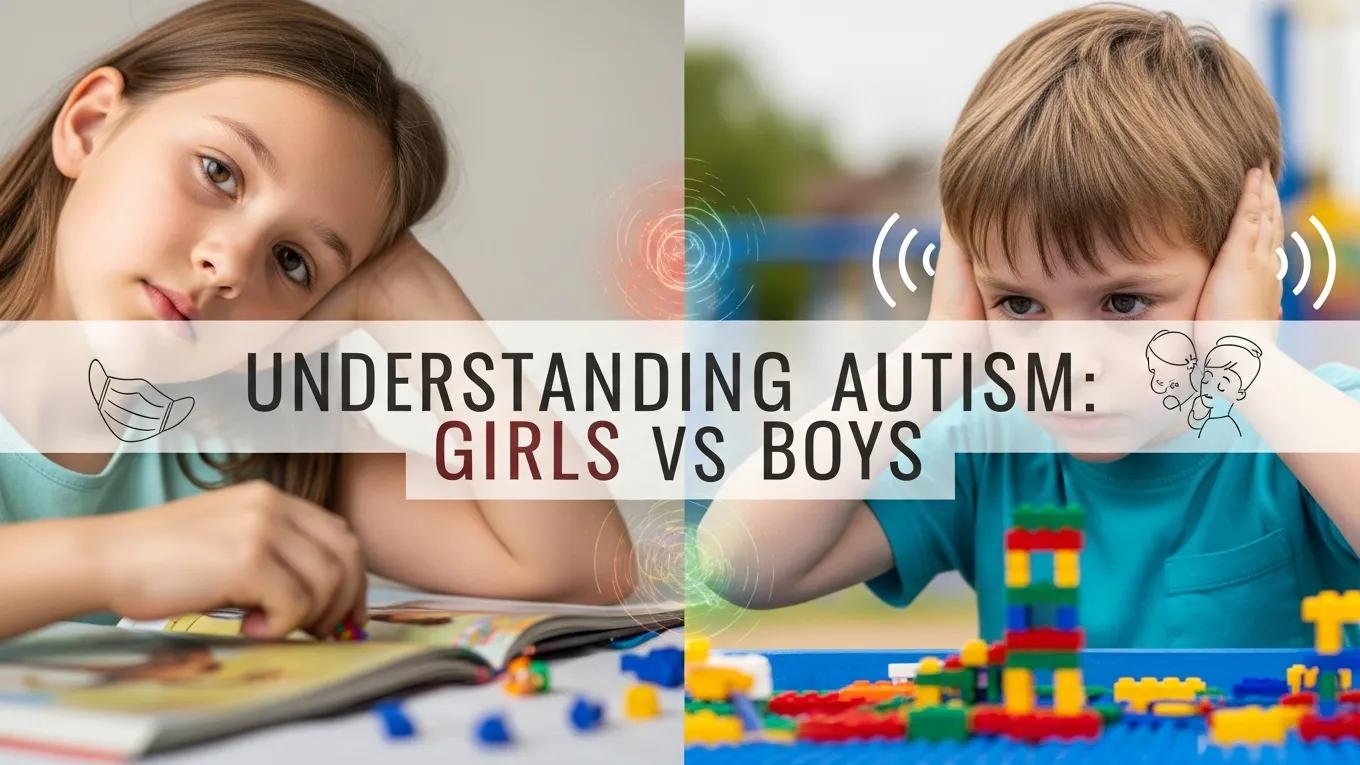
Autism in Girls vs Boys: Why Girls Are Often Diagnosed Later
Much of what we know about autism comes from research centered on boys, and that has shaped how clinicians spot and diagnose it. As a result, many girls are missed or receive the wrong diagnosis in early childhood. Understanding how autism can look different in girls helps families across Hillsborough County get the right support sooner.
For families seeking answers, spotting those differences matters. Many girls learn social coping strategies that hide their core struggles, so their needs can be overlooked. That’s one key reason girls are often identified later than boys.
At Skill Point Therapy, we see how early, targeted support—like occupational therapy and DIRFloortime—can change a child’s path. When families recognize both typical presentations, they can better advocate for evaluations and services. Awareness is the first step toward meaningful help.
Key Takeaways
- Girls are often diagnosed later because their symptoms can be subtler, and they frequently use social masking to blend in.
- Early autism research focused mainly on boys, which shaped diagnostic tools that miss many girls’ behaviors.
- Many autistic girls imitate peers and mask difficulties, making their challenges less obvious to clinicians and teachers.
- Autistic girls often want friendships but struggle with social cues and sustaining relationships.
- Masking can cause emotional exhaustion and delay diagnosis.
- Sensory sensitivities—like clothing textures, food, or sounds—are common and can be internalized or misunderstood.
- Earlier recognition and intervention improve development and lessen emotional strain for autistic girls.
- Occupational therapy and DIRFloortime support sensory regulation, emotional growth, and social skills.
- Schools can better support girls by noticing subtle signs and offering inclusive, flexible accommodations.
Why Girls Are Diagnosed Later: Understanding Diagnostic Bias and Screening Challenges
The gap in diagnosis timing often stems from diagnostic bias and screening tools built from studies of boys. Historically, research emphasized more visible, external behaviors—things boys tend to show—so assessment criteria can miss less obvious presentations.
Many girls display strong social motivation alongside internal struggles or masking behaviors. Because of gender expectations, caregivers and professionals may attribute those issues to anxiety, shyness, or sensitivity instead of considering autism.
Studies show girls are diagnosed roughly two to three years later than boys on average, delaying access to critical early supports. At Skill Point Therapy (Tampa and Brandon), we support updated screening practices and assessments that account for these gender differences to help identify children earlier and more accurately.
Signs Parents Should Watch For in Girls
- A strong wish for friendship, but difficulty forming or keeping relationships.
- Intense interests in socially typical topics (like books, animals, or pop culture) that are pursued in a repetitive or highly focused way.
- Frequently copying peers’ words, gestures, or routines to fit in socially.
- Emotional shutdowns or exhaustion after social days at school or activities.
- Sensory sensitivities that are internalized—discomfort with clothing seams, food textures, or noisy environments.
- High anxiety or perfectionism around social performance or school tasks.
- Subtle repetitive actions or routines that aren’t as obvious as classic stimming.
- Inconsistent eye contact that can feel forced rather than natural.
Early Intervention Timelines: Why Earlier Diagnosis Matters
Early diagnosis and intervention—especially during infancy and early childhood—make a real difference for communication, social skills, and daily functioning. Timely support reduces the chance of secondary emotional and behavioral difficulties and helps children build independence over time.
Families across the Tampa Bay area who complete early evaluations and begin individualized plans with providers like Skill Point Therapy often see more positive development and smoother school transitions. Approaches such as occupational therapy and DIRFloortime work best when started early, which is why recognizing subtle signs in girls matters so much.
What Is Autism Masking?
Masking describes the strategies autistic people use to hide or compensate for traits so they fit in socially. Girls often develop these skills due to social pressure to appear socially competent, which can make their struggles less visible.
Masking complicates diagnosis, but understanding it helps families and professionals look beyond surface behaviors. The table below offers a parent-friendly comparison of masking in girls and boys:
Recognizing masking helps prevent missed or delayed diagnoses and highlights the need for safe environments where autistic girls can show their true needs without pressure to perform.
Social Differences in Autistic Girls

One close friend rather than a large crowd
Many autistic girls prefer one close, predictable friendship over large social groups, which can feel chaotic and overwhelming.
They may find it hard to juggle several friendships at once, which can lead to isolation if that single relationship shifts. Support that builds social flexibility and coping strategies is often helpful.
Developmental Differences in Autism Presentation in Girls
Preschool: Girls might show subtle social withdrawal or delays in speech, but often copy peers to hide differences, making early signs less obvious.
Elementary School: Growing social demands can reveal struggles with peer relationships, social anxiety, or perfectionism. Masking often becomes more sophisticated and causes greater emotional fatigue.
Adolescence: Identity pressures and increased masking can heighten anxiety, depression, or burnout. Early recognition and supportive interventions are especially important during these years.
Where to Get an Autism Evaluation in Hillsborough County
Families in Tampa, Brandon, and nearby Hillsborough County communities have several evaluation options. Local providers, including Skill Point Therapy, deliver assessments that consider how autism can present differently in girls and boys.
Comprehensive evaluations typically involve a team—developmental pediatricians, occupational therapists, and speech-language pathologists—working together. Schools in the Tampa Bay area also offer screening and support, and eligible students can receive IEPs to help them thrive in the classroom.
Community groups in Hillsborough County provide parent support, workshops, and advocacy resources to guide families through the diagnostic process and service options. Working with local schools and providers helps ensure children get the accommodations they need.
Emotional and Mental Health Challenges
Anxiety
Anxiety is common for autistic girls because of social uncertainty and the effort of masking. They may worry about being judged or making mistakes, which can affect school and daily life.
Anxiety may show up as stomachaches, fatigue, or changes in behavior—symptoms that are sometimes misunderstood. Early support can lessen long-term impact.
Perfectionism
Perfectionism can develop as a way to manage uncertainty. Girls may try to do everything “right” to avoid criticism, which creates constant internal pressure.
While it can drive high achievement, perfectionism is emotionally draining. Support can help reframe expectations and build healthier coping strategies.
Low self-esteem
Ongoing social struggles can erode self-esteem. Girls may feel different without understanding why, which can affect their confidence and participation.
They may blame themselves for challenges, so emotional support and positive reinforcement are vital for healthy development.
Burnout
Burnout happens when the energy spent masking and coping becomes overwhelming. Girls may withdraw or temporarily lose skills—often mistaken for regression.
Burnout reflects exhaustion, not loss of ability. Recovery needs rest, lower demands, and supports that reduce ongoing stress. Early recognition helps prevent more severe episodes.
Sensory Processing Differences in Girls
Clothing sensitivities
Sensory issues with clothing—such as seams, tags, or certain fabrics—can be distracting or painful and may make dressing stressful.
These are neurological responses rather than simple preferences. Small accommodations can make daily life much more comfortable.
Food sensitivities
Textures, smells, or temperatures of food may be overwhelming, leading to a limited diet and stressful mealtimes.
These behaviors are often sensory-driven rather than behavioral. Occupational therapy can help gradually expand tolerances.
Sound sensitivities
Loud or sudden sounds—such as those in cafeterias, hallways, or busy public places—can be distressing and trigger withdrawal or ear covering.
These reactions are protective against sensory overload. Strategies to manage input can reduce distress.
Internalized reactions
Many girls internalize sensory discomfort and appear outwardly calm while feeling overwhelmed inside, which makes their needs harder to spot.
Internalized responses can lead to fatigue or shutdowns later in the day. Recognizing early signs helps prevent overload.
How Occupational Therapy and DIRFloortime Can Help

Occupational therapy targets sensory regulation, daily living skills, and emotional coping—giving children practical tools to manage sensory and social challenges. At Skill Point Therapy, we tailor plans to each child’s strengths and needs.
DIRFloortime focuses on building emotional connections through play and relationship-based interaction, strengthening communication and flexibility in natural settings. Families in Hillsborough County often notice better engagement and adaptability with this approach.
When families search for occupational therapy for autism in Hillsborough County or DIRFloortime therapy in Hillsborough County, early intervention matters. These therapies help children feel more regulated, confident, and connected—supporting stronger relationships and greater independence over time.
Frequently Asked Questions
What are the main differences in how autism presents in girls compared to boys?
Autism in girls often looks less overt than in boys. Boys may show more obvious repetitive behaviors or outward challenges, while girls may appear socially engaged but struggle internally with social cues. Coping strategies—like imitation and masking—can hide underlying needs and cause delayed or missed diagnoses.
How can parents recognize signs of autism in their daughters?
Look for subtle signs: difficulty forming or keeping friendships, a strong need to fit in, anxiety in social situations, or intense interests that seem socially typical but are pursued rigidly. Notice emotional exhaustion after social activities and sensory sensitivities that aren’t always visible.
Why is timely diagnosis crucial for autistic girls?
Early diagnosis opens the door to supports that enhance communication, social skills, and emotional regulation. Getting appropriate services sooner reduces the risk of secondary mental health challenges and helps children reach developmental milestones with more confidence.
What role does masking play in the diagnosis of autistic girls?
Masking is when a child copies or hides behaviors to fit in. Girls often develop these strategies, which can make them appear to cope well and delay recognition of their needs. Understanding masking helps caregivers and professionals look for subtler signs.
Are there specific therapies recommended to support autistic girls?
Occupational therapy and DIRFloortime are commonly recommended. Occupational therapy supports sensory processing and daily skills, while DIRFloortime builds emotional and communication skills through play. Both focus on individualized goals that meet each child’s needs.
How do social expectations affect the mental health of autistic girls?
Social pressures can create intense stress—leading to anxiety, perfectionism, low self-esteem, and burnout. Expecting girls to mask or conform can worsen mental health. Supportive, understanding environments reduce pressure and improve well-being.
What can schools do to better support autistic girls?
Schools can train staff to notice subtle signs, use inclusive teaching practices, and offer accommodations that reduce sensory and social demands. Social skills groups, mental health supports, and flexible classroom strategies all help girls succeed.
Where can families get an autism evaluation in the Tampa Bay area?
Families can seek evaluations from pediatric specialists and therapy centers—Skill Point Therapy in Tampa and Brandon, among them. Choosing providers experienced with girls’ presentations of autism helps ensure thorough assessments and tailored plans.
How long does it typically take to receive an autism diagnosis in Hillsborough County?
Wait times vary by provider and demand, so scheduling an evaluation early is important. Local resources and support networks can help families find timely options and navigate next steps.
Conclusion
Recognizing how autism can uniquely present in girls is essential for accurate, timely diagnosis. Early intervention—through therapies like occupational therapy and DIRFloortime—can improve developmental outcomes and emotional health. We encourage families to seek assessments and supports tailored to their child’s needs and to advocate for earlier identification when signs appear. Find more resources and expert guidance to empower your family today.

Nicole Bilodeau, MS, OTR/L, is an occupational therapist and founder of Skill Point Therapy in Tampa and Brandon. She leads a skilled team that provides speech and pediatric occupational therapy, supporting children with autism, ADHD, sensory processing disorders, social skills challenges, and motor development issues. Nicole is dedicated to helping every child reach milestones and thrive at home, school, and in the community