
call us at, skill point therpay website logo

Call us at

813-491-8300

Table of Contents

Benefits of Sensory Processing Therapy for Children

by | Apr 12, 2026 | Sensory Therapy for Kids

Benefits of Sensory Processing therapy for Children in Tampa, FL

Sensory processing therapy (SPT) is a targeted approach for children who have sensory processing disorder (SPD). SPD changes how a child’s brain interprets touch, sound, sight, and movement. Sensory therapy teaches them to respond to sensory input more comfortably, which often makes daily routines, learning, and play easier — and improves overall well‑being. Below, we walk through common signs of SPD, the ways sensory processing therapy available in Tampa can help, the DIR/Floortime approach, what a session typically looks like, and when to seek an evaluation. This guide is meant to help Tampa parents make clear, confident choices about their child’s care.

What are the Signs and Symptoms of Sensory Processing Disorder in Children?

Children with sensory processing differences can show a range of behaviors that interfere with everyday life. Spotting these signs early helps Tampa families get the right support sooner.

How to Identify Sensory Integration Challenges Early

Pay attention to how your child responds to everyday sensory input and ask a professional for testing if concerns persist. Look for clues such as:

  • Behavioral Changes: Sudden increases in irritability, withdrawal, or new, intense reactions to ordinary situations can point to sensory struggles.
  • Sensory Overload: Your child may become overwhelmed in loud, crowded, or visually busy places, leading to meltdowns or shutting down.
  • Difficulty with Transitions Frequent trouble moving from one activity to another — even routine changes — may reflect sensory processing issues.

Recognizing these signs early lets Tampa Bay area therapists step in with support that improves development and everyday functioning.

Common Behavioral and Developmental Indicators of Sensory Processing Disorder

Below are typical ways sensory processing differences show up across behavior, movement, and thinking:

  • Behavioral Symptoms Overreactions to sounds, lights, or textures that others barely notice.
  • Physical Symptoms: Avoiding activities or clothing because of how they feel, or showing unusual movement preferences.
  • Cognitive Symptoms: Difficulty focusing, following instructions, or processing multi‑step tasks.

Knowing these patterns helps Tampa parents, teachers, and therapists choose the right supports and strategies.

Signs the Parents Should Watch For

Tampa parents often report meltdowns tied to clothing tags, seams, or specific textures. Some children cover their ears even when sounds seem mild to others. These reactions can signal a need for evaluation and support.

Your child might avoid playground equipment, appear unusually clumsy, or struggle with daily routines like brushing teeth or combing hair. Those persistent difficulties are common reasons families pursue pediatric occupational therapy in Tampa.

Other children may seek extra movement — spinning, jumping, or crashing into things — while some become extremely selective eaters because of food textures. Trouble focusing in class is another frequent concern Tampa Bay therapists observe in kids with sensory differences.

How Does Sensory Processing therapy Improve Child Development?

Sensory processing therapy in Tampa targets the specific sensory needs that affect your child’s daily life. Addressing these areas can help your child build skills for everyday tasks and relationships.

Therapy Benefits: Enhancing Sensory Integration and Emotional Regulation.

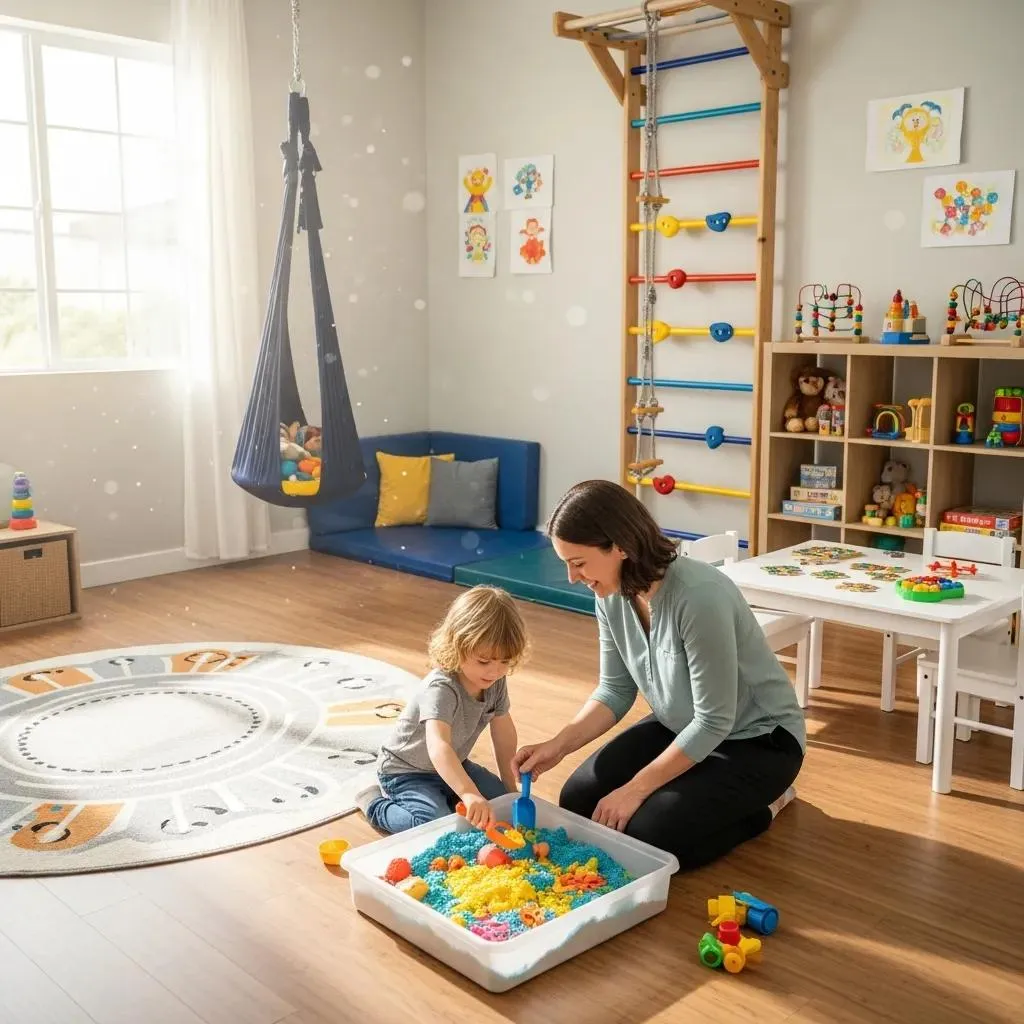
Child engaging in play therapy with colorful sensory toys, supported by an occupational therapist in a bright, child-friendly environment, promoting emotional regulation and coping skills.

This type of therapy supports better processing of sensory input and helps children manage their emotions. Key outcomes families often see include:

  • Improved Self-Regulation: Children learn strategies to calm themselves and respond more flexibly to sensory triggers, reducing emotional outbursts.
  • Enhanced Social Skills. As sensory comfort increases, kids are more able to join play and interact with peers.
  • Anxiety Reduction: Decreasing sensory overload often lowers anxiety, making participation in daily activities easier.

These gains support emotional growth, social connection, and more enjoyable day‑to‑day experiences.

Evidence-Based Outcomes of Occupational and Speech therapy for Sensory Issues

Research supports occupational therapy as an effective intervention for many sensory processing challenges. Common findings include:

  • Improved Sensory Processing. Children receiving sensory‑focused therapy frequently show better regulation and tolerance for sensory input.
  • Enhanced Emotional Regulation therapy can strengthen a child's ability to cope with stress and unexpected situations.
  • Long-Term Benefits Many children maintain gains over time, which helps them in school, social settings, and daily routines.

Speech therapy can complement this work by addressing auditory processing and communication needs, though it’s typically part of a broader, interdisciplinary plan. These outcomes highlight why Tampa families benefit from professional evaluation and coordinated care for sensory processing disorder.

What Is the DIRFloortime therapy Approach and Its Role in Sensory Processing?

Child engaging in play therapy with a speech therapist in a colorful therapy room, featuring sensory equipment and educational toys, promoting communication and language development.

DIR/Floortime centers on the relationship and interaction between the child and the caregiver or therapist. It uses child‑led play to support emotional development and social engagement, which can help children with sensory processing challenges.

Many Tampa clinics include DIR/Floortime in early intervention, but the research base is still growing. While families report meaningful gains, ongoing studies are clarifying how and when DIR/Floortime works best for autism and sensory differences.

Sensory Integration & DIR/Floortime Therapies for ASD

Some interventions for autism, including sensory integration and DIR/Floortime, have limited but promising evidence. These approaches aim to help children adapt to sensory input and build social connections to reduce isolation.

Sensory integration therapy and DIR/

Floortime, JA Estabillo, 2017

Principles of DIRFloortime Supporting Child Emotional and Developmental Growth

DIR/Floortime is guided by a few core principles:

  • Developmental Levels Treatment meets your child where they are, using activities matched to their current abilities.
  • Child-Engagement: The child's interests drive play and interaction, building trust and motivation.
  • Sensory Focus The approach considers sensory needs as part of emotional and social development, helping children process input while they learn.

These principles form a flexible plan that supports emotional growth and developmental progress.

Recent reports suggest DIR/Floortime can improve certain sensory skills, supporting its use in early intervention and clinic‑based programs in Tampa.

DIR/Floortime Intervention Improves Children’s Sensory Skills

Pre‑ and post‑therapy assessments in a case report showed improved sensory reactivity for a child at risk for autism. Findings like this support using DIR/Floortime in early intervention and alongside occupational therapy.

The Effect of Early DIR/Floortime™

Intervention on Sensory Reactivity in a Child at Risk for Autism Spectrum Disorder: A Case Report, M Cemali, 2025

Integrating DIRFloortime with Occupational therapy Techniques

Blending DIR/Floortime with occupational therapy can strengthen outcomes. Common combined strategies include:

  • Child-Led Activities: Follow your child's play preferences to keep them engaged and motivated.
  • Movement-Based Sensory Activities:s Incorporate swinging, jumping, or balance tasks that build sensory and motor skills.
  • Strengthening Social-Emotional Growth:th Use social play to reinforce communication, turn‑taking, and emotional connection.

Together, these approaches create a comprehensive therapy plan that addresses sensory, emotional, and social needs for Tampa children.

What Happens During Occupational and Speech therapy Sessions for Sensory Processing?

Occupational therapy sessions in Tampa are typically playful, goal‑driven, and designed to meet each child’s unique sensory profile.

Step-by-Step Overview of therapy Sessions and Sensory Integration Techniques

A typical occupational therapy session usually follows a predictable, engaging structure:

  • Warm-Up Activities: Short, fun sensory games to prepare the child and build trust.
  • Targeted Activities: Specialized tasks that address specific sensory needs (for example, touch, balance, or body awareness).
  • Cooldown Phase: Calming activities that help the child relax and transition back to daily routines.

This structure keeps sessions focused, motivating, and effective for learning new skills.

How Speech therapy Addresses Sensory Processing Challenges

When speech therapy incorporates sensory strategies, it can improve communication and classroom participation. Therapists may work on:

  • Improving Auditory Processing Exercises to help children detect, discriminate, and understand sounds more effectively.
  • Managing Sensory Overload Strategies to reduce distraction and support listening in noisy environments.
  • The holistic approach supports language goals to boost overall communication.

Integrating sensory thinking into speech therapy helps children communicate more effectively and participate with confidence.

When Should Parents Seek Sensory Processing therapy for Their Child in Tampa?

Knowing when to seek help makes a big difference. Early evaluation and intervention give children the best chance to build lasting skills.

Developmental Milestones and Red Flags Indicating therapy Need

Consider a professional evaluation if you notice any of the following:

  • Persistent Sensory Dysfunction: Ongoing difficulty tolerating everyday sensory input that affects daily life.
  • Impact on Daily Activities: Sensory issues that interfere with school, play, or family routines.
  • Consulting with a Pediatric Occupational Therapist. Meeting with a Tampa pediatric occupational therapist can clarify concerns and recommend next steps.

These red flags help Tampa parents get timely support so children can make meaningful progress.

How to Schedule a Sensory therapy Evaluation at Tampa or Brandon Clinics

To schedule an evaluation near Tampa, follow these easy steps:

  • Contact Information: Call local clinics that provide sensory processing therapy and ask about availability.
  • Evaluation Process: Ask what the assessment includes so you know what to expect during the visit.
  • What to Expect: Prepare for a thorough evaluation with a caregiver interview, observation of your child, and standardized or clinical assessments.

Following these steps helps you get a clear diagnosis and an individualized therapy plan for your child.

How Does the SkillPoint therapy Support Families Through Sensory Processing therapy in Tampa?

SkillPoint therapy offers family‑centered care guided by current research and individualized to each child. We build plans that reflect your child’s strengths and daily life.

Compassionate, Evidence-Informed Care at Tampa and Brandon Locations

At SkillPoint therapy’s Tampa office, families receive a coordinated team approach that can include:

  • DIRFloortime Child‑led, relationship‑based sessions to support emotional and social growth.
  • Sensory Integration: Targeted sensory strategies to help children better interpret and respond to sensory input.
  • Social Skills Group: Small group sessions where children practice play, sharing, and communication with peers.

These services combine to help Tampa families manage sensory processing challenges and support meaningful progress.

Parent Education Resources and Ongoing Support Services

SkillPoint therapy also offers families practical tools and ongoing support, such as:

  • Blog and Expert Advice: Clear articles and tips on sensory processing and child development.
  • Parent Coaching Guidance on using sensory strategies at home so progress carries over into daily routines.
  • Community Support Connections with other Tampa families for shared experience and encouragement.

These resources help you reinforce therapy goals at home and stay supported as your child makes progress.

Frequently Asked Questions

What are the benefits of sensory processing therapy for children in Tampa?

Sensory processing therapy helps children manage sensory input more effectively. It supports emotional control, social participation, and everyday skills. Many Tampa parents notice their children becoming more confident, calmer, and more engaged after consistent therapy.

How do I know if my child needs sensory processing therapy?

Watch for frequent meltdowns, avoidance of certain textures or activities, or difficulty focusing. If these behaviors interfere with daily life, a professional evaluation can help determine whether sensory therapy is the right step. Tampa pediatric occupational therapy clinics can guide you through the process.

What does the sign mean? My child needs occupational therapy.

Signs include trouble with daily routines, extreme reactions to sensory input, and challenges with social or motor skills. If your child struggles in these areas, occupational therapy can provide strategies and practice to improve function and independence. Tampa Bay area therapists are available to assess and support your child.

Where can I find pediatric sensory therapy near Tampa?

SkillPoint therapy’s Tampa office provides pediatric sensory therapy delivered by trained clinicians. We offer evaluations and individualized therapy plans tailored to your child’s needs — contact our Tampa team to schedule an appointment and learn more.

Conclusion

Sensory processing therapy can help children in Tampa feel more comfortable, participate more fully, and develop stronger emotional and social skills. Understanding the signs and benefits of therapy empowers you to choose the right care for your child. If you’d like to learn more about SkillPoint therapy’s services, schedule an evaluation, explore our resources, or contact the Tampa office, please reach out today.

1

Get Started Today!

I want to know more about