call us at, skill point therpay website logo

Call us at

813-491-8300

Table of Contents

Boost Motor Skills with Kids Therapy in Brandon, Florida

by | Mar 9, 2026 | Motor Skills

Motor Skills Therapy for Children in Brandon, FL — What Parents Should Know

Motor skills therapy supports children who struggle with physical development. It focuses on both fine motor skills — the small movements used for writing, buttoning, or using utensils — and gross motor skills — the larger movements used for running, jumping, and climbing. In Brandon, FL, families can access specialized pediatric services tailored to each child. This guide explains what pediatric occupational therapy does, how it helps motor development, how to recognize delays, why early intervention matters, and how to choose the right therapist for your child.

What Is Pediatric Occupational Therapy and How Does It Help Motor Skills?

Pediatric occupational therapy helps children build the everyday skills they need at home, school, and play. Therapists assess each child and design a plan of playful, goal-focused activities that develop strength, coordination, and independence. Because plans are individualized, therapy matches a child’s pace and specific needs so progress is steady and meaningful.

How Does Pediatric Occupational Therapy Improve Fine and Gross Motor Skills?

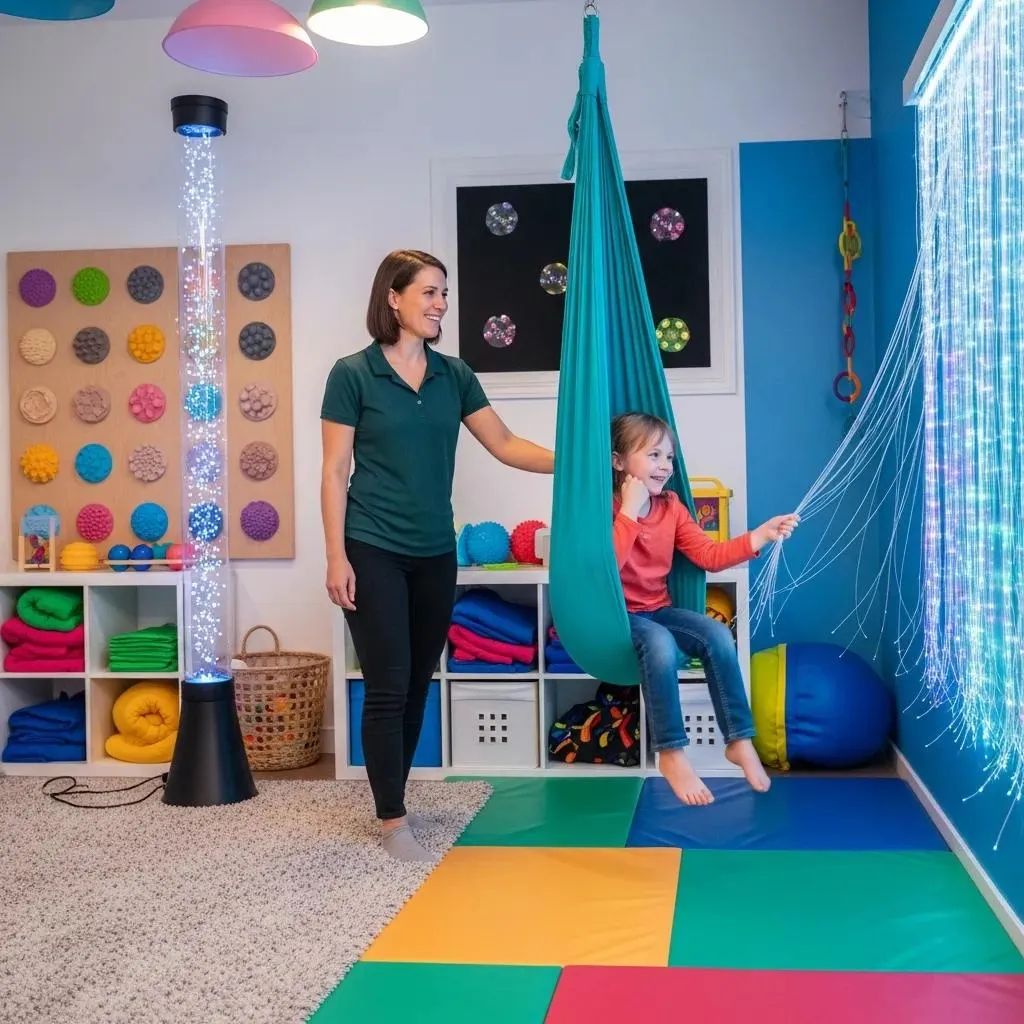
Children engaging in play-based activities to develop fine and gross motor skills, including drawing, building with colorful blocks, and climbing on play equipment in a therapy setting.

Occupational therapists use a range of techniques to help kids improve both fine and gross motor abilities. Fine motor work trains the small muscles used for tasks like holding a pencil or manipulating buttons. Gross motor work builds balance, strength, and coordination for activities like running and jumping.

  • Fine Motor Skills Development Techniques: Activities such as drawing, cutting with scissors, stringing beads, and manipulating small toys strengthen hand control and precision.
  • Gross Motor Skills Development Techniques: Movement-based activities — climbing, skipping, ball play, and obstacle courses — build balance, coordination, and overall stamina.
  • Importance of Play-Based Activities: Making therapy playful keeps children engaged and motivated, so practice becomes meaningful rather than a chore.

What Are the Key Therapy Techniques Used for Motor Skills in Children?

Therapists combine evidence-based methods with child-led play to keep sessions motivating and effective. These approaches help children learn new skills in ways that feel natural and fun.

  • Child-led DIRFloortime: This play-following approach allows children to guide activities while the therapist supports their development, keeping them engaged and building skills through meaningful interaction.
  • Fine Motor Exercises: Targeted tasks like threading beads, using tweezers, or practicing handwriting improve hand strength, coordination, and control.
  • Sensory Integration Activities: Structured sensory experiences help children process touch, movement, and body awareness, which supports smoother coordination and motor planning.

Research suggests sensory integration programs can help improve motor skills, especially for children with developmental differences.

Sensory Integration Program for Motor Skills Development

Aim: This study checked how well sensory integration programs work for children with autism. Methods: Thirty-four children with autism, aged 40 to 65 months, took part. They were tested before and after treatment using the Peabody Developmental Motor Scale (PDMS-2) to see changes in motor skills. Each child had sensory integration sessions three times a week for six months.

Effectiveness of sensory integration program in motor skills in children with autism, AEA Karim, 2015

How to Recognize Signs of Motor Skill Delays in Your Child?

Spotting delays early gives your child the best chance to catch up. Watch for these common indicators:

  • Fine Motor Delays: Difficulty holding a pencil, using utensils, or managing buttons and zippers.
  • Gross Motor Delays: Late milestones like walking or running, or ongoing problems with balance and coordination.
  • General Signs of Delays: Avoiding tasks that require movement, frequent frustration, or clear gaps compared with peers.

What Are Common Signs of Fine Motor Skill Challenges?

Fine motor challenges show up in everyday tasks. Look for:

  • Difficulty with Precise Tasks: Struggling to button clothing, tie shoes, cut along lines, or write neatly.
  • Frustration or Avoidance: Refusing tasks that require small movements or getting upset easily during those activities.
  • Physical Signs: Awkward hand postures, dropping items often, or tiring quickly during fine-motor tasks.

How to Spot Gross Motor Skill Difficulties in Kids?

Gross motor delays affect how a child moves through the world. Watch for:

  • Delayed Milestones: Not sitting, crawling, or walking within expected age ranges.
  • Movement Problems: Difficulty running, jumping, climbing, or following movement-based tasks.
  • Posture and Walking Issues: Unusual gait, poor balance, or a consistently slumped or stiff posture.

Why Is Early Intervention Therapy Important for Children with Motor Skill Delays?

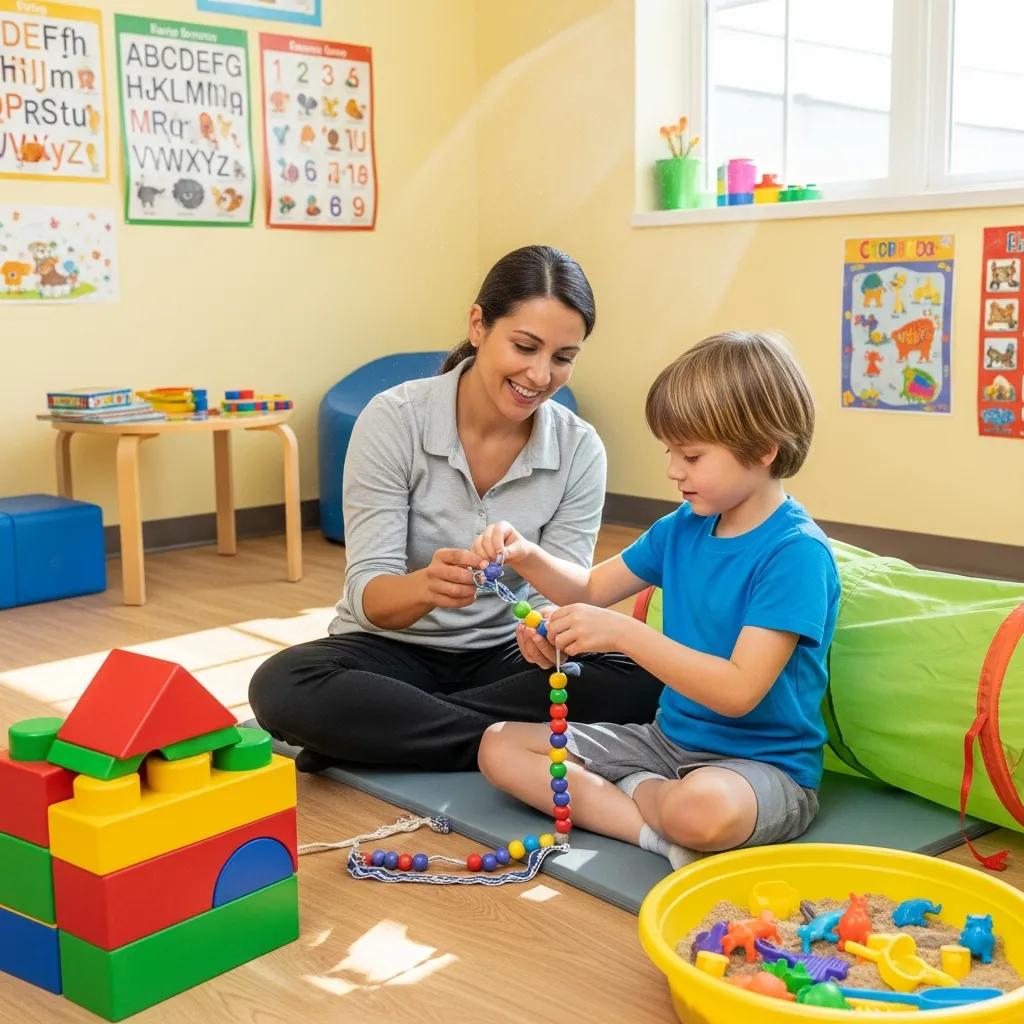
Mother and child engaging in a motor skills activity, collaborating on a colorful bead threading task to enhance fine motor development, highlighting the importance of early intervention therapy for children.

Early intervention leverages the flexibility of young brains and can accelerate progress. Key benefits include:

  • Brain Growth: Young children's brains are highly adaptable, so early therapy often leads to bigger, faster gains.
  • Preventing Secondary Delays: Timely support can reduce the likelihood of related problems in social skills, learning, or behavior.
  • Stronger Overall Development: Therapy supports motor skills and also boosts confidence, social participation, and cognitive skills.

What Are the Long-Term Benefits of Early Motor Skills Therapy?

Starting therapy early can help a child thrive as they grow. Long-term gains often include:

  • Better Physical Skills: Improved coordination, strength, and endurance over time.
  • More Independence: Greater ability to handle daily tasks like dressing, eating, and schoolwork independently.
  • School Readiness: Stronger motor skills support handwriting, playground play, and classroom participation.

How Does Early Therapy Help Children Reach Development Milestones?

Early therapy supports milestones across areas of development by:

  • Improving Communication: Better motor control supports gestures and nonverbal communication, which in turn supports language growth.
  • Boosting Coordination: Practice builds smoother, more confident movement for play and sports.
  • Supporting Families: Families feel more confident and less stressed when they have clear strategies and see progress.

How to Choose the Right Pediatric Motor Skills Therapist in Brandon, FL?

Choosing the right provider matters. Consider these factors when evaluating therapists:

  • Skills and Experience: Look for professionals trained in pediatric occupational therapy with experience supporting children.
  • Therapy Style: Make sure their approach — play-based, family-centered, or structured — fits your child's personality and your family's values.
  • Personalized Care: A strong therapist will tailor goals and activities to your child's specific strengths and needs.

What Qualifications Should a Pediatric Occupational Therapist Have?

When evaluating a therapist, check for:

  • Education and License: A degree in occupational therapy and a current Florida license are essential.
  • Experience with Kids: Experience working with children and knowledge of developmental milestones matter.
  • Extra Training: Certifications or additional training in pediatric approaches or sensory integration are a plus.

Where to Find Trusted Motor Skills Therapy Services in Brandon?

Families in Brandon can access local therapy at trusted clinics such as:

  • Skill Point Therapy: Located at 1463 Oakfield Drive, Suite #131, Brandon, FL 33511. They offer child-focused motor skills therapy tailored to each family.
  • Contact: Call (813) 491-8300 with questions or to schedule an appointment.

What Therapy Techniques and Exercises Work Best for Kids?

Effective therapy blends structured practice with playful, sensory-rich activities. Common approaches include:

  • Fine Motor Exercises: Drawing, cutting, pegboards, and small-object play build hand skills and precision.
  • Sensory Integration Activities: Movement, tactile, and proprioceptive experiences help children regulate and coordinate their bodies.
  • Play-Based Activities: Games, imaginative play, and meaningful tasks make practice enjoyable and functional.

Which Fine Motor Exercises Help Hand Coordination?

Simple, engaging activities at home can reinforce therapy goals. Try:

  • Sticker Activities: Peeling and placing stickers improves control and fingertip strength.
  • Gardening Tasks: Scooping, planting, and watering help hand strength and bilateral coordination.
  • Coin Sorting: Sorting coins by size or color improves dexterity and attention to detail.

What Gross Motor Exercises Help Balance and Coordination?

Gross motor play builds core strength and balance. Useful activities include:

  • Balance Exercises: Standing on one foot, walking heel-to-toe, or balancing on low beams improves stability.
  • Trampoline Activities: Supervised trampoline play strengthens legs and improves body awareness.
  • Obstacle Courses: Simple indoor or outdoor courses help with sequencing, planning, and coordination.

What Resources Help Parents of Children in Motor Skills Therapy?

Families can use several supports to reinforce progress between sessions:

  • Parent Coaching: Therapists can teach caregivers simple, effective activities to practice at home.
  • Goal-Setting: Clear, measurable goals help families track progress and stay focused.
  • Flexible Options: Many clinics offer teletherapy, home programs, or hybrid visits to fit family needs.

How Can Parents Help Therapy Progress at Home?

Parents play a central role in steady progress. Helpful practices include:

  • Regular Practice: Short, frequent practice sessions work better than occasional long ones.
  • Good Communication: Keep an open line with the therapist to review goals and strategies.
  • Positive Environment: Encourage effort, celebrate small wins, and make practice playful.

What Are the Latest Facts About Pediatric Motor Skills Therapy?

Here are current, practical points to keep in mind:

  • How Common Are Delays? About 10–15% of children have motor skill delays.
  • New Therapy Methods: Teletherapy and technology-based tools are expanding access to services.
  • Early Help Works: Research continues to show that earlier intervention usually improves long-term outcomes.

How Common Are Motor Skill Delays in Brandon and Beyond?

Motor skill delays are seen across communities. Key factors include:

  • Prevalence: Around 10–15% of children nationally show delays, and Brandon reflects similar trends.
  • Factors: Socioeconomic factors and access to care influence identification and treatment rates.
  • Awareness: Increased awareness helps families seek assessment and support sooner.

What New Therapy Advances Help Children?

Innovations in pediatric therapy emphasize whole-child care and family involvement:

  • Whole-Person Care: Integrating physical, emotional, and social goals gives more comprehensive results.
  • Proven Methods: Evidence-based interventions and outcome tracking improve therapy effectiveness.
  • Family Involvement: When families are active partners, children tend to make faster, more meaningful gains.

How Does Skill Point Therapy Help Kids in Brandon, FL?

Skill Point Therapy provides targeted motor skills services for children in Brandon. Their programs typically include:

  • DIRFloortime: Child-led play that builds motivation while supporting developmental goals.
  • Sensory Integration: Activities designed to help children process sensory input and move more confidently.
  • Therapeutic Listening: Structured auditory programs that use music and sound to support motor planning and attention.

What Unique Methods Does Skill Point Therapy Use?

Skill Point Therapy blends proven techniques to keep therapy engaging and family-centered:

  • Child-led DIRFloortime: Letting the child lead supports engagement and meaningful skill practice.
  • Play-Based Therapy: Play is central, so children learn through activities they enjoy.
  • Family Collaboration: Therapists coach families to continue progress outside the clinic.

How to Book a Session with Skill Point Therapy?

Getting started is straightforward. Typical steps include:

  • Initial Consultation: Call to schedule a meeting and share your concerns so the team can learn about your child.
  • Full Evaluation: A comprehensive assessment helps identify strengths and areas for targeted improvement.
  • Therapy Plan: The therapist develops a customized plan and shares recommended session frequency. For more information or to contact the office, visit their website.

Frequently Asked Questions

What tests check motor skills in children?

Therapists commonly use standardized tools such as the Peabody Developmental Motor Scale (PDMS-2), along with observations of functional tasks and screening measures, to develop an informed therapy plan.

How often should kids go to therapy?

Most children attend therapy 1–3 times per week, depending on needs. Children with more significant delays may require more frequent visits. Your therapist will recommend a schedule based on goals and progress.

What happens in a therapy session?

Sessions are playful and purposeful. A therapist will warm up, guide the child through activities that target goals, and coach caregivers on carryover strategies. Progress is monitored,d and plans are adjusted as needed.

Where can parents learn more about motor skills?

Trusted resources include the American Occupational Therapy Association (AOTA) and the Centers for Disease Control and Prevention (CDC). Clinics and community centers may also offer workshops and parent groups.

How can technology help motor skills therapy?

Apps, interactive games, and emerging tools like VR/AR can make practice motivating and safe. Therapists can recommend age-appropriate technology that supports specific goals.

What should parents do if their child loses motor skills?

If your child regresses, contact your pediatrician or therapist promptly. Changes in health, routine, or stress can affect skills, and the therapy plan may need to be updated to address the underlying cause.

When should kids start motor skills therapy?

Therapy can begin in infancy when indicated. Early support is often most effective — if you notice delays in crawling, walking, or grasping, speak with your pediatrician about a referral.

How can parents track progress in therapy?

Stay engaged with the therapist, keep a log of skills and behaviors, and set measurable short-term goals. Regular check-ins help ensure the plan stays on track and evolves with your child.

What activities can parents do at home to help?

Play-based activities like building with blocks, drawing, puzzles, jumping, dancing, and catch all reinforce motor skills and make practice fun for kids.

What should parents do if they think their child has delays?

Talk with your pediatrician or a pediatric occupational therapist. They can evaluate your child and recommend the right supports. Early action gives your child the best chance to improve.

Can therapy help with social skills, too?

Yes. Many motor-focused activities are done in group or play contexts, which support turn-taking, sharing, and communication. Building confidence in movement often translates to greater social participation.

What role do parents have in therapy?

Parents are essential partners — practicing skills at home, communicating with the therapist, and reinforcing goalshelps children generalize progress across settings.

How do I know if therapy is working?

Look for steady improvements in coordination, strength, and independence with daily tasks. Your therapist will provide progress updates and adjust goals as your child achieves milestones.

Conclusion

Motor skills therapy gives children targeted tools to overcome developmental delays. With early recognition, individualized plans, and family involvement, many children make meaningful gains. If you’re seeing signs of motor delays, reach out to a qualified therapist in Brandon, FL, and start a plan that supports your child’s growth and confidence today.

1

Get Started Today!

I want to know more about