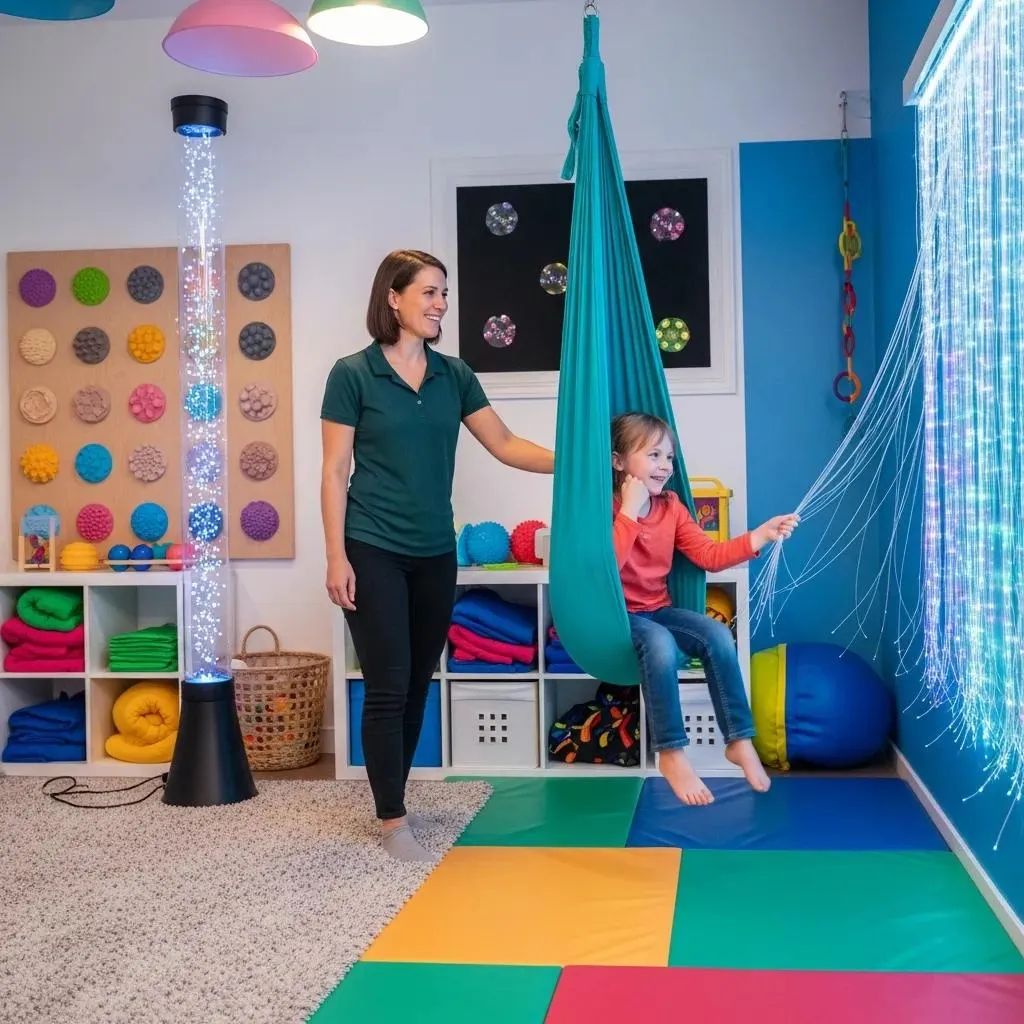

Recognizing when a child start occupational therapy can make a big difference in their growth, confidence, and daily skills. Signs to watch for include trouble with fine motor skills, such as holding a pencil, difficulty with sensory processing, or challenges in social interaction. Children with autism, ADHD, speech delays, or developmental delays often benefit most from early intervention.
Children may also show delays in self-care, like dressing or feeding themselves, or have trouble following routines at school or home. Studies show that children who start occupational therapy before age five are more likely to meet developmental milestones on time. In Tampa and Brandon, DIRFloortime is especially effective with younger children, helping them engage emotionally while developing essential skills.
If you notice your child struggling with clumsiness, sensory sensitivity, or difficulty focusing, it’s a good idea to explore occupational therapy options. Early intervention fosters independence, boosts confidence, and supports daily life skills like writing, playing, and interacting with others. Connecting with local pediatric therapists can provide families with guidance, support, and a personalized plan to help children thrive.
Key Takeaways
- Monitor developmental milestones; delays in social, language, or physical skills may indicate a need for occupational therapy intervention.
- Watch for sensory integration challenges, such as discomfort with textures or overreacting to sensory stimuli in toddlers and preschoolers.
- Identify fine motor skill delays, like difficulty managing small objects or handwriting, which can affect academic performance in school-aged children.
- Recognize difficulties with self-care, poor posture, and clumsiness; these can indicate gross motor deficits warranting professional evaluation.
- Seek early intervention if your child frequently struggles with emotional regulation or has overwhelming reactions to environmental changes.
Early Developmental Milestones to Monitor
How can parents and caregivers guarantee their child’s healthy development during the essential early years? By engaging in developmental tracking through a thorough milestone checklist, they can monitor key social, affective, language, cognitive, and physical milestones. For instance, during the initial few months, infants begin to smile and self-soothe.
As they grow into toddlers, they start to show a preference for familiar faces and enjoy interactive play with peers. By the age of four or five, children increasingly express feelings, engage in imaginative play, and understand basic rules while showing empathy. This anticipatory approach allows caregivers to support their child’s growth and seek assistance when needed, ensuring a solid foundation for future development and learning.
Furthermore, using the CDC milestone tracker app can provide parents with valuable insights into their child’s progress and help identify any areas needing attention. Early identification of Sensory Processing Disorders is essential as it enables prompt intervention with tailored treatment plans, improving quality of life and coping strategies.
Signs in Toddler to Preschool Age Indicating Need for Therapy
Monitoring developmental milestones in early childhood is vital for ensuring a strong foundation for future growth, yet some children may exhibit signs that indicate a need for further support. Indicators such as discomfort with textures, overreacting to sensory stimuli, or avoidance of messy play may suggest challenges with sensory integration. Furthermore, delays in fine motor skills can manifest through difficulty using both hands in play, managing small objects, or completing self-care tasks.
Coordination issues may manifest as poor balance or atypical sitting postures, while social and psychological difficulties can include avoiding eye contact and having trouble regulating feelings. Recognizing these signs can prompt timely occupational therapy intervention, fostering critical skills for children’s daily activities. Additionally, understanding sensory modulation techniques can be beneficial for addressing these challenges effectively.
Indicators for School-Aged Children Requiring Occupational Therapy

As school-aged children navigate an increasingly complex environment, subtle challenges may arise that indicate a need for occupational therapy (OT). Indicators such as difficulty with fine motor tasks—like handwriting or zipping jackets—can suggest developmental delays. Sensory processing issues, including over- or under-responsiveness to stimuli, may hinder classroom participation and social engagement.
Visual perception challenges can affect a child’s ability to copy shapes or focus on tasks, while gross motor deficits may manifest as clumsiness or poor posture. Additionally, struggles with self-help and functional independence, such as dressing or managing individual care, impact school readiness. Recognizing these behavioral signs and therapy indicators can lead to essential support for children’s growth and success.
Early intervention in OT can lead to significant improvements in a child’s development and overall wellbeing. Understanding the full range of sensory integration processes helps inform effective strategies that can further assist children in overcoming these challenges.
Functional and Daily Life Signs to Observe
What signs indicate that a child may be struggling with functional daily tasks? Parents and caregivers should observe challenges related to self-care, such as difficulties dressing independently or managing grooming routines. If a child struggles with feeding themselves or shows strong resistance to hygiene practices, this may impact their functional independence.
Fine motor skill challenges, like holding a pencil or manipulating small objects, can affect both play and academic tasks.
Sensory processing issues may lead to overwhelming reactions to textures and environments, influencing daily routines.
Furthermore, difficulties in psychological and behavioral regulation, such as frequent meltdowns and trouble managing changes, can hinder a child’s ability to navigate their day-to-day life effectively. Recognizing these signs can facilitate timely support through occupational therapy. Additionally, difficulty with self-help skills may contribute to feelings of frustration for both the child and their caregivers, underscoring the importance of early intervention.
Children with SPD often exhibit inappropriate responses to sensory input, which can further complicate their daily functioning.
Recognizing Developmental Delays and Behavioral Indicators

Recognizing developmental delays in children is essential for timely intervention and support. Key behavioral indicators, alongside milestone monitoring, can help caregivers understand a child’s distinctive needs, guiding them toward appropriate community resources. This forward-thinking strategy fosters a nurturing environment where children can thrive and reach their full potential.
Being aware of signs such as delayed physical milestones can significantly enhance the ability to seek early help. Additionally, understanding sensory processing challenges can provide valuable insights into a child’s responses and behaviors, further informing intervention strategies.
Milestone Monitoring Importance
While each child develops at their own pace, monitoring developmental milestones plays a crucial role in identifying potential delays and behavioral indicators. Milestone tracking in areas such as fine motor, gross motor, visual motor, and self-care skills enables parents to celebrate their child’s achievements while remaining vigilant for unusual development. Utilizing assessment tools, occupational therapists evaluate skills through engaging tasks, providing valuable insights into a child’s developmental progress.
By understanding developmental guidelines, parents can obtain early intervention when necessary, improving outcomes for their children. This anticipatory strategy not only fosters growth but also enhances the child’s quality of life, paving the way for greater independence and social interactions as they grow. Notably, occupational therapy milestones can help parents better understand the skills their child should be developing at each stage, guiding them in recognizing when support is needed.
Engaging in sensory play can also enhance a child’s developmental progress by promoting emotional regulation and social bonding.
Key Behavioral Indicators
Understanding developmental milestones goes hand in hand with recognizing key behavioral indicators that may signal delays. Children exhibiting difficulties in fine motor skills, such as struggling with scissors or handwriting, might be experiencing developmental delays. Furthermore, children facing sensory challenges may react atypically to sensory stimuli, showing behaviors like constant movement or difficulty sitting still.
Constant movement may indicate low muscle tone or a need for sensory input, which is another crucial factor to consider when observing these indicators. It is essential to recognize that sensory dysregulation can manifest as mood swings and coordination issues, further complicating a child’s development. Observing these indicators helps caregivers support children who may benefit from occupational therapy, aiming to provide the necessary tools for improved functionality and overall wellbeing.
Early identification leads to tailored interventions that can positively impact a child’s development and daily living skills.
Community Resources Available
Identifying developmental delays and behavioral indicators can be intimidating for parents and caregivers, yet numerous community resources are available to provide essential support. In Tampa and Brandon, specialized pediatric OT clinics offer personal and group sessions tailored to diverse developmental needs. Moreover, multidisciplinary centers combine occupational therapy with speech and physical therapy, ensuring thorough care.
Local community workshops and nonprofit organizations frequently host developmental screenings and support groups, fostering a network of resources for families. State-of-the-art facilities in these clinics foster innovation in therapeutic settings, enhancing the effectiveness of the interventions provided. Schools and early childhood centers may have occupational therapists or access to therapy networks that facilitate referrals.
In addition, teletherapy services improve accessibility for those facing logistical challenges, ensuring that every child receives the necessary support to thrive. Understanding sensory processing difficulties can further guide parents in recognizing when professional intervention may be needed.
Importance of Early Intervention in Tampa & Brandon

Early intervention is essential in fostering developmental milestones in children, especially in Tampa and Brandon, where resources are available to support families. By accessing local programs and community resources, families can adopt collaborative intervention strategies that improve their child’s growth and learning. Understanding the importance of timely support not only benefits separate children but also strengthens family dynamics and community connections.
Additionally, play-based therapy has been shown to enhance cognitive and emotional growth, making it a valuable option for early intervention.
Developmental Milestones Awareness
Developmental milestones play a crucial role in evaluating children’s growth and readiness for the challenges of life. Parents and caregivers should engage in consistent developmental tracking to identify any significant delays against milestone expectations. Recognizing these indicators can facilitate timely interventions. Key milestones to watch for include:
- Fine Motor Skills: Grasping small objects and transferring toys between hands.
- Gross Motor Skills: Rolling, crawling, and walking with support.
- Sensory Regulation: Responding to sounds and enjoying movement activities.
- Cognitive Skills: Imitating gestures and purposeful play.
Accessing Local Resources
Access to local resources for early intervention in Tampa and Brandon is essential for families seeking to support their children’s growth and development. Early intervention services, including occupational therapy, are provided through a well-structured framework that aligns with federal standards, making them accessible to families in need.
| Local Services | Eligibility Criteria |
|---|---|
| Early Intervention Programs | Under the age of 3 |
| Multidisciplinary Evaluations | Delays in daily living activities |
| Family-Centered Care | Assessment needed for fine motor skills |
| Integration in Natural Settings | Strategies for sensory processing challenges |
These local services enable families by providing the support needed to foster a nurturing environment for their child’s development, ensuring that assistance is delivered effectively and compassionately.
Collaborative Intervention Strategies
A considerable body of research highlights the groundbreaking impact of collaborative intervention strategies on young children in Tampa and Brandon, especially those facing developmental challenges. These strategies emphasize the importance of family engagement and therapy consistency in maximizing therapeutic outcomes. Effective interventions include:
- Family-Centered Care: Engaging families to reinforce skills at home improves progress.
- Therapist Education: Coaching parents enables them to support their child’s development consistently.
- Ongoing Communication: Maintaining regular contact between therapists and families guarantees tailored interventions.
- Community Integration: Collaborative efforts promote social participation, easing the shift into broader environments.
Community Resources for Pediatric Occupational Therapy Services

Numerous community resources in the Tampa and Brandon areas can help families support children who may benefit from occupational therapy. Skilled therapists often use collaborative, play-based approaches to address each child’s unique needs. Families searching for “occupational therapy near me“ can find therapy centers and organizations that guide service options and insurance benefits.
Workshops and informational events offer practical strategies for supporting development at home. These resources give parents and caregivers the tools, knowledge, and support they need to advocate for their child’s growth. By tapping into these community supports, families can help children thrive and reach their full potential.
How Families Can Collaborate With Schools and Therapists
Collaboration among families, schools, and therapists plays a pivotal role in optimizing occupational therapy for children. Engaging stakeholders effectively requires intentional communication strategies and active family involvement. Families can improve collaboration by:
- Establishing Regular Communication: Schedule consistent meetings, utilize emails, and phone calls to share updates on the child’s progress and needs.
- Participating in Goal Setting: Involve family perspectives in the creation of personalized goals that reflect their priorities and cultural contexts.
- Building Trust: Foster open dialogues to accommodate complex family dynamics and varied backgrounds.
- Navigating Institutional Policies: Utilize support from school leadership to guarantee all stakeholders are aligned and informed.
Frequently Asked Questions
When Should a Child Start Occupational Therapy?
A child should start occupational therapy as soon as developmental concerns are noticed, rather than waiting for delays to become more pronounced. Early intervention allows therapists to implement strategies that maximize skill growth and improve daily functioning.
How Can Occupational Therapy Help My Child Adapt to School Challenges?
Occupational therapy helps children develop skills needed for classroom success, including fine motor coordination, attention, and sensory regulation. By addressing these areas early, children gain confidence and perform more independently in school activities.
What Age Is Best to Start Occupational Therapy for My Child?
The ideal age to start occupational therapy is as early as possible, particularly when developmental milestones are missed. Early intervention improves growth potential, fostering crucial skills in motor function, sensory processing, and daily activities in children.
How Long Does Occupational Therapy Typically Last?
Occupational therapy typically lasts 3 to 12 months, influenced by duration factors such as personal needs and therapy frequency, which averages 3.4 sessions per week, ensuring tailored support for each child’s progress and development.
What Can I Expect During an Occupational Therapy Session?
During an occupational therapy session, participants can expect a structured environment where therapy techniques foster skill development. Sessions typically involve interactive activities, progress monitoring, and adaptive strategies, all designed to improve independence and functional performance.
Will My Child Experience Discomfort During Therapy Activities?
Children may experience therapy discomfort, potentially heightening their anxiety. However, with tailored interventions and gradual exposure techniques, therapists can mitigate distress, foster trust, and ultimately enable the child to enhance their experience and participation in occupational therapy sessions.
How Can I Support My Child’s Therapy Progress at Home?
To support therapy progress at home, parents can engage in meaningful home activities, fostering involvement by integrating skill-building tasks into daily routines. Encouragement and participation create a nurturing environment essential for enhancing the child’s developmental path.
Conclusion
Understanding when a child starts occupational therapy is key to helping them reach their full potential. Just like a gardener carefully waters and tends seedlings, children thrive when they get the proper support at the right time. Parents in Tampa and Brandon can make a real difference by noticing early signs of developmental delays and seeking guidance from trained therapists.
Early intervention helps children improve skills in areas like sensory processing, motor coordination, and social interaction. Whether your child is showing signs of ADHD, autism, speech delays, or struggles with daily tasks, starting therapy sooner often leads to better outcomes. DIRFloortime and other personalized approaches can make learning and growth engaging and effective for young children.
Families don’t have to navigate this journey alone—Skill Point Therapy is here to help. If you have questions or concerns about your child’s development, reach out to our Tampa or Brandon offices. Our caring team can provide guidance, answer your questions, and create a plan that supports your child’s growth every step of the way.
References
- https://www.triumphtherapeutics.com/important-occupational-therapy-milestones-for-your-childs-development/
- https://aimtherapy.com.au/about/referral-guidelines/occupational-therapy-referral-guidelines/8-12-year-olds/
- https://summittherapytx.com/does-my-child-need-occupational-therapy-5-signs-to-look-for/
- https://littlefeettherapy.com/6-signs-your-child-could-benefit-from-occupational-therapy/
- https://synapticpediatrictherapies.com/occupational-milestones/
- https://healthcare.utah.edu/life-skills-clinic/does-my-child-need-occupational-therapy
- https://www.luriechildrens.org/en/specialties-conditions/pediatric-occupational-therapy/developmental-milestones/self-care-skills/
- https://www.illinoiscaresforkids.org/preschool-en/child-development/milestones-by-year
- https://vlc.nccommunitycolleges.edu/storyline/EDU234-May2019/M2-documents/Developmental_checklists_Updated2012.pdf
- https://www.cdc.gov/ncbddd/actearly/pdf/ltsae-checklist_compliant_30mcorrection_508.pdf