
Occupational Therapy for Infants and Toddlers: Early Intervention Benefits and Services for Development
Are you wondering what infant occupational therapy is and how it can help your little one? Early intervention occupational therapy is a special kind of therapy for babies and toddlers. It uses fun, play-based activities to help them learn important skills like moving, feeling calm, eating, and playing with others.
At Skill Point Therapy, we work with infants and toddlers at both our Tampa and Brandon, FL, locations. We use proven methods like sensory integration and DIRFloortime to help your child grow. This article explains how occupational therapy supports your baby’s brain and body development. You will also learn when to look for signs that your child might need help, what happens during an evaluation, and how therapy goals are set. We want to answer your questions, like how OT can OT help my baby and what an infant OT does. Keep reading for easy checklists and clear advice on finding the right support.
What is Early Intervention Occupational Therapy for Infants and Toddlers?
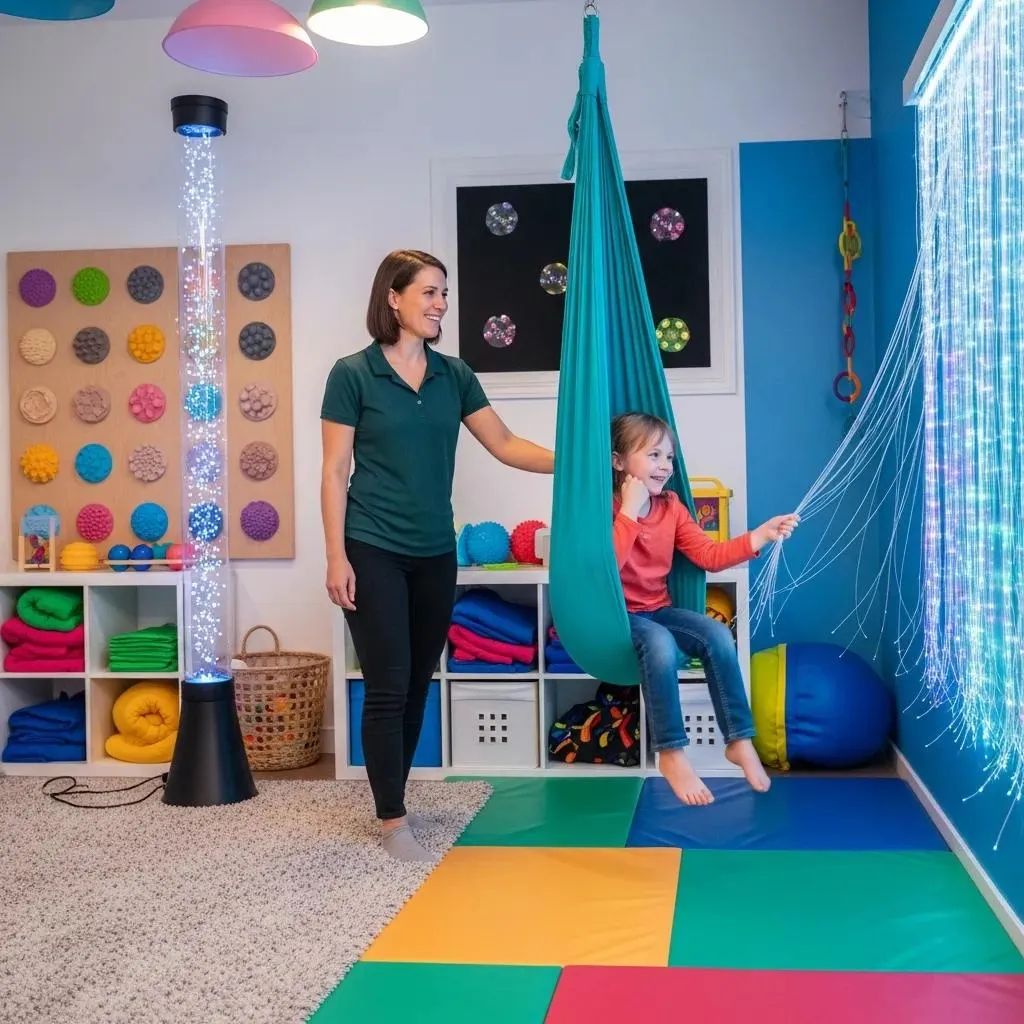
What is infant occupational therapy? It is a type of therapy that helps babies and toddlers learn the skills they need to explore, play, and take care of themselves. Therapists use fun, repeated play and sensory activities to help your child’s brain build new connections. This helps with moving, feeling calm, eating, and playing with others. The goal is to help your child join in daily activities and become more independent.
At Skill Point Therapy, we offer these services for infants and toddlers at both our Tampa and Brandon locations. Our therapists focus on helping your child in these key areas:
- Fine motor skills: Learning to use hands and fingers for things like holding toys, feeding, and later writing.
- Gross motor skills: Building strength and control for head movement, rolling, sitting, crawling, and walking.
- Sensory processing and regulation: Helping your child feel calm and organized when they touch, hear, or move.
- Feeding and oral motor skills: Improving sucking, swallowing, and trying new food textures.
- Social-emotional and play skills: Learning to pay attention to others, take turns, and enjoy playtime.
These skills all work together. For example, feeling calm helps your child learn to move better, and moving well helps them play and eat more easily.
How does pediatric occupational therapy support infant and toddler development?

Therapists watch your child play and do daily activities to see what is hard for them. Then they plan small, fun steps to help your child practice and improve. For example, tummy time helps build neck and body strength. Playing with blocks helps improve hand skills. Calming activities help your child feel less upset during changes. Therapists make sure the activities are just right—not too easy or too hard—so your child learns and feels good.
Therapists also track your child’s progress through specialized tests and everyday observations. This helps them change the plan as your child grows. They also teach parents how to help at home and in daycare. This way, your child can practice skills in real life. If you ask, ” Where can I find infant OT near me, Skill Point Therapy offers expert care at both our Tampa and Brandon clinics.
Which developmental areas does early intervention OT address?
Early intervention OT helps your child in many important areas. Fine motor skills help with holding toys, feeding, and getting ready for school. Gross motor skills help your child move around and explore. Sensory skills help your child stay calm and focused. Feeding skills make sure your child eats safely and tries new foods. Social and play skills help your child connect with others and enjoy playtime.
Improving one skill often helps others. For example, better body control helps your child use their hands more easily. Feeling calm helps your child try new foods and play with friends. Our therapists work with families to make plans that fit your child’s needs and daily life.
Why is Early Intervention Critical for Infant and Toddler Development?
Early intervention is very important because your child’s brain is growing fast in the first years. This is the best time to help your child learn new skills. Occupational therapy uses this time to help your child build strong brain connections. This can prevent bigger problems later and help your child get ready for preschool and school.
Early therapy has many benefits:
- Better brain learning: Therapy uses the brain’s natural ability to grow and change quickly in early years.
- Stops problems early: Fixing feeding or sensory issues early can prevent bigger challenges.
- Helps long-term success: Early skills help your child do better in school and daily life.
If you wonder how can OT help my baby, know that starting therapy early gives your child the best chance to develop strong skills.
How does neuroplasticity enhance therapy outcomes in early childhood?

Neuroplasticity means your child’s brain can change and grow by making new connections. When your child practices a skill, like reaching for a toy or trying new food, the brain gets stronger at that skill. This makes the skill easier and more natural over time. Early therapy uses this idea by giving your child many chances to practice in fun ways. This helps your child learn faster and better.
Understanding neuroplasticity helps families focus on building good habits through play and daily activities, rather than just fixing problems. This leads to better long-term results.
What are the long-term benefits of early occupational therapy intervention?
Early occupational therapy helps your child do better in many ways as they grow. They learn to move well, take care of themselves, and handle emotions. This helps them do well in school and make friends. Early therapy can also mean less need for extra help later. Families often feel more confident and less stressed when their child gets early support.
At Skill Point Therapy, we focus on helping your child join in daily life, not just on test scores. We work with families at both our Tampa and Brandon locations to make sure therapy fits your child’s needs and your family’s life.
What Comprehensive Pediatric Occupational Therapy Services Does Skill Point Therapy Offer?
Skill Point Therapy offers a range of pediatric occupational therapy services for infants and toddlers at both our Tampa and Brandon clinics. We use proven methods and work closely with families to make therapy easy to fit into your daily routine. We offer sessions in our clinics and through telehealth. Our goal is to help your child join in play, eat better, and build important life skills.
Here is a table that shows common services and what they focus on:
Each service helps with different needs. Our skilled therapists combine approaches to create a plan tailored to your child.
How does infant occupational therapy address feeding and sensory processing challenges?
We start with a full feeding and sensory check. We look at how your baby sucks, swallows, breathes, and reacts to touch and movement. Then, we use gentle steps to help your baby try new textures and build mouth strength. We also use calming sensory activities to help your baby feel ready to eat. Parents learn how to feed safely and calmly at home and in our clinics. We teach signs to watch for and work with your doctor if needed.
Our therapy is tailored to your baby’s age and health. We check progress often and adjust goals as your baby grows.
What toddler occupational therapy services support fine motor and social-emotional skills?
Toddler therapy uses play to help your child learn hand skills, self-care, and social skills. We practice stacking blocks, buttoning clothes, and early writing games. We also work on taking turns, paying attention, and managing feelings during play. We team up with preschools and help with school plans if needed. Parents get tips on practicing skills during meals and dressing, so learning happens every day.
We watch for milestones like using utensils, dressing, and playing with others. This helps us update goals and plan for school support.
Which Specialized Therapeutic Approaches Are Used in Early Intervention OT?
We use special methods to help your child in different ways. One key approach we use is DIRFloortime. This method helps your child build social and emotional skills through play. We also use sensory integration therapy to help your child better handle sights, sounds, and touch. Therapeutic listening helps with attention and calming. We pick the best methods for your child and combine them to meet all their needs.
These methods work together to help your child grow in many areas. At Skill Point Therapy, we use DIRFloortime as a key part of therapy for infants and toddlers at both our Tampa and Brandon locations.
What is DIRFloortime therapy, and how does it benefit young children?
DIRFloortime is a fun way to help your child connect with others. Therapists and parents join your child in their play and follow their lead. They gently encourage your child to use gestures, sounds, and problem-solving. This helps your child learn to share attention, express feelings, and think flexibly. For example, a therapist might copy your toddler’s play and then add new ideas to keep the game going. Parents learn how to use these strategies at home every day. DIRFloortime helps your child get ready to join in other therapy activities, such as feeding and motor skills.
How do sensory integration and therapeutic listening support developmental progress?
Sensory integration therapy provides your child with safe and fun ways to experience touch, movement, and sounds. This helps your child’s brain learn to handle these feelings better. It can reduce avoidance and help your child focus. Therapeutic listening uses special music and sounds to help your child calm down and pay attention. Both therapies help your child feel more comfortable and ready to learn new skills.
What Signs Indicate Your Infant or Toddler May Benefit from Early Occupational Therapy?

It is important to notice early signs that your child might need help. This way, you can get therapy before delays get bigger. Look for ongoing problems with moving, feeding, feeling calm, or playing with others that don’t match your child’s age. An occupational therapy evaluation includes talking with you, watching your child play, and using tests if needed. Together, you and the therapist set goals that matter most to your family.
Here is a checklist to help you decide if your child needs an evaluation:
- Delayed motor milestones: Trouble rolling, sitting, crawling, or holding head steady.
- Feeding challenges: Refusing textures, slow eating, or weak mouth skills.
- Strong sensory reactions: Overreacting or not reacting to touch, sound, or movement.
- Limited fine motor skills: Difficulty holding small objects or using utensils.
- Poor social interaction: Little eye contact, not responding to name, or low interest in play.
- Self-care delays: Trouble with dressing, toileting, signs, or feeding independently.
If you see these signs, talk to your pediatrician about a developmental check. If needed, ask for a referral to occupational therapy. Skill Point Therapy offers evaluations and therapy at both our Tampa and Brandon clinics, and we also provide telehealth sessions. We work with families to set goals that fit your child’s daily life.
How can parents recognize developmental delays and sensory processing issues?
Parents can watch their child’s milestones and daily reactions. For example, a baby who avoids tummy time or a toddler who gags at most foods might need help. It’s normal for kids to be fussy sometimes, but if problems happen often and affect daily life, it’s time to ask for support. Using milestone checklists and talking with your doctor can help you decide when to get an evaluation.
Sharing notes about your child’s behavior at home and at daycare helps therapists develop an effective plan. This teamwork makes therapy more effective and family-friendly.
When should educators and caregivers refer children for OT evaluation?
Teachers and caregivers should suggest an OT evaluation if a child struggles with daily tasks compared to peers. Signs include trouble using classroom tools, frequent upset during changes, or difficulty with feeding at school. When making a referral, sharing details about what works and what doesn’t helps the therapist focus the evaluation. Working together with families and doctors ensures the child receives the right support at school and at home.
How Does Skill Point Therapy Provide Compassionate, Personalized Early Intervention Care?
Skill Point Therapy offers caring, personalized occupational therapy for infants and toddlers at both our Tampa and Brandon locations. We focus on what your family needs and keep communication clear. We coach parents so you can help your child practice skills every day. We offer therapy in our clinics and through telehealth, making it easier for families to get care.
Our approach includes:
- Working together on goals: We set goals with families that focus on daily activities that matter most.
- Flexible therapy options: Clinic visits and telehealth sessions to fit your schedule.
- Clear communication: Regular updates and teamwork with schools and other providers.
This way, therapy fits your family’s life and helps your child make real progress.
What makes Skill Point Therapy’s treatment plans tailored to each child’s needs?
We start with a full evaluation that includes watching your child, talking with you, and using tests if needed. Then we set clear, measurable goals aligned with your family’s priorities. We choose therapy methods that fit your child’s needs and learning style. We check progress often and adjust the plan as your child grows. This teamwork makes sure therapy stays helpful and doable for your family.
How does family involvement and communication enhance therapy success?
Families play a big role in therapy success. We teach parents how to help with feeding, play, and calming at home. We give simple home programs to practice skills every day. We keep in touch with progress updates and work with schools if needed. When parents feel confident and involved, children learn faster and use skills in real life.
Frequently Asked Questions
What age range does early intervention occupational therapy cover?
Early intervention occupational therapy typically covers infants and toddlers from birth to three years old. This period is crucial for brain development, and therapy during these early years can significantly impact a child’s growth and learning. The services are designed to address developmental delays and support skill acquisition in motor, sensory processing, and social-emotional domains. Parents are encouraged to seek evaluation and support as soon as they notice any concerns regarding their child’s development.
How can I prepare for my child’s occupational therapy evaluation?
Preparing for your child’s occupational therapy evaluation involves gathering relevant information about their development and daily routines. Bring any medical records, previous assessments, and a list of concerns or observations you have about your child’s behavior and skills. It can also be helpful to note specific situations where your child struggles, such as during play or mealtime. This information will help the therapist understand your child’s needs and tailor the therapy plan accordingly.
What role do parents play in their child’s occupational therapy?
Parents play a vital role in their child’s occupational therapy by actively participating in sessions and reinforcing skills at home. Therapists provide guidance on incorporating therapeutic activities into daily routines, making practice more fun and engaging. Regular communication between parents and therapists ensures that everyone is aligned on goals and progress. When parents are involved, children are more likely to succeed in developing the skills they need for everyday life.
Are there any specific signs that indicate a need for occupational therapy?
Yes, several signs may indicate that a child could benefit from occupational therapy. These include delayed motor milestones, difficulties with feeding or self-care tasks, strong sensory reactions, and challenges in social interactions. If a child consistently struggles with activities that are typical for their age, it may be time to seek an evaluation. Early identification and intervention can lead to better outcomes and help prevent further developmental issues.
What can I expect during an occupational therapy session for my child?
During an occupational therapy session, you can expect a mix of play-based activities tailored to your child’s needs. The therapist will engage your child in fun tasks that promote skill development, such as using toys to enhance fine motor skills or participating in games that encourage social interaction. The therapist will also observe your child’s behavior and progress, adjusting activities as needed. Parents are often encouraged to participate in learning strategies to support their child’s development at home.
How do telehealth services work for occupational therapy?
Telehealth services for occupational therapy allow families to access therapy remotely via video conferencing. This option is particularly beneficial for those who may have difficulty traveling to a clinic. During a telehealth session, therapists guide parents and children through activities that can be done at home, providing real-time feedback and support. This approach ensures continuity of care and allows families to practice skills in their everyday environment, making therapy more accessible and convenient.
What should I do if I have concerns about my child’s progress in therapy?
If you have concerns about your child’s progress in therapy, it’s important to communicate openly with the therapist. Could you schedule a meeting to discuss your observations and any specific challenges you are noticing? The therapist can provide insights into your child’s development and may adjust the therapy plan as needed. Collaboration between parents and therapists is key to ensuring that the therapy remains effective and aligned with your child’s evolving needs.
Conclusion
Early intervention occupational therapy helps infants and toddlers build important skills for moving, feeling calm, eating, and playing. This therapy uses the brain’s natural ability to grow and change in early years. Families who notice delays should seek an evaluation soon. Skill Point Therapy offers expert care for infants and toddlers at both our Tampa and Brandon locations. We use proven methods like DIRFloortime and sensory integration to help your child grow. If you ask, “Where can I find infant OT near me?” we are here to support your family’s journey. Please reach out to us today to learn more about how we can help your child thrive.