Helping Kids Cope with Stress and Worries: Effective Child Anxiety Coping Skills and Pediatric Occupational Therapy
Childhood stress and anxiety are common emotional responses to change, expectation, and sensory overload, and they can affect behavior, sleep, and learning. This article explains what stress and anxiety look like at different ages, why these responses happen (sensory, developmental, and environmental mechanisms), and how practical coping skills plus pediatric occupational therapy can reduce physiological arousal and improve daily functioning. Parents and caregivers will learn to recognize early warning signs, apply age-appropriate coping strategies at home, and understand how occupational therapy builds emotional regulation and resilience through sensory integration, relational play, and family coaching. The piece maps symptoms and triggers, compares therapeutic approaches, provides step-by-step coping techniques parents can use immediately, and outlines when to seek a professional evaluation. Throughout, the content draws on current research trends (06/2024) about emotional regulation and sensory processing and points to local, community-based care options available in Tampa and Brandon, FL—helpful when a family decides to pursue evaluation or treatment.
What Are the Signs and Symptoms of Stress and Anxiety in Children?
Stress and anxiety in children commonly show up as a mix of physical, emotional, and behavioral symptoms driven by heightened physiological arousal and cognitive worry. Physically, children may report stomachaches, headaches, tense muscles, or changes in sleep and appetite, while emotionally, they may display irritability, tearfulness, or persistent worry that interferes with play. Behaviorally, watch for avoidance of school or social activities, increased clinginess, or regression to earlier behavior, such as bedwetting; these behaviors indicate that stress is affecting functioning. Recognizing the cluster of symptoms—and their persistence or impact on daily life—helps caregivers decide when teaching coping skills is enough and when professional evaluation is needed.
This list summarizes common signs so parents can scan for patterns and know which observations to monitor more closely.
- Physical complaints: Frequent stomachaches, headaches, or sleep disturbances without a medical cause.
- Emotional changes: Persistent worry, tearfulness, or mood swings beyond typical developmental phases.
- Behavioral shifts: School refusal, avoidance, clinginess, or regression in self-care.
- Cognitive signs: Difficulty concentrating, excessive worry about performance, or catastrophic thinking.
These signs often co-occur and become more concerning when they persist for weeks, worsen over time, or impair participation at school or home; tracking frequency and triggers supports an earlier, targeted response.
How Can You Recognize Child Anxiety and Stress Symptoms Early?

Early recognition relies on observing changes from achild’ss baseline and noting patterns across settings such as home, school, and social contexts, because symptoms often emerge subtly before becoming disruptive. Parents should compare current behavior and routines with prior functioning—sleep quality, appetite, play interest, and school engagement are sensitive early indicators—and check whether symptoms coincide with specific events, such as transitions, bullying, or health changes. Screening cues include new avoidance behaviors (e.g., refusing school or activities), increased somatic complaints with no medical explanation, and marked changes in attention or irritability lasting more than 2 weeks. Keeping a simple log of behaviors, times, and contexts helps caregivers and clinicians identify triggers and decide whether at-home strategies or professional support will be most effective.
Noticing early patterns allows families to introduce coping tools or ask for a professional evaluation before difficulties become entrenched, and that proactive approach supports better recovery and skill transfer.
What Common Triggers Cause Stress and Worries in Kids?
Children’s stress and worries usually stem from concrete situational triggers and developmental transitions that elevate arousal or overwhelm coping skills; common triggers include academic pressure, family change, sleep disruption, sensory overload, and social stress. School-related demands or performance expectations can amplify worry, especially when paired with perfectionistic tendencies. At the same time, family transitions such as moving, divorce, or a new sibling often produce insecurity and increased clinginess. Sleep deprivation and irregular routines magnify emotional reactivity and reduce self-regulation capacity, and excessive or dysregulated screen time can interfere with sleep, social learning, and attention. Social triggers like peer conflict, exclusion, or misunderstanding of social cues provoke anxiety in children who are still learning emotional regulation and perspective-taking.
Understanding which triggers are active helps tailor interventions—adjusting routines, simplifying expectations, or introducing sensory strategies—to reduce baseline arousal and build incremental coping capacity.
How Does Pediatric Occupational Therapy Help Manage Child Anxiety and Stress?

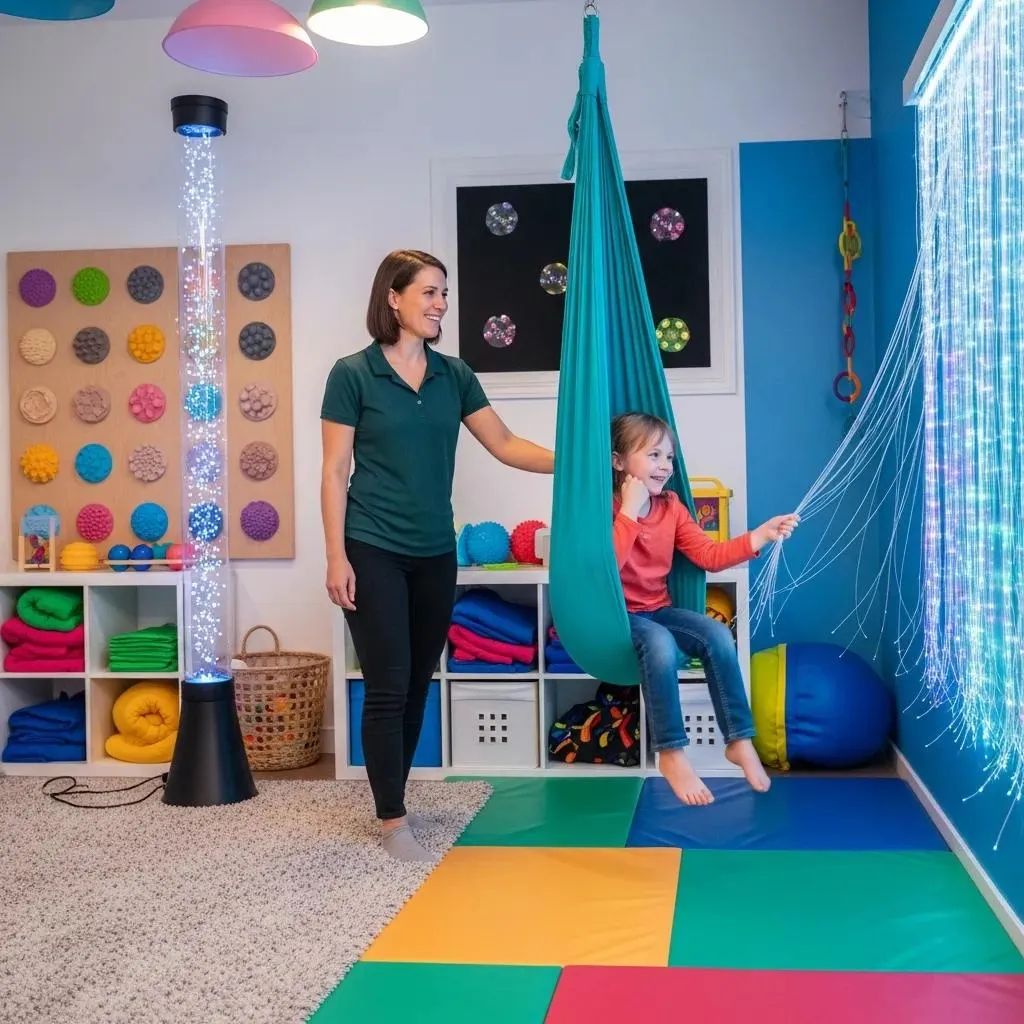
Pediatric occupational therapy (OT) approaches childhood anxiety and stress by targeting the functional ways that sensory processing, daily routines, and skill deficits influence emotional regulation and participation. OT works through mechanisms such as sensory integration to normalize arousal levels, activity-based skill building to increase coping repertoire, and environmental or routine modifications to reduce triggers and support success. The primary benefit is improved participation in daily activities—sleep, school, play—by teaching children self-regulation strategies, embedding calming sensory input, and coaching caregivers to generalize skills across settings. In practice, OT sessions blend playful, developmentally appropriate activities with targeted sensory experiences and family coaching so that regulation skills transfer from clinic sessions into home and school routines.
What Is Pediatric Occupational Therapy for Anxiety and Stress Management?
Pediatric OT for anxiety focuses on helping children manage physiological arousal, build adaptive routines, and develop coping skills that enable participation in everyday life rather than treating only thoughts or emotions. Therapists assess sensory processing patterns, daily routine barriers, and functional skills, then design play-based interventions—such as proprioceptive or vestibular activities, graded exposure tasks, and social participation exercises—that scaffold regulation and confidence. The goal is to reduce sensory triggers, increase tolerance for challenging situations, and train practical tools (breathing, grounding, sensory diets) that children can use independently or with caregiver prompts. Unlike some mental health therapies that focus primarily on cognitive or verbal processing, OT emphasizes embodied regulation—how movement, touch, and predictable routines shift nervous system states to enable learning and engagement.
This functional orientation makes OT especially effective for kids who present somatic symptoms or who struggle to apply verbal strategies without sensory-based supports and practice.
Which Therapeutic Modalities Support Emotional Regulation in Children?
Different OT-focused modalities address regulation through distinct mechanisms—sensory integration modifies arousal via targeted sensory input, DIRFloortime fosters relational regulation by following the child’s lead and building emotional connection, social skills groups practice coping in peer contexts, and parent coaching transfers strategies to daily life. The table below compares these approaches in terms of mechanism, typical session activities, and expected outcomes to help families choose which methods align with their child’s needs.
Before the table: this comparison highlights how each modality links a specific mechanism to practical changes in a child’s coping ability, making trade-offs clear for caregivers and clinicians.
Summarizing, combining modalities—sensory supports for immediate arousal control, relational play for emotional growth, peer practice for social coping, and caregiver coaching for generalization—yields the most robust, functional outcomes for children with stress and anxiety.
What Practical Coping Skills Can Parents Teach Children to Manage Stress and Worries?
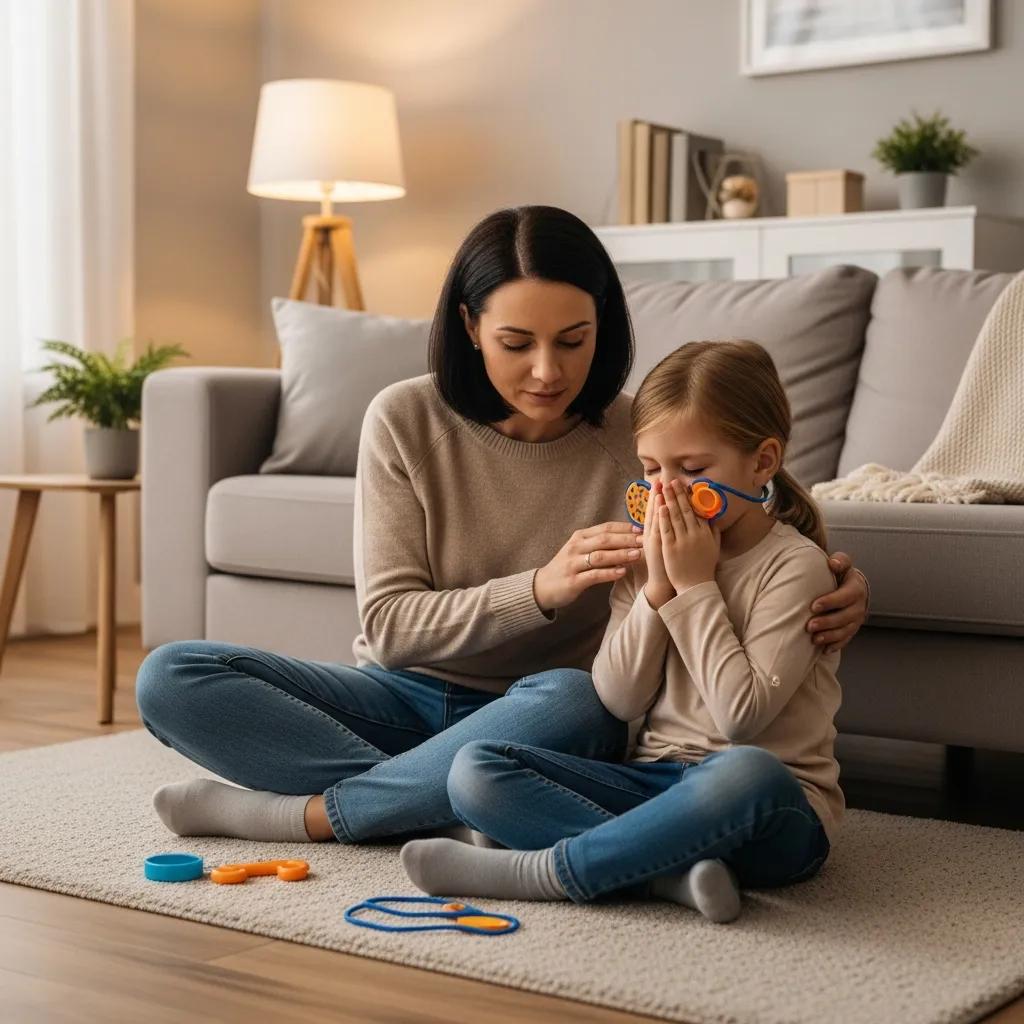
Parents can teach a range of age-appropriate, evidence-informed coping skills that reduce immediate distress and build long-term resilience, including breathing and grounding techniques, predictable routines, sensory-based calming strategies, and incremental exposure to feared situations. Teaching begins with simple, concrete steps—counted breathing, a five-step grounding routine, or a short sensory break—and progresses with practice, modelling, and reinforcement so that children use tools automatically when upset. Regular practice embedded in enjoyable activities (games, songs, or sensory play) increases skill retention and helps children associate regulation with success. Collaboration with schools and therapists ensures consistent cues and reinforcement across settings, accelerating skill generalization and reducing avoidance behaviors.
Which At-Home Coping Strategies Are Effective for Kids?
Below is a concise, age-matched table of at-home coping strategies showing when and how to use them so parents can quickly pick tools appropriate for their child’s developmental level.
These strategies become more effective with rehearsal, caregiver prompts, and gradual fading of support so children internalize self-regulation across contexts.
Here is a short numbered list of how-to steps for two core techniques parents can teach quickly.
- Deep belly breathing: Model slow breaths with your hand on your belly; count to four in, hold one, then four out. Practice together for one minute.
- 5-4-3-2-1 grounding: Guide the child to name 5 things they see, 4 they can touch, 3 they hear, 2 they smell, and 1 they taste or imagine; repeat as needed.
- Sensory break routine: Create a short sequence (10 jumping jacks, wall push, squeeze ball) and cue it before transitions or when signs of escalation appear.
A summary: consistent practice, caregiver modelling, and making tools fun increase the likelihood that children use them automatically when stressed.
How Can Building Resilience and Emotional Regulation Help Children Cope?
Building resilience entails scaffolding children’s capacity to tolerate stress through repeated, supported exposure to manageable challenges, caregiver modelling, and strengthening problem-solving skills that increase agency. Emotional regulation develops when kids learn to notice internal cues, apply a regulation tool, and experience that the tool reduces distress—this cycle reinforces coping efficacy and reduces avoidance. Parents scaffold by breaking down stressful tasks, celebrating small successes, and gradually increasing demands so competence grows without overwhelming the child. Occupational therapists support this process by designing graded activities, integrating sensory regulation into learning, and coaching families to maintain predictable routines and consistent responses that foster long-term resilience.
When resilience and regulation are intentionally cultivated, children gain a durable toolkit that supports wellbeing across changing developmental stages and everyday stressors.
When Should Parents Seek Professional Help for Their Child’s Anxiety and Stress?
Parents should consider professional help when symptoms are persistent, worsening over time, or significantly impairing the child’s participation at home, at school, or with peers; early intervention improves outcomes and prevents escalation. Professional evaluation is warranted if symptoms last more than several weeks despite consistent at-home strategies, if the child exhibits school refusal, withdrawal, or risky behavior, or if symptoms include severe panic, self-harm ideation, or a marked decline in functioning. A clinician can differentiate between expected developmental worry and conditions that benefit from a structured therapeutic plan, offering assessments, goal-setting, and coordinated support. Seeking help is a proactive step toward securing tools and implementing environmental changes that restore participation and reduce family stress.
Below is a checklist-style table showing indicators, observable examples, and recommended next steps for parents to use when deciding whether to pursue evaluation.
After the table, use this checklist to structure observations, making initial conversations with clinicians more productive and focused on functional goals.
What Does the Skill Point Therapy Evaluation Process Involve?
Skill Point Therapy’s evaluation process begins with an intake conversation to gather developmental history, current concerns, and functional goals, followed by standardized and functional observations to understand sensory processing and daily participation. Assessments typically include structured tasks, caregiver interviews, and observations across the child’s natural activities to identify regulation patterns and environmental barriers; these findings inform measurable goals focused on participation and coping. The therapist collaborates with the family to create a personalized treatment plan that may include sensory integration activities, parent coaching, social skills practice, or community-based sessions delivered in clinic or daycare settings. To schedule an evaluation and begin individualized treatment, contact Skill Point Therapy by phone at 813-491-8300 to discuss next steps and available service options.
This clear, stepwise approach emphasizes functional assessment and family collaboration so interventions are practical, measurable, and targeted to real-world improvements.
Why Choose Skill Point Therapy for Pediatric Anxiety and Stress Management in Tampa, FL?
Skill Point Therapy offers pediatric occupational therapy with a mission to help children achieve their fullest potential across developmental, academic, and social domains through compassionate, family-centered care. Their practice serves children from infants to 21 years old. It provides flexible, community-based delivery—including clinic-based, in-daycare, and telehealth options—that helps families apply strategies where children live and learn. The clinic emphasizes personalized treatment plans, open communication with caregivers, and modalities that directly support emotional regulation, such as sensory integration, DIRFloortime, social skills groups, and parent coaching. For families in Tampa and Brandon, this combination of compassionate, evidence-informed intervention and practical service delivery supports consistent skill transfer and reduces barriers to care.
This local, child-focused approach gives families practical pathways to reduce stress, improve participation, and build sustainable coping skills.
What Makes Skill PointTherapy’ss Approach Compassionate and Personalized?
Skill Point Therapy’s approach centers on individualized assessment and collaborative goal-setting, which places family priorities and the child’s daily routines at the heart of treatment planning. Clinicians tailor interventions to each child’s sensory profile and developmental needs, blending play-based activities with caregiver coaching so that gains generalize to home and school environments. Open communication ensures parents understand the rationale for each strategy, receive training to support practice, and participate in progress monitoring. Families experience care that is respectful, empathetic, and focused on meaningful outcomes—helping children feel understood while building skills that restore confidence and participation.
How Does Skill Point Therapy Provide Flexible and Community-Based Services?
Skill Point Therapy reduces logistical barriers by offering multiple service delivery modes—clinicians work in clinics, daycares, and via telehealth—so interventions occur in the same contexts where children need to function. Clinic-based sessions allow therapists to assess routines and implement modifications directly, while in-daycare work supports collaboration with teachers and peers; telehealth provides a convenient option for coaching and follow-up. This flexibility helps families maintain continuity of care, supports consistent practice across settings, and speeds the transfer of newly learned coping skills into real-world routines. To discuss evaluation options or schedule services in Tampa or Brandon, contact Skill Point Therapy at 813-491-8300 to explore next steps and available formats.
This community-based model ensures that therapeutic gains are usable where children live and learn, maximizing impact and sustainability.
- Key takeaways for families: Recognize signs, practice coping tools, and seek evaluation when functioning declines.
- Where OT helps most: Sensory-linked anxiety, routine disruptions, and practical coping skill building.
- Next steps: Track behaviors, try short coping routines, and contact a pediatric OT for a focused evaluation if red flags persist.
This article provides a roadmap parents can use immediately and a clear pathway to specialist support when everyday strategies are insufficient — helping children regain calm, participation, and confidence.
Frequently Asked Questions
What age groups are most affected by childhood anxiety and stress?
Childhood anxiety and stress can affect children of all ages, from toddlers to teenagers. However, symptom manifestation may vary by developmental stage. Younger children may exhibit physical symptoms such as stomachaches or clinginess, while older children and teens may show increased worry about academic performance or social acceptance. Understanding the specific challenges faced at different ages is crucial for parents and caregivers to provide appropriate support and interventions tailored to their child’s developmental needs.
How can parents support their child’s emotional regulation at home?
Parents can support their child’s emotional regulation by creating a structured environment that includes predictable routines and safe spaces for emotional expression. Techniques such as modeling calm behavior, teaching coping strategies like deep breathing, and encouraging open discussions about feelings can be beneficial. Additionally, engaging in regular family activities that promote connection and relaxation can help children feel secure and understood, fostering an environment where they can practice emotional regulation skills effectively.
What role does sensory processing play in child anxiety?
Sensory processing significantly impacts a child’s ability to cope with anxiety. Children who have difficulty processing sensory information may become overwhelmed by everyday stimuli, leading to increased stress and anxiety. Occupational therapy can help by providing strategies to improve sensory integration, enabling children to manage their responses to sensory input better. By addressing sensory processing issues, therapists can help children develop coping mechanisms that enhance their emotional regulation and overall wellbeing.
How can schools support children dealing with anxiety?
Schools can play a vital role in supporting children with anxiety by implementing supportive policies and practices. This includes training staff to recognize signs of anxiety, providing access to counseling services, and creating a safe, inclusive environment. Schools can also incorporate social-emotional learning programs that teach coping skills and resilience. Collaborating with parents and therapists to develop individualized support plans can further enhance a child’s ability to thrive academically and socially despite their anxiety.
What are some signs that a child may need professional help for anxiety?
Signs that a child may need professional help for anxiety include persistent avoidance of school or social situations, significant changes in behavior or mood, and physical symptoms like frequent headaches or stomachaches without a medical cause. If anxiety interferes with daily functioning, such as academic performance or relationships, it is essential to seek professional evaluation. Early intervention can lead to better outcomes and equip the child with effective coping strategies to manage their anxiety.
How can parents collaborate with therapists to enhance treatment outcomes?
Collaboration between parents and therapists is crucial for enhancing treatment outcomes. Parents can actively participate in therapy sessions, share observations about their child’s behavior at home, and reinforce coping strategies taught during therapy. Regular communication with the therapist about the child’s progress and challenges allows for adjustments to the treatment plan as needed. By working together, parents and therapists can create a consistent support system that fosters the child’s emotional growth and resilience.
What community resources are available for families dealing with child anxiety?
Many community resources are available for families dealing with child anxiety, including local mental health clinics, support groups, and educational workshops. Organizations often provide access to trained professionals who specialize in child psychology and occupational therapy. Additionally, community centers may offer programs focused on social skills development and emotional regulation. Families can also explore online resources and telehealth options for convenient access to support and information tailored to their child’s needs.
Conclusion
Helping children cope with stress and anxiety is essential for their emotional wellbeing and daily functioning. By implementing effective coping strategies and considering pediatric occupational therapy, parents can foster resilience and improve their child’s ability to manage challenges. Taking proactive steps today can lead to lasting benefits for your child’s mental health—contact Skill Point Therapy to explore tailored support options for your family.