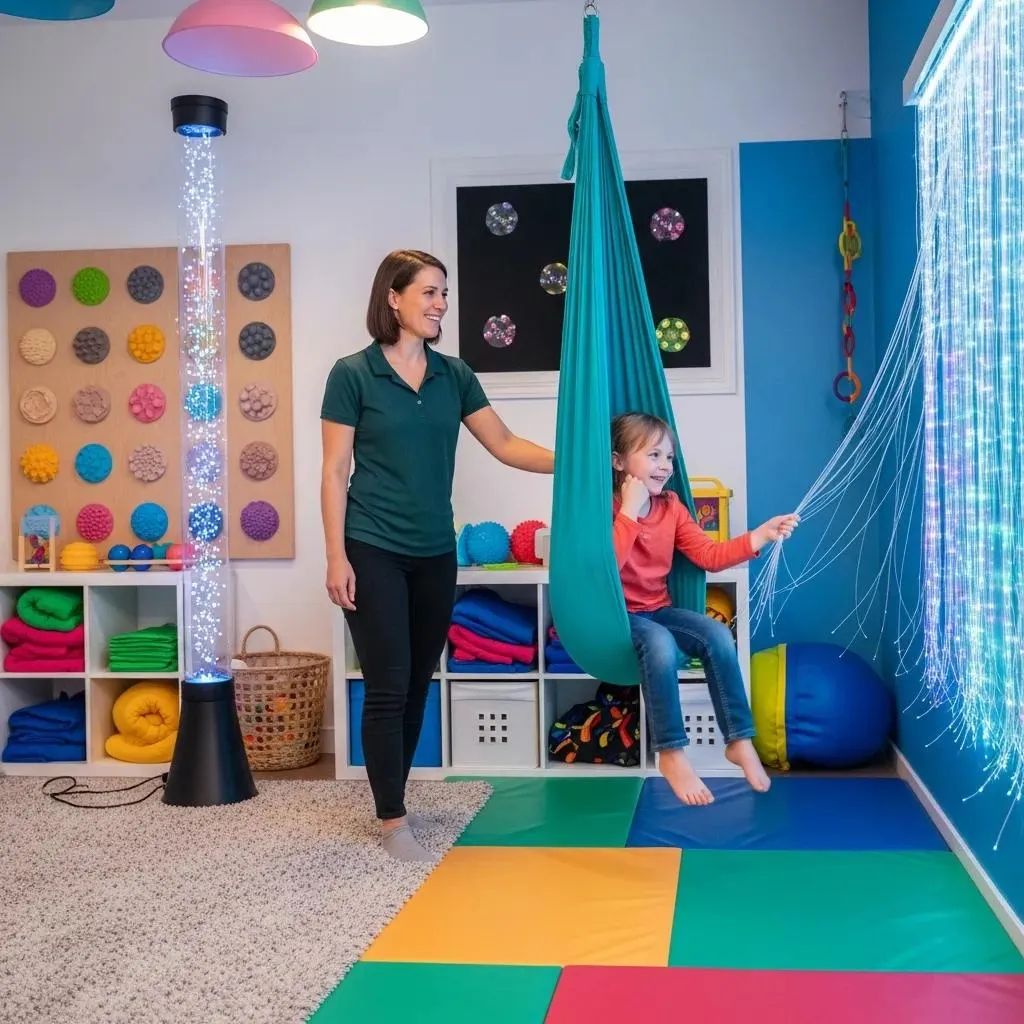

Shifting from preschool to elementary school involves significant changes, and occupational therapy offers valuable support strategies. Therapists assess developmental skills and create customized plans to address unique needs. Strategies include fostering affective regulation through emotion coaching, enhancing communication between home and school with visual aids, and developing problem-solving abilities. Collaboration with educators and community resources further supports a smooth shift. Learning more about these practical approaches can enable families to navigate this critical phase successfully.
Key Takeaways
- Collaborate with occupational therapists to assess your child’s developmental skills and create personalized transition plans tailored to their needs.
- Integrate assistive technology and sensory tools, such as sensory bins, to enhance motor skills and emotional regulation during the transition.
- Encourage emotional literacy by helping your child recognize and manage their feelings and develop problem-solving strategies, using daily conversations to support their expression.
- Establish consistent routines with visual aids to help your child adapt, promoting independence and managing anxiety about the new school environment.
- Engage with education professionals and community resources for comprehensive support and advocacy, ensuring a smooth transition to elementary school.
Understanding the Transition Process
As children prepare to shift from preschool to elementary school, understanding the complexities of this process becomes crucial for their success. Change challenges arise as children adapt to a more structured environment, academic rigor, and heightened expectations. A thorough readiness assessment is fundamental to identifying each child’s developmental strengths and areas of improvement, encompassing cognitive, motor, and social skills. Evaluation tools, especially those examining fine and gross motor abilities, are key in determining readiness for the new demands of elementary education. Moreover, fostering social interactions and group work plays a significant role in this change. By extensively addressing these factors, educators and parents can collaboratively support children in maneuvering this critical change period, laying a strong foundation for future learning experiences. Additionally, focusing on self-regulation skills is essential, as they enable children to manage their emotions and behaviors effectively during this transition. Furthermore, pediatric occupational therapy can provide targeted intervention strategies to enhance both motor skills and self-care abilities, further supporting children’s readiness for elementary school.
Key Occupational Therapy Roles in Transition
In the shift from preschool to elementary school, occupational therapy plays an essential role in evaluating tasks and preparing children for new environments. Assessing the need for assistive technology can further improve a child’s ability to engage in educational activities, promoting independence and participation. By focusing on these areas, occupational therapists support both children and families effectively during this critical shift phase. This transition also requires occupational therapy practitioners to understand their changing roles as related service providers, enabling them to better assist children in adapting to the new educational setting. Additionally, the importance of early intervention in addressing developmental delays cannot be overstated, as it significantly enhances a child’s ability to thrive in school.
Transition Task Evaluation
Change task evaluation serves as a critical process within occupational therapy, aimed at evaluating a child’s functional skills and support needs during significant life changes. The transition task assessment involves an extensive review of fundamental areas such as self-care abilities, mobility, and social interaction. This evaluation identifies readiness for academic demands while analyzing sensory processing and motor skills, which are crucial for classroom success. Furthermore, it assesses the need for adaptive equipment and environmental modifications, ensuring safe participation in new settings. Collaborating with families and educators is key, as they contribute to goal-setting and implementing tailored intervention strategies.
Additionally, early intervention through occupational therapy can significantly enhance the child’s ability to navigate sensory challenges. In summary, this evaluation serves as a foundation for developing personalized transition plans that foster successful integration into elementary school. Additionally, successful transitions lead to better long-term outcomes, enhancing the child’s overall development and adjustment to new environments.
Role Preparation Importance
Occupational therapy plays a crucial role in preparing children for the significant change from preschool to elementary school, ensuring a smooth adjustment to new environments and expectations. Key aspects highlighting the role’s importance in fostering readiness for change include:
- Understanding New Routines: OTs facilitate a child’s adaptation to new schedules and classroom dynamics, helping to establish comfort in a different setting. They assist in bridging the transition from Part C services to the new school environment to ensure a smooth transition.
- Foundational Skills Development: They strengthen self-determination and vital academic skills, including writing and organization, ensuring children can participate effectively.
- Social Interaction Support: OTs encourage social skill development through group activities, promoting positive peer relationships, and enhancing overall school integration.
These strategies collectively enable children to navigate the change successfully while fostering independence and confidence in their abilities.
Assistive Technology Assessment
While shifting from preschool to elementary school can present challenges, the assessment of assistive technology (AT) plays a fundamental role in supporting children during this significant period. Occupational therapists evaluate the child’s needs in diverse settings, including the classroom and daily routines, to determine appropriate device selection. They assess functional motor skills and cognitive, communication, and social-emotional domains, ensuring the chosen AT improves participation in all environments. Additionally, the implementation of a sensory diet can support children in managing sensory challenges during this transition. Input from family members is critical for aligning devices with practical needs. OTs also trial potential AT devices to verify usability. Collaboration with the IEP team, educators, and technology specialists is essential for practical assessment and implementation, promoting successful transitions and fostering independence in young learners. Public schools are required to identify and evaluate students with disabilities, ensuring that the transition process is inclusive and tailored to meet every child’s unique needs.
Strategies for Building Emotional Regulation Skills
Practical strategies for building affective regulation skills in children include practicing calming techniques, integrating sensory tools, and establishing a supportive parent-child system. Implementing methods such as deep breathing and sensory experiences can improve children’s ability to manage their emotions. Furthermore, fostering a collaborative relationship between parents and children promotes emotional awareness and resilience during challenging situations. Additionally, incorporating sensory integration therapy can further enhance children’s coping mechanisms and emotional regulation.
Calming Techniques Practice
How can calming techniques facilitate affective regulation in children? Calming strategies are crucial for nurturing heartfelt regulation skills. Implementing consistent practices can significantly improve a child’s ability to manage emotions effectively. Parents and educators can utilize the following techniques:
- Breathing Exercises: Encourage deep breathing and mindful minutes, such as imagining blowing on hot chocolate, to promote calmness.
- Emotional Labeling: Use picture cards or feelings charts to help children identify their emotions and express themselves, fostering emotional literacy.
- Environmental Adjustments: Create calming spaces with reduced distractions, allowing children a retreat to regain focus and regulate their emotions. Additionally, promoting early diagnosis and treatment can significantly enhance a child’s emotional regulation skills and overall well-being.
Sensory Tools Integration
The integration of sensory tools presents an impactful strategy for improving affective regulation skills in children. Incorporating sensory bins facilitates tactile stimulation activities, allowing children to engage in sensory exploration benefits while gradually acclimating to diverse textures. This method supports emotional regulation by reducing sensory defensiveness and developing fine motor skills and language acquisition. Complementing this are vestibular and proprioceptive activities, which provide crucial movement and deep pressure input, catering to both hypersensitive and hyposensitive children. Furthermore, brushing protocols under professional guidance can further improve tactile tolerance. By effectively integrating these strategies, caregivers can cultivate a supportive environment that promotes emotional regulation and sensory integration, ensuring children flourish during shifting phases in their development. Additionally, utilizing Sensory Processing Disorder resources can enhance caregiver understanding and application of these techniques.
Parent-Child Support System
Building a strong parent-child support system is essential for fostering sincere regulation skills in children, since this foundation improves their ability to navigate complex feelings. One effective way to enhance emotional literacy is through active parent engagement. Parents can implement the following strategies:
- Emotion Recognition: Teach children to identify body signals and facial expressions, using mirrors or emotion charts.
- Emotional Vocabulary: Introduce emotion words during daily conversations and encourage reflections on characters’ feelings in stories.
- Emotion Coaching: Validate children’s feelings and model problem-solving in emotionally charged moments. Additionally, fostering a supportive environment can significantly enhance emotional regulation skills in children.
Creating Effective Personalized Routines
Creating effective, tailored routines is critical for supporting children as they move to elementary school. Individualized schedules, improved with visual aids and checklists, can transform abstract time concepts into manageable steps, aiding preschoolers in their shift. Incorporating sensory engagement tools, like textured washcloths during hygiene tasks, addresses sensory needs while making routines more engaging. Activities that foster fine motor development, such as buttoning shirts and using scissors, prepare children for fundamental school tasks. Moreover, integrating play-based learning into routines can boost engagement, turning everyday tasks into enjoyable experiences. Consistent routines not only foster independence but also reinforce a sense of accomplishment, which is significant for children adapting to the structured environment of elementary school. Additionally, incorporating fine motor skill activities into daily routines can further enhance children’s readiness for school demands.
Developing Flexibility and Problem-Solving Abilities

In the context of occupational therapy, developing flexibility and problem-solving abilities is vital for children’s success during times of change. Engaging in targeted problem-solving skills training and flexibility exercises enables children to adapt to new situations and challenges effectively. Through structured activities and supportive interventions, children can improve their cognitive resilience, fostering a more adaptable mindset. Additionally, recognizing the need for tailored interventions can significantly enhance the effectiveness of these strategies for children with unique sensory processing challenges.
Problem-Solving Skills Training
Many children face challenges in problem-solving and adaptability, which are essential skills for maneuvering everyday situations. Problem-solving skills training can foster critical thinking and flexibility, supporting children in their shift to elementary school. Parents and caregivers may consider implementing the following activities:
- Puzzles and Memory Games: These improve critical thinking through engaging, problem-based learning.
- Sorting Shapes and Stacking Blocks: These activities promote step-by-step thinking while building adaptability.
- Role-Playing Scenarios: This method encourages affective regulation during problem-solving, facilitating social interaction.
Flexibility Exercises and Activities
While developing flexibility is crucial for children’s adaptability and problem-solving skills, targeted exercises and activities can effectively improve these abilities. Incorporating flexibility activities into daily routines boosts sensory integration while fostering vital motor skills. Activities such as walking on balance beams, creating obstacle courses, and engaging in animal walks can stimulate balance and muscle strength, promoting overall flexibility. Climbing structures and swinging additionally develop active movement. Moreover, trampoline exercises and core-strengthening routines build coordination and stability. In addition, outdoor games and modified yoga for kids provide enjoyable avenues for flexibility improvement. By diversifying these activities, parents and educators can create supportive environments that encourage children to investigate and develop their flexibility, ultimately aiding in their progression from preschool to elementary school.
Implementing Sensory Support Strategies
A variety of sensory support strategies can significantly ease the shift process for children, particularly those with sensory processing challenges. These strategies focus on sensory integration to minimize sensory overload during times of change. Key methods include:
- Noise-Canceling Headphones: Reducing auditory stimuli helps to maintain a calm atmosphere.
- Fidget Toys: These provide tactile engagement that supports focus and stability.
- Quiet Spaces: Designated areas allow children to retreat and regain composure when feeling overwhelmed.
Implementing these strategies can create a supportive environment that facilitates smoother shifts for children, promoting their confidence and psychological well-being. By considering sensory needs, caregivers and educators can significantly improve a child’s capacity to adapt to new experiences and routines.
Collaborative Approaches With Education Professionals

Working alongside education professionals is vital for guaranteeing thorough assistance for children experiencing changes, particularly for those with unique learning needs. Collaborative goal setting between occupational therapists and educators fosters a unified approach that improves student performance and secures client-centered outcomes. Extensive needs assessments enable professionals to identify specific areas requiring intervention. Effective communication is essential, with regular meetings facilitating the exchange of progress, challenges, and tailored strategies. This collaboration not only provides consistent feedback but also promotes problem-solving and clearly defined roles within the educational framework. By integrating occupational therapy supports into curricula and actively involving families, a supportive, inclusive environment is created that adapts to each student’s needs, ultimately leading to improved learning outcomes.
Engaging Community Resources for Support
Engaging community resources plays a vital role in supporting children during changes, particularly for those with unique learning needs. Community workshops and resource fairs provide invaluable opportunities for families to access critical support services. Key strategies to utilize include:
- Participating in Workshops: These sessions equip parents with knowledge about change challenges and available resources, enhancing advocacy skills.
- Connecting with Local Support Networks: Families can share experiences and strategies through support groups, reducing feelings of isolation.
- Leveraging Early Intervention Programs: Involvement with local health and therapy centers helps tailor occupational therapy to align with school participation needs.
Techniques for Enhancing Communication Between Home and School

Effective communication between home and school is vital for supporting children, particularly during periods of change. Implementing effective communication strategies improves parent engagement, ensuring seamless shifts.
| Technique | Description |
|---|---|
| Regular Meetings | Schedule consistent discussions between educators about student needs. |
| Technology Integration | Use digital spaces for sharing updates and resources. |
| Communication Logs | Maintain logs detailing each child’s progress for sharing at home. |
| Parent Involvement | Encourage parents to engage in classroom activities and observe teaching methods. |
Preparing for Role and Routine Changes
As children shift to new roles and routines, preparing them for these changes is vital for promoting their success and well-being. Addressing role expectations and making necessary routine adaptations can ease this change. Families can support their child by focusing on the following:
- Visual Supports: Implement visual schedules to clarify daily activities and expectations.
- Consistent Routines: Establish stable daily routines to minimize anxiety and foster security in their new roles.
- Collaborative Involvement: Engage family members in the change process to educate them on the child’s evolving needs.
Frequently Asked Questions
How Can I Identify My Child’s Specific Transition Challenges?
To identify a child’s specific change challenges, observe their social skills and affective regulation during changes. Monitor behaviors such as anxiety, interactions with peers, coping abilities, and adaptability to new routines for thorough insights.
What Are Some Signs My Child Is Struggling With the Transition?
Behind the apparent smiles, children may silently battle psychological changes. Behavioral signs, such as clinginess, tantrums, withdrawal, and resistance, often signal deeper struggles with shifts, highlighting the importance of attentive support during these challenging moments.
How Can Siblings Support My Child During This Transition?
Siblings can play an essential role in supporting their younger siblings during changes by fostering sibling bonding and providing peer encouragement. Their heartfelt stability, guidance, and engagement significantly improve adjustment and readiness for new experiences.
What Resources Are Available for Parents During This Adjustment Period?
Parents can utilize diverse resources during change, including parent support groups, online resources, educational workshops, community programs, transition checklists, counseling services, social stories, and visual schedules to better support their child’s adjustment process.
How Can I Measure My Child’s Progress During the Transition?
Measuring a child’s progress during changes involves systematic progress tracking and observation techniques. Regular assessments, data collection, and feedback from parents and educators provide crucial insight into skill development, ensuring adequate support for the child’s growth.
Where can families in Tampa and Brandon find OT support for their child’s move from preschool to elementary?
Skill Point Therapy offers individualized occupational therapy in both Tampa and Brandon to help children navigate this vital transition. Our team uses playful, child-centered strategies to build confidence, independence, and readiness for the challenges of elementary school.
Conclusion
In summary, navigating the transition from preschool to elementary school can be a challenging experience for both children and their families. By employing targeted occupational therapy strategies, parents can equip their children with the skills necessary to thrive in a new environment. As the saying goes, “a smooth sea never made a skilled sailor.” Embracing this transitional phase can foster resilience, adaptability, and confidence in young learners. Ultimately, the support and collaboration of families, educators, and community resources can pave the way for success.
References
- https://www.p2pga.org/wp-content/uploads/2019/05/Transitions_for_Children_and_Youth.pdf
- https://pmc.ncbi.nlm.nih.gov/articles/PMC10546258/
- https://connectpediatrictherapy.com/2024/12/navigating-transitions-how-ot-can-help-your-child-through-expected-and-unexpected-changes/
- https://www.coursehero.com/file/157227078/discussion-3docx/
- https://www.prairiegrittherapy.com/grow-with-grit/getting-back-toschool
- https://www.buildingblockstherapy.org/blog/the-role-of-occupational-therapy-in-supporting-school-readiness
- https://royaltx.org/smooth-sailing-into-elementary-school/
- https://njcommonground.org/the-change-role-of-occupational-therapy/
- https://www.naeyc.org/resources/pubs/yc/sep2018/reducing-challenging-behaviors-during-transitions
- https://www.theottoolbox.com/transitions-for-children/