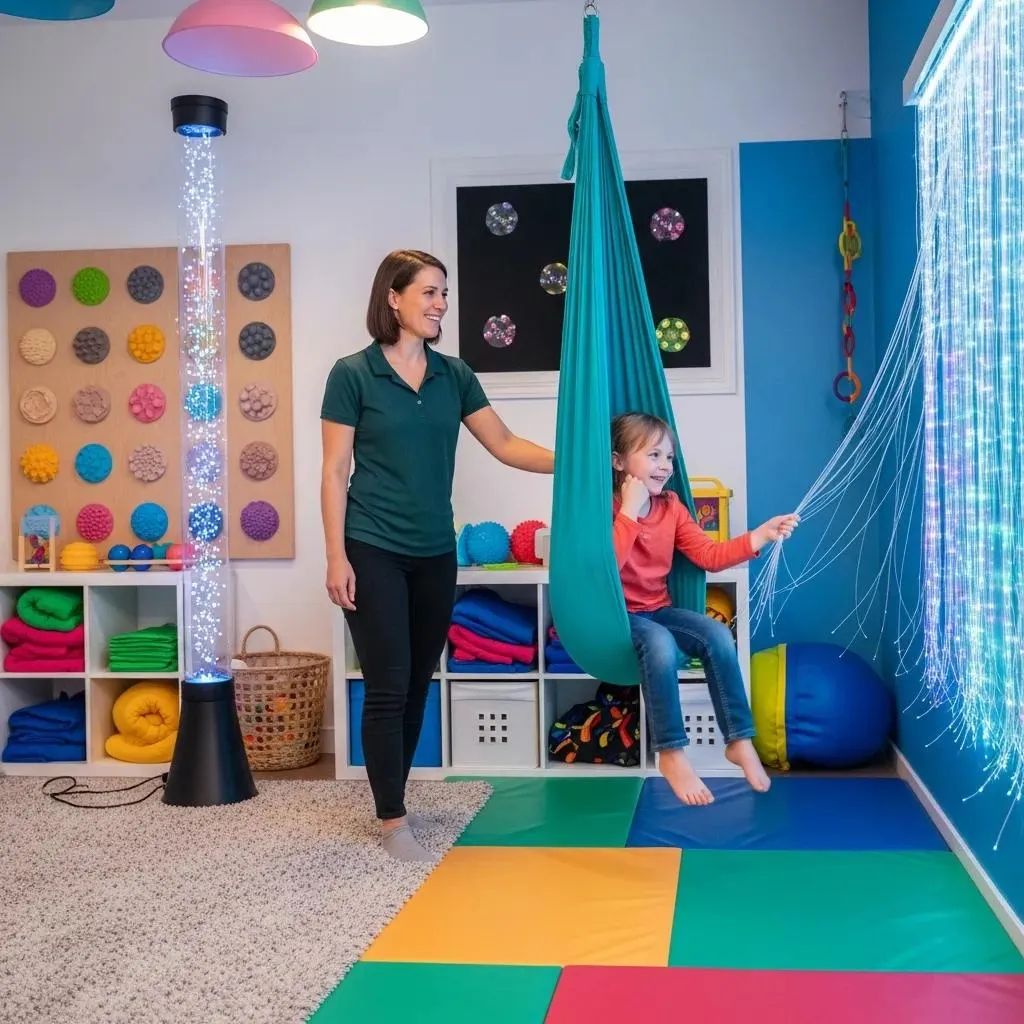

Fine motor skills are essential for children because they use their hands for everyday tasks like feeding themselves, dressing, and eventually writing in school. In Brandon and Tampa, you can use simple daily routines to help your child gain independence while having fun together. We are so grateful when parents take time at home to play and practice skills with their children—it makes a big difference.
You can improve fine motor skills through playful, child-led activities. For example, stacking blocks, using tongs to move small objects, or practicing buttoning and zipping clothes all strengthen hand coordination. These simple routines encourage children to explore and learn at their own pace while boosting confidence and independence.
Incorporating fine motor boosters into daily life can feel easy and natural. Coloring, sorting small toys, or helping stir ingredients while cooking are fun ways to practice essential hand skills. By using activities your child enjoys, you can continue to help your child gain independence and build skills they will use for years to come.
Key Takeaways
- Encourage your child to use utensils and assist in cooking to enhance hand-eye coordination and foster independence during meal times.
- Incorporate daily dressing tasks to practice buttoning, zipping, and tying, promoting fine motor skills and self-sufficiency.
- Engage in creative activities like coloring, cutting with scissors, and playing with playdough to stimulate dexterity and coordination.
- Utilize community resources in Brandon and Tampa, such as local occupational therapy programs, to provide tailored support.
- Establish structured daily routines that include fine motor activities, reinforcing focus and concentration while building confidence in their abilities.
Understanding Fine Motor Skills and Their Importance
Fine motor skills are foundational to a child’s development, encompassing the intricate movements of hands and fingers that enable them to interact effectively with their environment. These skills, crucial for tasks such as self-care, playing, and academics, require coordination of small muscle movements and visual-motor integration. Mastery of fine motor abilities fosters individual independence, enabling children to engage confidently in daily activities such as dressing and writing.
As children progress, typical milestones guide the assessment of their skill development, highlighting the importance of early intervention when delays occur. By nurturing fine motor skills, caregivers can significantly enhance cognitive development and support children’s academic success, promoting a holistic approach to their early years in Brandon and Tampa. Additionally, tummy time is essential for developing foundational fine motor skills through gross motor activities.
Engaging in sensory integration therapy can further enhance fine motor development by improving coordination and sensory processing.
Prevalence of Fine Motor Skill Delays in Children
The prevalence of fine motor skill delays in children is a significant concern, with a range of studies revealing varied socioeconomic influences, including the impact of socioeconomic factors and recent global events. For instance, approximately 10.4% of Australian preschoolers from low-income backgrounds exhibit fine motor delays, while the effects of the pandemic have likely exacerbated these issues across many communities. Understanding these trends is crucial for developing targeted interventions and support systems for children and their families affected by these issues.
Additionally, the high prevalence of developmental delays in motor competence among U.S. children emphasizes the urgent need for proactive measures to address these challenges. Early detection and intervention strategies, such as a sensory diet, can play a crucial role in supporting children with developmental delays.
Statistics on Delays
Although many children develop fine motor skills within expected timelines, a significant number face delays that can hinder their total development. Approximately 10.4% of preschool children from vulnerable communities exhibit fine motor skill delays, and around 7% of U.S. children aged 3 to 17 experience motor skill delays, which are among various developmental challenges. Male children from socioeconomically disadvantaged backgrounds are at a higher risk. Significantly, these delays often serve as early indicators of broader developmental issues, necessitating immediate referral for early intervention.
Early intervention can prevent progression into more serious problems, emphasizing the importance of recognizing fine motor milestones to promote independence and improve outcomes for affected children. Understanding these statistics underscores the importance of supportive measures for families, ensuring that children receive the necessary help to thrive. Moreover, early identification of Sensory Processing Disorders can play a crucial role in addressing fine motor skill delays effectively.
Impact of Pandemic
As pandemic-related restrictions reshaped daily life, many children faced unforeseen challenges in developing essential fine motor skills. The closure of schools and playgroups significantly hindered opportunities for engagement in structured activities, resulting in developmental delays. Specifically, children aged 3-4 years experienced marked deterioration in fine motor skill development amid heightened stress and limited social interaction.
Additionally, the pandemic resulted in increased issues such as excessive weight gain and insufficient physical activity, further compounding the developmental challenges faced by children. Understanding the impact of sensory dysregulation can provide valuable insights into how these delays manifest in behaviors and responses.
| Aspect of Impact | Description |
|---|---|
| Skill Development | Deterioration in manual dexterity observed |
| Age-Specific Delays | Higher delay percentages in younger children |
| Psychosocial Stress | Increased psychological challenges hindered growth |
The lack of nurturing environments during lockdowns also contributed to impaired skill acquisition. Understanding these factors can help caregivers provide more effective support to children facing socioeconomic challenges.
Socioeconomic Influences
Pandemic-related challenges have underscored the socioeconomic influences on children’s fine motor skills. Socioeconomic disparities significantly impact children’s access to resources, resulting in inequalities in motor skill development. Families facing financial constraints often encounter barriers that hinder growth.
- Lower income correlates with delayed fine motor skills due to restricted play opportunities.
- Higher parental involvement in play, typically found in higher-income households, fosters better motor development.
- Young mothers often experience better outcomes in fine motor skills, which can positively impact their child’s growth trajectory.
- Limited access to early interventions in low-SES communities exacerbates developmental delays.
Additionally, sensory processing difficulties can further complicate fine motor skill development in children from low socioeconomic status (SES) backgrounds, as they may struggle with routine tasks and emotional regulation.
Factors Influencing Fine Motor Skill Development
Fine motor skills are vital for children’s thorough development, influencing their ability to perform everyday tasks such as writing, tying their shoes, and using utensils. Numerous factors play a critical role in their development, starting with biological influences like neurological maturation and health conditions that can impede progress. Furthermore, socioeconomic sources powerfully shape fine motor socioeconomic action, with socioeconomic status highlighting disparities in access to stimulating activities.
Higher maternal education and engagement further improve skill development, while an enriching home environment fosters coordination. Engaging in deep-pressure activities can also promote self-regulation, a skill essential for developing fine motor skills. Conversely, neglect or economic hardship can delay progress.
Recognizing these influences allows caregivers to implement effective strategies that support fine motor development, ensuring every child has the opportunity to achieve their full potential. Engaging in activities like crafting can significantly enhance fine motor skills and boost children’s confidence in their abilities.
Daily Routines to Encourage Fine Motor Skills

Integrating fine motor skill development into daily routines provides children with valuable opportunities to improve their dexterity and coordination. Parents and caregivers can augment fine motor skills through simple, engaging practices:
- Encourage children to use utensils during meals to refine their grip and coordination. Engaging in this practice also supports sensory integration as children learn to navigate different textures and resistance while eating.
- Involve them in mealtime preparation, such as stirring and pouring, to promote hand-eye coordination through sensory activities.
- Incorporate dressing tasks, such as buttoning and zipping, to foster independence while developing fine motor skills and dexterity. These tasks involve the use of small muscles in the hands, which are crucial for overall child development.
- Engage in creative play-based learning through activities such as coloring and using scissors, which reinforces visual-motor integration.
Engaging Activities to Build Dexterity
Building upon daily routines that improve fine motor skills, engaging activities specifically designed to develop dexterity offer children enjoyable and effective ways to refine their hand movements and coordination. Bead activities, such as stringing beads onto pipe cleaners, considerably boost finger muscle strength and focus. Simultaneously, playdough shapes encourage creativity while improving dexterity through the process of squeezing and rolling. Incorporating clothespin games can promote a tripod grasp, while sorting stickers aids visual discrimination and pincer grasp development.
Additionally, these fine motor skills are essential for successful handwriting, as they are closely linked to daily practice and academic progress. Children can also benefit from challenges like stacking coins or using tweezers, which refine precision and coordination. Engaging in oral-motor activities, such as drinking from a straw, can further enhance a child’s overall dexterity and coordination.
By weaving these engaging activities into daily life, caregivers can foster independence and strengthen vital skills that lay the foundation for future success.
The Role of Technology in Fine Motor Skill Assessment

In evaluating fine motor skills, technology plays a crucial role by providing groundbreaking sensor-based tools and mobile applications that enhance monitoring and evaluation. These advancements enable precise tracking of a child’s progress and provide valuable data for targeted intervention strategies. Utilizing such data-driven approaches enables the provision of timely support tailored to individual developmental needs, thereby fostering more effective learning experiences.
Furthermore, digital platforms like iDevChild exemplify how technology can facilitate the assessment of fine motor control in children. Additionally, incorporating a tailored sensory diet can significantly enhance a child’s overall engagement and focus during fine motor activities.
Sensor-Based Assessment Tools
Advancements in sensor-based assessment tools are revolutionizing the way fine motor skills are evaluated in children. These technologies enhance assessment accuracy through innovative methods that integrate play and data collection to improve the accuracy of assessments. Key features of these tools include:
- Sensor-augmented toys utilize accelerometers and gyroscopes for objective measurement.
- Wearable inertial sensors enabling quantitative analysis of fine motor tasks.
- Electrical impedance tomography (EIT) sensors provide high-resolution data on finger movements.
- Integration of machine learning for precise classification of fine motor skill levels.
Through effective sensor integration, these tools offer engaging alternatives that reduce traditional assessment burdens while supporting earlier identification of developmental challenges, paving the way for targeted interventions to foster children’s independence.
Mobile Applications for Monitoring
Mobile applications are transforming the landscape of fine motor skill assessment for children by offering creative, engaging, and accessible tools for both practitioners and families. Applications like Fundamental Motor Skills and iDevChild highlight crucial features, such as visual aids and self-assessment tools, that enhance user feedback through interactive engagement. These apps also facilitate video recording for thorough evaluations.
| App Name | Key Features |
|---|---|
| Fundamental Motor Skills | Visual aids, self-assessment with Emojis |
| iDevChild | Subtests for fine motor skills |
| STEGA | Quantitative measurement, telehealth |
| Evaluation Tools | Video recording for task review |
| User Feedback | Engagement tracking and reflection |
While beneficial, these tools should be used in conjunction with hands-on activities to promote balanced fine motor development.
Data-Driven Intervention Strategies
As technology continues to reshape diverse fields, its impact on fine motor skill assessment presents opportunities for data-driven intervention strategies that are both creative and effective. By leveraging advanced technological tools, caregivers and professionals can improve intervention effectiveness through precise data tracking.
- Force transducers measure grip strength, aiding in targeted interventions.
- Instrumented tablets analyze drawing speed and precision, allowing for tailored activities.
- Wearable devices enable real-time monitoring of fine motor tasks in natural settings.
- AI-driven evaluation mechanisms identify developmental delays with greater accuracy.
These innovations not only enable practitioners to make socioeconomic decisions but also foster a supportive environment for socioeconomic thrive, ensuring they receive the appropriate interventions based on socioeconomic data.
Socioeconomic Factors and Fine Motor Development:
Understanding how socioeconomic factors affect fine motor development is essential because children from different backgrounds may have varied opportunities to practice hand skills. Research indicates that children in lower-resource environments often face challenges in motor control, which can increase the risk of coordination difficulties, particularly among girls. Even simple home activities, such as stacking blocks, using utensils, or assisting with meal preparation, can have a significant impact on skill development.
Parental education also plays a key role in a child’s fine motor development. Children with parents who have higher educational levels often exhibit stronger fine motor abilities, highlighting the importance of encouragement and guidance at home in supporting learning. When additional support is needed, pediatric occupational therapy provides specialized, child-led strategies to strengthen hand skills, promote independence, and build confidence in everyday tasks.
Daycare centers and community programs offer structured activities that help children practice coordination and self-help skills, even when home resources are limited. These environments complement home routines and, along with pediatric occupational therapy when appropriate, create opportunities for children to thrive. By addressing socioeconomic differences and providing accessible resources, families and communities can help children gain independence and prepare them for future success.
Community Support and Programs for Fine Motor Skill Improvement
Community support plays a crucial role in enhancing fine motor skills in children, particularly those facing developmental challenges. Diverse community resources and support programs are invaluable for families seeking assistance, including:
- Community-Based ABA Therapy: Centers like ABA Centers of Florida offer personalized therapy focusing on fine motor skills through engaging, play-based methods.
- Occupational Therapy with DIRFloortime: Programs that provide child-led, playful therapy using DIRFloortime techniques to strengthen fine motor skills while supporting social and emotional development.
- Specialized Pediatric Clinics: Facilities such as SkillPoint Therapy provide targeted interventions to refine handwriting and daily motor skills
- Community Activity Programs: Local centers organize interactive activities to build dexterity and creativity, reinforcing motor skills in a social context.
These collaborative efforts enable children to overcome challenges and promote independence.
Strategies for Parents to Enhance Child Independence

While parental involvement is vital for child development, strategies that promote independence can enable children to navigate the world with confidence. Parents can implement effective independence strategies by focusing on scaffolding techniques, encouraging gradual autonomy in daily tasks, and utilizing guided verbal communication to support their children’s development. By providing supportive guidance and allowing children to engage in household responsibilities, parents foster fundamental self-regulation and problem-solving skills. Open-ended questions during activities help children develop internal dialogue, reducing impulsivity and enhancing their focus. Furthermore, positive feedback reinforces their engagement and compliance. Emphasizing opportunities for supervised autonomy can help counter fears stemming from societal pressures, ultimately fostering resilient, independent children who are better equipped to thrive in their environments.
Frequently Asked Questions
How can daily activities help your child gain independence?
Incorporating fine motor activities into daily routines allows children to practice essential skills in meaningful contexts, reinforcing their abilities naturally. Over time, these repeated experiences build confidence and encourage them to complete tasks independently.
At what Age Should My Child Start Fine Motor Skill Activities?
Children should begin fine motor skill activities around 3 months, aligning with developmental milestones. Age benchmarks indicate progressive engagement through infancy and toddlerhood, ultimately fostering independence and confidence in tasks by preschool age.
How Can I Tell if My Child Has Fine Motor Delays?
To identify fine motor delays, parents should observe their child’s progression regarding fine motor milestones and seek developmental assessments if difficulties arise in grasping, manipulating objects, or completing age-appropriate tasks independently. Early intervention is essential.
Are Boys and Girls Affected Differently by Fine Motor Delays?
Boys and girls often exhibit different experiences with fine motor delays, which can stem from gender differences in developmental milestones. Girls generally develop fine motor skills earlier, while boys may experience variations in both the development of these skills and their task mastery.
Can Screen Time Negatively Impact Fine Motor Development?
Excessive screen time can negatively impact fine motor development by limiting varied physical interactions and activities. This hinders crucial skills needed for tasks such as writing and drawing, highlighting the importance of balanced, hands-on activities for optimal growth in young children.
What Are Some Signs of Progress in Fine Motor Skills?
Like a tree blossoming, signs of fine motor progress include improved handwriting as letters take shape and refined self-feeding techniques as children learn to manage utensils, marking their path toward greater independence and skillful expression.
Conclusion
Helping a child build fine motor skills is like teaching them to ride a bike—you guide them, cheer them on, and let them try at their own pace. Simple activities like threading beads, tearing paper for crafts, or using scissors safely can make a big difference in hand strength and coordination. Daily practice in these fun ways helps children feel proud and ready to tackle new challenges.
Children thrive when learning is playful and meaningful. Encouraging them to help water plants, pack their backpack, or pour drinks during meals gives them hands-on experience that improves control and confidence. Over time, these small routines support independence and help your child gain independence in everyday tasks.
Every family’s journey looks a little different, and some children may need extra guidance or personalized strategies. If you would like to discuss your child’s fine motor skills in more detail or have a specific concern, contact Skill Point Therapy in Brandon or Tampa. Our team is here to support you and help your child grow into a strong, capable, and confident individual.
References
- https://www.jmir.org/2021/4/e24237/
- https://pmc.ncbi.nlm.nih.gov/articles/PMC9541226/
- https://www.nature.com/articles/s41598-023-47865-4
- https://pmc.ncbi.nlm.nih.gov/articles/PMC12069962/
- https://www.mother.ly/child/child-milestones/fine-motor-skills-declining-in-children/
- https://www.chrichmond.org/services/therapy-services/developmental-milestones/fine-motor-skills-birth-to-2-years/
- https://help-for-early-years-providers.education.gov.uk/areas-of-learning/physical-development/fine-motor-skills
- https://childfamilyinstitute.com/factsheets/occupational-therapy/fine-motor-skills-development/
- https://www.craneschools.org/apps/pages/index.jsp?uREC_ID=1949514&type=d&pREC_ID=2072624
- https://my.clevelandclinic.org/health/articles/25235-fine-motor-skills