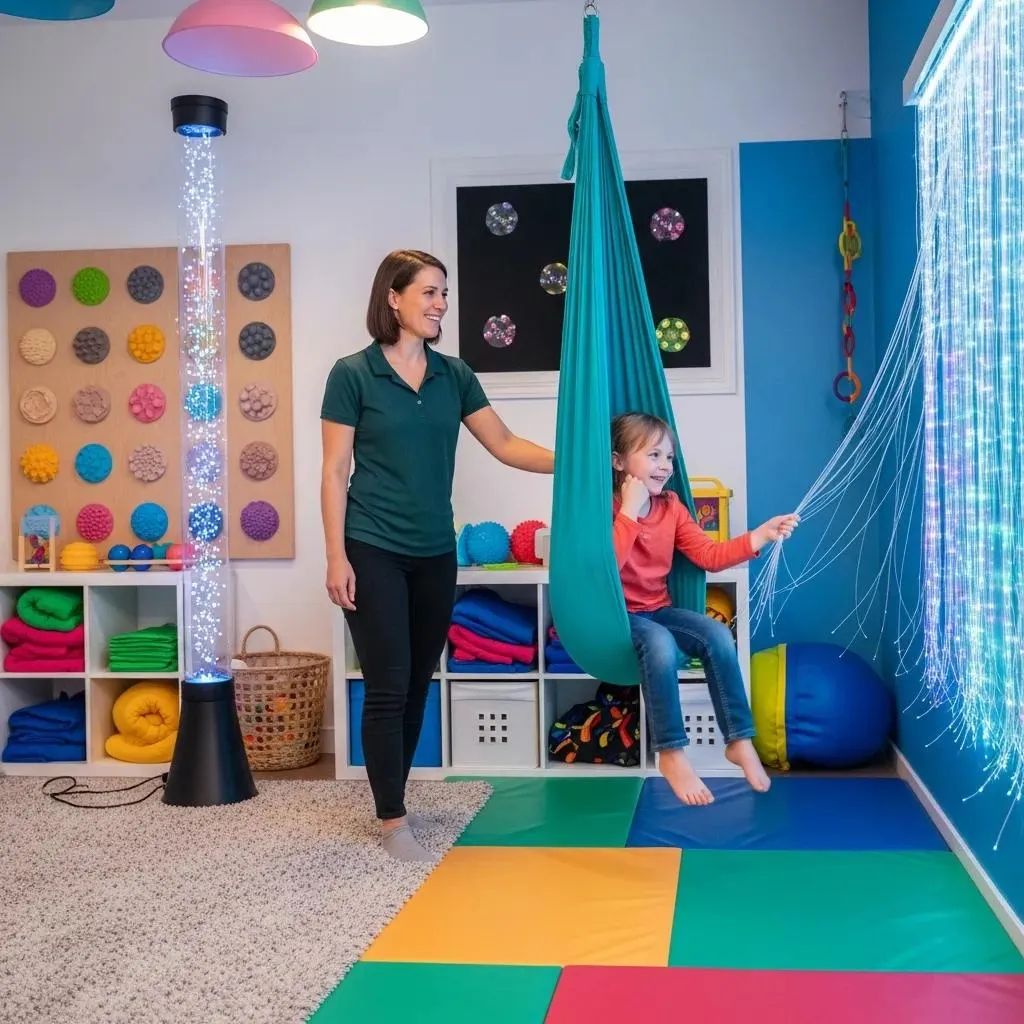

Helping your child develop strong daily living skills can feel like a big job, but you are not alone. Every child learns at their own pace, and milestones can happen at different times. Always trust your instincts, and if you have concerns, talk to your pediatrician to decide on the best next steps.
Living skills are the everyday tasks that help children feel more confident, independent, and ready for life. For children with ADHD, these skills often grow best with structure, patience, and consistency. Common examples include learning how to get dressed without rushing or handling homework time with less stress—both areas where a pediatric occupational therapist can help.
When challenges come up, working with a pediatric occupational therapist can significantly impact progress. By breaking tasks into smaller steps, using visual aids, and creating steady routines, parents can reduce stress and help children feel more in control. These strategies can lead to long-term living skills for ADHD success, allowing your child to thrive both at home and in the community.
Key Takeaways
- Break tasks into manageable steps to reduce cognitive overload and build motivation in children with ADHD.
- Utilize visual aids, like schedules and checklists, to enhance organization and foster a sense of ownership in daily routines.
- Establish consistent routines to provide stability and predictability, helping children navigate transitions with less anxiety.
- Engage in active parental involvement and communication to support skill development and improve time management strategies.
- Collaboratively set goals between parents and educators to ensure synchronized efforts and adapt strategies to individual needs.
Breaking Tasks Into Manageable Steps
For many children with ADHD, the act of completing tasks can feel like an insurmountable challenge, often leading to frustration and disengagement. Breaking tasks into manageable steps serves as an essential strategy in developing daily living skills for ADHD. By deconstructing activities, children experience less cognitive overload, fostering improved focus and task initiation.
Incremental successes build motivation and self-confidence, encouraging children to tackle tasks with a newfound sense of control. This structured approach reinforces self-advocacy and improves the overall quality of life for children managing ADHD challenges. Tailored step sizes allow for accommodation of personal processing speeds, further promoting effective engagement.
Caregivers play a significant role by providing clear instructions and monitoring progress, creating an environment where children can thrive. Ultimately, this structured approach reinforces self-advocacy and improves the overall quality of life for children managing ADHD challenges. Additionally, executive functioning skills are critical in supporting children to manage tasks effectively and improve their independence.
Utilizing Visual Aids for Organization
How can visual aids transform the daily routines of children with ADHD? These tools, such as visual schedules and task boards, provide a clear structure that helps reduce anxiety by outlining each day’s activities. Incorporating pictures to represent tasks allows children to manage their routines more effectively, improving focus and task completion.
Adaptable checklists enable children to participate in their organization, fostering a sense of ownership. Furthermore, color-coding tasks boosts memory and organization, making daily responsibilities easier to navigate. Using visual schedules can further improve engagement through gamification and accessibility.
In summary, visual aids enable children with ADHD, as they guide them toward successful daily living while nurturing independence and responsibility.
Setting Clear Deadlines and Priorities

Establishing clear deadlines and priorities is vital for children with ADHD, as it directly impacts their ability to manage tasks without becoming overwhelmed. By implementing time limits, children learn to focus and reduce procrastination through structured intervals, such as 25-minute work sessions. Prioritizing tasks based on urgency and difficulty enables them to allocate energy effectively, tackling challenging assignments when their concentration is strongest.
Teaching time estimation fosters practical planning and combats time blindness, enhancing their independence. Additionally, parental involvement and accountability systems, including partners who provide feedback, reinforce commitment and motivation. Incorporating structured routines into their daily activities can also help children develop practical time management skills.
Together, these strategies enable children to navigate their responsibilities with confidence, cultivating essential life skills that support long-term success while alleviating the stress often associated with ADHD-related challenges.
Developing Consistent Routines
Establishing consistent routines is vital for children with ADHD, as it fosters a sense of stability and predictability in their daily lives. Visual schedule tools can significantly improve this consistency by providing clear, accessible reminders of tasks and expectations. Through these strategies, caregivers can effectively support children’s ability to navigate their activities with greater ease and confidence.
Additionally, structured routines can enhance children’s focus and reduce their anxiety related to transitions. Incorporating calming techniques during these routines can create a supportive environment that helps manage ADHD symptoms.
Importance of Consistency
Although developing consistent routines may seem simple, it plays a pivotal role in the lives of children with ADHD, significantly impacting their daily functioning and psychological well-being. Consistency fosters an environment where children can thrive by offering a framework that minimizes chaos. The importance of consistency can be highlighted through the following benefits:
- Enhanced Focus: Routines reduce impulsivity and help children concentrate on tasks without distractions.
- Affective Stability: Consistent schedules provide safety and predictability, reducing stress and anxiety. Additionally, routines regulate circadian rhythms, improving sleep patterns essential for overall health.
- Self-Regulation: Routines help children identify and adjust unhelpful behaviors, supporting overall psychological health.
Visual Schedule Tools
Visual schedule tools are vital for creating structured environments that help children with ADHD navigate their daily lives more effectively. These tools, including linear formats, checklists, and token boards, provide clear visual cues while accommodating personal preferences. Utilizing concrete icons reduces cognitive load and improves comprehension, allowing children to break down tasks into manageable steps.
Additionally, incorporating time management strategies can further enhance focus and task completion. Digital apps, such as Goally, further engage children through interactive schedules. They bolster executive functioning by improving working memory and easing changes, ultimately fostering self-regulation and reducing anxiety.
Increased predictability leads to increased task adherence and independence, allowing children to develop fundamental daily living skills. The thoughtful implementation of visual schedules proves invaluable in supporting cognitive and behavioral development for children with ADHD.
Incorporating Physical Activity Into Daily Life

Incorporating physical activity into daily life can serve as a life-changing strategy for children with ADHD, enhancing their general well-being and functioning. Engaging in regular exercise not only improves mood and attentiveness but also fosters cognitive abilities, which are essential for academic success. To effectively integrate physical activity into daily routines, consider the following strategies:
- Daily Aerobic Sessions: Incorporate fun, moderate aerobic activities each morning to set a positive tone for the day. Recent studies indicate that daily aerobic activities enhance attention and mood in children at risk for ADHD.
- Cognitive Challenges: Use engaging exercises like ball games or horseback riding that stimulate attentional improvements.
- Varied Activities: Opt for mixed sessions of 40 minutes twice a week, ensuring variability to maintain interest and motivation.
Engaging Parents in Daily Living Skills
Engaging parents in the development of daily living skills for children with ADHD requires active participation and open lines of communication. By establishing consistent strategies and collaboratively setting goals, parents can become more invested in their child’s progress. This multifaceted approach not only fosters a supportive environment but also enables families to work together in addressing the distinct challenges associated with ADHD.
Furthermore, studies have shown that parental involvement significantly enhances the effectiveness of strategies employed to improve daily living skills in children with ADHD. Additionally, structured routines are essential for minimizing distractions and providing predictability, which can significantly benefit children with ADHD.
Active Parental Involvement
While traversing the complexities of daily living skills can be particularly challenging for children with ADHD, the role of active parental involvement proves to be crucial in facilitating their development. Parents often commit significant time to addressing behavioral challenges, assisting with homework, and focusing on teaching critical skills. Key strategies include:
- Homework Assistance: Helping children navigate assignments to foster academic skills.
- Structured Routines: Establishing predictable schedules that improve time management.
- Targeted Support: Actively participating in training programs that equip parents with practical tools.
Despite the challenges presented by inattention and executive function difficulties, engaging parents in structured, supportive roles leads to improved everyday skills for children, ultimately creating a nurturing environment conducive to growth and progress. Additionally, implementing organized routines can significantly enhance a child’s ability to manage daily tasks and responsibilities.
Consistent Communication Strategies
Effective communication serves as a cornerstone for fostering daily living skills in children with ADHD, specifically when parents are consistent in their approaches. Clear, concise instructions using simple language help minimize confusion, while nonverbal cues reinforce understanding. Regular verbal interactions build language skills, and implementing reflective listening validates the child’s experiences.
Family meetings create a platform for supportive acknowledgment, encouraging children to express themselves in a judgment-free environment. Establishing structured communication through routines, visual aids, and regular check-ins supports clarity and progress monitoring. Supportive communication enriched with empathy and positive reinforcement strengthens the parent-child bond and reduces stress.
Additionally, integrating sensory integration therapy can further enhance communication strategies by addressing individual sensory needs. Collectively, these consistent communication strategies enable children with ADHD to lay the foundation for their growth and independence in daily living.
Collaborative Goal Setting
Collaborative goal setting emerges as a crucial strategy for enhancing daily living skills in children with ADHD, as it bridges the gap between home and school environments. This process fosters engagement among parents and educators, promoting a united approach to support.
Key components include:
- Parent-Teacher Collaboration: Building partnerships guarantees synchronized efforts across settings.
- Personalized Strategies: Customized strategies meet particular needs, reinforcing specific skills.
- Regular Review: Ongoing evaluations allow flexibility in adapting goals as the child progresses. Additionally, incorporating structured routines can significantly improve focus and personal responsibility in children with ADHD.
Exploring Complementary Interventions
Exploring complementary interventions for childhood ADHD offers families and practitioners diverse strategies to improve traditional treatments. Nutritional interventions, such as omega-3 fatty acids and eliminating artificial additives, show potential in boosting symptom management. Mindfulness practices can cultivate psychological control and reduce impulsivity, complementing behavioral strategies effectively.
Neurofeedback presents a groundbreaking approach by training brain activity patterns, while behavioral parent training equips caregivers with consistent routines and conflict reduction techniques. Moreover, social skills training and tailored educational support foster crucial competencies within safe environments. Integrating these approaches acknowledges the multifaceted nature of ADHD, emphasizing the importance of collaboration among caregivers, educators, and healthcare professionals to improve children’s daily living skills and comprehensive well-being.
Additionally, research shows significant improvements in executive functioning through occupational therapy interventions, highlighting the potential benefits of integrating OT strategies into broader treatment plans.
Frequently Asked Questions
How Can I Improve My Child’s Focus During Homework?
To improve children’s focus during homework, creating structured environments, removing distractions, incorporating timed breaks, and utilizing visual tools can boost concentration. Encouraging physical activity post-school also helps refocus their energy and attention effectively.
How Can Consistent Routines Improve Childhood ADHD Success?
Consistent routines help children with ADHD feel secure and better able to manage transitions, reducing anxiety and impulsivity. Over time, this stability supports stronger self-regulation, making everyday tasks easier and more predictable.
What Role Does Diet Play in Managing ADHD Symptoms?
In a world where nourishment fuels progress, diet plays a significant role in managing ADHD symptoms. Healthy diets, rich in vital nutrients, can mitigate challenges, while poor dietary choices may exacerbate attention difficulties and behavioral issues.
Are There Specific Mindfulness Activities for Children?
Specific mindfulness activities for children include meditation sessions, mindful movement, breathing exercises, guided imagery, and playful mindful games. Each activity nurtures attention, affective regulation, and social skills, promoting general well-being and resilience in children.
How Do I Choose the Right Physical Activities for My Child?
“Variety is the spice of life.” When selecting physical activities, consider cognitive engagement, personal interests, and social aspects. Activities should challenge and captivate children, fostering enjoyment while addressing their distinct needs for ideal development and engagement.
What Signs Indicate My Child May Need Additional Support for ADHD?
Signs indicating a child may require supplementary support for ADHD include persistent inattention, impulsivity, hyperactivity, and functional impairments that affect daily activities and relationships, highlighting the need for a supportive environment and targeted interventions.
Why Is Parental Involvement Key to Living Skills for ADHD Success?
When parents actively participate in teaching and practicing daily living skills, children feel supported and encouraged. This teamwork creates consistency at home and school, which helps children build habits that last.
Conclusion
In the journey of raising a child with ADHD, daily living skills provide the structure and support that help them grow with confidence. Breaking tasks into smaller steps, using visual tools, and keeping consistent routines can turn daily challenges into meaningful progress. Physical activity, calming strategies, and active family involvement all work together to build lasting habits. With patience, love, and guidance, families can create a strong foundation for living skills for long-term success with ADHD that lasts a lifetime.
If you live in the Tampa or Brandon area and have questions or would like to talk about your child’s specific needs, Skill Point Therapy is here to help. Our pediatric occupational therapists are ready to listen, guide, and work with you to support your child’s unique path toward independence and success.
References
- https://www.myteamaba.com/resources/teaching-daily-living-skills-with-aba-for-adhd-kids
- https://www.columbiapedstherapy.com/blog-posts/5-strategies-for-parents-to-promote-independence-and-emotional-growth-for-children-with-adhd
- https://www.chop.edu/health-resources/improving-executive-functioning-children-adhd-what-parents-and-caregivers-can-do
- https://pmc.ncbi.nlm.nih.gov/articles/PMC5339928/
- https://pmc.ncbi.nlm.nih.gov/articles/PMC8035253/
- https://www.addrc.org/i-dont-know-how-to-break-a-task-down-into-smaller-pieces-even-though-many-people-recommend-it-for-someone-with-adhd/
- https://education.wm.edu/centers/ttac/documents/packets/adhd.pdf
- https://www.emorahealth.com/resources/how-to-motivate-a-child-with-adhd
- https://pmc.ncbi.nlm.nih.gov/articles/PMC6406620/
- https://www.massgeneralbrigham.org/en/about/newsroom/articles/kids-adhd-school