If your child struggles with sensory processing, you’re not alone. Many families in Tampa face the same concerns, especially when autism is involved. Sensory integration therapy can help your child feel calmer, more focused, and more comfortable in everyday places. This guide walks you through straightforward strategies you can try at home and explains how therapy supports long-term progress. Picture your child entering a busy room — lights glare and sounds swell, like standing beside a loudspeaker. Sensory integration therapy teaches practical ways to manage those feelings so your child can take part more easily. You’ll learn what this therapy looks like, how it helps with sensory processing disorder, and how to use these ideas in sunny Florida life.
Sensory integration therapy supports children who find sights, sounds, touch, or movement overwhelming or confusing. It uses playful, guided activities that let children safely explore their senses. Over time, these activities help a child stay calmer, concentrate better, and join others more often. If you’re wondering, “What is the best sensory therapy for kids with autism?” many families and clinicians choose sensory integration because it matches the child’s sensory needs with targeted experiences. Simple examples include gentle swinging or handling soft textures — both can help a child feel more grounded and in control of their emotions and body.
Sensory processing disorder (SPD) means a child’s brain has trouble sorting sensory information. Some kids react strongly to sounds or touch; others seem under-responsive and need more input to wake up and engage. You might notice meltdowns during transitions, avoidance of certain clothing, or difficulty focusing. If you ask, “How do I know if my child needs sensory integration therapy?” look for these kinds of signs. Early support can change daily life. In Tampa, therapists tailor approaches to each child so they can enjoy simple pleasures — like playing outside in Florida’s warm weather — with less stress.
Understanding Sensory Processing Disorder in Children
Think of Sensory processing is like a control panel that tells the brain what to notice and what to ignore. For kids with SPD, some controls are turned up too high while others are nearly off. This neurological difference affects how a child responds to everyday sights, sounds, and touch.
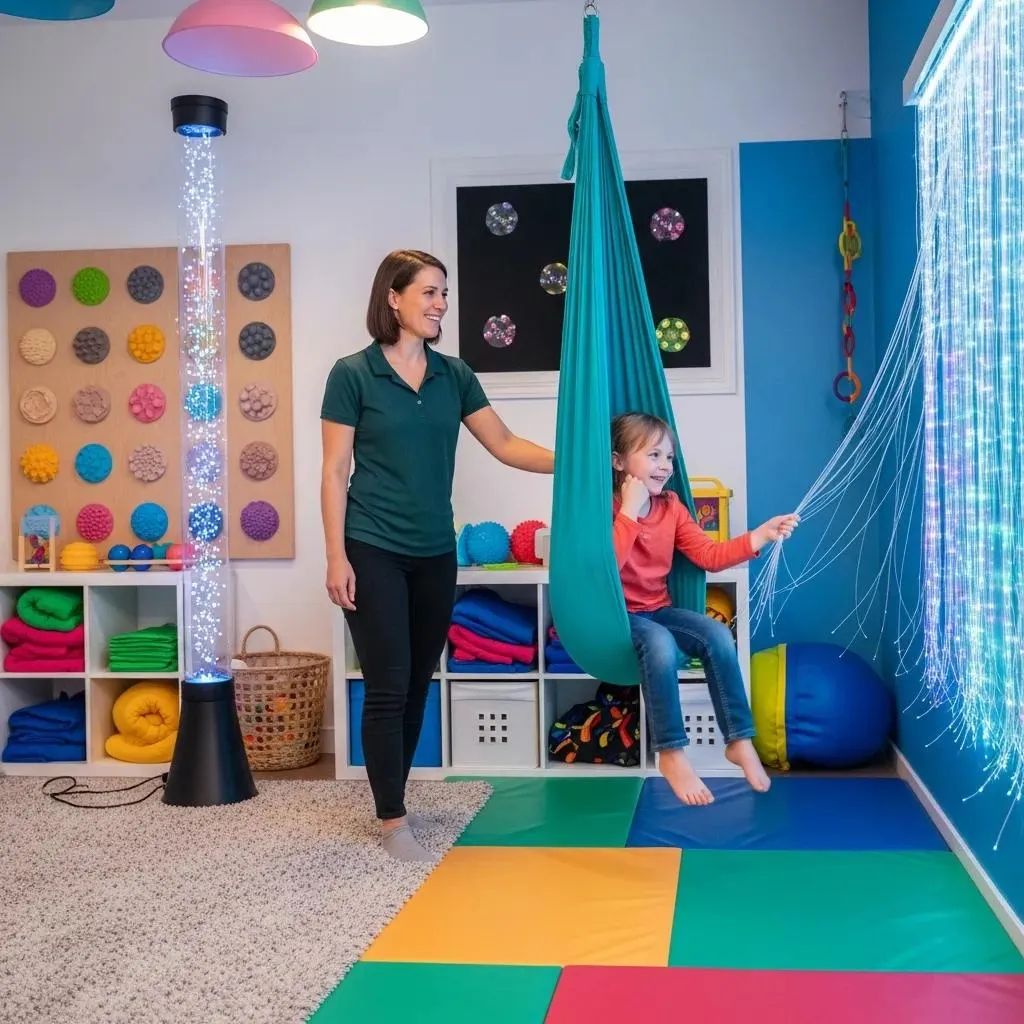
Sensory Processing Disorder Tools: Practical aids families use to manage sensory needs and build comfort with daily activities.
Many children with autism in Tampa experience sensory challenges that make daily routines harder. Sensory integration therapy gives them safe chances to try different sensations in fun, structured ways. Over time, these experiences help reduce overwhelm and increase readiness for play, learning, and social moments. For example, bouncing on a trampoline or exploring textured toys can improve body awareness and tolerance for touch. A sensory integration therapist creates an individualized plan that taps into your child’s interests and strengths — that’s what they do to make therapy meaningful and effective.
Occupational Therapy & Sensory Integration for children with autism
Example: Ten children with autism (ages 4–8) received focused occupational therapy that used sensory integration methods to assess feasibility, safety, and effectiveness.
Reference: Occupational therapy and sensory integration for children with autism: A feasibility, safety, acceptability, and fidelity study, RC Schaaf, 2012

Below are practical sensory integration techniques that many children respond well to:
- Weighted Activities: Weighted blankets or vests provide gentle, deep pressure that feels like a secure hug. This input often helps children calm down and focus better.
- Movement-Based Activities: Swinging, jumping, and spinning support balance and body awareness. Picture your child laughing as they bounce on a trampoline under the Florida sun.
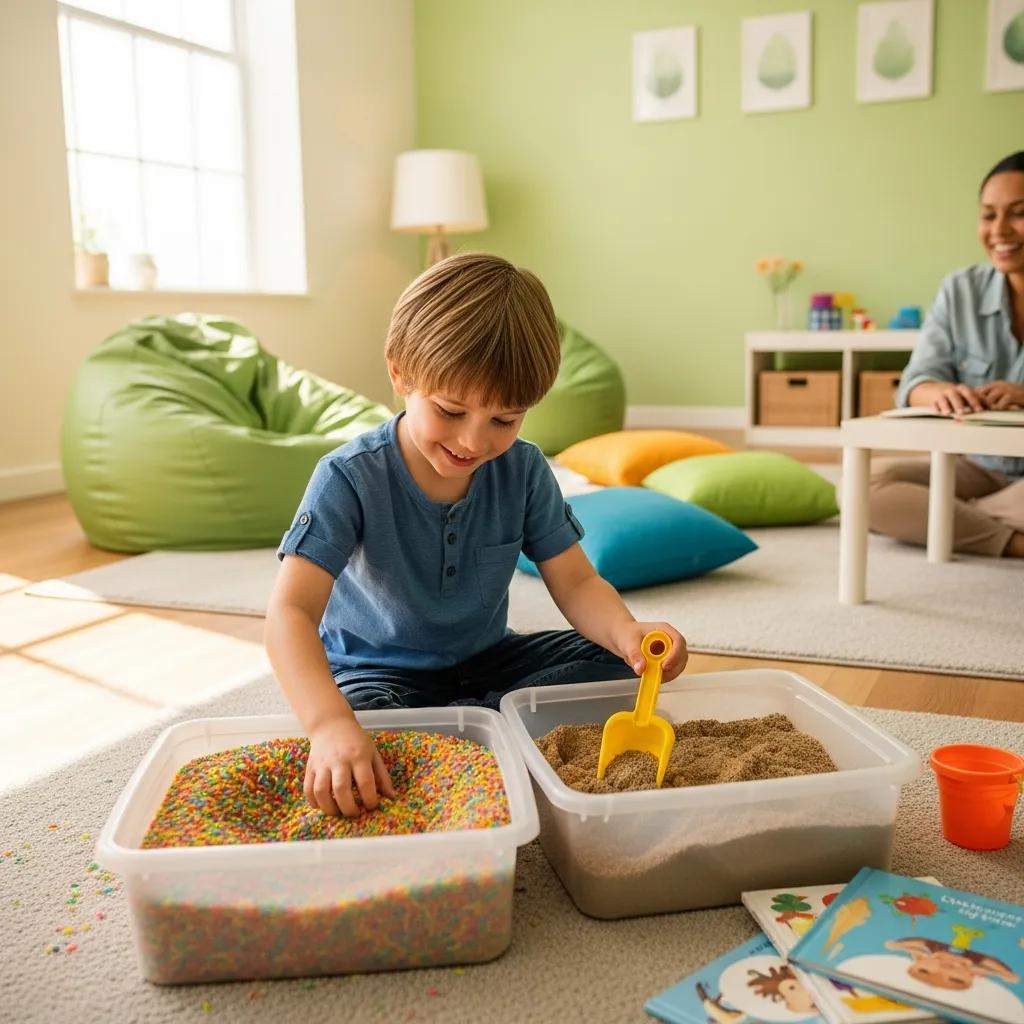
- Tactile Play: Playing with textures — sand, rice, or playdough — lets your child safely explore touch and build tolerance for new sensations.
You can adapt these ideas to fit your child’s interests and needs. Many Tampa families take advantage of outdoor space to make sensory play a regular, enjoyable part of the day.
Wondering, “How can I help my child with sensory processing disorder at home?” Try these simple, low-cost activities:
- Sensory Bins: Fill a container with rice, beans, or sand for digging, scooping, and exploring textures.
- Brushing Therapy: Gentle brushing with a soft toothbrush can be calming for some children when incorporated into a routine.
- Fidget Toys: Small, handheld toys give focused sensory input that can reduce anxiety and improve attention.
These activities keep learning playful and help your child become more comfortable with different sensations.
Occupational therapists in Tampa partner with families to observe how a child responds to sensory input and build a tailored plan. They show you how to incorporate sensory activities into daily routines and provide practical coaching to support progress at home and at school. This collaborative approach strengthens skills and confidence, helping your child meet everyday demands more easily. When parents and therapists work together, results are more consistent and meaningful.
A sensory diet is a customized schedule of activities that provides the right sensory experiences throughout the day. Its goal is to help a child remain calm, alert, and ready to participate. With a therapist’s guidance, you’ll identify the types and timing of activities your child needs — movement breaks, textured play, or quiet time — and build them into your routine. Tampa parents use sensory diets to smooth transitions, manage busy days, and keep kids more balanced.
When planning a sensory diet for a child with autism, think about what calms them and what overstimulates them. Collaborate with an occupational therapist to create a routine that works with your family schedule. You might add calming activities before stressful events or playful sensory input to boost engagement. Research and clinical experience show sensory diets can improve attention and participation when they’re consistent and individualized.
Sensory Diets for Autism: Improving Attention & Participation
Summary: This applied dissertation explored the role of sensory diets and sensory-based interventions, especially in classroom settings where sensory needs are often overlooked. With proper training and resources, teachers and school-based therapists can use sensory-based activities to increase student participation, positive behaviors, and attention..
Reference: Effects of a Sensory Diet on Attention and Participation in Children With Autism, 2019

Try these sensory diet activities at home:
- Jumping on a Trampoline: Adds movement input that supports balance, coordination, and regulation.
- Using a Weighted Blanket: Offers soothing deep pressure during rest or quiet time.
- Playing with Sensory Balls: Textured balls help your child explore touch and build hand skills.
When used regularly, these activities can help your child feel more comfortable and ready for daily tasks.
To know whether therapy is helping, track changes over weeks and months. Look for clearer emotional control, more interest in playing with others, and fewer sensory meltdowns. Therapists use standardized assessments and careful observation to monitor progress. You can keep a simple journal of moods, sleep, and reactions to sensory events — this helps the therapist adjust the plan and celebrate small wins along the way.
Set clear, achievable goals to guide therapy. Common targets include:
- Better Emotional Control: Fewer intense reactions and more ease in returning to calm.
- More Social Interaction: Greater willingness to play and interact with peers and family.
- Improved Sensory Handling: Increased tolerance for everyday sounds, textures, and sights.
Review these goals regularly to track growth and keep therapy focused.
Research and clinical reports indicate that sensory integration therapy can improve how children manage sensory challenges and participate socially. Many case studies show progress in emotional regulation and confidence after individualized therapy. These findings reflect what Tampa families often report: when therapy is tailored and consistent, children make meaningful gains in daily life.
Occupational therapy is central to sensory integration work. Tampa therapists assess each child’s sensory profile, design playful activities to build skills, and coach families on using strategies at home and school. This hands-on, collaborative model helps children practice coping strategies in real situations and strengthens family confidence in supporting their child.
Therapists study what your child enjoys and where they struggle. They use play-based activities and graded challenges so each session meets the child where they are. Therapy follows the child’s lead, which keeps sessions engaging and meaningful. This personalized approach helps your child learn at their own pace while building practical skills.
Common tools therapists use include:
- Weighted Blankets: Provide calming deep pressure during rest or transitions.
- Fidget Tools: Small devices that supply focused sensory input for attention and stress relief.
- Sensory Bins: Containers filled with varied materials for tactile exploration and play.
These tools make sessions enjoyable and help children become more comfortable with different sensations.
Parents are a child’s best advocates and biggest helpers. You can support progress by:
- Using a Sensory Diet: Build sensory activities into your daily routine to consistently meet your child’s needs.
- Playing Together: Join in sensory-rich play to strengthen connection and teach new skills.
- Creating Calm Spaces: Set up quiet corners where your child can pause and regroup when things get overwhelming.
Your involvement makes therapy more effective and helps your child feel secure as they learn.
DIRFloortime is a relationship-based method that uses play to support development. Imagine sitting on the floor with your child, surrounded by simple toys and soft pillows. Instead of directing play, you follow your child’s interest, join their actions, and gently encourage new steps. This approach builds connection, emotional thinking, and communication.
DIR stands for Developmental, Individual Difference, Relationship-based. Floortime means getting down to your child’s level to play, explore, and connect. The model honors each child’s unique sensory and emotional profile and supports them through warm, responsive interaction.
DIRFloortime fits well with sensory integration because it respects how a child experiences the world and uses play to expand comfort and skills. A typical session might involve stacking blocks, making playful sounds, and celebrating small reactions — each moment is a chance to help your child take the next step.
Many Tampa parents find DIRFloortime a loving, practical complement to sensory integration therapy. If you’re wondering, “What is the best sensory therapy for kids with autism?” consider DIRFloortime alongside other targeted therapies to see what best fits your child.
Teletherapy has become a helpful option for many Tampa families. It lets you connect with therapists from home and learn strategies you can use right away. In teletherapy sessions, parents often lead sensory activities while the therapist coaches and gives feedback. Online support groups also connect families across Florida, sharing ideas and local resources. Teletherapy makes it easier to maintain consistent therapy, even on busy days.
- What age is appropriate for sensory integration therapy? Children as young as two years old can benefit, depending on their individual needs.
- How long does therapy typically last? Length varies by child and goals; many families see noticeable progress after several months of regular sessions.
- Can sensory integration therapy be done at home? Yes. Many activities can be practiced at home with guidance from a licensed therapist.
- What should I look for in a sensory integration therapist? Seek a licensed occupational therapist with experience in sensory integration and sensory processing disorder.
Asking these questions helps you find the right support and feel confident in the path forward. Tampa offers many local resources to help families on this journey.
For more information or to schedule a consultation, you can contact us today.
With consistent, individualized sensory integration therapy, many children make meaningful gains in emotional regulation, social participation, and daily function. Using targeted techniques and working closely with an occupational therapist, Tampa families can create routines and environments that help their children feel safer and more capable. Explore the tools and strategies outlined here, and reach out for personalized guidance — we’re here to help your family take the next step.