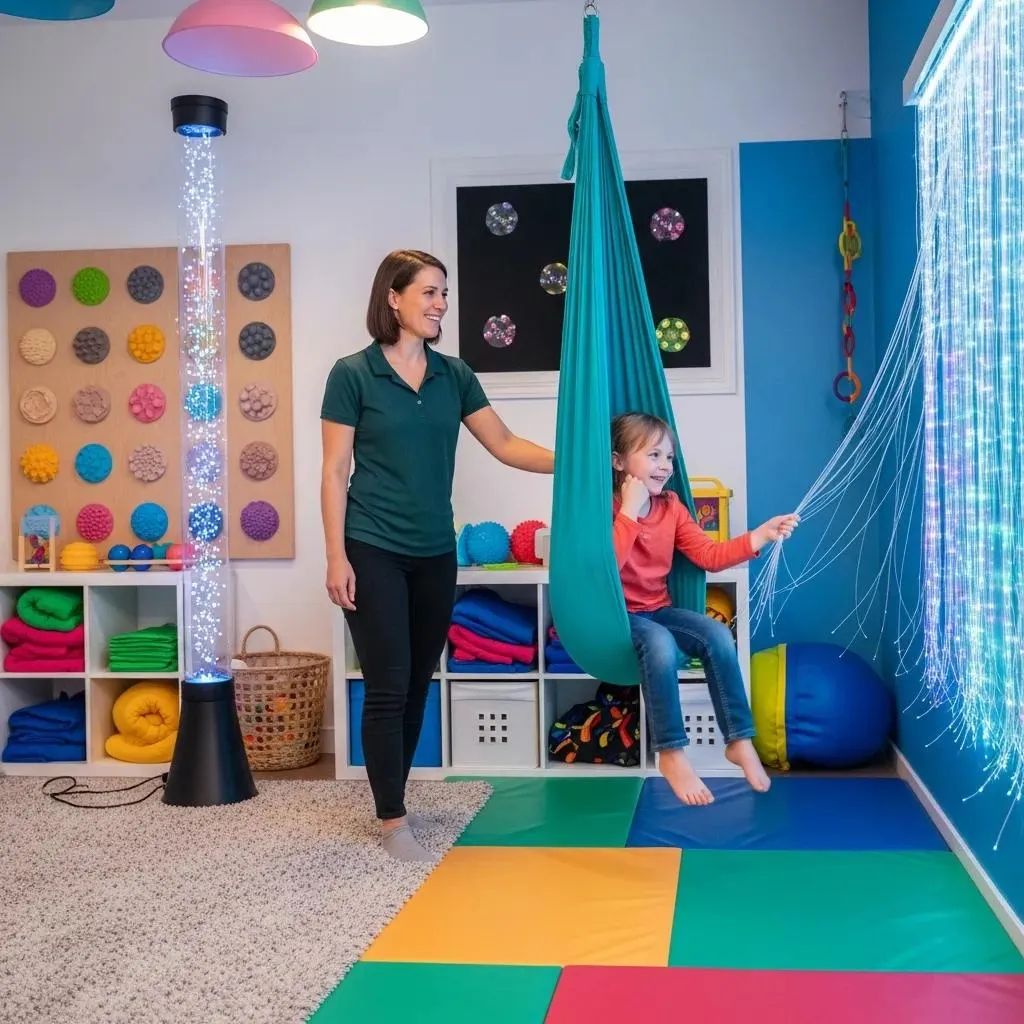

Build Fine Motor Skills With Practical Pediatric Occupational TherapyTechniques
Fine motor skills are the precise hand and finger movements children use every day — from writing and buttoning to using utensils. These abilities depend on the coordinated action of the small muscles in the hand and good finger dexterity. This article reviews pediatric occupational therapy approaches to strengthening fine motor competence and offers clear, practical guidance for parents and caregivers on identifying concerns, supporting practice at home, and tracking progress over time. If you’re wondering, How can I find pediatric occupational therapy near me that really helps?, this guide will point you to useful next steps.
Key Takeaways
- Fine motor skills are the coordinated movements of the hands and fingers that support daily tasks and school readiness.
- Spotting delays early allows families to access pediatric occupational therapy sooner, improving outcomes.
- Therapy blends playful, engaging activities with targeted practice to build hand-eye coordination and dexterity.
- The DIRFloortime approach increases engagement through relationship-based play, boosting motivation and learning.
- Parents can reinforce progress at home with simple activities like playdough, beading, and guided scissor practice.
- Regular, focused occupational therapy often produces measurable gains in a matter of months.
- Ongoing assessment helps therapists personalize plans to address each child’s specific fine motor needs.
- Embedding therapy strategies into daily routines supports independence and helps children generalize skills.
- Effective pediatric occupational therapy empowers families and supports lasting progress in school and daily life.
What Are Fine Motor Skills and Why Are They Critical in Pediatric Development?
Fine motor skills refer to using the small muscles of the hands and fingers to perform precise actions. These skills are central to a child’s independence and academic success — they enable writing, drawing, self-care, and many classroom activities. When children fall behind expected milestones, their participation at school and in social settings can be limited, which makes timely assessment and intervention important for healthy development.
Defining Fine Motor Skills: Key Components and Developmental Milestones
Fine motor development includes hand-eye coordination, manual dexterity, and grip strength. Typical milestones include reaching for objects around 3–4 months, grasping toys between 4–6 months, and showing a pincer grasp by 9–12 months. By age three, many children can copy simple shapes; by five they often form some letters and begin using scissors. These benchmarks help caregivers decide when a further check or evaluation may be needed.
How Delays in Fine Motor Skills Impact Child Growth and Learning
Delays in fine motor skills can affect classroom performance and everyday independence, often leading to task avoidance and reduced confidence. Struggles with writing can affect school outcomes, while difficulty with dressing or feeding can limit autonomy. Early identification and occupational therapy support reduce these barriers and help children participate more fully at home and at school.
Research shows that early intervention is associated with measurable improvements in motor development and daily function.
Early Intervention Improves Children’s Fine Motor Development
Use of early intervention services led to significant improvements in both gross and fine motor development across the observed periods.
Outcomes of utilizing early intervention services on the motor development of children with undefined developmental delay, LY Lin, 2019
What Are the Signs That Indicate a Child Needs Pediatric Occupational Therapy?
Noticing specific performance issues early makes it easier to get a timely referral to pediatric occupational therapy. Caregivers should compare a child’s daily skills against age-appropriate expectations and seek an assessment when challenges persist. If you’re asking, “How do I know if my child needs occupational therapy for fine motor skills?” watch for the signs below.
Recognizing Developmental Red Flags in Fine Motor Skill Progression
Common red flags include trouble holding a pencil correctly, difficulty fastening clothing, or ineffective use of utensils. If a child consistently can’t do tasks that peers manage at the same age, a professional evaluation is warranted. You may also notice task avoidance or frustration during fine motor activities.
Studies also describe specific functional difficulties that children face during home-based learning.
Assessing Fine Motor Skills in Home-Based Learning
This study evaluated fine motor performance of learners with intellectual disabilities in home-based settings. Participants were proficient in buttoning, unbuttoning, zipping, and unzipping, but demonstrated limited proficiency in snapping, unsnapping, and shoe lacing.
Assessing fine motor skills of learners with intellectual disabilities in home-based learning, 2023
When and How to Seek Professional Occupational Therapy Evaluation
Families should request a professional occupational therapy evaluation when persistent fine motor challenges affect daily activities. Evaluations usually include standardized tests and observational measures of the child’s motor skills and functional performance. Parents can arrange an evaluation with a pediatric therapy provider, such as SkillPoint Therapy, which offers specialized pediatric occupational therapy services. Early assessment helps create a focused intervention plan and improves the chances of better outcomes.
A thorough assessment guides therapy choices; research outlines the common domains and tools clinicians use in pediatric practice.
Pediatric OT Assessment Tools & Evaluation Trends
Objective: This study investigated trends in the use of occupational therapy assessment tools by pediatric occupational therapists. Methods: A survey questionnaire was employed for data collection. The instrument addressed ten areas: occupational performance, activities of daily living, education, play, sensory-perceptual function, motor and praxis, cognition, social interaction skills, developmental status, and physical examination.
Current trend in use of occupational therapy assessment tool by pediatric occupational therapist, 2018
How Do Pediatric Occupational Therapy Sessions Enhance Fine Motor Skill Development?
Pediatric occupational therapy sessions use targeted activities to build fine motor control, with an emphasis on gradual progression of practice and on helping children apply skills across settings.
Overview of Therapy Techniques and Session Structure

Therapists combine playful tasks, structured crafts, and focused exercises to improve hand-eye coordination and dexterity. Sessions are designed around clear goals — for example, improving scissor use or manipulating small objects — and are tailored to the child’s developmental level, interests, and motivation.
Role of DIRFloortime Therapy Approach in Supporting Child Engagement
The DIRFloortime model is a relationship-driven approach that promotes emotional and social growth through play. It stands for Developmental, Individual-differences, Relationship-based, and meets children where they are, using meaningful interaction to encourage development. In practice, therapists follow the child’s lead and build on interests to create a warm, responsive setting that supports motivation and sustained participation. This helps develop attention, communication, and problem-solving skills that support fine motor learning.
For example, a therapist might join a child’s interest in stacking blocks or threading beads, responding to cues to extend attention and gradually introduce more precise hand movements. This reduces frustration and makes practice feel more natural and rewarding.
Caregivers and teachers can use DIRFloortime techniques at home or in school by observing what engages the child and joining in play to expand learning opportunities. Simple strategies include following the child’s lead, turning practice into play, and keeping the setting low-pressure to encourage repeated attempts. These steps help skills transfer across environments.
Clinical experience and research indicate DIRFloortime can be especially helpful for children who struggle with engagement or sensory differences, making it a strong complement to standard occupational therapy methods. If you’re asking, what are the best pediatric occupational therapy techniques for my child’s fine motor skills? DIRFloortime offers a child-centered, compassionate way to make progress.
At Skill Point Therapy, our team is glad to share practical tips for bringing DIRFloortime and other effective techniques into everyday life. We invite parents to reach out with questions or to learn how we tailor approaches to each child. We believe in partnering with families to build confidence and steady progress.
Which Fine Motor Skill Development Activities Can Parents Implement at Home?
Caregivers are key partners in reinforcing therapy goals by adding focused practice into daily life. Regular, short practice sessions in familiar settings speed skill learning and help children apply abilities where they matter most.
Effective Exercises to Support Hand-Eye Coordination and Dexterity
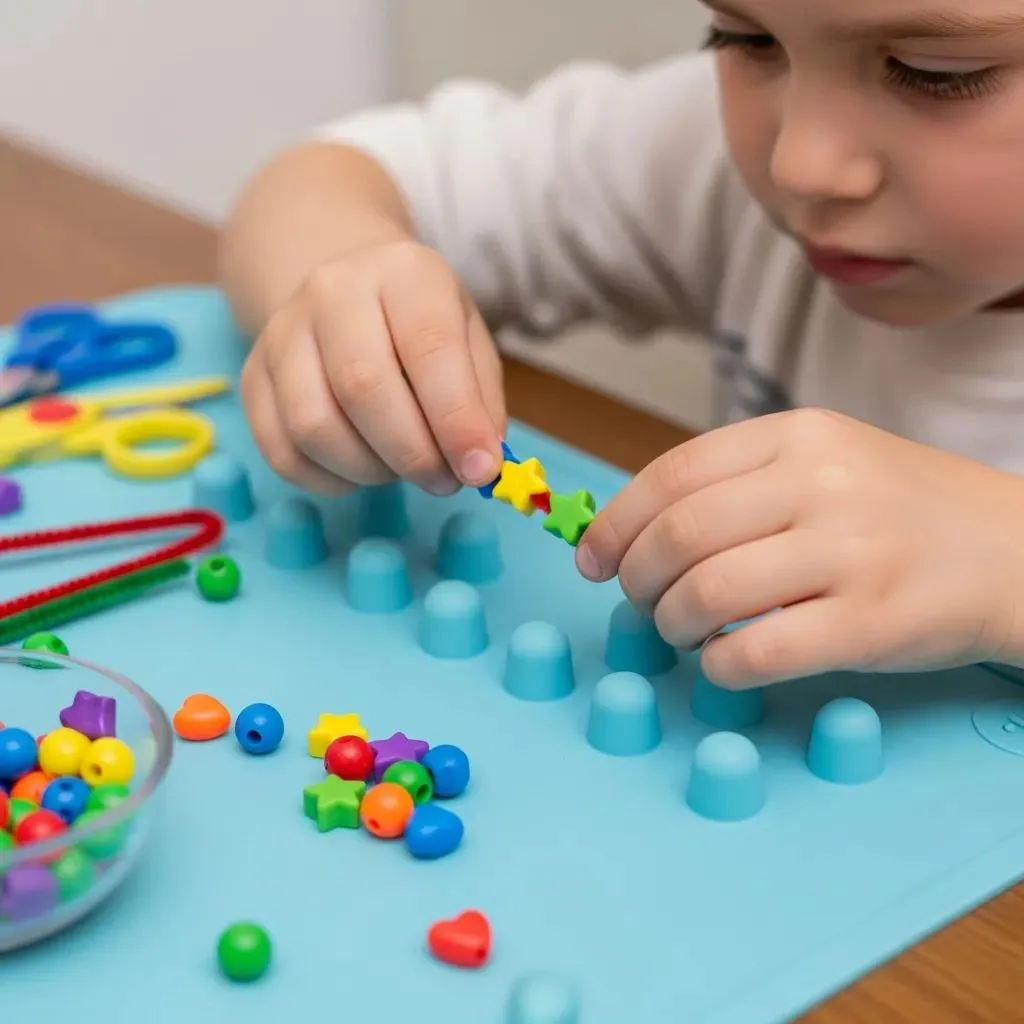
- Playdough Manipulation: Rolling, squashing, and cutting playdough strengthen hand muscles and improve finger control.
- Beading Activities: Stringing beads helps refine hand-eye coordination and a steady grasp.
- Scissor Skills: Practicing cutting along lines or simple shapes builds grip stability and coordination.
These activities support fine motor growth while allowing age-appropriate creativity and purposeful practice. If you’re searching for ways to improve your child’s fine motor skills at home, these are approachable places to start.
Integrating Therapy Principles into Daily Routines for Optimal Outcomes
Putting therapy ideas into everyday routines boosts their impact. Encourage children to participate in self-care tasks such as dressing and feeding to naturally practice fine motor skills. Repeating small challenges within familiar routines helps skills stick and promotes independence.
What Are the Measurable Benefits of Pediatric Occupational Therapy for Children?
Pediatric occupational therapy leads to measurable gains in task performance, daily independence, and classroom participation for children with fine motor delays. If you’ve asked, “Can occupational therapy help my child with fine motor delays?” the evidence shows that targeted intervention supports meaningful progress.
Evidence-Based Outcomes Demonstrating Therapy Effectiveness
Controlled studies and clinical reports show significant improvements in fine motor skills after consistent occupational therapy, with many children demonstrating functional gains within several months of focused work.
Long-Term Developmental Advantages and Family Empowerment
Over time, benefits include lasting improvements in motor skills and greater family confidence through education on supportive strategies. Together, these changes help create a predictable environment that supports ongoing progress.
For details on how SkillPoint Therapy can support your child, contact the provider directly.
Frequently Asked Questions
At what age should children start developing fine motor skills?
Fine motor development begins in infancy: reaching around 3–4 months and grasping by 4–6 months. By three years, many children copy simple shapes; by five, many form some letters and use scissors. Caregivers should watch these milestones and seek assessment if delays appear.
How can I support my child’s fine motor skills outside of therapy sessions?
Families can reinforce progress with short, structured home activities like playdough, beading, and supervised scissors practice. Folding laundry, buttoning clothes, and mealtime tasks are excellent daily opportunities for practice.
What should I expect during a pediatric occupational therapy session?
Expect goal-focused sessions that mix play-based activities, functional tasks, and specific exercises tied to your child’s assessed needs. Therapists use engagement strategies to keep children motivated while systematically progressing targeted skills.
Are there specific tools or materials used in occupational therapy for fine motor skills?
Therapists often use playdough, scissors, beads, and craft materials to build grip strength, coordination, and dexterity. Materials are selected for age and therapeutic goals.
How can I identify if my child is struggling with fine motor skills?
Look for trouble with age-expected tasks: difficulty holding a pencil, fastening clothes, or avoiding hands-on activities. Consistent issues beyond typical age ranges suggest a professional evaluation is needed.
What role does play have in developing fine motor skills?
Play creates natural chances for repeated, purposeful practice that builds dexterity and coordination while supporting creativity and problem-solving. Blending play with clear goals accelerates learning and retention.
How long does it typically take to see improvements from occupational therapy?
Time to visible improvement varies by child and intensity of intervention; many families see noticeable progress within several months of consistent, targeted therapy, with ongoing assessments guiding adjustments.
Conclusion
Pediatric occupational therapy supports children in gaining fine motor independence and school readiness. Early detection and focused intervention lead to better outcomes, and caregiver-led practice helps sustain gains. At Skill Point Therapy, we understand the hopes and concerns families carry for their children. Our compassionate team partners with you, offering personalized care and practical guidance every step of the way. Reach out anytime to learn how we can help your child thrive in a supportive, empowering environment.