Practical Speech Therapy Techniques to Help Your Child Speak More Clearly
Helping your child speak clearly is a vital part of their communication development. Many parents want straightforward, evidence-based steps they can use at home to support clearer, more confident speech. This article walks through typical milestones, practical articulation and oral-motor exercises, and the real difference family involvement makes. With these tools, caregivers can create consistent routines that lead to measurable gains in speech clarity.
If you’re a parent or caregiver in Brandon, FL, or nearby neighborhoods like Valrico, Riverview, and Bloomingdale, these strategies can be especially useful. Skill Point Therapy serves families across the Brandon area, offering personalized pediatric speech therapy near Brandon to support your child’s communication journey.
Child Speech Development Milestones: What They Reveal About Clarity
Milestones give caregivers concrete ways to track a child’s communication progress and spot possible delays. Knowing what to expect helps families respond early and with evidence-based approaches. Most noticeable gains in clarity and vocabulary happen between birth and age five.
Which Speech Development Milestones Should Parents Watch in Early Childhood?
Families should look for several well-established milestones, including:
- Milestones from 6 to 12 months: Infants usually begin babbling and may use simple sounds like “mama” or “dada.”
- Milestones from 12 to 24 months: Around their first birthday, the persistence of clarity concerns many children who say one or two words and respond to simple directions. By 24 months, a typical vocabulary is about 50 words or more.
- Signs of clarity improvement: As children near age three, they often start combining words into short sentences—an important sign of clearer, more connected speech.
Regularly checking these milestones helps families decide whether development looks typical or if extra support may be needed.
How to Spot Signs of Speech Delay in Toddlers
Early detection lets families get help sooner. Watch for these common warning signs:
- No babbling by 12 months: If a child isn’t babbling or making speechlike sounds by their first birthday, that can be an early red flag.
- Limited vocabulary by 2 years: Most two-year-olds have around 50 words; far fewer may signal the need for support.
- Difficulty following instructions: Trouble understanding or acting on simple directions can indicate a communication delay.
Spotting these signs early increases the chances that targeted interventions will improve speech clarity and overall development.
Identifying Speech & Language Delay Warning Signs
Risk factors for speech and language disorders include family history of delay, male sex, and low birth weight. Early detection of developmental delays or disabilities, including autism spectrum disorder, is essential to optimize outcomes. Warning signs in the development of speech, language, and communication: When to refer to a speech‑language pathologist, 2011
How To Improve Articulation in Children: Practical, Proven Exercises
Clearer articulation comes from focused practice that builds motor control and sound production. The most effective exercises are simple, repeatable, and fit into daily life so children get frequent, low-pressure practice.
What Are Effective Articulation Exercises for Better Speech Clarity?
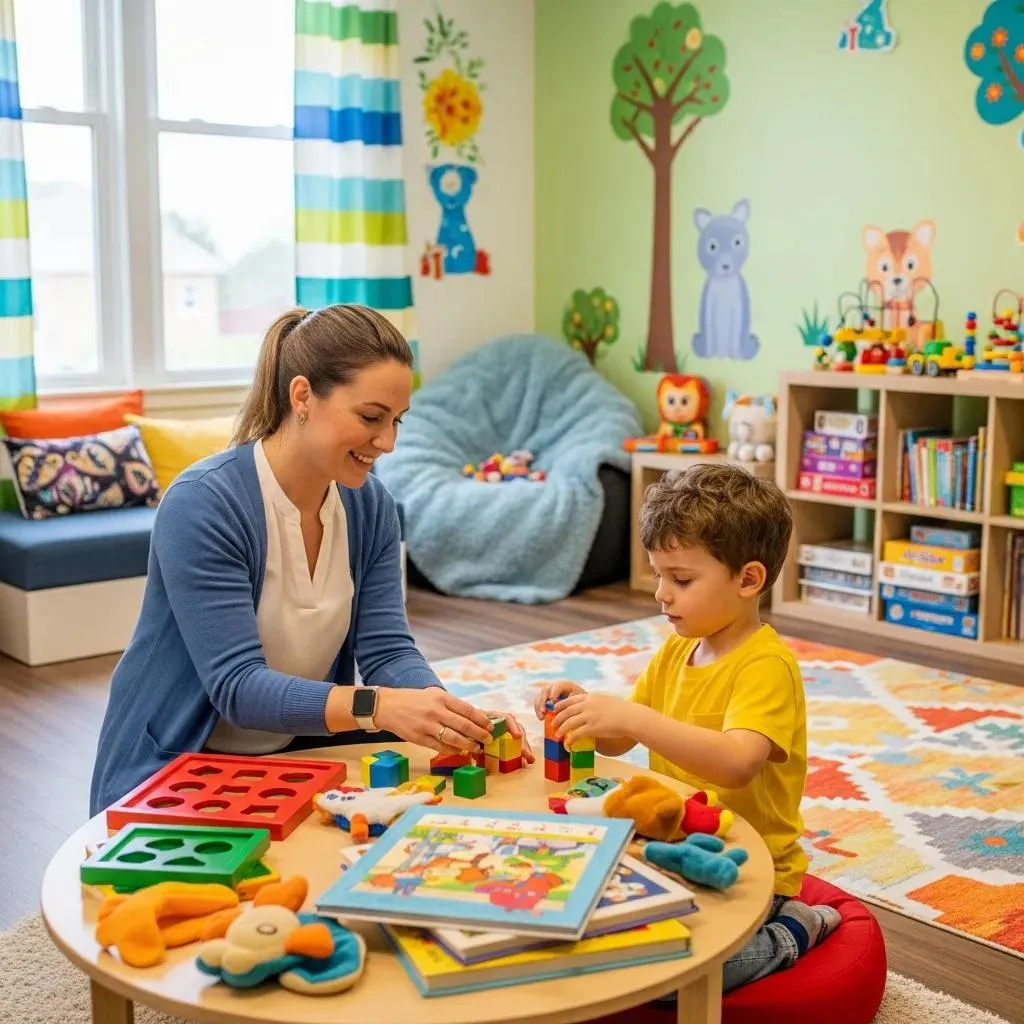
Try these straightforward practices that families and clinicians commonly use:
- Breathing exercises: Teaching breath control helps children produce clearer, steadier speech.
- Tongue twisters: Playful but challenging phrases boost pronunciation skills and build confidence.
- Reading aloud: Short, supported reading sessions give repeated practice with speech patterns and new words.
When used consistently, these activities sharpen articulation and help children speak with greater clarity in everyday conversations.
How Do Oral Motor Skills Exercises Help Create Clearer Speech?
Oral motor exercises train the muscles needed for speech—improving strength, coordination, and timing so sounds come out more accurately.
- Strengthening speech muscles: Blowing bubbles or using a straw can build lip and cheek strength for clearer speech.
- Coordination and control: Games that move the tongue and lips improve the precise movements needed for specific sounds.
- Activities to enhance skills: Singing, rhymes, and playful oral-motor games make practice enjoyable and effective.
Adding these activities to regular practice routines supports the neuromuscular skills that underlie intelligible speech.
Speech Therapy Techniques at a Glance
When Should You Seek Professional Speech Therapy for Your Child?
Deciding when to consult a professional depends on observed milestones and the persistence of clarity concerns. Early evaluation tends to lead to better outcomes.
What Signs Mean It’s Time to See a Pediatric Speech Therapist?
Consider a pediatric speech‑language pathologist evaluation when you notice measurable concerns, such as:
- Limited vocabulary: Fewer than 50 words by age two is a common threshold for seeking help.
- Difficulty following directions: Trouble understanding or acting on simple instructions can indicate a need for evaluation.
- Unclear speech: If speech remains difficult to understand by age 3 or 4, a consultation is recommended.
Early recognition leads to timely assessment and a therapy plan tailored to your child’s needs.
What is the best speech therapy for kids near Brandon, FL? The most effective approach combines personalized, evidence-based techniques with family coaching—exactly the type of care Skill Point Therapy provides to families in Brandon and nearby communities.
How Does Early Intervention Affect Speech Clarity?
Research shows early intervention delivers meaningful gains in speech clarity. Children who start therapy sooner often make faster, more lasting progress.
- Improved communication skills: Early therapy helps children express themselves more clearly and effectively.
- Long-term success: Timely support increases the likelihood of stronger communication as children grow.
- Prevention of future difficulties: Addressing delays early can reduce later challenges with language and learning.
Understanding these benefits encourages prompt referrals and steady involvement in therapy programs.
How do I know if my child needs speech therapy in Brandon? If your child has a limited vocabulary, struggles to follow simple instructions, or is hard to understand by age three, it’s a good idea to seek an evaluation from a pediatric speech therapist near Brandon.
Family Strategies That Boost Your Child’s Speech Clarity
Family involvement is one of the strongest predictors of therapy success. Caregivers create the everyday opportunities for practice, encouragement, and skill generalization.
How Can Families Fit Speech Exercises into Daily Life?
Simple, practical strategies make consistent practice realistic for busy families:
- Modeling clear speech: Speak clearly and slowly when talking with your child so they hear precise examples.
- Engaging in play-based activities: Turn practice into playtime—games and role-play keep children motivated.
- Reading together: Regular reading introduces new vocabulary and provides repeated practice with sounds and sentences.
Using these approaches consistently creates a language-rich home that supports therapy goals.
Where can I find a pediatric speech therapist near me in Brandon, FL? You can find expert pediatric speech therapy near Brandon at Skill Point Therapy’s Brandon location, where families from Valrico, Riverview, Bloomingdale, and surrounding areas receive individualized care.
Why Does Consistent Family Involvement Matter?

When families practice skills at home, therapy targets are reinforced in real-life moments. That consistency speeds progress and helps children use skills across settings.
- Reinforcement of skills: Home practice strengthens what’s learned in sessions.
- Alignment of therapy goals: Family members can apply the same strategies to support consistent progress.
- Identification of challenges: Caregivers often notice specific difficulties that guide more focused practice.
Active family participation helps skills generalize and lets therapists fine-tune plans based on everyday performance.
Research highlights family engagement as a key driver of successful early intervention outcomes.
Family Engagement in Early Childhood Speech Development
Family engagement—defined as investment and active involvement—is a fundamental component of early intervention services, supporting children’s development across contexts. What does a family who is “engaged” in early intervention look like? Perspectives of Australian speech‑language pathologists, C Meyer, 2021
Which Evidence-Based Speech Therapy Techniques Deliver Measurable Improvements?
Choosing research-backed methods helps ensure that progress is real and trackable. Clinicians should base plans on peer‑reviewed evidence and ongoing measurement.
How Do Personalized Therapy Plans Address Each Child’s Needs?
Personalized plans use assessments, regular progress checks, and parent coaching to focus on what each child specifically needs.
- Customized strategies: Plans are tailored to the child’s unique speech challenges and strengths.
- Regular assessments: Frequent checks let clinicians adjust goals and methods as progress occurs.
- Integration of parent coaching: Coaching helps caregivers reinforce targets between sessions.
Individualized protocols generally produce more efficient progress toward meaningful communication goals.
What Research Supports Home-Based Articulation Practice?
Studies show that consistent home-based articulation work accelerates improvement in speech clarity when it’s well structured and monitored.
- Effectiveness of home exercises: Children who practice at home often show measurable gains in clarity.
- Long-term benefits: Regular practice supports lasting changes in speech patterns.
- Research citations: Multiple studies document the positive impact of daily, guided home practice on speech development.
This evidence underscores why therapists routinely include home practice in comprehensive treatment plans.
Additional research continues to confirm the value of consistent, guided home-based articulation practice for improving speech clarity.
Home-Based Articulation Practice for Speech Clarity
Multiple studies have evaluated articulation practice sessions, outlined realistic objectives for each level, and recommended daily recording of practice results. Effects of a home‑based articulation program on student speech production, 1983
SkillPoint Therapy provides specialized services that address communication challenges, including speech clarity, for children and families. By using evidence-based methods and personalized plans, SkillPoint Therapy supports families across Brandon, FL, and nearby communities such as Valrico, Riverview, and Bloomingdale.
What speech therapy techniques work best for toddlers? For toddlers, short, play-based activities, oral motor exercises, and simple articulation practices like breathing games are most effective—these approaches engage young children in developmentally appropriate, fun ways.
Frequently Asked Questions
What are some common causes of speech delays in children?
Speech delays can come from many sources, including hearing issues, neurodevelopmental conditions, and environmental factors. Hearing loss—temporary or permanent—can make it hard to learn speech sounds. Conditions such as autism or intellectual disability may affect language development. Limited exposure to rich, responsive language or inconsistent communication at home can also slow progress. Identifying the root cause is essential for planning effective intervention.
How can parents encourage their child’s speech development at home?
Parents can boost speech development by building a language-rich environment: talk with your child often, respond to their attempts to communicate, read together, and encourage storytelling. Model clear speech, introduce new words in meaningful contexts, and use play to practice sounds. Praise effort and small gains to keep your child engaged.
What role does play have in speech therapy for children?
Play creates a relaxed, natural setting for practicing speech and language. Through pretend play, songs, and interactive games, children try out new words and sentence structures without pressure. Play also helps therapists embed targets in motivating activities, making practice more effective.
Are there specific age ranges when speech therapy is most effective?
Therapy tends to be most effective when started early—especially between ages two and five, when the brain is highly adaptable. That said, therapy can help at any age; earlier support typically leads to faster and more lasting gains, but it’s never too late to start.
How can technology assist in speech therapy for children?
Technology can enhance therapy by offering interactive practice tools, tracking progress, and expanding access through telepractice. Speech apps provide structured exercises and gamified practice, while online resources help caregivers reinforce skills between sessions.
What should parents expect during a speech therapy session?
Expect an individualized, structured approach. Sessions usually begin with an assessment, followed by focused activities chosen to address specific goals. Therapy may include articulation drills, language-building games, and oral motor work. Therapists will coach caregivers on how to practice at home to keep progress moving between appointments.
Conclusion
Improving a child’s speech clarity is achievable with targeted techniques and steady family involvement. Knowing milestones, using structured exercises, and seeking timely help when needed increase the chance of strong, lasting results. Consistent practice and early referral remain key to better long-term outcomes.
Schedule a Consultation with Skill Point Therapy in Brandon, FL
If you live in Brandon, FL, or nearby communities such as Valrico, Riverview, or Bloomingdale, and are looking for expert speech therapy for kids, Skill Point Therapy can help. Our experienced team provides personalized pediatric speech therapy near Brandon that’s tailored to your child’s needs. Don’t wait—contact us to schedule a consultation and take the next step toward clearer, more confident speech.
Call us at +1 (813) 491-8300to book your appointment.