


When do you think I should be Concerned About My Child’s Speech Development?
Signs of Speech Delay in Children: A Simple Guide

- No Babbling by 12 Months: Most babies start making sounds like "ba" or "da" by their first birthday. If your child isn't babbling, it could be a sign of delay.
- Few or No Words by 18 Months: By this age, kids usually say a few simple words like "mama" or "dada." If your child isn't saying any words, it might be time to check in with a professional.
- Difficulty Following Simple Instructions by Age 3: If your child has trouble understanding or following easy commands, it could mean they need extra help with speech or language.
When do you think you should be concerned?
- No Babbling by 12 Months: This is a big milestone. If your child isn't babbling, talk to your doctor.
- Less Than 10 Words by 18 Months: If your child has fewer than 10 words, it's a good idea to get an evaluation.
- Not Combining Words by Age 2: By age 2, kids usually start combining two words, like "more juice." If your child isn't doing this, it might be a sign of delay.
Why Get a Professional Evaluation?
- Early Checkups Help: The sooner you find out if your child has a speech delay, the sooner you can start helping them.
- Speech Therapists Make Plans Just for Your Child: They look at your child's needs and create fun, helpful activities to improve speech.
How Can You Support Your Child’s Speech at Home?
- Talk Often: Chat with your child about what you're doing. This helps them learn new words.
- Play and Learn: Use toys and games to make learning words fun.
- Make a Language-Rich Space: Read books, sing songs, and have lots of conversations around your child.
Why Is Early Intervention Important?
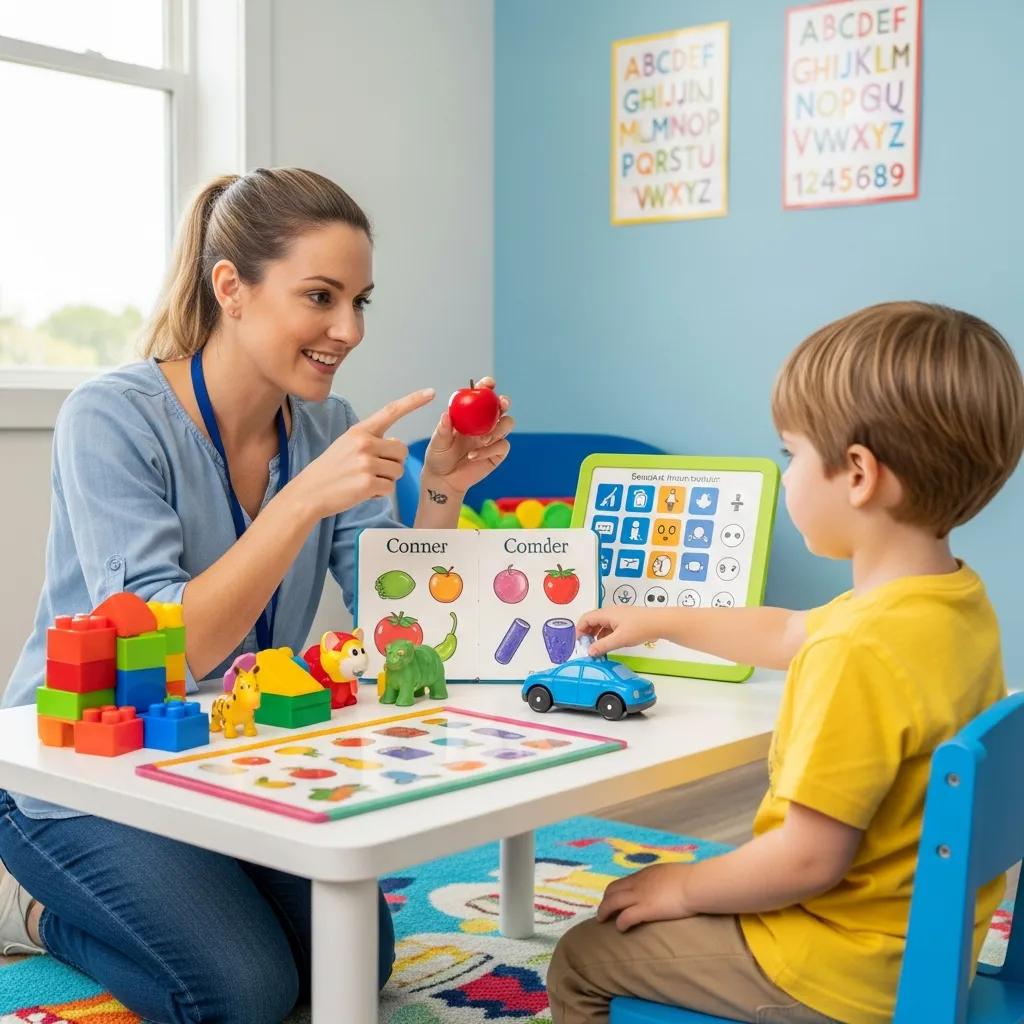
What Speech Milestones Should I Watch For?
- By 6 Months: Your baby recognizes familiar voices and turns toward sounds.
- By 12 Months: Your child says simple words like "mama" or "dada" with meaning and babbles often.
- By 18 Months: Your child uses at least 10 words and points to things they want.
- By 2 Years: Your child uses about 50 words and starts putting two words together, such as " more milk or daddy ".
- By 3 Years: Your child uses simple sentences with 3 to 4 words, and strangers can understand most of what they say.
- By 4 Years: Your child tells short stories, asks lots of questions, and speaks in full sentences.
- By 5 Years: Your child speaks clearly, uses complex sentences, and can carry on a full conversation.
Common Signs of Speech Delay in Toddlers
- No Babbling by 12 Months: This is a big sign to watch for.
- Fewer Than 50 Words by Age 2: If your toddler isn't saying many words, it's time to ask for help.
- Struggles to Follow Simple Instructions: If your child can't understand easy commands, they might need support.
When Should My Child Start Talking? When Is Early Speech Therapy Needed?
- No Sounds by 6 Months: Babies usually start making sounds by this age. If not, talk to your doctor.
- No Meaningful Words by 15-18 Months: If your child isn't using words like "mama" or "dada" meaningfully, get an evaluation.
- Limited Words by 24 Months: Kids should have a growing vocabulary by 24 months. If not, it's time to get help.
What Happens During a Speech Therapy Evaluation at SkillPoint Therapy?
- Full Check of Speech and Language: The therapist will see how your child makes sounds, uses words, and understands what you say.
- Tests and Watching Your Child: They use special tests and watch your child play and talk to learn more.
How Does the DIRFloortime Model Help Speech and Emotions?

Why Combine Occupational and Speech Therapy?
When do you think you should schedule a Speech Therapy Evaluation?
- You Notice Ongoing Speech or Language Problems: If your child still has trouble talking or understanding, it's time to get help.
- Early Help Matters: The sooner you get an evaluation, the sooner your child can start improving.
Frequently Asked Questions
What are the long-term effects of untreated speech delays in children?
How can parents encourage speech development at home?
What role do siblings play in a child’s speech development?
Are there specific activities that can help with speech delays?
How can technology assist in speech development for children?
What should I do if I suspect my child has a speech delay?
How can I find a qualified speech therapist for my child?
Conclusion
Take the First Step Today
References

Nicole Bilodeau, MS, OTR/L, is an occupational therapist and founder of Skill Point Therapy in Tampa and Brandon. She leads a skilled team that provides speech and pediatric occupational therapy, supporting children with autism, ADHD, sensory processing disorders, social skills challenges, and motor development issues. Nicole is dedicated to helping every child reach milestones and thrive at home, school, and in the community