


20 Things Parents, Educators, and Caregivers Should Know About
Autism is often discussed but not always well understood. Many common myths come from outdated ideas or a narrow view of what autism “looks like.” If you’re a parent in Tampa, Florida, looking for clear, practical information, it helps to approach autism with compassion, curiosity, and accurate facts.
Autism shows up in many different ways and is unique to each person. For families in Tampa, Brandon, and nearby communities, seeing autism through a respectful, development-focused lens makes a real difference in how children are supported at home, in school, and in therapy. Local pediatricians in the Tampa area recommend early screening and professional evaluation so children can get the support they need.
Below are twenty core facts meant to move understanding from confusion or concern to clarity, acceptance, and practical support. These points are intended to empower parents and caregivers to recognize signs and seek appropriate help.
Key Takeaways
- Autism is a lifelong neurological difference that comes with a mix of strengths and challenges.
- Every autistic person is different, so supports should be individualized.
- Sensory sensitivities and stimming are ways people cope—not misbehavior.
- Communication takes many forms; nonverbal methods are valid and meaningful.
- Consistent routines help lower anxiety and support emotional regulation.
- Meltdowns are signs of overload, not willful defiance.
- Autism appears across cultures and genders; girls and some minorities are often overlooked.
- Respecting autistic identity and needs improves quality of life more than trying to change core traits.
- Parents and educators are essential advocates for tailored therapies and inclusive environments.
Understanding Autism: The Basics
1. Autism is neurological, not behavioral
Autism reflects how the brain develops and processes information. Behaviors are often the first clue, but they’re expressions of neurological differences—not intentional misbehavior. A child who avoids eye contact or has trouble with social situations is showing how their brain works, not acting out. Families in Brandon, Florida, say that recognizing this helps reduce frustration and build empathy.
2. Autism is a spectrum, not a straight line

Autism covers a wide range of abilities and challenges—there’s no simple “more” or “less” autistic. Some children may shine in memory, pattern recognition, or art while needing help with communication or sensory processing. Understanding the spectrum helps families see each child’s unique profile and find supports that match. The Centers for Disease Control and Prevention (CDC) emphasizes that a personalized approach matters because individuals experience autism differently.
3. No two autistic people are the same
Even with the same diagnosis, children can look very different. One child may speak in full sentences while another does not use spoken language. One may prefer a strict routine; another may be flexible in some areas. What helps one child may not help another, so Brandon-area specialists stress tailoring supports to each child’s needs.
4. Autism is lifelong, not something you grow out of
Autism isn’t something a person simply “grows out of.” People change and learn throughout life while remaining autistic. Early intervention can teach important skills—communication, social interaction, and self-regulation—but autism stays part of a person’s identity. Tampa families are encouraged to focus on growth, support, and adapting environments rather than trying to “fix” autism, as recommended by the American Academy of Pediatrics (AAP).
Sensory, Communication, and Behavior Differences
5. Many autistic people have big sensory differences
Everyday sights, sounds, textures, smells, and movements can feel intense or overwhelming. A child might cover their ears in a noisy place or refuse certain fabrics. These sensory experiences shape how a child interacts with the world and can influence behavior. Learning a child’s sensory needs lets caregivers create calmer, more supportive environments.
6. Stimming helps with regulation, not misbehavior
Repetitive actions like hand-flapping, rocking, or humming often help regulate sensory input and emotions. Rather than stopping these behaviors, caregivers in Tampa are encouraged to view stimming as a helpful coping strategy that brings comfort and stability.
7. Autism is not caused by bad parenting
Autism is a neurodevelopmental condition, not the result of parenting styles or discipline. Families in Brandon often feel relief when they learn autism has biological roots, not parental fault. That shift reduces stigma and makes it easier to focus on supportive strategies.
8. Some autistic people are non-speaking and still fully intelligent
Speech does not equal intelligence. Many non-speaking individuals communicate complex ideas using picture systems, sign language, or AAC (augmentative and alternative communication) devices. Valuing these methods helps parents and teachers recognize and support meaningful communication.
9. Communication can look different, and still be valid
Words are only one way to communicate. Gestures, behavior, AAC tools, and visual supports are legitimate and effective. Tampa pediatricians recommend recognizing and encouraging whatever communication method helps a child connect and be understood.
Emotional Regulation, Routine, and Daily Life
10. Routine often brings comfort and safety
Predictable schedules reduce uncertainty and help with emotional regulation. Sudden changes—like a swapped activity or a new route to school—can be stressful and trigger distress. Brandon families find that consistent routines at home and school create a sense of safety that helps children cope better.
11. Meltdowns are overload, not tantrums
Meltdowns come from sensory, emotional, or cognitive overwhelm, not from trying to get attention. Unlike tantrums, which are often goal-oriented, meltdowns are the nervous system’s way of shutting down under pressure. Responding with calm and support is more helpful than punishment.
12. Autism exists in every culture and country
Autism is a global human difference—it’s not limited by language, culture, or location. Families across Tampa and Brandon come from many backgrounds, and autism affects children in every community. This makes culturally informed diagnosis and support especially important.
Important Truths About Identity and Inclusion
13. Girls and minorities are often underdiagnosed
Autism can look different across genders and cultures, which can lead to missed or delayed diagnoses. Girls may mask symptoms or exhibit less obvious social behaviors. Brandon-area specialists emphasize awareness so every child gets timely evaluation and support.
14. Autism can include intense focus and deep interests
Special interests often bring joy, motivation, and expertise. A child who loves trains, animals, or coding can build deep knowledge and skills. Encouraging these interests boosts confidence and creates meaningful learning opportunities.
15. Eye contact is not a measure of respect
Avoiding eye contact usually reflects sensory comfort or processing styles—not rudeness. Understanding this helps caregivers and educators avoid misreading a child’s intentions and instead find respectful ways to connect.
16. Autism can co-occur with ADHD, anxiety, or epilepsy
Many autistic people also experience conditions like ADHD, anxiety, or epilepsy. These overlapping challenges affect learning and daily life, so coordinated care that looks at the whole child is important. Tampa pediatricians often work with specialists to create integrated plans.
17. Support needs can change day to day
A child may need more or less help depending on sleep, stress, sensory load, or the environment. A classroom that works one day might feel overwhelming the next. Families in Brandon learn to observe patterns and adjust supports as needs shift.
18. Autistic joy matters just as much as autistic struggle
Autism includes moments of joy, humor, creativity, and deep connection. Celebrating those moments helps families build positive relationships and a hopeful outlook.
19. Acceptance improves quality of life more than “fixing.”
Support that centers on understanding and respect leads to better long-term outcomes than efforts focused on changing who a child is. Embracing a child’s differences fosters self-esteem and resilience—a perspective shared by Autism Speaks (Autism Speaks).
20. Autistic people deserve dignity, access, and belonging, always
Every child deserves inclusion, respect, and support that honors who they are—not attempts to make them someone else. Families in Tampa and Brandon are encouraged to seek out services and communities that uphold dignity and a sense of belonging.
A Developmental Perspective: Supporting the Whole Child
At Skill Point Therapy in Tampa, Florida, we use a developmental, relationship-based approach—often guided by DIR/Floortime principles. That means prioritizing connection, emotional regulation, and meaningful engagement rather than focusing solely on isolated behaviors. This approach helps children build trust and grow skills naturally over time.
When children feel safe in their nervous system, they’re more able to learn communication, flexibility, and social skills. If you’re a parent in Tampa or Brandon, professional evaluation and individualized therapy can offer practical strategies that make a real difference.
We’re Here to Support Your Family
At Skill Point Therapy, we understand that every family’s journey with autism is unique. If you’re ready to take the next step with confidence, our compassionate team is here to guide you and provide the support your child deserves. Whether you have questions, want to learn more about our approach, or are seeking personalized therapy options, we invite you to reach out. Together, we can create a nurturing path forward.
Contact us today:
- Phone: (813) 491-8300
- Brandon Office: 1463 Oakfield Drive, Suite 131, Brandon, FL 33511
- Tampa Office: 13907 N. Dale Mabry Hwy., Suite 214, Tampa, FL 33618
Frequently Asked Questions
What are some common signs of autism in children?
Signs vary, but common ones include differences in social interaction, communication challenges, and repetitive behaviors. A child might avoid eye contact, struggle with social cues, or show intense interest in a topic. Sensory sensitivities—like distress around loud noises or certain textures—are also common. Early signs can appear around 18 months, so talk to your pediatrician if you notice concerns.
How can I support my autistic child at home?
Support starts with predictable routines and clear, simple communication. Visual schedules, sensory-friendly spaces, and opportunities to follow special interests all help. Encourage your child’s ways of communicating and give them safe ways to express needs and feelings. Small, consistent changes often make a big difference.
What therapies are effective for children with autism?
Effective options include Applied Behavior Analysis (ABA), speech therapy, occupational therapy, and social skills work. Each targets different goals—communication, daily living, sensory regulation, or social interaction. The right mix depends on your child’s strengths and needs; specialists can help design an appropriate plan.
How can schools better support autistic students?
Schools can help by creating individualized education plans (IEPs), training staff in autism-informed strategies, and offering sensory-friendly spaces. Flexible routines and peer support also improve learning. Building a school culture of acceptance makes a big difference for autistic students.
What role do parents play in advocating for their autistic child?
Parents are key advocates. That means pursuing evaluations, asking for appropriate services, and working with teachers and clinicians to meet your child’s needs. Staying informed, joining support groups, and sharing your child’s strengths and challenges help ensure better outcomes.
Are there any resources available for families in Tampa and Brandon, Florida?
Yes. Local therapy centers, pediatricians, and support organizations offer resources and programs. National groups like Autism Speaks can point to services, and many schools host workshops for families. Connecting with local parent groups also provides practical tips and community support.
Conclusion
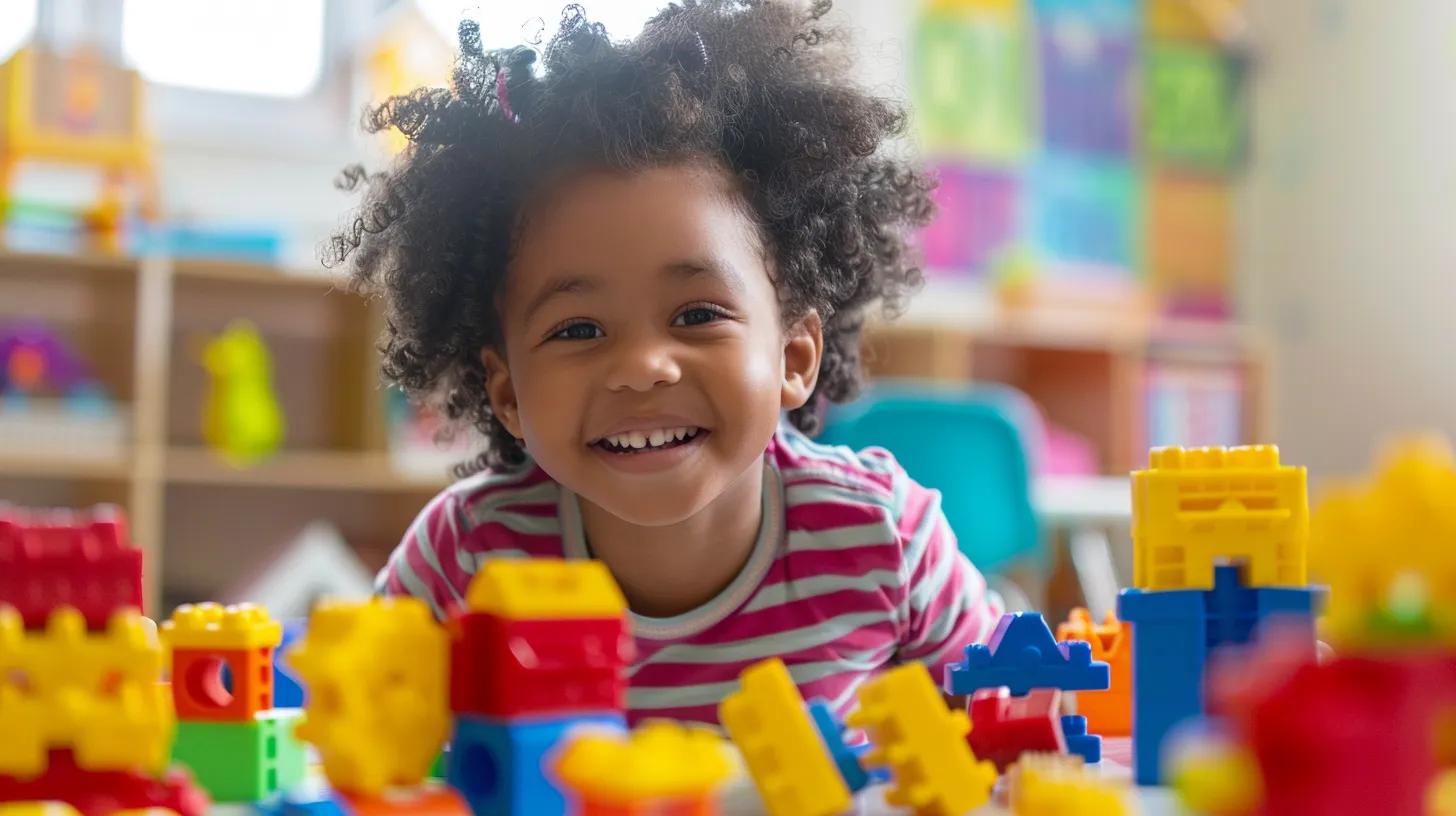
Learning about autism helps families and communities offer better support. By recognizing each child’s strengths and challenges, parents and caregivers can create environments that encourage growth and well-being. We invite you to explore local resources and consult professionals who can tailor guidance to your child’s journey. Embracing the diversity of autism is the first step toward a more compassionate, informed community.
Final Thought
As Dr. Stephen Shore reminds us:
“If you’ve met one autistic person, you’ve met one autistic person.”
That simple line is powerful—it highlights that autism is many different experiences, strengths, and ways of seeing the world.
Understanding that variety is where real support begins. For families in Tampa, Florida,
And in Brandon, Florida, adopting this perspective opens doors to greater compassion, acceptance, and hope.

Nicole Bilodeau, MS, OTR/L, is an occupational therapist and founder of Skill Point Therapy in Tampa and Brandon. She leads a skilled team that provides speech and pediatric occupational therapy, supporting children with autism, ADHD, sensory processing disorders, social skills challenges, and motor development issues. Nicole is dedicated to helping every child reach milestones and thrive at home, school, and in the community