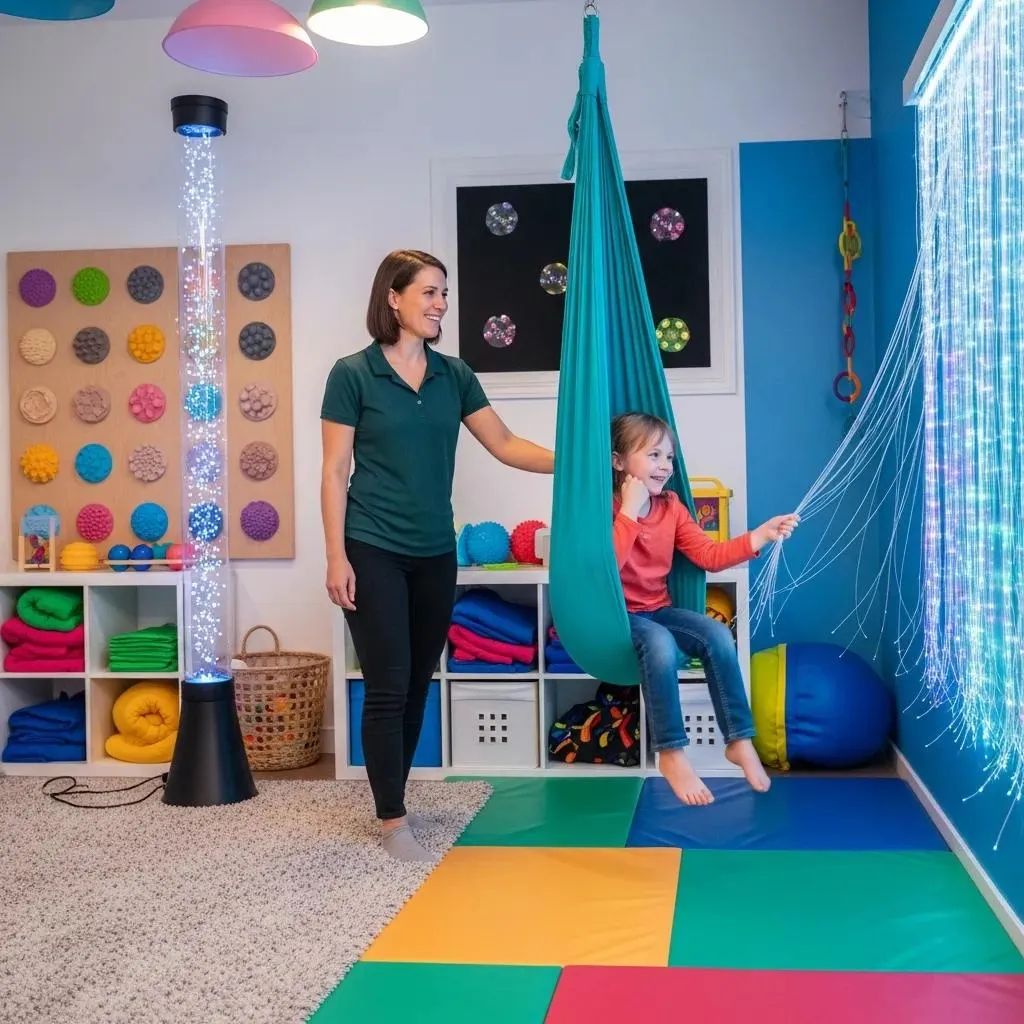

Children with Down Syndrome in Tampa Bay may need extra help with daily living skills, but they also bring joy, kindness, and warmth to everyone around them. Many parents, teachers, and doctors are pleasantly surprised by how loving and caring these children are once they get to know them. When our community takes the time to understand and support families, children feel seen, valued, and ready to grow.
Pediatric occupational therapists have helped children with Down Syndrome build independence by practicing the everyday skills they need at home and school. As their skills grow, many kids learn to dress themselves, use utensils with confidence, and stay organized during routines. Research shows that early occupational therapy can improve daily living skills by up to 30%, giving children a stronger start.
Occupational therapy uses play, connection, and child-led activities—especially approaches like DIRFloortime—to help children with Down Syndrome learn new skills in a way that feels natural. Many families notice their child stays engaged longer because the sessions are warm, fun, and built around the child’s interests. Whether a child practices brushing their teeth through a simple game or learns to button a shirt during a playful routine, these small moments build confidence and absolute independence over time.
Key Takeaways
- Down syndrome prevalence in Tampa Bay is approximately 12.7 cases per 10,000 live births, indicating a need for tailored support services.
- Significant motor skill challenges delay daily living skills, making independence in self-care and household tasks difficult for individuals with Down syndrome.
- Early intervention and occupational therapy enhance fine motor skills, communication, and self-care routines, promoting greater independence and self-esteem.
- Tailored strategies in occupational therapy create structured environments that improve essential daily life skills, facilitating better navigation of public transportation and community resources.
- Inclusion in education and employment improves outcomes for individuals with Down syndrome, supported by local advocacy and resources like GiGi’s Playhouse and DSATB.
Prevalence and Demographics of Down Syndrome in Tampa Bay
In the Tampa Bay area, Down syndrome presents with a prevalence closely aligned with Florida’s statewide average of approximately 12.7 cases per 10,000 live births, exceeding the national figure of about 1 in 770. This reflects the region’s rich demographic diversity, as people with Down syndrome are born to mothers of different ages and backgrounds. Community organizations, such as the Down Syndrome Association of Tampa Bay, play a crucial role in supporting these families.
With a focus on enhancing self-care skills and independence, occupational therapy for Down syndrome in Tampa is fundamental. Families seeking assistance can investigate resources to answer “where can I find Down syndrome occupational therapy in Tampa?”, ensuring robust support for those with Down syndrome.
Furthermore, the state’s congenital disabilities surveillance provides valuable data that informs community resources and intervention programs. Additionally, early intervention in ADHD treatment options can significantly improve developmental outcomes for children with Down syndrome. Early diagnosis is crucial for optimizing therapeutic strategies and promoting independence in daily living skills.
Challenges in Daily Living Skills for Individuals With Down Syndrome
People with Down syndrome often face significant challenges in developing motor skills that are crucial for daily living. These motor-skill difficulties can hinder their ability to perform tasks independently, from personal care to household responsibilities. Implementing adaptive strategies can improve their capabilities and promote greater autonomy in managing everyday activities.
Additionally, children with Down syndrome generally possess a lower repertoire of functional skills, which emphasizes the need for tailored interventions to foster independence. Occupational therapy can particularly help by enhancing motor skills and self-care abilities, allowing individuals to navigate their daily routines more effectively. Early intervention through occupational therapy is essential for addressing developmental delays and promoting long-term independence.
Motor Skills Development
Motor skills development poses considerable challenges for those with Down syndrome, directly impacting their ability to perform daily living skills. Persons often experience delays in motor milestones, leading to difficulties in diverse activities, including:
- Lower muscle strength and endurance limit performance in tasks like dressing and mobility.
- Impaired postural control and stability make it hard to maintain balance during self-care routines.
- Increased fatigue during physical activities can deter participation in vital daily tasks. Early interventions capitalize on the brain’s adaptability during the first three years of life, enhancing cognitive and social-emotional skills. Additionally, targeted interventions can improve fine motor skills, which are essential for self-care tasks and fostering independence.
Children with Down syndrome typically develop skills at their own pace, so it is essential to personalize support to meet their unique learning needs. Life skills therapy for Down syndrome emphasizes tailored interventions to foster independence. Parents frequently ask, “How do I help my child with Down syndrome become more independent?”
By focusing on motor skills development through practical strategies, caregivers can significantly improve daily living skills and overall quality of life.
Adaptive Strategies for Independence
Addressing the challenges of daily living skills for those with Down syndrome requires a thoughtful approach that incorporates adaptive strategies to foster greater independence. People often face obstacles in communication, self-care, and household management, which can hinder autonomy. For instance, enhancing verbal and written communication through tailored exercises can facilitate healthcare independence.
Encouraging self-care routines with consistent practice supports mastery of personal hygiene and improves self-esteem. Furthermore, stepwise training in meal preparation and budgeting equips individuals with vital skills for daily life. Occupational therapy can be instrumental in creating a structured learning environment, paving the way for successful navigation of public transport and community resources.
These strategies collectively enable individuals with Down syndrome to lead fulfilling, independent lives, as many individuals can continue to gain independence and confidence into early adulthood. Additionally, personalized accommodations based on thorough assessments can significantly enhance skill development and promote autonomy. Occupational therapy also focuses on improving executive functioning skills, which play a crucial role in daily task management and overall independence.
The Importance of Inclusion in Education and Employment

Inclusion in education and employment plays a critical role in enhancing the lives of persons with Down syndrome. Research indicates that students with Down syndrome in mainstream classrooms achieve better academic outcomes and develop crucial social skills, which markedly improve their employment prospects. Advocacy for inclusive practices is fundamental to guarantee these individuals receive the support they need to thrive both in educational settings and the workforce.
Moreover, a significant proportion of children with Down syndrome succeed in mainstream schools, demonstrating that proper support can make a substantial difference in their educational experiences. Additionally, early intervention through strategies such as occupational therapy can significantly improve social skills, further enhancing their integration into both school and work environments. Furthermore, early intervention programs have been shown to yield sustainable gains in social skills that significantly contribute to successful transitions into adulthood.
Mainstream Classroom Benefits
While traversing the complexities of education, the benefits of placing students with Down syndrome in mainstream classrooms become increasingly evident. Research highlights several advantages that inclusive settings foster for these students:
- Enhanced Academic Gains: Students with Down syndrome in mainstream classrooms achieve greater academic progress in language and mathematics than those in segregated settings. Additionally, those in inclusive environments are more likely to achieve higher overall academic outcomes throughout their education, which can be supported by integrated therapy approaches that enhance their learning experiences.
- Improved Social Skills: Inclusion promotes meaningful peer interactions, reducing social isolation and nurturing better psychological and behavioral outcomes.
- Community Support: A significant portion of families advocate for mainstream education, underlining its importance in fostering acceptance and engagement within the community.
Employment Opportunities Available
Numerous opportunities exist for persons with Down syndrome to thrive in the workforce, emphasizing the essential role of inclusive education and employment practices. In Tampa Bay, organizations like GiGi’s Playhouse offer career development programs tailored for people with Down syndrome, fostering skill-building from early stages through adulthood. Supported Employment Services, facilitated by the Agency for Persons with Disabilities, help connect individuals with suitable job opportunities—the Employment First Florida initiative further champions integrated employment, advocating for competitive roles in the general workforce.
Despite prevailing unemployment disparities, collaborative efforts are crucial to increase access to diverse job environments, thereby enhancing inclusion of persons with Down syndrome across the region and emphasizing the shared benefits of a diverse workforce. To support these initiatives, resources like Work Incentive Planning & Assistance help job seekers with disabilities navigate the employment landscape effectively.
Advocacy for Inclusion
Promoting inclusive education and employment practices is essential for fostering a society that values diversity and provides equitable opportunities for all people, including those with Down syndrome. Research indicates that inclusive settings benefit all students, especially those with disabilities.
- Students with Down syndrome in inclusive classrooms show improved academic outcomes, especially in language and reading. Additionally, inclusive education enables children with Down syndrome to learn alongside their peers, enriching their educational experience.
- Inclusion increases community involvement and prepares students for mainstream employment.
- Parental support for mainstream education highlights a desire for inclusive opportunities for their children.
Despite challenges, advocacy for inclusion leads to a more accepting society, enhancing life experiences for persons with Down syndrome. As stakeholders push for supportive environments, the significance of inclusion becomes increasingly apparent, benefiting everyone involved.
Occupational Therapy’s Role in Skill Development

Occupational therapy plays a crucial role in improving the skill development of persons with Down syndrome by providing tailored interventions that address their unique needs. Through play-based activities, therapists improve fine and gross motor skills, addressing challenges such as low muscle tone and coordination. Early intervention strategies build foundational motor control and foster independence in daily self-care tasks, such as dressing and feeding.
Additionally, occupational therapy promotes social interaction by creating opportunities for group play and cooperative activities, enhancing communication skills and peer relationships.
Cognitive development is likewise supported, as therapists incorporate problem-solving activities to improve memory, attention, and executive functions. By creating opportunities for social integration, occupational therapy promotes communication and peer participation. Ultimately, these personalized programs enable participants to foster greater confidence and self-sufficiency in both academic and community settings, aligning with their aspirations for independence.
Local Resources and Support Networks in Tampa Bay
The Tampa Bay area is home to a variety of local resources and support networks dedicated to persons with Down syndrome and their families. These organizations offer crucial services that foster inclusion and awareness within the community.
- Down Syndrome Association of Tampa Bay (DSATB) focuses on education and advocacy.
- GiGi’s Playhouse Tampa provides free educational and therapeutic programs for people of all ages.
- F.R.I.E.N.D.S. Down Syndrome/Special Needs supports families through shared experiences and resources.
These organizations work tirelessly to create opportunities for connection and growth. They offer support groups, educational materials, and community engagement activities, helping families thrive and enabling people with Down syndrome to achieve greater independence.
Promoting Awareness and Overcoming Stereotypes

While awareness of Down syndrome has grown in recent years, many misconceptions and stereotypes persist, shaping public perception and affecting the lives of people with this condition. Common assumptions, such as the idea that persons with Down syndrome are always happy or that they lack memory capabilities, undermine their rich, heartfelt experiences and diverse abilities. These stereotypes often lead to low expectations in education and employment, while also perpetuating social exclusion.
Promoting inclusion in schools and communities can dismantle these myths, allowing persons with Down syndrome to thrive and express their autonomy. By fostering understanding and recognizing the distinctive strengths of each person, society can pave the way for meaningful relationships, opportunities, and increased acceptance.
Frequently Asked Questions
What Daily Living Skills Are Most Important for Children With Down Syndrome?
Many children benefit from focusing on dressing, feeding, hygiene routines, and simple home chores. OT breaks these skills into manageable steps while supporting sensory, motor, and communication needs.
How Does Down Syndrome Affect Independence as Children Grow?
Changes in strength, coordination, attention, and sensory processing can shape the way children build independence. Occupational therapy helps them learn adaptive strategies so tasks feel less overwhelming and more successful.
What Are the Common Medical Concerns for Individuals With Down Syndrome?
People with Down syndrome commonly face medical concerns such as congenital heart defects, immune disorders, vision and hearing problems, neurological issues, and increased risk for certain conditions like leukemia, Alzheimer’s disease, and mental health challenges.
How Can Families Advocate for Their Child’s Needs Effectively?
Families can advocate for their child’s needs by becoming informed, documenting crucial communications, participating actively in meetings, collaborating with professionals, and utilizing community resources and organizations dedicated to providing support and guidance.
What Funding Options Are Available for Down Syndrome Therapies?
Funding options for Down syndrome therapies include insurance coverage, therapy scholarships from local organizations, and emergency financial assistance programs. Families should investigate these resources to guarantee access to vital services that promote developmental success and independence.
How Can Siblings of Individuals With Down Syndrome Be Supported?
Siblings of persons with Down syndrome can be supported through open communication, caregiver training, peer support groups, promoting shared activities, fostering sentimental connections, and addressing potential challenges, ultimately enhancing familial relationships and sibling bonds.
What Role Do Technology and Assistive Devices Play in Independence?
Technology and assistive devices improve independence by enabling persons to perform daily tasks autonomously. This fosters self-reliance, increases confidence, and minimizes caregiver burden, ultimately enhancing total quality of life for users and their families.
Conclusion
Children with Down Syndrome add so much love, joy, and kindness to our Tampa Bay community. When we take the time to understand their needs, we help them feel confident and supported. Occupational therapy teaches daily living skills in gentle, playful ways that help children grow stronger and more independent.
With the proper guidance, families, teachers, and caregivers can help every child shine in their own way. Small steps—like learning to dress, follow routines, or stay organized—can make a big difference in daily life. If you ever have questions, need guidance, or want support after a tough day, please get in touch with Skill Point Therapy anytime.
References
- https://go.downsyndromepopulation.org/usa-factsheet
- https://www.tampabay28.com/news/region-hillsborough/tampa-families-attempt-to-end-the-stereotypes-of-down-syndrome
- https://cdn.down-syndrome.org/files/reports/research/births-prevalence/usa/down-syndrome-population-usa-factsheet-202002.pdf
- https://www.globaldownsyndrome.org/about-down-syndrome/resources/local-organizations/florida-down-syndrome-organizations/
- https://dsatb.org
- https://www.marchofdimes.org/peristats/data/old?reg=12&top=16&stop=561&lev=1&slev=4&obj=1
- https://www.floridahealth.gov/programs-and-services/people-with-disabilities/bright-expectations/conditions/down-syndrome.html
- https://www.census.gov
- https://ndss.org/resources/local-support
- https://ndss.org/myths-truths