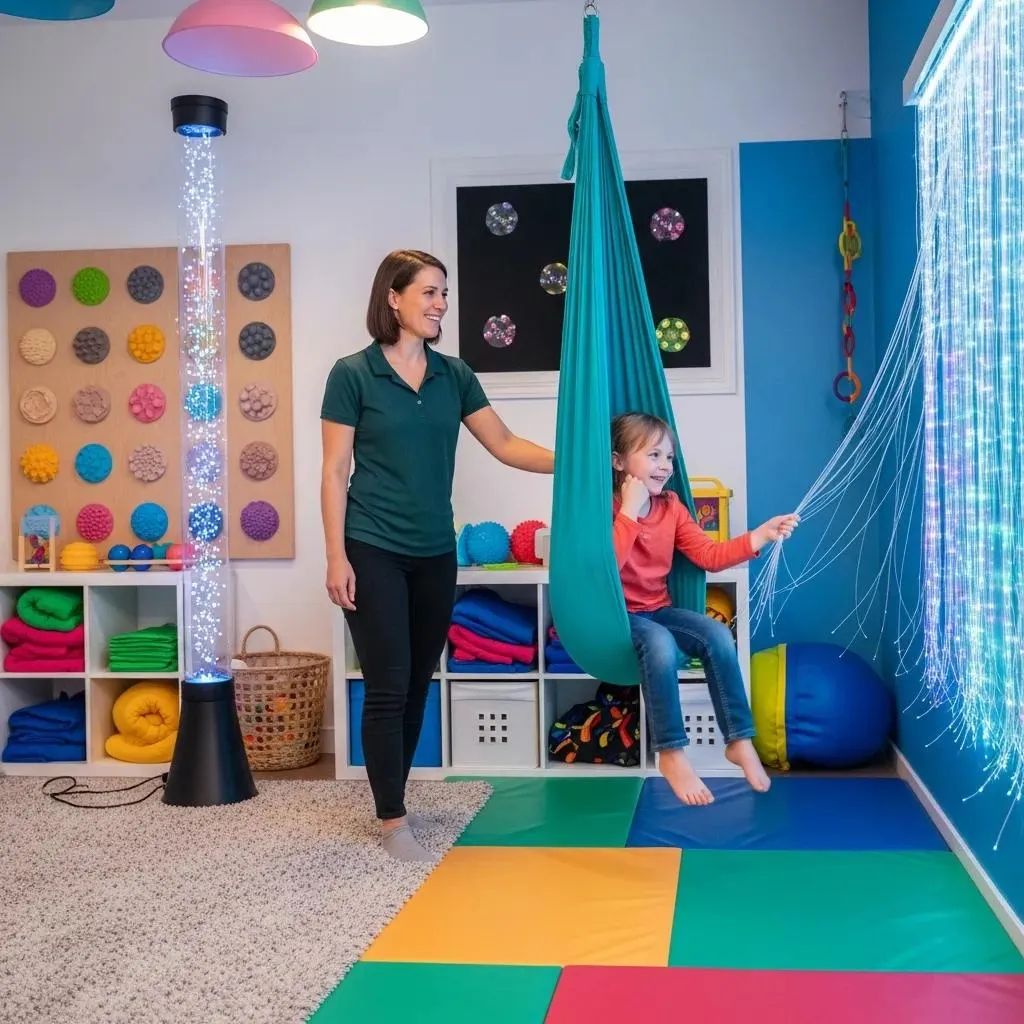

Fine Motor Skills Development Programs in Tampa: Comprehensive Pediatric Occupational Therapy for Children
Fine motor skills are the small, precise movements of the hands and fingers that allow children to manipulate objects, write, dress, and participate confidently in school and play. This article explains what fine motor skills are, why they matter for development, how parents and educators can spot delays, and which therapeutic strategies reliably improve dexterity, hand strength, and hand-eye coordination in young children. Readers will find actionable screening signs, age-based milestones, evidence-informed therapy approaches, and practical at-home activities that support progress toward independence and academic success. The guide also maps how pediatric occupational therapy programs are structured, what assessments look like, and how individualized plans drive functional gains. Finally, for families in Tampa seeking local services, the piece outlines program options available through Skill Point Therapy and what to expect when pursuing evaluation and treatment.
What Are Fine Motor Skills and Why Are They Important for Child Development?
Fine motor skills are the coordinated actions of fingers, hands, wrists, and forearms that enable precise tasks such as grasping a pencil, buttoning clothing, or using scissors. These skills develop through a combination of musculoskeletal growth, sensorimotor experience, and repetitive practice, meaning that neural pathways strengthen with targeted activity. Improved fine motor control results in more precise handwriting, greater independence in self-care, and more effective classroom participation, which together support social confidence and academic progress. Understanding these mechanics helps parents and teachers prioritize the right practice activities and request a timely assessment when progress stalls.
Fine motor skills support many daily activities; the next section lists everyday tasks that rely on these skills and shows how they map to school and self-care demands. This mapping helps caregivers identify which specific abilities to watch and practice at home.
This list shows typical fine motor tasks parents and educators observe in everyday settings:
- Using utensils and feeding: Efficient spoon and fork use requires wrist control and rhythmic finger movements.
- Managing clothing fasteners: Buttoning, zipping, and snapping depend on pincer grasp and bilateral hand use.
- Cutting and crafting: Scissor use and paper folding require hand stability and precise finger placement.
- Writing and drawing: Pencil grasp, letter formation, and line control reflect graded finger force and visual-motor integration.
These everyday tasks translate directly into classroom readiness and self-care independence. Regular practice of targeted activities builds neural connectivity and motor planning, which in turn improves speed and endurance for school tasks and reduces frustration in daily routines.
How Do Fine Motor Skills Affect Daily Activities and Learning?
Fine motor skills influence a child’s ability to complete self-care and academic tasks independently, and they underpin the speed and legibility of handwriting that teachers evaluate daily. When a child has stable wrist posture, refined finger control, and sufficient finger strength, they can form letters, manipulate manipulatives in math, and produce work within classroom time limits. Conversely, deficits in hand strength or bilateral coordination often appear as slow work, poor pencil control, or avoidance of crafts and dressing tasks, which can affect confidence and participation. Observing how a child approaches multi-step tasks—such as opening a juice box while holding it steady—reveals both motor planning and bilateral hand use, offering natural opportunities to scaffold improvement.
Practical classroom implications include the need for adapted tools or frequent breaks for children with slower fine motor speed. Identifying these patterns early allows educators and families to set targeted goals that reduce academic interference and build independence, leading directly to milestone-based screening that parents can use to track progress.
What Are the Key Milestones for Fine Motor Development in Children?
Fine motor milestones mark the typical progression from reflexive grasping to refined manipulative skills and serve as useful benchmarks for screening developmental trajectories. Early infancy centers on midline reaching and palmar grasp; toddlers develop pincer grasp and stacking skills; preschoolers refine scissor use and copying shapes; and school-aged children progress to fluent handwriting and complex bilateral tasks. Tracking these milestones helps distinguish normal variation from patterns that warrant formal assessment or intervention.
The following table summarizes age ranges, expected skills, and quick red-flag indicators to help caregivers and educators screen development efficiently.
Fine motor milestone checklist for parents and teachers:
This table provides a compact screening tool for caregivers; consistent deviations across multiple areas or regression in skills are strong signals to seek professional evaluation to support continued development.
How to Recognize Signs of Fine Motor Delay in Children in Tampa

Recognizing early signs of fine motor delay relies on observing function at home, in preschool, and in school; delays often emerge as patterns rather than single missed skills. Common indicators include persistent immature grasp patterns, inconsistent bilateral hand use, difficulty manipulating small objects, and fatigue or avoidance during tasks requiring sustained fine motor effort. Identifying these signs promptly enhances the effectiveness of early interventions targeting motor planning, strength, and sensorimotor integration.
Below are age-group red flags to guide next steps and help families decide between monitoring and formal evaluation. The lists below provide quick, actionable signs to watch across developmental stages.
Indicators of fine motor challenges by age group:
- Infants and toddlers: Demonstrates limited reaching, poor hand opening, or does not use a pincer grasp by 12–15 months.
- Preschoolers: Have trouble snipping or cutting with scissors, cannot stack blocks, or manipulate puzzle pieces appropriate for their age.
- School-aged children: Shows messy handwriting, inconsistent letter sizing, struggles with tying shoes or managing fasteners, or avoids tasks requiring detailed handwork. Brief home monitoring strategies can sometimes reduce minor delays, while persistent patterns affecting dressing, feeding, or schoolwork merit professional assessment. The following subsection clarifies when to escalate concerns and pursue an evaluation.
What Are Common Indicators of Fine Motor Challenges by Age Group?
Parents and teachers can use specific, age-based signs to decide whether to try home activities first or seek occupational therapy. For infants and toddlers, a lack of the thumb-to-index finger pincer grasp and a strong hand preference before 18 months are critical red flags. In preschoolers, inability to snip with scissors or hold a pencil with a stable grasp suggests difficulty with motor planning and finger isolation. Among school-aged children, slow copying speed, illegible handwriting, or extreme fatigue during fine motor tasks often indicate functional impairment rather than mere immaturity.
Simple home tips—like offering therapy for pinch practice, singing hand-strengthening songs, or choosing utensils with larger handles—can support early progress. If these strategies do not improve function over several weeks, a structured assessment can identify specific motor skills to target in therapy.
When Should Parents Seek Professional Evaluation for Fine Motor Delays?
Parents should consider a professional evaluation when delays are persistent, multiple red flags appear across settings, or the child’s ability to participate in daily routines is compromised. Specific triggers for referral include missed developmental milestones, inability to perform age-expected self-care tasks, regression of previously mastered skills, or when handwriting and classroom performance are affected despite effort. Early assessment leverages neural plasticity and can shorten timelines to functional improvement.
Seeking evaluation also helps families rule out underlying sensory processing or coordination issues and sets the stage for individualized interventions that include measurable goals and family coaching. The following numbered list clarifies common referral triggers parents can use to decide on next steps.
- Multiple persistent red flags across home and school: When caregivers and teachers report similar concerns.
- Functional interference: When dressing, feeding, or schoolwork lags behind peers despite instruction.
- Regression or pain: When skills decline, or the child reports discomfort while using their hands.
These referral triggers emphasize action rather than wait-and-see approaches; earlier therapy often leads to faster, more sustainable gains in dexterity and independence.
How Does Pediatric Occupational Therapy Support Fine Motor Skills Development?

Pediatric occupational therapy supports fine motor development by strengthening the anatomical components of hand function, refining sensorimotor integration, and practicing task-specific skills to build automaticity. Therapists use graded, repetitive practice to improve finger strength, wrist stability, and coordinated timing, while integrating sensory strategies to improve modulation and motor planning. The goal is to translate gains into daily activities—cleaner handwriting, faster dressing, safer scissor use—through measurable, functional outcomes.
Therapists commonly use task analysis and adaptive tooling to make activities achievable and progressively more challenging. Below is a list of therapeutic approaches typically used in pediatric OT to target hand-eye coordination and dexterity, each described to show why it matters for functional skill development.
Therapeutic approaches that improve hand-eye coordination and dexterity:
- Graded task practice: Breaks complex skills into more straightforward steps while gradually increasing precision demands.
- Strengthening and endurance activities: Uses theraputty, finger weights, and resistive play to build grip endurance for sustained tasks.
- Visual-motor integration drills: Incorporate tracing, copying, and pegboards to synchronize visual information with fine-motor output.
- Adaptive tools and ergonomics: Introduces pencil grips, slanted writing surfaces, or scissors with spring assists to support independence.
These interventions progress from supported practice to independent execution, and therapists measure change using both standardized tests and functional task observation. After describing the techniques, the following section presents specific activity examples and the session structure to illustrate how these approaches look in practice.
What Therapeutic Approaches Improve Hand-Eye Coordination and Dexterity?
Specific interventions for hand-eye coordination and dexterity include repetition on graded manipulatives, precision games, and bilateral coordination tasks that require both hands to perform complementary roles. Therapists use tools such as pegboards, bead stringing, and theraputty to isolate finger movements and increase graded resistance, while games that demand timed accuracy sharpen coordination under increasing cognitive load. Activity-based practice ensures that strength gains generalize to functional tasks like cutting, buttoning, and handwriting.
A typical therapy session blends targeted drills with playful, child-led tasks to preserve motivation and promote transfer to daily routines. This approach ensures that the child is practicing meaningful skills in contexts similar to those they encounter at school and home, which supports long-term retention and generalization.
How Do Sensory Integration Techniques Enhance Fine Motor Progress?
Sensory integration techniques address how a child receives and processes tactile, proprioceptive, and vestibular information, which in turn affects motor planning and graded force control. Activities that provide deep pressure, joint compression, and varied tactile experiences can improve a child’s body awareness and modulation, enabling more precise finger movements and steadier wrist control. For example, heavy work activities—pushing, pulling, and carrying weighted objects—strengthen proprioceptive feedback, which supports refined finger pressure during writing.
When sensory processing differences contribute to fine motor challenges, integrating sensory strategies within skill practice reduces avoidance and increases tolerance for fine motor tasks. Therapists monitor responses and adapt sensory input to optimize arousal level and motor output, which speeds the path to functional gains in everyday activities.
For families in Tampa, local pediatric occupational therapy providers often deliver these interventions through flexible service models that include clinic-based sessions, in-home visits, daycare consultations, and telehealth coaching. Skill Point Therapy exemplifies this flexible service model by offering community-based pediatric OT focused on functional outcomes, family communication, and individualized program delivery. Their approach integrates task-specific practice, sensory strategies, and parent coaching so that gains in dexterity and hand-eye coordination carry over into daily life and school activities.
What Specialized Fine Motor Skills Programs Does Skill Point Therapy Offer in Tampa?
Skill Point Therapy offers several structured programs designed to address standard fine motor profiles, pairing evidence-informed curricula with family coaching and flexible delivery options. Programs emphasize measurable outcomes—such as improved pencil grasp, increased grip strength, or improved scissor control—and are adapted by pediatric occupational therapists to each child’s age and goals. These program options are organized to align with developmental stages and functional priorities, providing families with clear choices for targeted intervention.
Below is a comparison table outlining core programs, target ages/stages, typical activities, and expected functional outcomes to help parents select the best fit for their child.
This comparison helps families see which program aligns with their child’s profile; therapists then individualize session content and cadence. After the table, a summary explains how programs integrate into ongoing treatment plans and the role of parent coaching.
These program formats are typically delivered in sessions that combine therapist-led practice and caregiver coaching, enabling families to reinforce gains at home and at school. The following subsection focuses specifically on the Handwriting Without Tears curriculum and the practical benefits parents can expect.
How Does the Handwriting Without Tears Program Benefit Children?
The Handwriting Without Tears program uses a multisensory, developmentally sequenced curriculum that emphasizes correct pencil grasp, consistent letter formation, and fluid writing posture. Sessions include tactile activities, adaptive tools, and graded writing tasks that progress from gross-motor letter formation to fine-motor letter fluency, making the program accessible to children who need both motor and visual-motor support. Measurable benefits typically include improved legibility, more efficient grip patterns, and increased confidence in completing classroom writing tasks.
By integrating this curriculum into individualized therapy plans, therapists can track objective changes in handwriting quality and speed, and they coach families and teachers on consistent cues and practice strategies to ensure maintenance and generalization across settings.
What Are the Features of DIRFloortime and Dexterity Therapy?
DIRFloortime emphasizes emotional engagement and relationship-based play to support motor planning and initiation in children who benefit from increased social motivation. At the same time, dexterity therapy focuses on precise, graded tasks to build finger strength and timing. DIRFloortime sessions blend relational turns with scaffolded fine-motor challenges, helping children engage with tasks that require coordination and sequencing. Dexterity therapy uses repetitive precision drills, resistance play, and timed coordination tasks to improve finger isolation and bilateral hand use, supporting faster, more accurate performance in self-care and school activities.
Combining these approaches allows therapists to address both motivational and skill-specific barriers to fine motor progress, creating a holistic plan that advances motor capacity and functional participation.
What Is the Evaluation and Treatment Process for Fine Motor Skills at Skill Point Therapy?
The evaluation and treatment process at Skill Point Therapy follows a transparent, collaborative workflow: initial assessment, goal-setting with families, individualized intervention, and progress tracking with periodic reviews. Assessments combine standardized testing and functional observation to identify strengths and target areas such as finger strength, wrist stability, hand-eye coordination, and sensory modulation. From assessment findings, therapists create measurable goals and select interventions that progress from supported practice to independent execution, with family coaching to ensure carryover between sessions.
Below is a concise table that breaks the evaluation workflow into steps, what each assessment component examines, and how families participate in the process to reinforce outcomes.
This stepwise table clarifies roles, expectations, and how objective measures inform treatment choices and timeline. A summary below explains how progress is monitored and how plans adapt over time.
Progress monitoring emphasizes small, measurable skill gains—like improved grip endurance or reduced time to complete a buttoning task—and uses regular reassessment to modify activities and goals. Parent coaching is central to embedding therapeutic techniques into daily routines, accelerating generalization across environments such as home and school.
What to Expect During a Fine Motor Skills Assessment?
During an assessment, therapists use a combination of standardized fine motor tests, visual-motor tasks, and functional play-based observations to capture a comprehensive picture of ability. The evaluation typically examines finger isolation, pincer grasp, bilateral coordination, wrist posture, and endurance during age-appropriate tasks, and the therapist interviews caregivers about daily routines that reveal functional impact. Results inform measurable goals and provide a baseline for tracking progress throughout therapy.
Families are encouraged to share schoolwork samples and to observe the session when appropriate, as collaborative information increases the relevance and specificity of recommended interventions. The assessment concludes with clear feedback and next-step recommendations tailored to family priorities.
How Are Personalized Treatment Plans Developed and Implemented?
Personalized treatment plans translate assessment findings into short-term measurable goals, activity-based interventions, and a schedule for therapy sessions and home practice. Therapists prioritize functional outcomes—such as independent dressing or improved classroom handwriting—and select evidence-informed activities that build the necessary underlying skills. Sessions typically combine therapist-led practice with caregiver coaching to reinforce skills at home and at school.
Plans include regular review points where progress is measured against baseline data and activities are adjusted to increase challenge or shift focus as skills consolidate. This collaborative loop keeps families informed and confident that therapy is producing meaningful, functional change.
Why Choose Skill Point Therapy for Fine Motor Skills Development in Tampa?
Skill Point Therapy emphasizes compassionate, family-centered pediatric occupational therapy that adapts to each child’s needs through flexible delivery options and open communication. Their model supports clinic-based sessions, in-home visits, daycare consultations, and telehealth coaching so that therapy occurs where the child learns and functions. Skilled pediatric occupational therapists combine multisensory curricula, task-specific practice, and parent coaching to accelerate skill generalization and independence.
Trust in care grows from precise progress tracking, collaborative goal-setting, and accessibility across community settings; these elements reduce barriers to consistent practice and help families maintain momentum between sessions. Below are tangible aspects of their approach that families frequently cite as helpful when evaluating providers and service models.
Key elements of Skill Point Therapy’s care:
- Compassionate family collaboration: Therapists partner with families to set priorities and share actionable strategies.
- Flexible service delivery: Services are offered in multiple settings to meet each child’s functional context.
- Holistic program integration: Therapy blends sensory, social-engagement, and motor-specific techniques for broad gains.
These practice elements foster sustained progress and ensure that therapy aligns with real-world functional goals. To support decision-making, the following subsection outlines what makes their care compassionate and effective in practice and invites families to take the next step.
What Makes Skill Point Therapy’s Care Compassionate and Effective?
Skill Point Therapy’s care emphasizes individualized plans, ongoing communication, and flexible delivery to meet each family’s circumstances and goals. Therapists work collaboratively with parents and educators to translate clinical techniques into daily routines, providing coaching and practical strategies that families can use immediately. Community-based options—such as in-home and in-daycare services—reduce barriers to consistent participation and help interventions generalize across contexts.
This family-centered, flexible approach supports measurable functional outcomes by keeping goals relevant to the child’s daily life and by making practice opportunities abundant and natural. These features increase adherence and speed functional progress, leading to greater independence in both self-care and academic tasks.
How Have Children and Families Benefited: Success Stories and Testimonials?
While specific client stories require consent to publish, families commonly report improvements that follow a problem → intervention → outcome pattern: a child with an immature pencil grasp (problem) receives targeted Handwriting Without Tears lessons plus strengthening activities (intervention) and later demonstrates improved legibility and reduced handwriting fatigue (outcome). Another typical pattern is a child with sensory-related avoidance who develops tolerance through graded sensory strategies paired with fine-motor tasks, leading to increased participation in classroom activities.
Sharing anonymized case templates and review schema can help future clients understand expected pathways and outcomes while maintaining privacy. Families interested in seeing anonymized examples or reading testimonials are encouraged to contact Skill Point Therapy to learn how others progressed and to discuss individual fit.
For families ready to pursue evaluation or schedule services, Skill Point Therapy invites contact through their website or Google Business Profile to arrange an assessment and begin a tailored plan for fine motor development in Tampa. The team’s flexible delivery options and family-centered process make it straightforward to start targeted, functional therapy that builds independence and school readiness.
Frequently Asked Questions
At what age should children start developing fine motor skills?
Children typically begin developing fine motor skills in infancy, with significant milestones occurring from birth to age 8. By 6 months, infants should be reaching for objects, and by 12 months, they should demonstrate a pincer grasp. As they grow, toddlers and preschoolers refine these skills through activities like stacking blocks and using utensils. By age 5, children should be able to write legibly and fasten clothing. Early engagement in fine motor activities is crucial for effectively fostering these skills.
How can parents support fine motor skills development at home?
Parents can support fine motor skills development through engaging, everyday activities. Simple tasks like playing with building blocks, using playdough, or practicing with scissors can enhance dexterity. Incorporating games that require hand-eye coordination, such as threading beads or drawing, can also be beneficial. Additionally, providing adaptive tools, such as larger-handled utensils or crayons, can make tasks easier and more enjoyable for children, encouraging them to practice and improve their skills in a fun way.
What should I do if I notice signs of fine motor delays in my child?
If you notice signs of fine motor delays, such as difficulty grasping objects or messy handwriting, it’s essential to monitor these behaviors closely. Start by implementing simple at-home activities to encourage practice. If concerns persist or multiple red flags are observed, consider seeking a professional evaluation from a pediatric occupational therapist. Early intervention can significantly improve outcomes, so addressing these issues promptly is crucial for your child’s development.
Are there specific activities that can enhance fine motor skills?
Yes, numerous activities can enhance fine motor skills. Activities such as coloring, cutting with scissors, stringing beads, and playing with clay or playdough are excellent for developing dexterity. Additionally, puzzles and games that require manipulating small pieces can improve hand-eye coordination. Incorporating these activities into daily routines not only makes practice more enjoyable but also helps children develop the skills needed for self-care and academic tasks.
How long does occupational therapy typically take to show results?
The duration of occupational therapy to see results can vary widely depending on the child’s specific needs, the severity of the fine motor challenges, and the frequency of therapy sessions. Some children may show improvement within a few weeks, while others may require several months of consistent therapy to achieve their goals. Regular assessments and progress tracking help therapists adjust interventions to ensure that children are making meaningful gains toward their developmental milestones.
What role do parents play in the therapy process?
Parents play a crucial role in the therapy process by collaborating with therapists to set goals and reinforce skills at home. They are encouraged to participate in sessions, learn techniques to support their child’s development, and implement practice activities in daily routines. This partnership enhances the effectiveness of therapy, as consistent practice outside of sessions is key to achieving functional improvements in fine motor skills.
Can fine motor skills impact a child’s social interactions?
Yes, fine motor skills can significantly impact a child’s social interactions. Proficient fine motor skills enable children to participate in group activities, such as arts and crafts, games, and sports, which are essential for socialization. Children who struggle with these skills may feel frustrated or avoid activities that require them, potentially leading to social withdrawal. Improving fine motor skills can boost a child’s confidence, allowing them to engage more fully with peers and participate in social settings.