Fine Motor Activities to Help Kids Grow: Practical Pediatric Therapy Exercises and Developmental Support
Fine motor skills are essential to a child’s growth — they shape everyday independence, school participation, and self-care. These abilities depend on fine control of the small muscles in the hands and fingers, allowing children to write, fasten clothing, and use utensils reliably. This article outlines practical activities that strengthen fine motor skills, explains how pediatric occupational therapy and the DIRFloortime approach support development, and offers at-home strategies and signs suggesting a professional evaluation. With this knowledge, caregivers can better support their child’s progress.
Research shows that family and environmental factors play a meaningful role in both fine motor development and the interpretation of assessment results.
Environmental Factors in Fine Motor Skill Development & Intervention
This study used the Denver II screening test to explore gender and family influences on fine motor performance. Findings showed earlier achievement of fine motor items among girls, children of older mothers (especially after 24 months), and those with higher maternal education. The authors recommend considering environmental context when interpreting fine motor test results and targeting interventions for groups such as infants from lower socioeconomic backgrounds.
Screening preschool children for fine motor skills: environmental influence, N Comuk-Balci, 2016
Key Takeaways
- Fine motor skills enable children to perform daily tasks such as writing, dressing, and feeding independently.
- Pediatric occupational therapy uses individualized, play-based interventions to improve hand strength and coordination.
- The DIRFloortime approach supports fine motor growth through child-led, sensory-rich play and emotional engagement.
- Parents can enhance fine motor development with activities like playdough manipulation, bead stringing, and scissor practice.
- Early signs of fine motor delays include difficulty with pencil grip, buttoning, and scissor use, which may require professional evaluation.
- Environmental factors such as family background and maternal education influence fine motor skill development and assessment outcomes.
- Combining sensory and motor activities helps develop motor planning, tactile tolerance, and overall coordination in children.
- Regular practice and family involvement are essential for reinforcing therapy goals and supporting gains in functional skills.
- Timely pediatric therapy evaluations ensure children receive targeted support to improve fine motor skills and independence.
What Are Fine Motor Skills and How Do They Impact Child Development?
Fine motor skills are precise hand and finger movements that let children perform tasks requiring dexterity and coordination. These skills support independence and school success by enabling activities like writing, drawing, dressing, and feeding. Focused practice and targeted intervention can strengthen these abilities, enabling children to participate more fully in learning and daily life.
Which Developmental Milestones Indicate Typical Fine Motor Skill Progression?
Children typically reach fine motor milestones in predictable stages: by around six months, many infants grasp objects consistently; by nine to twelve months, most show a pincer grasp; by fifteen months, children often stack simple blocks; and by age three, they usually copy simple shapes. Tracking these benchmarks helps caregivers and clinicians spot atypical patterns that may need further evaluation.
What Are Common Signs That Suggest Fine Motor Delays in Children?
Early signs of fine motor delay include ongoing trouble holding a pencil or crayon, frequent difficulty manipulating buttons or zippers, poor scissor control, and avoidance or frustration with tasks that require hand precision. Noticing these behaviors early supports timely assessment and targeted intervention.
How Does Pediatric Occupational Therapy Enhance Fine Motor Skill Development?

Pediatric occupational therapy delivers structured, child-centered interventions that build hand strength, refine bilateral coordination, and develop functional skills for daily living and school tasks. Therapists tailor programs to each child’s strengths and needs, gradually increasing task complexity and practicing skills in natural routines to achieve measurable goals.
Research further describes specific occupational therapy techniques used to address fine motor and handwriting challenges in clinical practice.
Occupational Therapy for Fine Motor & Handwriting Skills
This study offers a groundwork for defining occupational therapy Interventions used with children who have handwriting and fine motor difficulties.
Defining occupational therapy interventions for children with fine motor and handwriting difficulties, 2019
What Are the Key Components of Pediatric Occupational Therapy Sessions?
Occupational therapy typically includes several core elements:
- Assessment: Careful evaluation of the child’s current abilities, challenges, and daily routines.
- Goal Setting: Working with families to set meaningful, achievable goals tied to daily function.
- Therapeutic Activities: Play-based tasks — crafts, puzzles, games — designed to build specific fine motor skills.
- Family Involvement: Coaching parents to reinforce skills at home and embed practice into everyday life.
These components keep therapy focused on the child’s real-world needs and support measurable progress toward functional goals.
How Do Speech Therapy Techniques Complement Fine Motor Skill Improvement?
Speech therapy can support fine motor development by addressing oral-motor control and coordinated sensorimotor patterns. Activities like controlled blowing, straw drinking, and combined language-plus-manual tasks help build the sensorimotor foundation that supports both communication and manual skills. When therapists collaborate across disciplines, children benefit from coordinated, whole-child interventions.
What Is the DIRFloortime Approach and How Does It Support Fine Motor Growth?

DIRFloortime is a relationship-focused approach that promotes emotional and developmental growth through child-led play. By following the child’s interests and offering gentle, graded challenges, caregivers create motivating opportunities for children to practice fine motor tasks while strengthening engagement and emotional regulation.
Which Principles of DIRFloortime Facilitate Child Development?
DIRFloortime rests on a few practical principles:
- Developmental Levels: Knowing the child’s current developmental stage helps shape appropriate challenges.
- Child-Led Engagement: Letting the child guide play boosts motivation and natural learning.
- Sensory Focus: Using sensory-rich activities during play increases attention and supports skill-building.
These ideas give caregivers a warm, structured way to weave fine motor practice into meaningful interactions.
What Are the Documented Benefits of DIRFloortime in Pediatric Therapy?
Studies report that DIRFloortime can improve communication, social interaction, and task engagement — outcomes that indirectly support practical fine motor gains. By building motivation and emotional regulation, the approach creates a stronger context for practicing and generalizing manual skills.
Which Fine Motor Skill Development Activities Can Parents Implement at Home?
Parents are key partners in fine motor development. Simple, consistent activities embedded in daily routines and play provide valuable practice that reinforces therapy goals.
What Are Effective Child Hand Coordination Exercises for Daily Practice?
Try these practical exercises at home:
- Playdough Manipulation: Rolling, pinching, cutting, and squishing playdough to build hand strength and finger control.
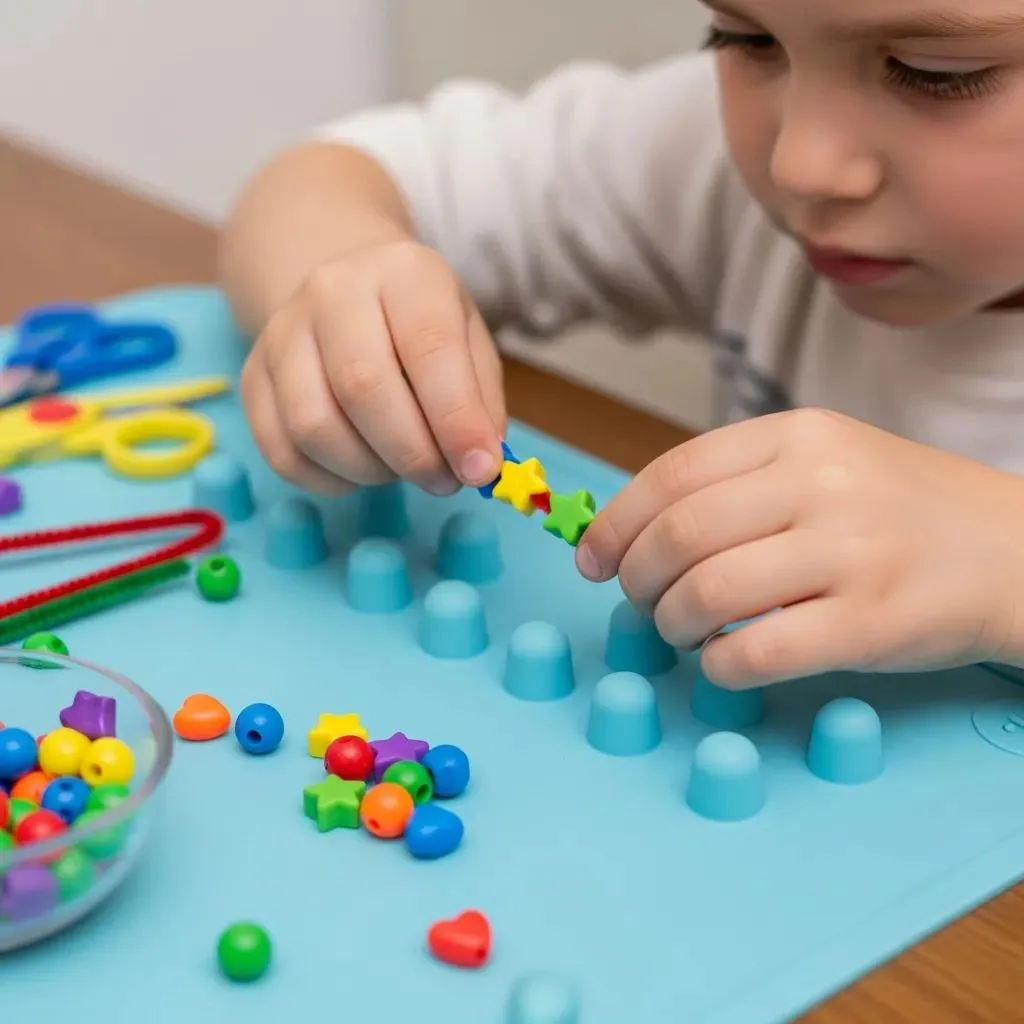
- Bead Stringing: Threading beads onto a lace or string to improve hand-eye coordination and fine precision.
- Scissor Skills: Cutting along lines and shapes to develop controlled hand movements and bilateral coordination.
These activities combine strength, precision, and problem-solving while keeping practice playful and engaging.
How Can Parents Integrate Sensory and Motor Activities to Enhance Skills?
Blending sensory experiences with motor tasks helps children develop motor planning and tactile tolerance. Practical ideas include:
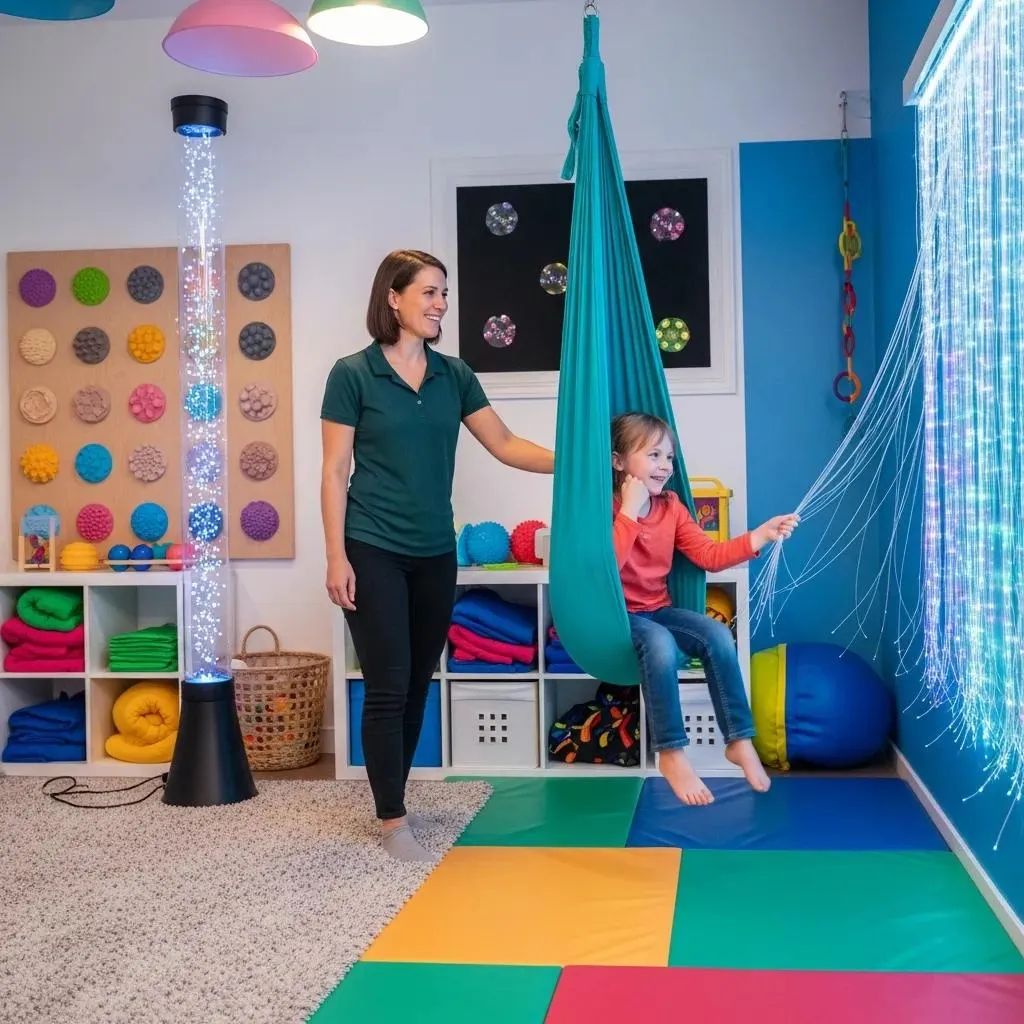
- Create a Sensory Zone: Set up a space with varied textures and materials (sand, rice, fabric, putty) for hands-on exploration.
- Incorporate Movement: Include gross motor play, such as climbing or jumping, to support overall coordination and motor planning.
- Use Everyday Tasks: Invite children to help with cooking, pouring, stirring, and gardening to practice purposeful hand use.
Making these activities routine gives repeated practice and helps children generalize skills across settings.
When Should Parents Seek Professional Therapy Evaluations for Fine Motor Concerns?
Knowing when to seek a professional assessment ensures children have access to timely support when fine motor skills limit daily function or learning.
What Are the Indicators That Warrant a Pediatric Therapy Assessment?
Consider an evaluation if you observe any of the following:
- Developmental Delays: Not meeting expected milestones for age.
- Motor Skills Challenges: Persistent difficulty with writing, using utensils, or manipulating small objects.
- Self-Care Difficulties: Ongoing trouble with dressing, feeding, or other daily tasks.
If these concerns are present, consult your pediatrician or an occupational therapist for formal assessment and recommendations.
How to Schedule an Evaluation at SkillPoint Therapy Clinics in Tampa or Brandon?
Scheduling an evaluation at SkillPoint Therapy is straightforward:
- Contact the Clinic: Call or email to share your concerns and request an evaluation.
- Prepare for the Visit: Gather developmental history, school reports, and any prior assessments.
- Discuss Options: During the visit, review recommended next steps and therapy choices.
SkillPoint Therapy specializes in pediatric occupational therapy and offers evidence-informed interventions to support children’s developmental progress.
Fine Motor Skills Support in Carrollwood, Tampa
If you’re searching for fine motor support near Carrollwood, Tampa, you’re in good company. Many families seek focused guidance to help children overcome delays and gain the skills they need for school and everyday life. At SkillPoint Therapy, we provide child-centered, play-based occupational therapy that Carrollwood families trust. Our approach is personalized, practical, and designed to keep children motivated.
When deciding which activities will help most, the best choices are the ones tailored to your child’s needs and interests. Our therapists build sessions around fun, hands-on tasks such as bead stringing, playdough work, and fine-motor games that improve hand strength, coordination, and dexterity. These activities support children from infancy through adolescence, including those with sensory processing differences, developmental delays, ASD, or ADHD.
Parents often ask who offers pediatric occupational therapy for fine motor delays in Tampa. SkillPoint Therapy serves Carrollwood and the broader Tampa area with experienced clinicians who collaborate closely with families to set meaningful goals and track progress. We create a supportive environment where kids feel safe exploring and growing.
If you want practical home strategies for your child in Tampa, we can help. From daily tasks like buttoning and using utensils to playful crafts and sensory bins, we coach families on simple activities that reinforce therapy in natural, low-stress ways.
If you notice your child struggling with fine motor tasks or suspect they may benefit from specialized support, reach out. SkillPoint Therapy provides comprehensive evaluations and individualized therapy plans that aim to increase independence and confidence. Call us at (813) 491-8300 or visit skillpointtherapy.com to learn more and schedule an appointment. Together, we’ll support your child’s next steps.
Frequently Asked Questions
What types of activities can enhance fine motor skills at home?
Parents can use focused, repetitive activities to build dexterity and hand strength: playdough play, bead stringing, scissor practice, and everyday chores like stirring, pouring, or buttoning. These tasks provide meaningful practice that carries over into daily routines.
How can I tell if my child is ready for more advanced fine motor tasks?
Look for consistent, independent success with simpler skills — controlled cutting, comfortable manipulation of small objects, and accurate shape copying. Interest in new challenges and patience with longer tasks also suggest readiness to progress.
What role do sensory activities play in fine motor skill development?
Sensory activities help develop motor planning, tactile discrimination, and proprioceptive feedback — all of which are key to refined hand use. Exposure to different textures and movement patterns supports the sensorimotor foundation of skills such as writing and self-care.
How can I support my child’s fine motor skills during playtime?
Offer manipulatives and guided play that require deliberate hand movements, such as blocks, puzzles, threading kits, and art supplies. Join the play to model technique, gradually increase the challenge, and keep the experience positive and motivating.
What should I do if I suspect my child has fine motor skill delays?
Document observed difficulties, note developmental history, and consult your pediatrician or an occupational therapist for a formal evaluation. Early assessment leads to targeted planning and better long-term outcomes.
Are there specific tools or resources to help with fine motor skill development?
Therapists often recommend tools like therapy putty, adaptive scissors, and graded manipulatives to support dexterity. Online videos, activity guides, and community programs can provide structured ideas and extra practice options.
Conclusion
Targeted fine motor activities combined with pediatric therapy and early intervention support measurable gains in functional performance. Regular practice, professional guidance, and individualized planning help children move toward age-appropriate skills and greater independence.
Have Questions or Concerns About Your Child’s Fine Motor Skills?
We understand how important it is to support your child’s growth and independence. At SkillPoint Therapy, we love helping parents help their children thrive. If you have any questions or concerns about your child’s fine motor development, please don’t hesitate to reach out. Our warm, experienced team is here to listen, guide, and provide the support your family needs.