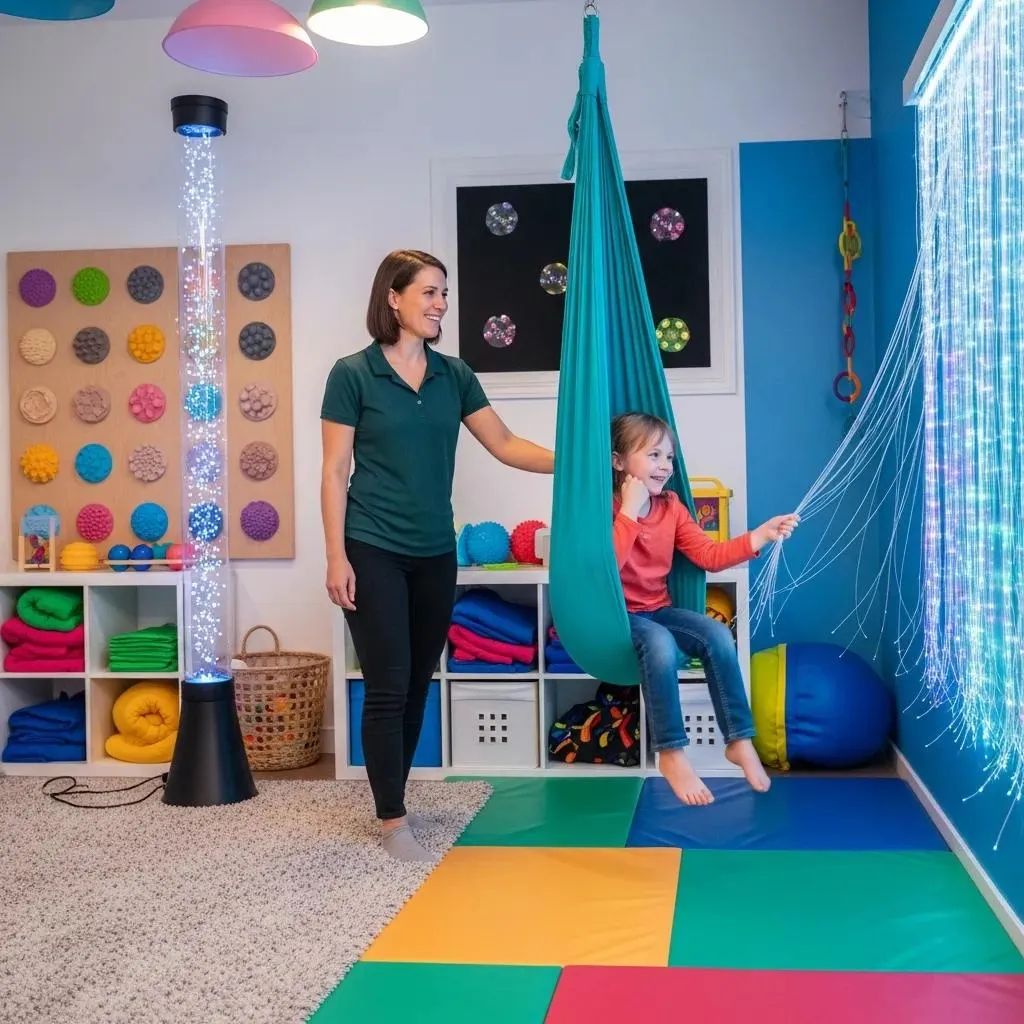

How Occupational Therapy Helps Children With Dysgraphia: What Parents Should Expect
Dysgraphia is a learning disability that affects a child’s ability to write, often leading to frustration and challenges in academic settings. Occupational therapy plays a crucial role in helping children with dysgraphia by providing targeted interventions that enhance their writing skills and overall motor function. In this article, parents will learn about dysgraphia, its impact on children, and how occupational therapy can support their development. We will explore the signs and symptoms of dysgraphia, the occupational therapy assessment process, and the various techniques for improving writing skills. Additionally, we will discuss what parents can expect during their child’s therapy journey and how to choose the proper support.
What Is Dysgraphia and How Does It Affect Children?
Dysgraphia is a neurological learning disability that affects a child’s ability to write coherently and legibly. It can manifest as difficulties with handwriting, spelling, and organizing thoughts on paper. Children with dysgraphia often struggle with fine motor skills, which can hinder their ability to perform tasks that require precise hand movements. Early recognition of dysgraphia is essential, as it allows for timely intervention and support.
What Are the Common Signs and Symptoms of Dysgraphia in Children?
Identifying dysgraphia in children involves recognizing several common signs and symptoms, including:
- Illegible Handwriting: Children may produce writing that is difficult to read, with inconsistent letter sizes and spacing.
- Difficulty with Spelling: Frequent spelling errors, even with familiar words, can be a sign of dysgraphia.
- Frustration with Writing Tasks: Children may express anxiety or frustration when faced with writing assignments, leading to avoidance behaviors.
These symptoms can significantly impact a child’s academic performance and self-esteem, making early intervention crucial.
How Does Dysgraphia Impact Handwriting and Fine Motor Skills?
Dysgraphia can affect a child’s handwriting and fine motor skills. Children may struggle with letter formation, resulting in inconsistent and awkward writing. Challenges with pencil grip can further exacerbate these issues, leading to slower writing speeds and fatigue during writing tasks. As a result, children with dysgraphia may find it challenging to keep up with their peers in school, which can affect their overall learning experience.
How Does Pediatric Occupational Therapy Support Children With Dysgraphia?
What Does a Comprehensive Occupational Therapy Assessment Involve?
A comprehensive occupational therapy assessment typically includes several key components:
- Initial Evaluation Methods: Therapists observe the child’s writing abilities and assess their fine motor skills through various tasks.
- Identifying Specific Needs: The assessment helps identify the child’s strengths and weaknesses, allowing for tailored interventions.
- Setting Therapy Goals: Based on the assessment results, therapists establish specific, measurable goals to guide the therapy process.
This thorough assessment ensures that each child receives the support they need to succeed.
Which Targeted Interventions Improve Handwriting and Writing Skills?
Occupational therapy employs various targeted interventions to enhance handwriting and writing skills, including:
In fact, research highlights the most frequently utilized interventions by occupational therapists when addressing children’s handwriting difficulties.
Common OT Interventions for Children’s Handwriting
Interventions, outpatient occupational therapists employ most when treating children with handwriting difficulties. These were tied for the most commonly used treatment interventions.
Defining occupational therapy interventions for children with fine motor and handwriting difficulties, 2019
- Fine Motor Skill Exercises: Activities such as playdough manipulation and threading beads help strengthen hand muscles and improve dexterity.
- Multisensory Approaches: Techniques that engage multiple senses, such as using textured surfaces for writing practice, can enhance learning.
- Use of Assistive Technology: Tools such as speech-to-text software can help children express their thoughts without the physical challenges of writing.
These interventions are designed to make writing more accessible and enjoyable for children with dysgraphia.
Additionally, specialized occupational therapy kits have been developed and studied for their efficacy in handwriting intervention for children with dysgraphia.
Occupational Therapy Kit for Dysgraphia
intervention with Occupational Therapy Kit (OTK) in treating children with Dysgraphia. The study aimed to establish the norms on OTK to be used by therapists for handwriting intervention in India.
To develop an occupational therapy kit for handwriting skills in children with dysgraphia and study its efficacy: A single-arm interventional study, R Begum, 2019
How Can Fine Motor Skills Be Enhanced Through Occupational Therapy?
What Activities Strengthen Hand Muscles and Dexterity?

Several activities can help strengthen hand muscles and improve dexterity, including:
- Therapy Ball Exercises: Squeezing and rolling therapy balls can enhance grip strength and coordination.
- Using Playdough: Manipulating playdough allows children to practice hand movements while having fun.
- Craft Activities: Engaging in crafts that require cutting, gluing, and assembling can improve fine motor skills.
These activities not only support skill development but also make learning enjoyable.
How Does Pencil Grip and Posture Affect Writing?
Proper pencil grip and posture are crucial for effective writing. Children who use an incorrect grip may experience discomfort and fatigue, leading to poor writing quality. Occupational therapists teach children correct grip techniques and posture adjustments to enhance their writing performance. By focusing on these aspects, children can improve the legibility of their writing and their overall comfort during writing tasks.
What multisensory Techniques Are Used to Improve Letter Formation and Written Expression?

How Do Tactile, Visual, and Auditory Inputs Aid Writing Skills?
Tactile, visual, and auditory inputs play a significant role in enhancing writing skills. For example:
- Tactile Learning Methods: Writing letters in sand or using textured materials can help children learn letter shapes through touch.
- Visual Aids for Writing: Graphic organizers and visual prompts can help children structure their writing tasks.
- Auditory Feedback Techniques: Reading aloud while writing can reinforce the connection between spoken and written language.
These multisensory techniques create a more engaging learning environment for children with dysgraphia.
Indeed, studies have specifically demonstrated the positive impact of visual and haptic perception training on improving handwriting skills in children with dysgraphia.
Visual & Haptic Training for Dysgraphia Handwriting
Visual and Haptic Perception Training to Improve Handwriting Skills in Children With Dysgraphia. Shao-Hsia Chang, PhD, OTR, is Associate Professor in the Department of Occupational Therapy, I-Shou University, Kaohsiung, Taiwan
Visual and haptic Perception Training to improve handwriting skills in Children with dysgraphia, 2017
What Organizational Strategies Help Children Plan and Structure Writing Tasks?
Organizational strategies are essential for helping children plan and structure their writing tasks effectively. Some effective methods include:
- Graphic Organizers: Tools that visually map out ideas can help children organize their thoughts before writing.
- Step-by-Step Planning: Breaking down writing tasks into smaller, manageable steps can reduce overwhelm and improve focus.
- Use of Checklists: Checklists can guide children through the writing process, ensuring they include all necessary components.
Implementing these strategies can significantly enhance a child’s writing organization and clarity.
How Does Occupational Therapy Address Sensory Processing and Executive Functioning Challenges?
What Sensory Integration Techniques Support Writing Regulation?
Sensory integration techniques help children regulate their sensory input, thereby improving focus and attention during writing tasks. Techniques may include:
- Techniques for Sensory Regulation: Activities that provide calming sensory input, such as deep pressure, weighted vests, or blankets, can help children manage anxiety.
- Activities to Enhance Focus: Movement breaks and sensory breaks can help children reset their attention and improve concentration.
- Tools for Sensory Integration: Fidget tools and sensory bins can provide necessary sensory input while allowing children to engage in writing tasks.
These techniques support children in managing their sensory needs, thereby improving writing performance.
How Are Planning, Task Initiation, and Working Memory Developed?
Occupational therapy helps develop essential executive functioning skills, including planning, task initiation, and working memory. Strategies may include:
- Strategies for Planning Tasks: Teaching children to outline their writing before starting can enhance organization and clarity.
- Techniques for Improving Task Initiation: Using timers and visual schedules can help children begin writing tasks more independently.
- Activities to Enhance Working Memory: Memory games and repetition exercises can strengthen working memory, aiding in writing tasks.
By focusing on these skills, children can become more independent and confident writers.
What Should Parents Expect During Their Child’s Occupational Therapy Journey?
How Are Individualized Treatment Plans Created and Adjusted?
Individualized treatment plans are tailored to meet each child’s unique needs. The process typically involves:
- Assessment of Needs: Therapists conduct thorough assessments to identify specific challenges and strengths.
- Setting Goals: Clear, achievable goals are established to guide the therapy process.
- Regular Reviews and Adjustments: Treatment plans are regularly reviewed and adjusted based on the child’s progress and changing needs.
This personalized approach ensures that therapy remains practical and relevant.
What Is the Role of Parents and Teachers in Supporting Therapy Progress?
Parents and teachers play a crucial role in supporting their child’s progress in therapy. Effective collaboration can enhance outcomes by:
- Communication with Therapists: Regular communication with therapists helps parents stay informed about their child’s progress and needs.
- Supporting Practice at Home: Encouraging practice of skills learned in therapy at home can reinforce learning.
- Encouraging Progress in School: Teachers can implement strategies learned in therapy to support the child’s writing development in the classroom.
By working together, parents and teachers can create a supportive environment for the child.
Why Choose Skill Point Therapy for Dysgraphia Support in Tampa Bay?
What Makes Skill Point Therapy’s Approach Unique and Effective?
Skill Point Therapy‘s approach is characterized by:
- Individualized Therapy Plans: Each child receives a tailored therapy plan that focuses on their specific needs and goals.
- Focus on Family Involvement: Parents are actively involved in the therapy process, ensuring consistency and support at home.
- Evidence-Based Practices: Therapists utilize proven techniques and strategies to enhance writing skills and overall development.
This comprehensive approach ensures that children receive the best possible support for their dysgraphia.
Are There Success Stories or Testimonials From Families?
Many families have experienced positive outcomes through Skill Point Therapy. Success stories often highlight:
- Examples of Progress: Children have shown significant improvements in their writing skills and confidence.
- Impact on Children’s Lives: Families report enhanced academic performance and reduced frustration related to writing tasks.
- Parental Feedback: Parents appreciate the therapists’ supportive and collaborative approach.
These testimonials reflect the effectiveness of Skill Point Therapy‘s interventions.
How Can Parents Take the Next Step to Get Help for Their Child?
When Should Parents Seek a Professional Dysgraphia Evaluation?
Parents should consider seeking a professional evaluation if they notice:
- Signs that Indicate a Need for Evaluation: Persistent difficulties with writing, spelling, or fine motor skills may warrant an assessment.
- Importance of Early Intervention: Early identification and intervention can lead to better outcomes for children with dysgraphia.
- Resources for Parents: Various resources are available to help parents understand dysgraphia and the evaluation process.
Recognizing these signs can help parents take timely action to support their child’s needs.
How to Contact Skill Point Therapy for an Occupational Therapy Assessment?
To initiate the process, parents can contact Skill Point Therapy by:
- Contact Methods: Reaching out via phone or email to schedule an assessment.
- What Information to Provide: I would like to share relevant information about the child’s challenges and any previous evaluations.
- Next Steps After Contact: Parents will receive guidance on the assessment process and what to expect during the evaluation.
Taking this step can set the foundation for practical support and intervention for their child.
Frequently Asked Questions
What are the long-term effects of dysgraphia if left untreated?
If dysgraphia is left untreated, children may face ongoing challenges in academic settings, leading to lower self-esteem and increased frustration. Over time, these difficulties can affect their overall learning experience, making it hard to keep up with peers. Additionally, untreated dysgraphia can hinder a child’s ability to express themselves effectively in writing, which may impact their performance in higher education and future job opportunities. Early intervention through occupational therapy can significantly mitigate these long-term effects.
How can parents support their child’s therapy at home?
Parents can play a vital role in supporting their child’s therapy by creating a conducive practice environment at home. This includes setting aside dedicated time for writing exercises, using tools and techniques learned in treatment, and encouraging their child to express frustrations openly. Additionally, parents can reinforce skills through fun activities that promote fine motor skills, such as arts and crafts. Regular communication with therapists about progress and challenges can also help tailor home support effectively.
What role do schools play in supporting children with dysgraphia?
Schools play a crucial role in supporting children with dysgraphia by implementing individualized education plans (IEPs) that accommodate their specific needs. Teachers can provide additional time for writing tasks, use assistive technology, and incorporate multisensory learning techniques in the classroom. Collaboration between parents and educators is essential to ensure that strategies learned in therapy are reinforced in school, creating a consistent support system that enhances the child’s writing skills and overall academic performance.
Are there specific tools or resources that can help children with dysgraphia?
Yes, there are various tools and resources designed to assist children with dysgraphia. These include assistive technologies such as speech-to-text software, specialized writing tools like ergonomic pens, and multisensory learning materials that engage multiple senses. Additionally, graphic organizers can help children structure their writing tasks effectively. Parents can also find books and online resources that provide strategies and activities tailored to support children with dysgraphia in their writing journey.
How can occupational therapy help with emotional challenges related to dysgraphia?
Occupational therapy can address emotional challenges associated with dysgraphia by providing a supportive environment where children can express their frustrations and build confidence. Therapists often incorporate activities that promote self-esteem and resilience, helping children develop coping strategies for anxiety related to writing tasks. By focusing on both skill development and emotional wellbeing, occupational therapy can empower children to face their challenges with a positive mindset, ultimately improving their overall experience in academic settings.
What should parents look for in a qualified occupational therapist?
When seeking a qualified occupational therapist for their child, parents should look for professionals with experience in treating dysgraphia and related learning disabilities. Credentials such as a master’s degree in occupational therapy and relevant certifications are essential. Additionally, parents should consider the therapist’s approach to treatment, ensuring it aligns with their child’s needs. Positive reviews from other families and a collaborative attitude towards involving parents in the therapy process can also indicate a good fit for their child’s support.