
Key Takeaways
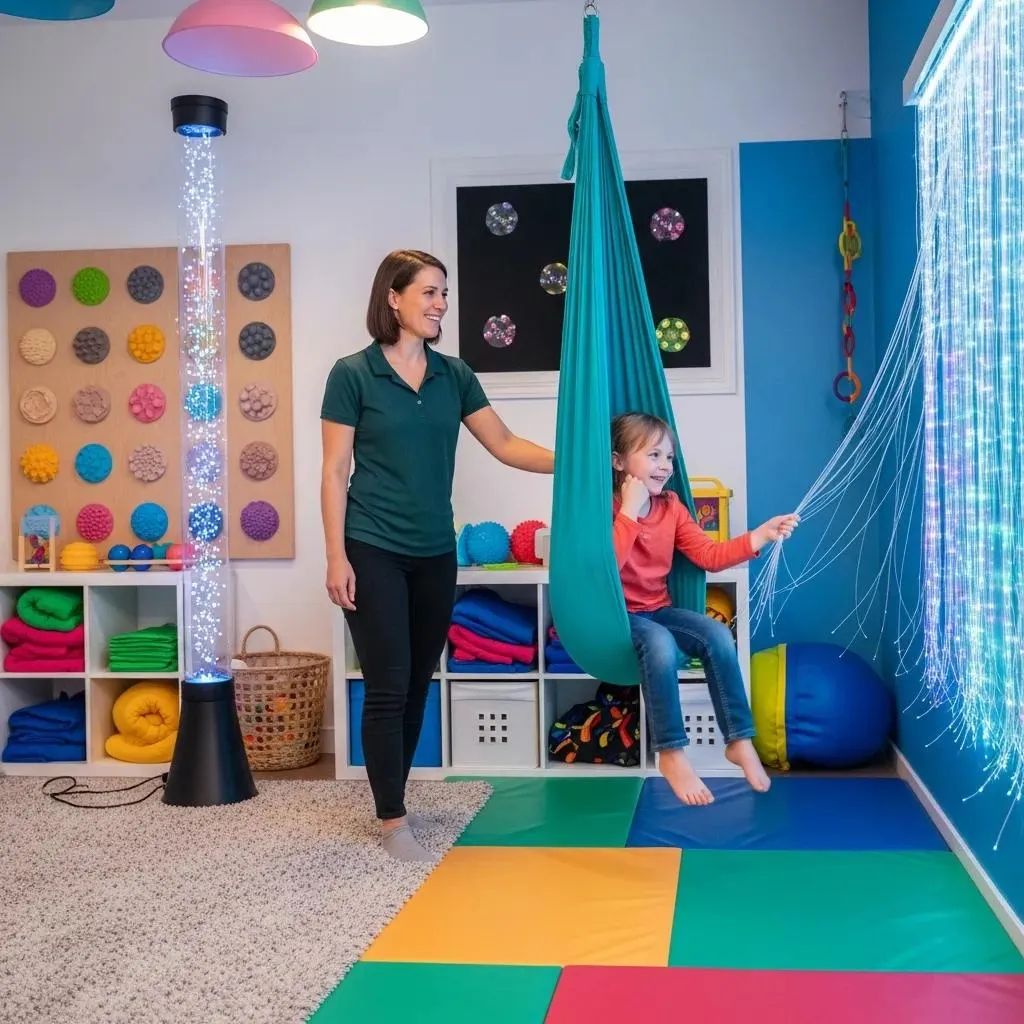
- Occupational therapy enhances fine and gross motor skills through tailored, play-based interventions that engage children in enjoyable activities.
- Therapists focus on individual strengths and challenges, providing personalized strategies that promote skill acquisition and developmental progress.
- Evidence-based techniques improve hand-eye coordination, dexterity, and grip strength, critical for daily tasks like writing and self-care.
- Therapy fosters social interactions and peer relationships by incorporating group activities that develop motor skills in collaborative environments.
- Regular assessments track progress and adapt treatment plans, ensuring children meet their milestones effectively and promoting greater independence.
Understanding Fine Motor Skills in Children
As children navigate the early stages of development, fine motor skills emerge as essential capabilities that enable them to perform everyday tasks with precision and confidence. These skills, involving small muscle groups in the fingers, hands, and wrists, are fundamental for activities like writing, buttoning clothes, and using utensils. Fine motor development is inherently linked to sensory integration, as the maturation of neurological pathways facilitates coordinated movements.
As children progress from basic grasping in infancy to complex tasks in preschool years, milestones guide their development. Typical developmental milestones indicate that factors such as proximal stability, physical fitness, and reduced sedentary behavior further influence these skills. Understanding these dynamics is critical for caregivers and educators aiming to support children facing challenges in fine motor proficiency and self-esteem.
Recent research suggests that sensor-augmented toys can be used as practical tools for assessing fine motor skills in children, promoting engagement and data reliability in natural play settings. Additionally, early identification of fine motor delays can lead to more effective interventions and improved outcomes for children.
The Role of Occupational Therapy in Child Development
Children’s development is a multifaceted expedition that intricately weaves together distinct skills, including those fostered in occupational therapy. This field employs therapeutic approaches that address the whole child, focusing on physical, emotional, social, and cognitive growth. Individualized interventions are tailored to each child’s singular strengths and challenges, ensuring that progress is both meaningful and measurable.
Family involvement is a cornerstone of occupational therapy; parents and caregivers are actively engaged in the therapeutic process, enhancing family dynamics and enabling them to support developmental milestones. By integrating play-based activities, children acquire crucial skills in a fun and engaging manner, fostering independence and promoting self-care. Furthermore, pediatric occupational therapy plays a vital role in addressing developmental delays and helps to ensure that interventions are tailored to individual needs.
Ultimately, occupational therapy enhances motor skills development, which is essential for children’s independence and confidence in everyday tasks.
Evidence Supporting Occupational Therapy Effectiveness
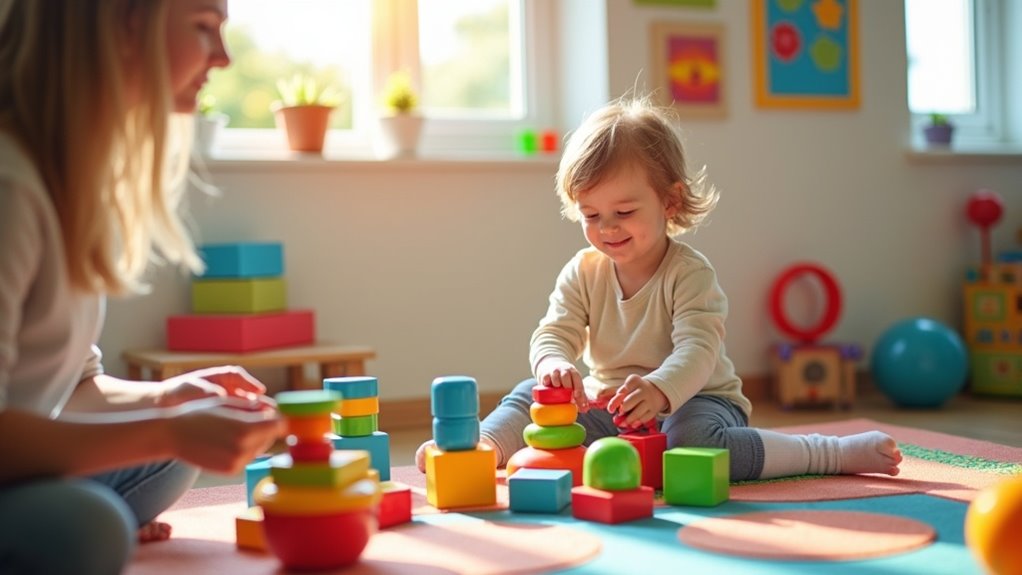
Research has consistently demonstrated the effectiveness of occupational therapy (OT) in enhancing children’s motor skills and general development. Key intervention strategies, such as play-based activities and targeted approaches, have shown significant improvements in fine, gross, and visual-motor skills. Additionally, the long-term benefits of these interventions extend beyond immediate skill attainment, fostering increased independence and participation in daily activities.
These methods also emphasize environmental modifications to create safe spaces for children to practice their motor skills effectively. Furthermore, OT enhances cognitive development by targeting executive functions like attention and memory, which are crucial for successful motor skill acquisition. Early intervention through OT can lead to substantial improvements in social functioning and overall developmental trajectories.
Research Findings Overview
Occupational therapy (OT) has emerged as a powerful tool in improving children’s motor skills and general functional abilities. Research highlights that OT markedly enhances fine motor skills, with studies indicating a reduction in delays from 85.7% to just 7% following targeted interventions. Practical motor skill assessments facilitate the identification of specific needs, allowing for tailored approaches.
Engagement in sensory activities not only promotes grasp strength and eye-hand coordination but also fosters greater independence in daily tasks. Furthermore, OT boosts gross motor skills through play-oriented strategies, resulting in improved balance and strength. Visual-motor integration is an essential component of children’s development, and occupational therapy specifically addresses these skills to support overall academic success.
Additionally, children can benefit from fine motor skills milestones that guide their progress during therapy sessions. Daily practice is recommended to reinforce the skills learned during occupational therapy. In summary, the evidence underscores the positive intervention outcomes of occupational therapy, demonstrating its crucial role in supporting children’s developmental pathways.
Key Intervention Strategies
While engaging in activities designed to improve motor skills, children benefit greatly from carefully structured intervention strategies employed in occupational therapy. Motor skill interventions are tailored to each child’s distinct needs, utilizing engaging activities such as obstacle courses and ball games that promote large muscle movements. Task-specific training focuses on fundamental skills like walking and balancing, while sensory processing difficulties aid in processing sensory inputs.
Therapeutic play is crucial, as it enhances motivation and social interaction, especially in group therapy settings, which fosters peer learning. Consistent practice is encouraged through goal-oriented play, alongside environmental modifications that support daily participation. This multifaceted approach guarantees thorough development, enabling children to refine their motor skills effectively and enjoyably.
Additionally, incorporating sensory diets into therapy can further enhance motor skill development by addressing specific sensory needs. Furthermore, research indicates that sensory integration therapy can significantly improve motor skills and overall functioning in children with developmental conditions.
Long-Term Development Benefits
Evidence supporting the effectiveness of occupational therapy for children highlights the profound long-term developmental benefits that arise from targeted interventions. These therapies improve fundamental motor skills, allowing children to achieve critical development milestones. Improved gross motor skills enable greater independence and social interaction. In contrast, fine motor precision fosters autonomy in self-care tasks; furthermore, enhanced sensory processing aids in managing overwhelming environments and improving overall engagement.
As children refine their coordination and balance, they not only excel in physical activities but also experience increased confidence and affective wellbeing.
Additionally, sensory integration therapy plays a crucial role in helping children manage their responses to stimuli, further contributing to their overall engagement and focus. Ultimately, occupational therapy equips children with the tools necessary for better participation in daily life, promoting self-reliance and a more fulfilling social experience. Additionally, occupational therapy can significantly improve physical disabilities, enabling children to perform daily activities with greater ease and effectiveness.
Play-Based Interventions for Skill Enhancement
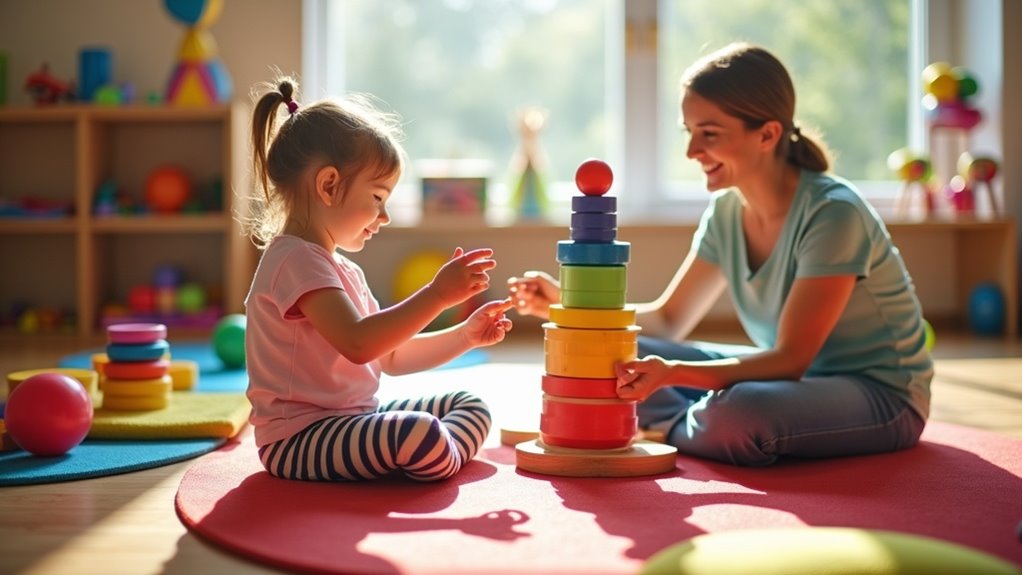
In play-based interventions, children engage in activities that naturally facilitate skill improvement while fostering enjoyment and motivation. These interactions not only promote personal development through goal-oriented tasks but also enrich peer relationships, giving children the opportunity to navigate social dynamics. By integrating purposeful play, therapists can effectively address diverse developmental needs, leading to improved motor skills and comprehensive growth.
Additionally, leveraging play as a tool in these interventions enhances children’s cognitive, emotional, and social development, reinforcing the importance of engagement in therapy.
Benefits of Play-Based Learning
Play-based learning serves as a powerful tool for improving children’s skill development, particularly in the domain of motor skills. Through playful exploration and engaging activities, children experience numerous benefits, including:
- Strengthened Muscles: Goal-oriented play improves muscles, leading to stronger, more agile movements.
- Increased Engagement: Culturally relevant games elevate motivation, making skill acquisition more meaningful.
- Improved Coordination: Active play stimulates both sensory and motor systems, enhancing coordination and control.
- Natural Skill Development: Free play combined with guided tasks fosters critical locomotor skills without the stress of formal instruction. Furthermore, effective interventions during the preschool years are essential for enhancing fundamental motor skills and facilitating long-term physical health.
These elements of play-based interventions foster a joyful yet effective environment for motor engagement, ensuring children not only learn crucial skills but also enjoy the process of exploration and growth.
Engaging Peer Interactions
How can peer interactions improve children’s motor skills and social development? Engaging in cooperative play facilitates crucial peer communication, allowing children to practice social skills while developing their motor abilities. Occupational therapists design play scenarios, such as obstacle courses or ball games, which foster turn-taking, sharing, and collaboration, creating a supportive environment for skill improvement.
Sensory-rich materials used during play boost motor coordination and balance, critical for engaging with peers. Furthermore, structured play encourages joint attention and affective regulation, providing children with opportunities to navigate social interactions effectively. Through these meaningful peer engagements, children with motor delays not only refine their physical skills but also gain confidence and build lasting social connections, fostering holistic development.
This approach aligns with the understanding that play is recognized as essential for childhood development and therapeutic success.
Goal-Oriented Play Activities
Engaging children in goal-oriented play activities fosters essential motor skills while making the learning experience enjoyable and interactive. These structured activities present playful challenges that align with motor skill milestones, enhancing development markedly.
- Walking on balance beams enhances strength and coordination.
- Jumping over goalposts encourages agility and endurance.
- Throwing balls improves hand-eye coordination and timing.
- Arranging blocks fosters problem-solving and dexterity.
This approach not only aids in muscle adaptation but also creates a foundation for lifelong physical literacy and independence. By integrating goal-oriented play into daycare and preschool settings, children can achieve durable motor skill development, revealing potential that shapes their confidence and encourages active participation in life’s adventures.
Techniques for Improving Fine Motor Precision
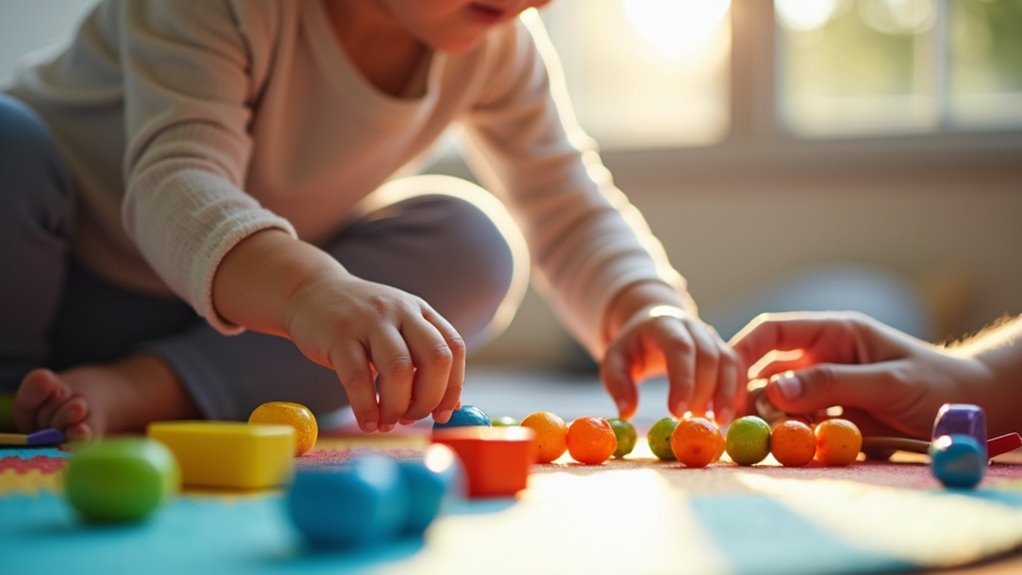
Improving fine motor precision in children requires a variety of targeted techniques that promote skill development and engagement. Occupational therapists often implement fine motor exercises such as threading beads, which boost dexterity by manipulating small objects. Using tweezers helps to refine the pincer grasp, while playdough manipulation strengthens grip and hand muscles.
Cutting shapes can improve coordination and precision, and lacing cards further develops hand-eye coordination. These dexterity challenges not only make the exercises enjoyable but also encourage children to focus on improving their skills. Each technique is selected based on personalized treatment plans, ensuring that the activities support the child’s distinct cognitive and motor abilities, facilitating meaningful growth in their fine motor precision.
Sensory-Motor Integration and Its Importance
While maneuvering their daily environments, children rely heavily on sensory-motor integration to interpret sensory inputs and respond effectively through coordinated movements. This significant process enables children to manage everyday activities and complex tasks. Understanding its importance can evoke deep, heartfelt connections:
- Improved independence in daily activities
- Greater confidence during play and learning
- Enhanced peer interactions and relationships
- Reduced frustration from motor challenges
Occupational therapists assess each child’s distinct sensory processing and motor coordination difficulties, crafting tailored interventions that promote effective integration. By engaging children in sensory-rich experiences, therapists help them develop critical adaptive behaviors necessary for social participation and comprehensive wellbeing. Addressing sensory-motor integration is fundamental for nurturing confident and capable young persons.
Impact on Academic Readiness and Social Interactions
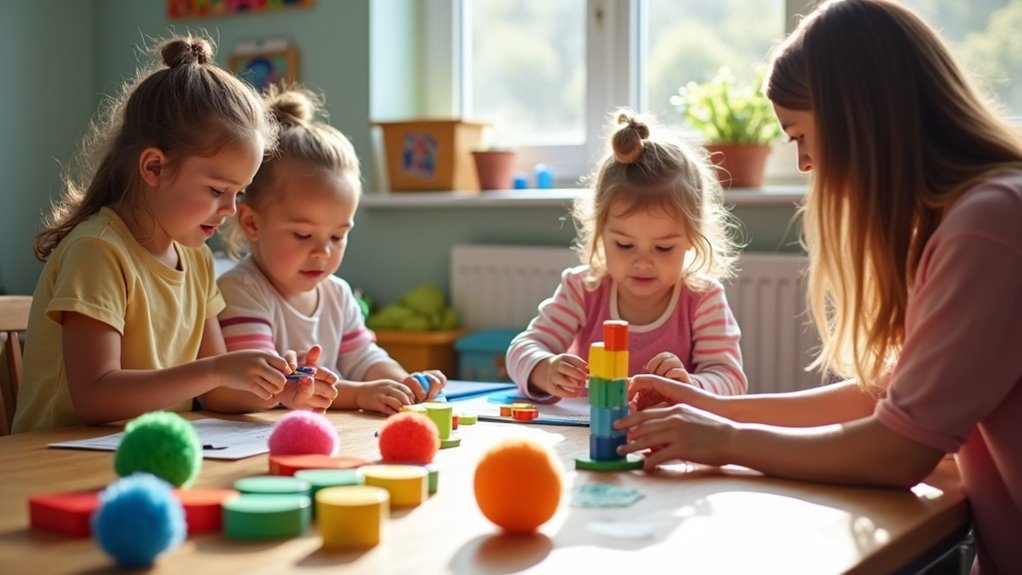
Occupational therapy plays a crucial role in enhancing school preparedness by equipping children with fundamental skills for academic success. In conjunction with improving fine and gross motor skills, therapy fosters peer relationships through structured interactions, teaching children how to engage effectively with their classmates. As a result, these interventions not only enhance self-confidence but also encourage a positive approach to learning and socializing in classroom environments.
Enhancing School Preparedness
Improving school preparedness is vital for children’s academic readiness and social interactions, as developing foundational skills significantly impacts their general success in the classroom. Occupational therapy facilitates this by enhancing motor coordination and sensory processing, allowing children to thrive in an educational environment. Key benefits include:
- Improved fine motor skills are essential for tasks like writing and cutting.
- Enhanced gross motor skills that encourage active participation in school activities.
- The development of executive functions fosters better attention and self-regulation.
- Increased confidence and independence through mastery of self-care routines.
These targeted interventions guarantee children are better equipped to navigate classroom dynamics, not only academically but also socially, paving the way for a fulfilling educational experience.
Fostering Peer Relationships
Developing strong peer relationships is fundamental to a child’s extensive development, significantly impacting both social interactions and academic readiness. Occupational therapy plays a significant role in fostering these connections through tailored, play-based interventions that improve peer engagement and address social dynamics. By teaching children to understand and express emotions during interactions, therapists equip them with crucial communication, cooperation, and problem-solving skills.
Involving parents emphasizes the importance of community activities that nurture social integration. Additionally, as children actively participate in collaborative group activities and role-playing exercises, they experience significant improvements in social competence, which correlates with better academic performance. Ultimately, fostering peer relationships through occupational therapy paves the way for improved social participation and long-term positive behaviors in children.
Boosting Self-Confidence
Self-confidence serves as a cornerstone for children’s extensive development, influencing both their academic readiness and social interactions. Occupational therapy plays a vital role in self-confidence building, helping children gain affective resilience through improved motor skills and independence. This transformation encourages them to:
- Engage in classroom activities with increased willingness.
- Attempt self-care tasks independently, fostering a sense of achievement.
- Managing sensory challenges enhances focus and attention.
- Interact confidently with peers, cultivating positive social relationships.
Tailoring Strategies for Different Age Groups

Occupational therapy for children requires a keen understanding of the distinctive developmental needs at different stages of growth. In infancy, therapists focus on facilitating infant milestones through sensory play and core strength exercises, aiding foundational motor skills. As children shift into toddlerhood, therapists introduce playful activities that improve toddler skills, emphasizing balance and coordination to support emerging independence.
During preschool years, activities foster fine motor precision and prepare kids for school readiness, focusing on vital preschool activities to encourage self-regulation. Ultimately, in early elementary, therapy focuses on refining basic coordination, equipping children with the skills needed for academic tasks like writing and dressing. Tailoring strategies appropriately guarantees that each child’s singular developmental trajectory is supported effectively.
Assessment Tools Used to Measure Progress
When evaluating a child’s progress in occupational therapy, it is crucial to utilize a variety of assessment tools tailored to individual needs and developmental stages. These assessment methodologies provide invaluable insights into a child’s motor skills and abilities. Effective progress tracking can lead to meaningful advancements in a child’s comprehensive development. Key tools include:
- Beery-Buktenica VMI for visual-motor integration.
- Bruininks-Oseretsky Test for fine and gross motor proficiency.
- Miller Function & Participation Scales to assess school-related skills.
- Dynamical International Assessment of Handwriting Speed for evaluating handwriting fluency.
Future Directions in Occupational Therapy Research

As childhood development continues to evolve, the trajectory of occupational therapy research is poised for significant innovation. Future research will increasingly adopt AI integration, allowing for improved patient assessments and tailored interventions that adapt to children’s unique needs. Customized interventions designed for diverse populations, along with holistic approaches that include physical and mental wellbeing, are gaining prominence.
Mentorship programs are crucial in training the next generation of researchers, emphasizing workforce diversity and inclusion in the field. Technology adoption, including wearable devices and telehealth, improves accessibility and efficiency in therapy delivery. By prioritizing evidence-based practices and child-centered strategies, occupational therapy innovations will provide extensive support for children, fostering their growth and independence in a rapidly changing world.
Frequently Asked Questions
How Does Occupational Therapy Help Children With Motor Skills?
Occupational therapy helps children with motor skills by using structured, play-based activities to enhance strength, coordination, and control. These sessions foster independence and confidence, making daily tasks easier and more enjoyable.
Can Occupational Therapy Improve a Child’s Hand-Eye Coordination?
Yes, occupational therapy can significantly enhance hand-eye coordination through activities like ball games, puzzles, and drawing exercises. These engaging methods strengthen visual-motor connections, helping children perform both academic and physical tasks with greater ease.
How Long Does Occupational Therapy Typically Take to Show Results?
Treatment duration for occupational therapy varies; improvements can often emerge within 3 to 6 months for mild delays. Progress indicators include skill acquisition timelines, with ongoing assessments ensuring therapy aligns with personal needs and advancements.
Can Occupational Therapy Be Conducted at Home?
Yes, home therapy can be effectively conducted by offering activities tailored to each child’s needs. This approach fosters engagement, independence, and progress by integrating therapeutic exercises into familiar surroundings, enriching the complete therapeutic experience.
Are There Specific Games That Enhance Fine Motor Skills?
Skill-building games like bead threading, therapy putty manipulation, and cutting paper significantly improve fine motor activities. Engaging children in these fun, structured tasks fosters their hand strength, dexterity, and coordination while promoting independent daily skills.
What Qualifications Should an Occupational Therapist Have?
An occupational therapist should possess a master’s or doctoral degree in occupational therapy, complete requisite fieldwork, and pass the NBCOT exam. Furthermore, they must fulfill state-specific licensing requirements and pursue ongoing education to maintain certification.
How Do Parents Support Their Child’s Occupational Therapy at Home?
Parents can support their child’s occupational therapy at home by actively participating in therapy activities, such as engaging in fine motor games, creating structured routines, and reinforcing therapeutic goals. These activities foster learning and a strong emotional connection.
Conclusion
Pediatric occupational therapy plays a vital role in helping children build the motor skills they need for everyday activities, from holding a pencil and tying their shoes to running, jumping, and climbing. These skills form the foundation for independence, confidence, and participation in both school and play. By focusing on each child’s unique needs, therapy supports steady progress in a fun and engaging way.
References
- https://www.kidsfirstservices.com/first-insights/how-occupational-therapy-helps-children-with-fine-motor-skill-development
- https://pmc.ncbi.nlm.nih.gov/articles/PMC10453018/
- https://eric.ed.gov/?id=EJ1322481
- https://unmhealth.org/services/development-disabilities/programs/other-disability-programs/cerebral-palsy-taskforce/_media/case-smith-et-al-2013.pdf
- https://pmc.ncbi.nlm.nih.gov/articles/PMC8625902/
- https://www.kutestkids.com/blog/how-occupational-therapy-helps-children-with-fine-motor-delays
- https://www.crosscountry.com/blog/evidence-based-interventions-for-motor-skills-development-in-school-settings
- https://research.aota.org/ajot/article/72/4_Supplement_1/7211515275p1/8222/Effectiveness-of-Occupational-Therapy
- https://ajod.org/index.php/ajod/article/view/747/1468
- https://www.jmir.org/2021/4/e24237/