Pediatric speech therapy is a vital service that addresses communication challenges in children, helping them develop essential language skills. In Tampa, FL, integrating speech and occupational therapy offers a comprehensive approach to child development, ensuring children receive holistic care tailored to their unique needs. All services at SkillPoint Therapy are delivered by licensed and state-certified professionals, including speech-language pathologists (SLPs) holding the Certificate of Clinical Competence in Speech-Language Pathology (CCC-SLP) from the American Speech-Language-Hearing Association (ASHA), and occupational therapists credentialed as Occupational Therapist Registered/Licensed (OTR/L) through the American Occupational Therapy Association (AOTA). This article will explore the signs that indicate a child may need speech therapy, how speech and occupational therapy work together, and the benefits of early intervention. Additionally, we will discuss DIRFloortime therapy, what to expect during therapy sessions at SkillPoint Therapy, and how to schedule an evaluation.
Identifying the signs that a child may need pediatric speech therapy is crucial for early intervention. Parents should be aware of specific speech and communication developmental delays that may indicate the need for professional evaluation.
Developmental delays in speech and communication can manifest in various ways. Key signs to look for include:
- Limited Vocabulary: By age 2, a child should have a vocabulary of at least 50 words. A significant delay may indicate a need for therapy.
- Difficulty Following Instructions: If a child struggles to understand or follow simple directions, it may signal a communication issue.
- Lack of Gestures: Children typically use gestures to communicate before they can speak. A lack of gestures can be a red flag.
According to the Centers for Disease Control and Prevention (CDC), approximately 1 in 6 children aged 3–17 years has a developmental disability, highlighting the importance of early recognition and intervention. Recognizing these signs early can lead to timely intervention, which is essential for effective treatment and support.
Parents should consider seeking a therapy evaluation if they notice ongoing communication challenges. Specific scenarios that warrant an evaluation include:
- Ongoing Challenges with Communication: If a child consistently struggles to express themselves or understand others, it may be time to consult a professional.
- Struggles with Social Interactions: Difficulty engaging with peers or adults can indicate underlying communication issues.
- Frequent Tantrums or Behavioral Issues: These may stem from frustration related to communication difficulties.
If any of these signs are present, it is advisable to contact a pediatric speech therapist for an evaluation. SkillPoint Therapy’s licensed clinicians follow evidence-based, individualized treatment protocols aligned with ASHA and the Florida Department of Health guidelines to ensure the highest standard of care.

Speech and occupational therapy are complementary disciplines that work together to support children’s developmental needs. Understanding how these therapies integrate can help parents make informed decisions about their child’s care.
At SkillPoint Therapy, speech therapy and occupational therapy services are integrated through a multidisciplinary approach. This collaboration allows therapists to address overlapping goals, ensuring that children receive comprehensive support tailored to their individual needs. For example, a child working on speech clarity may also benefit from occupational therapy techniques that enhance fine motor skills, which are essential for effective communication.
Further research highlights the critical role of occupational therapy in supporting early communication in children through professional collaboration with speech-language pathologists.
OT & SLP Collaboration for Child Communication
occupational therapy for early communication in children the role of occupational therapists in supporting children with -professional collaboration with speech-language pathologists.
Does occupational therapy play a role for communication in children with autism spectrum disorders?, MLJ Hébert, 2014
The integration of speech and occupational therapy offers several benefits for child development:
- Holistic Growth: Children receive support that addresses multiple aspects of their development, including communication, motor skills, and social interactions.
- Tailored Care: Therapists can create personalized treatment plans tailored to each child’s specific needs.
- Enhanced Communication: By addressing both speech and motor skills, children can improve their overall communication abilities.
Peer-reviewed studies have demonstrated that integrated therapy approaches can lead to significantly better outcomes in communication and functional skills compared to isolated therapies, underscoring the value of this collaborative model.
This combined approach fosters a more comprehensive developmental experience for children.
DIRFloortime therapy is a relationship-based intervention model designed to support children with developmental differences. This approach emphasizes emotional connections and child-led interactions, which are crucial for effective communication development.
DIRFloortime is built on several core principles:
- Child-Led Approach: Therapists follow the child’s lead during sessions, allowing them to explore and express themselves in a comfortable environment.
- Emotional Connection: Building strong emotional bonds between the therapist and child enhances engagement and learning.
- Developmental Focus: The therapy targets specific developmental milestones, ensuring that children progress at their own pace.
These principles create a supportive framework for children to develop their communication skills.

Research supports the effectiveness of DIRFloortime in enhancing communication skills and overall development. Benefits include:
- Enhanced Communication Skills: Children often show significant improvements in their ability to express themselves and understand others.
- Social-Emotional Development: The therapy fosters emotional regulation and social skills, which are essential for effective communication.
- Holistic Development: By addressing emotional and developmental needs, DIRFloortime promotes comprehensive growth.
These evidence-based benefits highlight the importance of incorporating DIRFloortime into pediatric therapy practices.
A systematic review further substantiates the positive impact of DIR/Floortime™-based programs on various aspects of child development, including speech and language.
DIRFloortime Outcomes in Child Development
approach could include speech and language therapy, educational programs, physical on the outcomes of the DIR/Floortime TM Model on children’s development.
Child development outcomes of DIR
Floortime TM-based programs: a systematic review, K Boshoff, 2020
Parents often wonder what their child will experience during speech therapy sessions. Understanding the structure and activities involved can help ease any concerns.
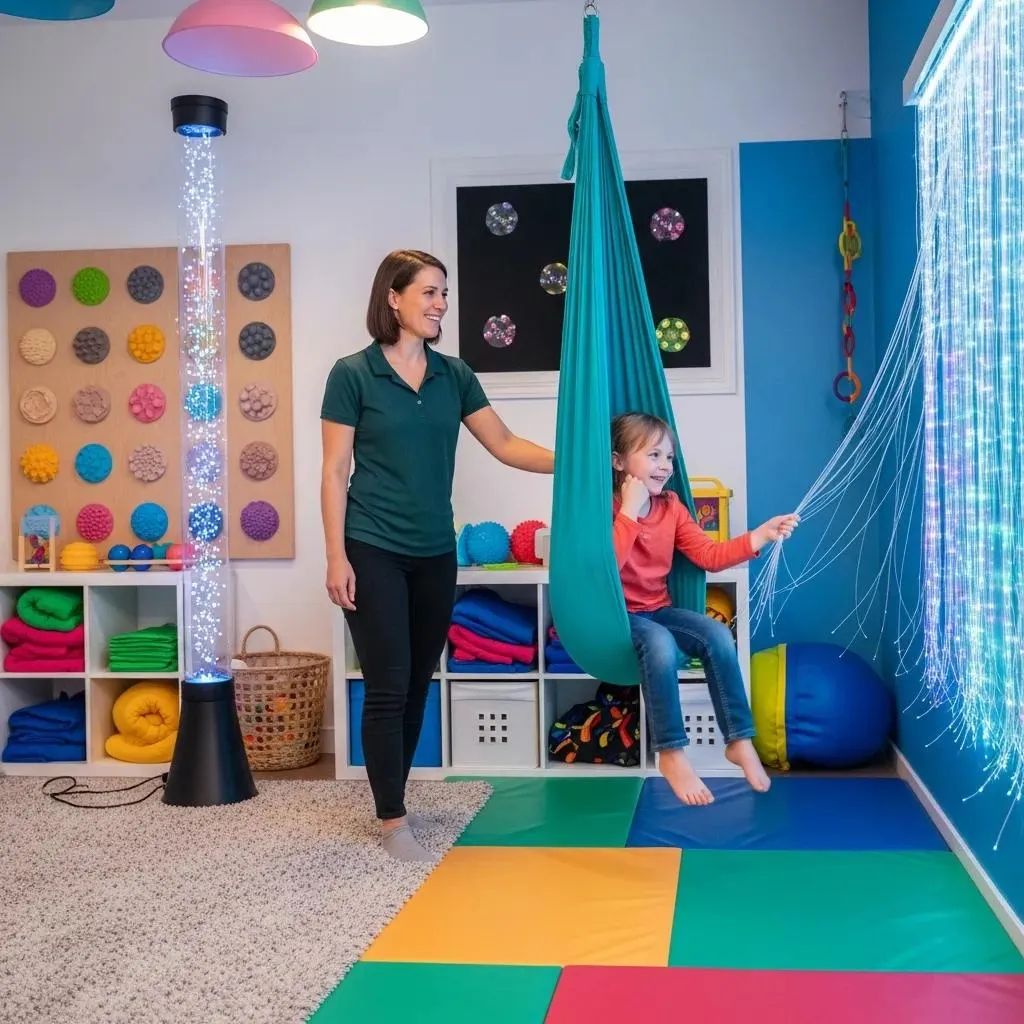
During sessions at SkillPoint Therapy, children engage in various activities designed to enhance their speech and language skills. Common techniques include:
- Play-Based Therapy: Utilizing games and interactive activities makes learning enjoyable and effective.
- Modeling Techniques: Therapists demonstrate correct speech patterns for children to imitate, facilitating learning.
- Repetition Strategies: Repeated practice helps reinforce new skills and concepts.
These activities are tailored to each child’s needs, ensuring a personalized approach to therapy.
Occupational therapy plays a crucial role in enhancing the effectiveness of speech therapy sessions. By addressing underlying motor skills, occupational therapy can support speech development in several ways:
- Addressing Underlying Skills: Occupational therapists work on fine motor skills that are essential for effective communication.
- Enhancing Communication: Techniques used in occupational therapy can improve a child’s ability to express themselves verbally and non-verbally.
- Collaborative Approach: The integration of both therapies allows for a more comprehensive treatment plan that addresses all aspects of a child’s development.
This collaborative approach ensures that children receive the support they need to thrive.
Occupational therapy is integral to supporting speech development in children. By focusing on various skills, occupational therapists can enhance communication abilities.
Occupational therapy enhances communication skills through several strategies:
- Interactive Activities: Engaging children in hands-on activities promotes language use and social interaction.
- DIR Floortime Approach: This method encourages emotional regulation and communication through play, fostering a supportive environment for learning.
- Emotional Regulation: Therapists help children develop strategies to manage their emotions, thereby improving their ability to communicate effectively.
These strategies create a solid foundation for speech development.
Occupational therapists employ various interventions to address speech delays, including:
- Oral Motor Exercises: These exercises strengthen the muscles used in speech, improving clarity and articulation.
- Sensory Integration Techniques: Addressing sensory processing issues can enhance a child’s ability to engage in communication.
- Parent Involvement Strategies: Therapists often work with parents to implement strategies at home, reinforcing skills learned during therapy.
These interventions are designed to help children overcome speech delays and improve their communication skills.

Scheduling an evaluation for pediatric speech and occupational therapy is straightforward. Understanding the steps involved can help parents prepare effectively.
To schedule an evaluation at SkillPoint Therapy, follow these steps:
- Contact SkillPoint Therapy: Reach out via phone at 813-491-8300 to discuss your child’s needs.
- Discuss Evaluation Needs: Provide information about your child’s communication challenges and any specific concerns.
- Coordinate Scheduling: Work with the clinic to find a suitable time for the evaluation.
These steps ensure that parents can easily access the services their child needs.
Before the evaluation, parents should gather relevant information to facilitate the assessment process. Important documents include:
- Recent School or Medical Reports: These provide insight into your child’s developmental history.
- Summary of Developmental Milestones: A record of your child’s progress can help therapists understand their needs.
- List of Current Concerns: Identifying specific areas of concern will guide the evaluation process.
Having this information ready can streamline the assessment and ensure a comprehensive evaluation.
Early intervention in speech and occupational therapy has been shown to yield significant benefits for children. Understanding these advantages can motivate parents to seek timely help.
Research indicates that early intervention can lead to improved outcomes in various areas, including:
- Enhanced Cognitive Skills: Children who receive early therapy often demonstrate better cognitive development.
- Improved Language Skills: Early intervention significantly enhances language acquisition and communication. ASHA research shows that children who receive early speech therapy demonstrate measurable gains in expressive and receptive language skills compared to those who do not.
- Better Social-Emotional Skills: Children benefit from improved social interactions and emotional regulation.
These statistics underscore the importance of seeking therapy as soon as concerns arise.
A meta-analysis further emphasizes the significant positive effects of early interventions on social communication outcomes, particularly for young children with autism spectrum disorder.
Early Intervention Benefits for Social Communication
This meta-analysis examined the effects of early interventions on social communication outcomes for young children with autism spectrum disorder. A systematic review of the literature included 1442 children (mean age 3.55 years) across 29 studies. The overall effect size of intervention on social communication outcomes was significant (g= 0.36). The age of the participants was related to the treatment effect size on social communication outcomes, with maximum benefits occurring at age 3.81 years.
The effects of early intervention on social communication outcomes for children with autism spectrum disorder: A meta-analysis, AP Kaiser, 2020
The long-term benefits of integrated therapy approaches are well-documented. Key outcomes include:
- Improved Social Interactions: Children who receive early intervention are more likely to develop strong social skills.
- Enhanced Communication Abilities: Early therapy leads to better verbal and non-verbal communication skills.
- Increased Independence: Children gain confidence and independence as they develop their communication abilities.
These outcomes highlight the critical role of early intervention in supporting children’s overall development.
SkillPoint Therapy has convenient locations in Tampa and Brandon, making it accessible for families seeking pediatric therapy services.
The addresses for SkillPoint Therapy clinics are as follows:
- Tampa Location: 13907 N. Dale Mabry Hwy., Suite 214, Tampa, FL 33618
- Brandon Location: 1463 Oakfield Drive, Suite #131, Brandon, FL 33511
These locations are designed to provide easy access to therapy services for families in the area.
The strategic locations of SkillPoint Therapy clinics enhance access to pediatric therapy services. Factors that contribute to this accessibility include:
- Proximity to Home: Families can easily reach the clinics without extensive travel.
- Transportation Availability: The clinics are situated in areas with good transportation options, making it easier for families to attend appointments.
- Facility Design: The clinics are designed to be welcoming and child-friendly, creating a positive environment for therapy.
This focus on accessibility ensures that families can prioritize their children’s developmental needs without added stress.
To learn more or discuss your child’s needs, reach out to SkillPoint Therapy today.
Early intervention is most effective — ideally before age 5. However, children of any age can benefit. If you notice developmental delays, difficulty communicating, or challenges with daily tasks, a professional evaluation at SkillPoint Therapy can provide clarity and a path forward.
A licensed therapist will conduct a comprehensive evaluation to assess your child’s communication skills, motor development, and sensory processing. Many children benefit from both disciplines working together, as speech and fine motor development are closely interconnected.
Most major insurance plans, including Florida Medicaid and CHIP, cover medically necessary speech and occupational therapy services. Our team at SkillPoint Therapy can help you verify your coverage and navigate the insurance process.
The duration varies by child and condition. Some children see significant progress in a few months; others benefit from ongoing therapy over 1–2 years. Your child’s therapist will set measurable goals and provide regular progress updates.
SkillPoint Therapy uses evidence-based, individualized treatment plans delivered by ASHA-certified SLPs and AOTA-credentialed OTs. Our integrated, play-based approach — including the DIR/Floortime model — ensures therapy is both effective and enjoyable for children.
There is no specific age that is universally appropriate for starting speech therapy, as it depends on individual developmental milestones. However, early intervention is crucial. If parents notice signs of speech delays or communication difficulties before age 3, it is advisable to seek an evaluation. The earlier a child receives support, the better their chances for effective communication development. Many therapists recommend starting assessments as soon as concerns arise, regardless of age.
Parents can play a vital role in supporting their child’s speech development through various activities. Engaging in regular conversations, reading together, and encouraging play that involves verbal interaction can enhance language skills. Additionally, using simple language, modeling correct speech, and providing positive reinforcement when the child attempts to communicate can foster confidence. Creating a language-rich environment at home is essential for reinforcing skills learned during therapy sessions.
Yes, several conditions can benefit significantly from integrating speech and occupational therapy. Children with autism spectrum disorders, developmental delays, or speech sound disorders often experience overlapping challenges that affect both communication and motor skills. By addressing these areas simultaneously, therapists can create a more comprehensive treatment plan that targets the child’s unique needs, leading to improved outcomes in both communication and daily functioning.
A qualified pediatric speech therapist should hold a master’s degree in speech-language pathology and be licensed to practice in their state. Additionally, they should have experience working with children and be familiar with various speech and language disorders. Certification from the American Speech-Language-Hearing Association (ASHA) is also a strong indicator of a therapist’s expertise. Parents should inquire about a therapist’s background and experience to ensure the therapist is well-equipped to support their child’s needs.
Typically, a speech therapy session for children lasts between 30 and 60 minutes, depending on the child’s age and specific needs. Younger children may benefit from shorter sessions to maintain their attention and engagement, while older children may participate in longer sessions that allow for more in-depth activities. The frequency and duration of sessions will be tailored to each child’s individual therapy goals and progress, as determined by the therapist.
Parents play a crucial role during therapy sessions by actively participating and reinforcing the skills being taught. Many therapists encourage parents to observe and engage in activities alongside their child, which helps to create a supportive learning environment. Additionally, therapists may provide parents with strategies and techniques to practice at home, ensuring that the child’s progress continues outside of therapy sessions. This collaboration enhances the effectiveness of the therapy and fosters a stronger parent-child bond.
Yes, speech therapy can be effectively delivered online through teletherapy, especially when in-person visits are not feasible. Many therapists have adapted their practices to offer virtual sessions, utilizing video conferencing tools to engage with children. Teletherapy can be just as effective as in-person therapy, provided that the therapist is skilled in delivering services remotely. Parents should ensure that their child has a suitable environment and the necessary materials for online sessions to maximize benefits.
Integrating pediatric speech and occupational therapy in Tampa, FL, provides children with a holistic approach to overcoming communication challenges and enhancing developmental skills. Early intervention not only fosters improved language abilities but also supports emotional and social growth, ensuring a well-rounded developmental experience. Parents are encouraged to schedule an evaluation to explore tailored therapy options for their child. Discover how SkillPoint Therapy can help your child thrive by reaching out today.
Clinically Reviewed By: This content was reviewed by a licensed pediatric therapist at SkillPoint Therapy to ensure accuracy and alignment with current clinical standards and best practices.