
Recognizing Signs of Sensory Processing Disorder in Children: Early Symptoms and Support Strategies
Sensory Processing Disorder (SPD) occurs when a child’s nervous system struggles to register, organize, or respond to sensory information in ways that match their environment. Recognizing it early helps families reduce frustration and improve daily function. This article explains what SPD is, how sensory challenges affect development, and why early recognition matters for motor skills, communication, emotional regulation, and learning. Parents, caregivers, and educators will learn the common symptoms across sensory systems, how signs change with age, when to seek professional evaluation, and practical strategies to manage overload at home and school. The guide also outlines how pediatric occupational therapy and sensory integration approaches support children, how evaluations typically proceed, and where families can find local options. Read on for symptom checklists, age-based comparisons, therapy overviews with a therapy-type table, and concrete, tested strategies parents can try immediately to support regulation and participation.
What Is Sensory Processing Disorder and Why Is Early Recognition Important?
Sensory Processing Disorder (SPD) occurs when the brain has difficulty interpreting input from the tactile, auditory, visual, vestibular, proprioceptive, or interoceptive systems, which alters behavior and participation in daily routines. The underlying mechanism involves differences in sensory modulation, discrimination, or integration that change how a child responds to sensations, which, in turn, affect attention, motor planning, and emotional regulation. Early recognition matters because timely support—through modification, targeted activities, and therapy—can reduce cascading effects on learning, social development, and safety, improving long-term function. Identifying patterns early creates opportunities for intervention that target sensory modulation and skill-building rather than relying solely on behavioral management.
How Does Sensory Processing Disorder Affect Children’s Development?
SPD can affect the motor, communication, social, emotional, and academic domains by disrupting how a child approaches tasks that require integrated sensory input. For example, tactile defensiveness may make dressing or handwriting difficult, while vestibular or proprioceptive differences can impair balance and motor planning, limiting playground participation and gross motor milestones. These functional impacts often produce secondary challenges: limited peer play reduces social learning, and avoidance of certain textures or foods can affect nutrition and family routines. Recent studies and clinical observations indicate that addressing sensory processing early promotes gains in attention, school engagement, and self-regulation, underscoring the importance of early screening and observation across multiple contexts for developmental outcomes.
Who Should Be Alert to SPD Signs: Parents, Guardians, and Educators?
Parents, guardians, childcare staff, preschool teachers, pediatricians, and school-based clinicians are all positioned to notice sensory processing differences because they observe children across feeding, play, classroom, and transition contexts. Observations should focus on frequency, intensity, and context—whether a child consistently avoids playground equipment, has extreme reactions to haircuts, or struggles with noisy classrooms—since transient behaviors are less indicative than persistent patterns. When communicating concerns, use concrete examples, record observations across settings, and describe how behaviors interfere with routines; this helps clinicians prioritize evaluations and interventions. Clear handoffs between home, healthcare, and school teams improve early identification and create a coordinated pathway toward assessment and support.
What Are the Key Sensory Processing Disorder Symptoms in Children?

Sensory processing issues present as patterns of hypersensitivity, hyposensitivity/sensory seeking, and sensory discrimination difficulties that affect daily tasks and learning. Hypersensitivity (over-responsiveness) shows as avoidance or distress to sensory input. In contrast, hyposensitivity or sensory seeking appears as craving strong input or showing high pain tolerance, and discrimination problems manifest as difficulty distinguishing textures, sounds, or body position. Understanding these categories helps caregivers choose targeted strategies and know when behaviors represent regulatory differences rather than willful misbehavior. The table below organizes these primary symptom types with attributes and example behaviors for quick reference.
Different symptom types produce distinct behaviors and intervention priorities.
This table clarifies that symptom type guides assessment and intervention choices, helping caregivers prioritize observation and describe behaviors accurately to professionals.
Early identification benefits from a brief symptom checklist that caregivers can reference:
- The most common signs parents notice include extreme sensitivity to noise, aversion to textures, frequent falls or clumsiness, persistent mouthing of objects, and difficulty tolerating grooming or dressing.
- These signs reflect underlying sensory modulation or discrimination issues rather than intentional opposition.
- Tracking frequency, context, and triggers over several weeks produces valuable data for clinicians.
This bulleted list highlights common, observable signs and helps caregivers decide when to monitor and when to seek evaluation; the next section explains how hypersensitivity specifically presents.
Which Behaviors Indicate Hypersensitivity or Over-Responsiveness?
Hypersensitivity appears across sensory systems and often limits participation because ordinary sensations become overwhelming, prompting avoidance or emotional dysregulation. Tactile defensiveness may lead a child to reject certain fabrics, resist messy play, or scream during haircuts; auditory over-responsiveness often shows as covering ears, distress at routine classroom noise, or difficulty in noisy cafeterias. Visual overstimulation can cause discomfort in bright lights or busy visual environments, and gustatory or olfactory sensitivities can lead to restricted diets and mealtime stress. When hypersensitivity impairs safety, nutrition, sleep, or schooling, families should consult a pediatrician or pediatric occupational therapist for targeted evaluation and support.
How to Identify Hyposensitivity and Sensory Seeking Behaviors?
Hyposensitivity and sensory seeking manifest as high-energy-seeking behaviors or muted reactions that mask underlying sensory needs and raise safety concerns. A child who seeks proprioceptive input may crash, jump, or push peers, while a child who seeks vestibular input may appear to spin or move constantly to feel regulated; interoceptive hyposensitivity may lead to poor hunger or thirst cues. These behaviors often co-occur with attention challenges because the child seeks sensations that help maintain arousal or focus. Parents can try safe, structured sensory activities—such as supervised deep-pressure play or heavy work—while monitoring whether these reduce risky behaviors before pursuing a formal assessment.
How Do Sensory Processing Disorder Signs Vary by Age Group?
Signs of SPD change as children grow because developmental tasks demand different sensory integration skills, and age-stratified profiles help caregivers map behaviors to expectations. Infants and toddlers show early markers in feeding, sleep, and startle reactions, preschoolers often reveal play and motor planning challenges, and school-aged children typically present with academic, social, and sensory regulation issues that affect classroom participation. Comparing typical presentations by age clarifies when behaviors warrant monitoring and when to request evaluation from pediatric or school-based teams. The table below summarizes typical age-based presentations to help families and educators recognize patterns that emerge at different developmental stages.
This comparative table highlights how symptoms evolve and where to focus observation.
This table helps caregivers and teachers connect age-appropriate expectations to observed sensory patterns and prepare for next steps, including screening or formal evaluation.
What Are Early Signs of SPD in Infants and Toddlers?
In the infant and toddler years, parents should watch for feeding difficulties, strong startle or clinginess, aversion to cuddling or certain textures, and delays in gross motor skills such as rolling, crawling, or sitting. Feeding concerns include refusal of varied textures, prolonged picky eating, or gagging with new foods, while sleep disruptions can reflect over- or under-reactivity to sensory input. Tracking these behaviors across weeks, noting triggers and routines, helps pediatricians and therapists determine whether an early evaluation is warranted. Early intervention can focus on caregiver coaching, graded sensory experiences, and strategies that support feeding and motor milestones.
Which SPD Symptoms Are Common in Preschool and School-Aged Children?
Preschool and school-aged children often exhibit sensory challenges through play preferences, social participation, and academic tasks such as handwriting or sitting through lessons. Classroom signs include distress in noisy environments, difficulty transitioning between activities, and inattention that stems from sensory distraction rather than willful behavior. Fine-motor challenges such as poor pencil pressure, messy handwriting, or struggles with fasteners often reflect proprioceptive or tactile discrimination issues. Schools can implement accommodations—predictable routines, quiet workspaces, sensory breaks—and families can document patterns and supports to request evaluations or educational planning if needed.
When Should Parents Seek Professional Evaluation for Sensory Processing Disorder?

Parents should seek professional evaluation when sensory behaviors are persistent, interfere with safety, feeding, sleep, school participation, or family routines, or when they cause significant distress for the child and caregivers. Early evaluation clarifies whether sensory processing differences are primary or part of a broader neurodevelopmental profile and informs individualized interventions that target function rather than just behavior. The evaluation pathway typically begins with pediatric screening and proceeds to a comprehensive occupational therapy assessment that includes caregiver interviews, standardized measures, and observations across contexts. Below is a concise red-flag checklist to guide decisions about when to pursue assessment.
The red-flag checklist below lists high-priority concerns that usually warrant professional assessment.
- Safety risk behaviors: The child consistently engages in risky seeking behavior or shows high pain tolerance that endangers safety.
- Feeding and growth concerns: Persistent refusal of multiple food textures affecting nutrition or growth.
- Interference with daily life: Sensory reactions prevent dressing, sleeping, attending school, or participating in family activities.
- Persistent emotional dysregulation: Regular meltdowns or severe anxiety tied to sensory experiences.
- Developmental delays: Consistent delays in motor milestones or clear regression in skills.
This numbered checklist helps caregivers and clinicians prioritize referrals; next, we explain typical assessment steps and what families can expect during the diagnostic process.
What Are the Red Flags and Persistent Patterns to Watch For?
Red flags include patterns that persist across settings and age-appropriate expectations, such as ongoing avoidance of typical developmental experiences, sustained feeding or growth issues, or frequent safety incidents tied to sensory seeking. Frequency, intensity, and duration matter: occasional distress is less concerning than daily, predictable interference with activities. Caregivers should document when and where behaviors occur and what strategies have been tried, as this information streamlines screening and assessment. Seeking evaluation early when red flags appear enables targeted intervention focused on functional skill development rather than solely on behavioral control.
How Does the SPD Diagnosis Process Work?
A comprehensive SPD assessment typically begins with screening questionnaires and caregiver interviews, followed by direct observation and standardized testing conducted by pediatric occupational therapists in clinical, school, or home settings. Assessments examine sensory modulation, discrimination, and motor planning through structured tasks and play-based observations, sometimes incorporating teachers’ or daycare providers’ checklists to capture multiple contexts. Results translate into a functional report with recommendations—sensory diets, environmental modifications, therapeutic goals, and school accommodations—that guide intervention and measure progress over time. Families typically receive a clear summary of findings, suggested strategies for implementation at home and at school, and recommendations for therapy intensity and follow-up.
Following assessment, families often ask how occupational therapy supports functional gains, which the next section addresses in depth.
After considering evaluation, some families seek local providers for assessment and therapy; Skill Point Therapy offers evaluation pathways and service options to support families through this process. Skill Point Therapy is a pediatric occupational therapy provider offering Sensory Integration therapy with in-home, in-daycare, telehealth, and office-based options in Tampa and Brandon, Florida. Their approach emphasizes compassionate, dedicated care, personalized treatment plans, accessible services, and strong communication, and they provide diverse therapy programs including DIRFloortime, Aquatic Therapy, Social Skills Group, Writing without Tears, and Sensory Integration. Families interested in local evaluation or therapy can contact Skill Point Therapy by phone at 813-491-8300 or visit their Tampa clinic at 13907 N. Dale Mabry Hwy., Suite 214, Tampa, FL 33618 to learn about scheduling options.
How Can Occupational Therapy Help Children with Sensory Processing Disorder?

Pediatric occupational therapy addresses SPD by assessing sensory processing patterns and designing individualized interventions that improve regulation, motor planning, daily living skills, and participation in school and family routines. Occupational therapists use sensory integration principles—controlled, graded sensory experiences delivered in the context of meaningful play—to help the nervous system form more adaptive responses to sensory input, which supports attention, motor skills, and emotional regulation. Therapy goals focus on functional outcomes: increased tolerance for daily activities, improved handwriting and self-care, safer play, and reduced meltdowns. The table below compares common therapy approaches, their primary goals, and typical tools or activities used to target sensory challenges.
What Is Sensory Integration Therapy and How Does It Support SPD?
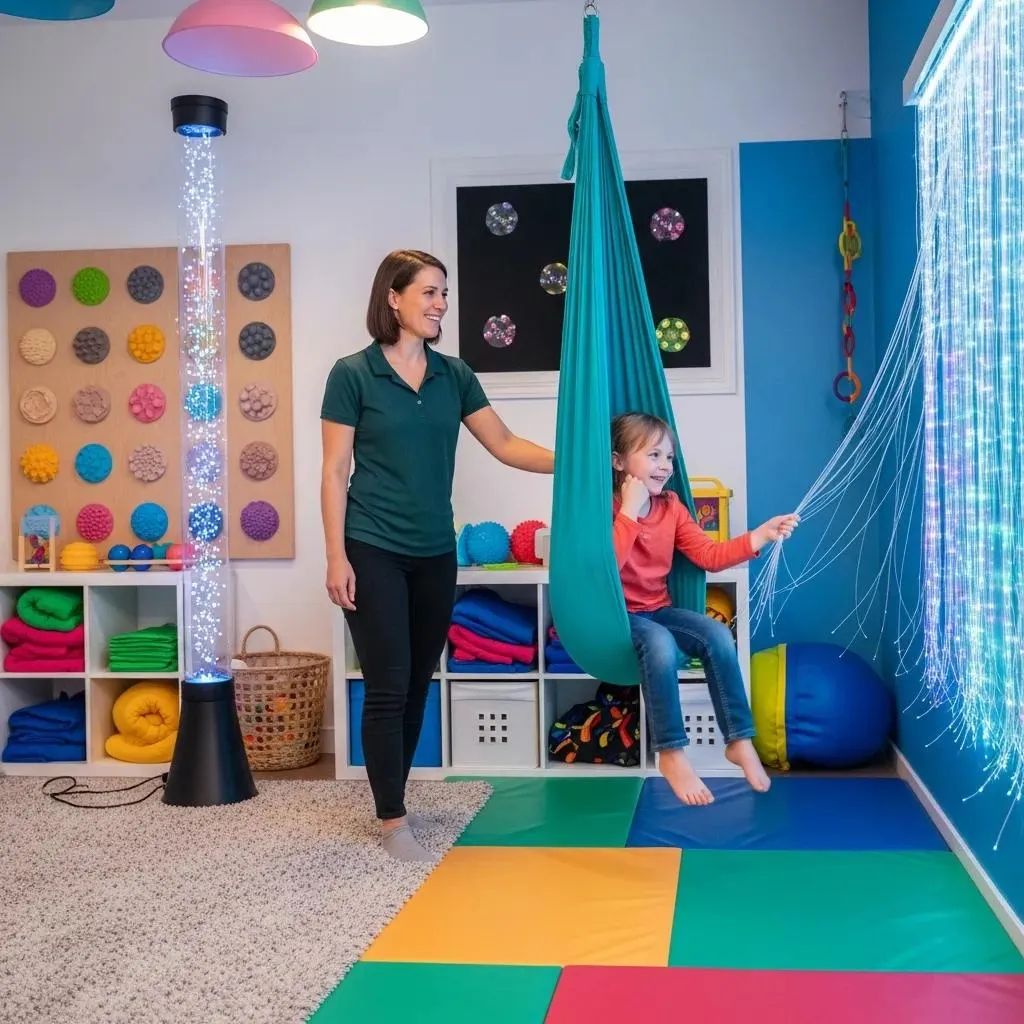
Sensory integration therapy works by providing controlled, meaningful sensory challenges that encourage the child to adapt and organize responses, thereby improving functional participation in daily tasks. Sessions are play-based and individualized, using equipment like swings, crash mats, therapy balls, tactile bins, and proprioceptive activities to deliver graded input and build adaptive strategies. Therapy emphasizes active engagement, problem-solving, and safe challenge; progress is measured through improved tolerance for sensory experiences, better motor planning, and increased participation at home and school. Recent clinical guidance advocates combining sensory integration with family education and school-based supports to maximize transfer of gains across settings.
What Is Skill Point Therapy’s Approach to Personalized SPD Treatment?
Skill Point Therapy provides pediatric occupational therapy services, emphasizing personalized treatment planning and family-centered goals, and delivering compassionate, dedicated care across multiple service modalities. Their service model includes in-home, in-daycare, telehealth, and clinic-based options to increase accessibility and continuity of care, while therapists prioritize strong communication with families and schools. Skill Point Therapy offers diverse therapy programs designed to address sensory challenges and related developmental needs, including DIRFloortime, Aquatic Therapy, Social Skills Group, Writing without Tears, and Sensory Integration approaches. Families exploring therapy options should ask about assessment pathways, typical session structure, and how home and school recommendations will be coordinated.
What Practical Strategies Can Parents Use to Support Children with SPD?
Parents can use practical, structured strategies at home to anticipate triggers, reduce sensory overload, and build self-regulation skills through sensory diets, environmental adjustments, and predictable routines. A sensory diet is a personalized schedule of activities that provides the specific sensory input a child needs to remain regulated—such as heavy work, deep pressure, vestibular play, or quiet breaks—and can be implemented throughout the day between meals, before transitions, and to prepare for school. Environmental modifications include creating calm corners for downtime, reducing background noise during focused tasks, and providing transition warnings to minimize surprises. The list below outlines immediate strategies parents can use to monitor which adaptations support their child most effectively.
- Establish predictable routines: Clear, consistent daily sequences reduce anxiety and sensory surprises.
- Use sensory breaks: Schedule short, frequent sensory activities that match the child’s needs to support attention and regulation.
- Modify the environment: Reduce visual clutter and background noise during focused tasks to minimize overload.
- Provide heavy work and proprioceptive input: Activities like carrying groceries or pushing a weighted cart help children feel grounded.
- Offer quiet transition scripts: Prepare the child verbally and visually before changes to reduce meltdowns.
This bulleted list provides caregivers with an actionable starting point; the following subsection offers detailed examples and scripts parents can use to manage overload and transitions.
How Can Parents Manage Sensory Overload and Behavioral Challenges at Home?
Managing sensory overload requires anticipation, simple environmental changes, and in-the-moment de-escalation strategies that prioritize safety and teach regulation. Start with predictable routines and visual schedules to set expectations, introduce pre-transition cues such as timers or short scripts, and provide a designated calm space with noise-reducing materials or soft lighting. Use sensory diet activities throughout the day—heavy work before challenging tasks, short movement breaks between seated activities, and calming deep-pressure techniques when dysregulation begins—to reduce the frequency of meltdowns. Caregivers should monitor responses to adjustments, keep a concise log of effective strategies, and share findings with therapists and teachers to ensure consistency across settings.
What Resources and Support Are Available for Families Facing SPD?
Families can access authoritative research summaries, clinical guidelines, and community supports to deepen understanding and find local services, including information from occupational therapy associations and pediatric research institutes that summarize evidence-based approaches. Local therapy options typically include clinic-based sensory integration, in-home or in-daycare services, telehealth consultations for coaching, and group programs for social skills and motor practice. Peer support groups and parent training programs offer practical strategies and emotional support, while schools can implement accommodations through 504 plans or individualized education programs when sensory challenges affect learning. The paragraph below lists recommended resource categories to pursue and how to approach them.
Suggested resource categories families can explore include professional organizations, local therapy providers, school teams, and peer support groups.
- Professional organizations and research summaries: Access current clinical guidance and evidence-based practice recommendations.
- Local therapy providers and pediatric OT clinics: Look for pediatric occupational therapists with sensory integration training and flexible delivery options.
- School-based supports: Engage school teams to consider accommodations, sensory breaks, and in-school therapy when needed.
- Parent support and education groups: Join local or virtual parent groups for practical tips and shared experiences.
This numbered list directs families to actionable resource types and encourages combining professional assessment with community and school supports.
For families ready to pursue local evaluation or therapy, Skill Point Therapy is a pediatric occupational therapy provider serving Tampa and Brandon, Florida, offering Sensory Integration therapy and flexible service delivery options. Skill Point Therapy emphasizes compassionate, dedicated care and personalized treatment plans and provides accessible services in-home, in daycare, via telehealth, and in clinic settings. Their diverse therapy programs include DIRFloortime, Aquatic Therapy, Social Skills Group, Writing without Tears, and Sensory Integration, and they aim for strong communication with families throughout assessment and treatment. To inquire about evaluation or scheduling, families can contact Skill Point Therapy by phone at 813-491-8300 or visit their Tampa clinic at 13907 N. Dale Mabry Hwy., Suite 214, Tampa, FL 33618 for information on appointments and service availability.
If your child shows persistent sensory challenges that affect safety, feeding, sleep, school, or daily routines, scheduling a professional evaluation is an essential next step; local providers offer clinic, in-home, in-daycare, and telehealth evaluation options to fit family needs. Skill Point Therapy offers evaluation pathways and flexible delivery options to help families access assessment and begin individualized treatment planning. A professional evaluation clarifies whether sensory processing differences are primary or part of a broader profile and produces targeted recommendations that support function at home and at school. Families seeking an evaluation or wanting to discuss individualized next steps can contact local pediatric occupational therapy providers for guidance and appointment options.
Frequently Asked Questions
What are some common misconceptions about Sensory Processing Disorder?
Many people mistakenly believe that Sensory Processing Disorder (SPD) is simply a behavioral issue or that it only affects children with autism. In reality, SPD can occur in children without any other diagnoses and is rooted in neurological differences in processing sensory information. Additionally, some may think that children with SPD will outgrow their symptoms. Still, early intervention is crucial for helping them develop coping strategies and skills that can significantly improve their daily functioning and quality of life.
How can I support my child with SPD at home?
Supporting a child with SPD at home involves creating a sensory-friendly environment and establishing routines that cater to their sensory needs. Parents can implement sensory diets, which include activities that provide the necessary sensory input to help regulate their child’s responses. Additionally, creating calm spaces, reducing sensory overload, and using visual schedules can help children feel more secure and better manage their sensory experiences. Regular communication with therapists can also help parents adapt strategies to their child’s evolving needs.
Are there specific therapies that are most effective for SPD?
Occupational therapy is often the most effective treatment for children with Sensory Processing Disorder. Therapists use sensory integration techniques to help children adapt to sensory input through play-based activities. Other effective therapies may include DIRFloortime, which focuses on emotional and relational development, and aquatic therapy, which enhances motor skills in a supportive environment. Each child is unique, so a tailored approach that combines various therapies may yield the best results in addressing their specific sensory challenges.
What role do schools play in supporting children with SPD?
Schools play a critical role in supporting children with Sensory Processing Disorder by implementing accommodations that address sensory needs. This can include providing sensory breaks, creating quiet spaces for students to regroup, and modifying classroom environments to reduce sensory overload. Educators can also collaborate with occupational therapists to develop individualized education plans (IEPs) or 504 plans that outline specific strategies and supports tailored to the child’s sensory processing challenges, ensuring they can participate fully in the learning environment.
How can I find local resources for SPD support?
Finding local resources for Sensory Processing Disorder support can begin with searching for pediatric occupational therapy clinics that specialize in sensory integration. Professional organizations and local health departments often provide directories of qualified therapists. Additionally, schools may have resources or recommendations for local support groups and parent education programs. Online communities and forums can also be valuable for connecting with other parents and sharing experiences, tips, and local service recommendations.
What are the long-term outcomes for children with SPD?
The long-term outcomes for children with Sensory Processing Disorder can vary widely based on the severity of their symptoms and the effectiveness of early intervention. Many children who receive appropriate support and therapy can develop coping strategies to manage their sensory challenges effectively. With continued support, they can improve their social skills, academic performance, and overall quality of life. However, some may continue to experience sensory sensitivities into adolescence and adulthood, necessitating ongoing management strategies.