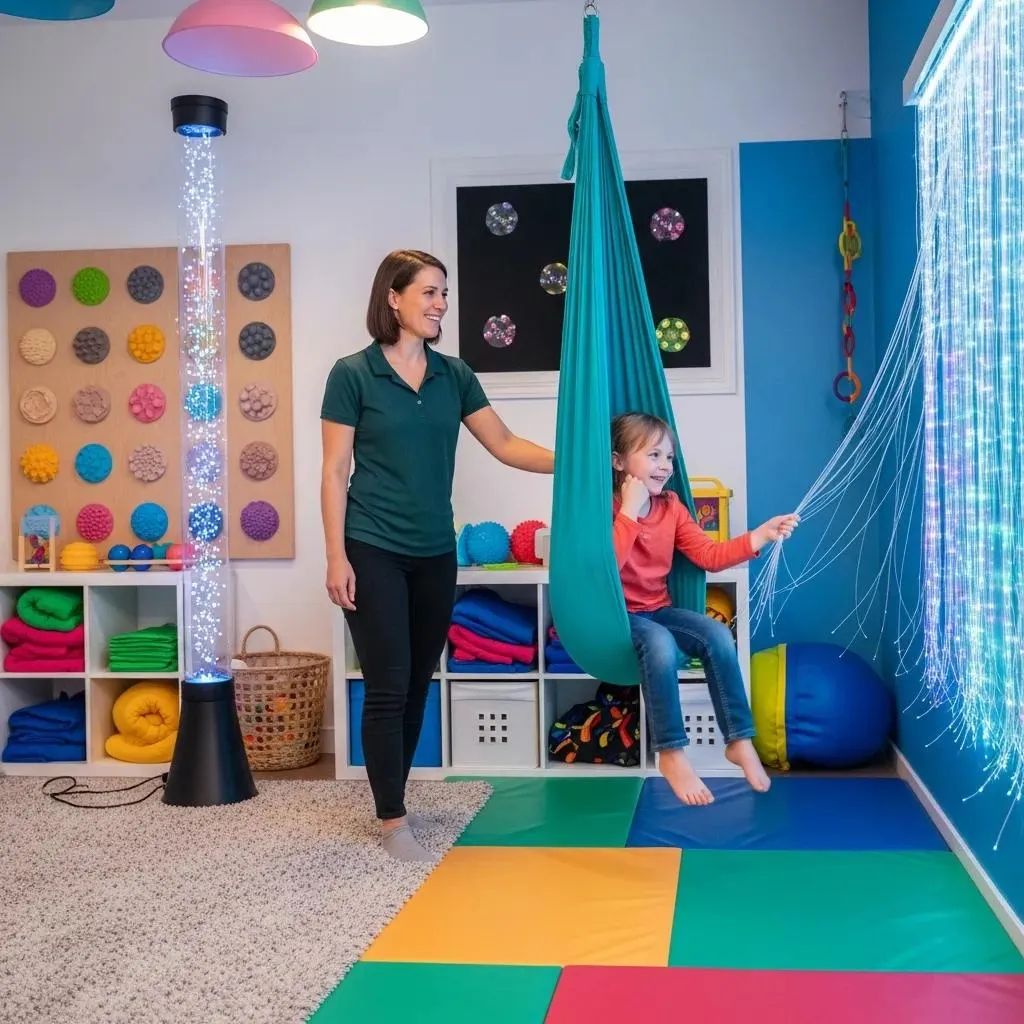

At-home use of occupational therapy techniques can be a game-changer for children experiencing sensory overload. By applying sensory strategies that work, parents can support their child’s regulation and emotional wellbeing without turning daily routines into formal “therapy time.” For example, incorporating deep pressure through weighted blankets or gentle squeezes can help reduce anxiety and provide a calming sense of security.
Movement and play are powerful ways to incorporate OT techniques at home, making them enjoyable and child-led. Simple activities, such as swinging, crawling through tunnels, or creating mini obstacle courses, give children the freedom to explore and naturally develop their motor skills. Research shows that playful, guided experiences can improve self-regulation skills by up to 40%, making these approaches highly effective for long-term growth.
Child-led techniques are particularly successful because children often perceive them as enjoyable rather than therapeutic, which encourages participation and builds confidence. Using tactile sensory bins or designing creative obstacle courses together also strengthens family connections while fostering independence. Consistently applying sensory strategies that work at home helps children feel calmer, more focused, and ready to engage with everyday life.
Key Takeaways
- Incorporate deep pressure activities, like using weighted blankets or tight hugs, to enhance sensory regulation and reduce anxiety in children.
- Engage children in oral motor exercises, such as chewing and blowing bubbles, to enhance sensory processing and communication skills.
- Utilize swinging techniques, like linear or hammock swings, to provide calming vestibular input and promote emotional regulation.
- Create obstacle courses at home with varied movements to develop gross motor skills and encourage sensory integration through play.
- Establish calm-down routines, such as deep breathing and visualization, to help children manage emotional distress and improve self-regulation.
Deep Pressure Activities for Sensory Regulation
Numerous studies indicate that deep pressure activities can significantly improve sensory regulation in children, particularly those with autism and sensory processing disorders. These activities, including the use of weighted blankets and various forms of pressure compression, provide fundamental proprioceptive feedback that enhances body awareness and reduces stress. By activating the parasympathetic nervous system, deep pressure helps minimize anxiety and physiological markers, such as cortisol levels.
Research supports that interventions involving weighted blankets can decrease anxiety by up to 63% and improve affective regulation. Tailoring these activities to personal needs is critical, as children may respond differently to pressure, ensuring that therapeutic benefits are both practical and comfortable. Consequently, deep pressure serves as a significant tool for promoting calming effects in individuals with sensory sensitivities.
In fact, myofascial trigger points have been shown to induce both pain relief and enhanced sensory experiences, adding another layer to the effectiveness of deep pressure strategies. Additionally, incorporating a sensory diet can provide ongoing support to help children navigate their daily environments more comfortably.
Engaging Movement Activities for Vestibular Integration
Swinging techniques and obstacle courses can be practical tools for facilitating vestibular integration in children. These activities not only provide crucial sensory input that improves balance and coordination but also create engaging opportunities for exploration and physical development. Implementing these movement strategies can help address different vestibular processing challenges, fostering a more comprehensive sensory experience.
Engaging in these activities supports the vestibular system by stabilizing the head and body during motion, ensuring safe and confident movement. Furthermore, regular participation in these activities can contribute to the development of fine and gross motor skills, enhancing overall physical abilities.
Swinging Techniques Explained
Engaging movement activities, particularly those involving swinging techniques, play a crucial role in facilitating vestibular integration for children. Understanding the varied effects of different swinging methods improves their therapeutic impact. The vestibular system operates through receptors in the inner ear, aiding in spatial orientation and movement responses, which are essential for children with sensory processing difficulties.
| Swinging Technique | Type of Input | Benefits |
|---|---|---|
| Linear Swinging | Calming vestibular | Decreases sensory overload and regulates emotions |
| Rotary Swinging | Alerting vestibular | Increases body awareness and muscle tone |
| Hammock Swings | Gentle movement | Offers soothing deep pressure input |
| Trapeze Swings | Varied movement | Promotes motor planning and engages in play |
| Rope Swings | Sensory stimulation | Supports coordination and balance |
These adaptive swinging techniques optimize vestibular input, delivering both calming and alerting benefits tailored to a child’s specific sensory needs.
Obstacle Course Benefits
Obstacle courses serve as practical tools for improving vestibular integration through a variety of dynamic movements. By incorporating activities such as balance beams, tunnels, and climbing structures, these courses engage children’s vestibular systems, promoting vital motor skills and sensory integration. The diverse range of movements—spinning, swinging, and jumping—strengthens core stability and balance while facilitating bilateral coordination.
This variety challenges children’s motor planning and executive functions, supporting the development of attention and problem-solving abilities. Engaging in these play-based interventions fosters practical independence in everyday tasks and social interactions. Self-paced navigation through obstacles promotes resilience and frustration tolerance, while multisensory input enhances body awareness and affect regulation.
Ultimately, obstacle courses create an interactive environment that not only improves physical skills but also equips children to manage sensory overload better, thereby targeting the vestibular system through movement challenges.
Exploring Sensory Bins for Tactile Stimulation

Sensory bins serve as a crucial tool for facilitating tactile stimulation in children, providing enriched environments where diverse textures can be explored safely. Engaging in sensory bin activities provides several therapeutic benefits:
- Texture Exploration: Children become familiar with a variety of textures, leading to improved comfort in the tactile aspects of daily life. Additionally, these bins can support sensory seekers by engaging them with more stimulating materials. Incorporating deep-pressure activities within sensory bins can further enhance self-regulation.
- Fine Motor Skill Development: Manipulating objects within the bins improves hand-eye coordination and strengthens fine motor control.
- Cognitive Skills: Themed sensory bins support problem-solving, sorting, and early math concepts through interactive play.
Customization of sensory bin themes can help maintain engagement and address personal needs, fostering effective sensory integration and psychological security for children amidst sensory overload challenges.
Oral Motor Activities to Enhance Sensory Processing
Oral motor activities, such as chewing, blowing bubbles, and engaging in oral exploration, play a critical role in enhancing sensory processing for children. These activities support sensory regulation by fostering coordination of oral muscles while also promoting acceptance of diverse textures and temperatures. Implementing these strategies can significantly enhance a child’s feeding behaviors and overall communication skills.
Additionally, research indicates that oral motor exercises result in significant improvements in speech and articulation skills. Engaging in sensory integration therapy can further enhance a child’s ability to process sensory information effectively.
Chewing for Sensory Regulation
Chewing serves as a crucial tool for enhancing sensory regulation in children, particularly those experiencing sensory processing difficulties. The chewing benefits extend to creating sensory filters that help manage overwhelming stimuli and affective challenges.
Consider these key aspects of chewing for sensory regulation:
- Calming Effect: Rhythmic chewing actions can help soothe emotional distress and aid in self-regulation. Children commonly use oral sensory habits as a coping mechanism for stress and anxiety. Additionally, engaging in chewing activities can provide tactile exploration that further supports emotional expression.
- Strengthening Jaw Muscles: Engaging in chewing activities supports speech development, specifically in children with low muscle tone.
- Increased Focus: Chewing generates proprioceptive input, promoting better concentration in demanding environments.
Blowing Bubbles Fun
As children engage in blowing bubbles, they not only find joy in the activity but also significantly improve their oral-motor skills and sensory processing abilities. This fun and interactive form of sensory play enhances the coordination of the jaw, tongue, and lips, thereby supporting speech and feeding efforts. Additionally, the controlled exhalation required for bubble blowing strengthens the respiratory muscles vital for clear speech.
Furthermore, incorporating bubble play promotes visual tracking, thereby enhancing children’s ability to focus and engage within their environment. Engaging in sensory play activities like this can lead to improved sensory integration, a crucial aspect of adaptive functioning.
| Benefit | Description | Feelings |
|---|---|---|
| Oral-Motor Skills | Strengthens jaw and facial muscles | Builds confidence in speech |
| Breath Control | Improves capacity for longer phrases | Fosters calmness and focus |
| Sensory Integration | Offers tactile input, aiding presence | Encourages exploration |
| Visual Tracking | Develops coordination and attention | Sparks joy and excitement |
Bubble blowing promotes not only physical skills but also psychological wellbeing in children.
Oral Exploration Activities
Engaging children in oral exploration activities can significantly enhance their sensory processing and motor skill development. These activities focus on strengthening oral motor coordination and desensitization, which is crucial for both feeding and speech. Parents and caregivers can implement the following strategies:
- Texture Play: Introduce different non-food items with varied textures to increase tolerance to a range of foods.
- Taste Testing: Provide small samples of assorted temperatures and flavors to encourage acceptance and reduce sensory overload.
- Oral Motor Exercises: Activities such as blowing bubbles or using chewy tubes can help strengthen the oral muscles, thereby enhancing sensory integration and motor control.
Through structured oral exploration, children can develop fundamental skills, improving their comprehensive mealtime experiences and communication abilities. Additionally, incorporating sensory activities can further support neurodevelopment and enhance overall sensory integration.
Calm-Down Routines for Emotional Self-Regulation
While navigating sentimental challenges, children can significantly benefit from implementing calm-down routines that enhance their self-regulation. These routines may incorporate diverse techniques such as deep breathing exercises, which effectively reduce physiological arousal and foster a sense of calm. Emotion labeling is crucial, as it enhances children’s self-awareness, enabling them to recognize and express their feelings.
Furthermore, yoga poses and progressive muscle relaxation techniques support emotional regulation by improving body awareness and encouraging tension release. Visualization exercises can further lower stress by evoking peaceful imagery, while self-talk strategies enable children to reframe negative thoughts. Implementing these calming techniques consistently helps children develop the vital skills needed to manage emotions effectively and independently.
Creative Obstacle Courses for Gross Motor Development

Creative obstacle courses serve as an effective tool for promoting gross motor development in children by engaging them in a variety of physical challenges. These courses support fundamental skills through obstacle creativity and course personalization, specifically by incorporating:
- Dynamic Balance: Activities such as walking on uneven surfaces foster postural control.
- Strengthening Exercises: Pushing or pulling weighted items improves muscular endurance and grip strength.
- Sensory Integration: Varied tactile experiences and vestibular input enhance sensory processing.
Playful Rhythmic Activities for Motor Coordination
Incorporating playful rhythmic activities into early childhood programs improves motor coordination skills in preschoolers, especially those aged 4 to 5 years. Rhythmic games and movement songs significantly enhance agility-related coordination, such as zigzag running and side-stepping. These activities are particularly beneficial for children with lower initial motor skills, as they help them develop vital gross motor coordination.
Engaging in rhythmic play facilitates body control and balance, which are fundamental for developing gross motor skills. The structure of these activities includes warm-ups, rhythm instruments, and complex movements that encourage visual-motor integration. Additionally, calming music during these sessions helps regulate affect while promoting overall motor improvements.
Consequently, rhythmic play emerges as a practical and effective strategy to support early motor skill development in young children.
Frequently Asked Questions
How Can I Determine My Child’s Sensory Processing Needs?
To determine a child’s sensory processing needs, professionals recommend conducting sensory assessments in conjunction with parental observations, as they capture behaviors across various contexts. This combination provides valuable insights into the child’s sensory responses and potential challenges.
What are some sensory strategies that work for calming an overstimulated child at home?
Parents can introduce sensory bins, weighted blankets, or calming music to help regulate their child’s nervous system. Pairing these approaches with predictable routines encourages consistency and fosters a sense of security during overwhelming moments.
What Signs Indicate My Child May Need Sensory Support?
Signs that indicate a child may need sensory support include heightened sensory indicators, such as intense reactions to stimuli, frequent signs of overload, avoidance behaviors, and difficulties with affective regulation, which signal potential underlying sensory processing challenges that require attention and intervention.
Are There Age-Specific Sensory Activities for Toddlers Versus Older Kids?
A toddler may enjoy edible finger painting, fostering sensory exploration. In contrast, older children might engage in multisensory cooking activities that challenge their cognitive skills. Age-specific activities effectively cultivate developmental growth and tailored sensory experiences for each group.
How Can I Safely Adapt Activities for Children With Physical Disabilities?
To safely adapt activities for children with physical disabilities, utilize adaptive equipment, and promote inclusive play. Assess personal needs, modify tasks, and guarantee supportive environments to facilitate participation while prioritizing comfort and safety.
When Should I Seek Professional Help for My Child’s Sensory Challenges?
When sensory reactions significantly disrupt daily life, pursuing a professional evaluation becomes imperative. A thorough assessment can pinpoint underlying issues, ensuring appropriate intervention to promote a child’s wellbeing and improve their capacity to thrive.
Conclusion
Using DIRFloortime techniques at home can be a powerful way to support your child’s natural and playful sensory and emotional growth. When parents incorporate sensory strategies that work—such as movement games, tactile exploration, or deep pressure activities—they help children manage overwhelm while strengthening their connections. Studies show that children who regularly participate in guided, child-led interactions develop improved self-regulation and social engagement skills.
At Skill Point Therapy, our therapists enjoy sharing practical tips and answering questions about how you can adapt these strategies to meet your child’s specific needs. Simple, consistent applications of these approaches at home can make everyday routines smoother, reduce stress, and foster confidence. If you’d like personalized guidance or have questions about your child’s sensory development, please don’t hesitate to reach out to us—we’re here to help you create a supportive and joyful environment for your family.
References
- https://sensoryhealth.org/sites/default/files/publications/HowDoesSPDAffectPlay.pdf
- https://pmc.ncbi.nlm.nih.gov/articles/PMC10955541/
- https://journals.healio.com/doi/10.3928/24761222-20200501-03
- https://functionalfocus.ca/play-learn-thrive-fun-occupational-therapy-activities-for-kids/
- https://pmc.ncbi.nlm.nih.gov/articles/PMC6452625/
- https://www.frontiersin.org/journals/neuroscience/articles/10.3389/fnins.2023.1197302/full
- https://harkla.co/blogs/special-needs/deep-pressure-therapy
- https://pmc.ncbi.nlm.nih.gov/articles/PMC5612681/
- https://eagleswill.com/exploring-the-science-behind-deep-pressure-for-adults-with-autism/
- https://pmc.ncbi.nlm.nih.gov/articles/PMC9030047/