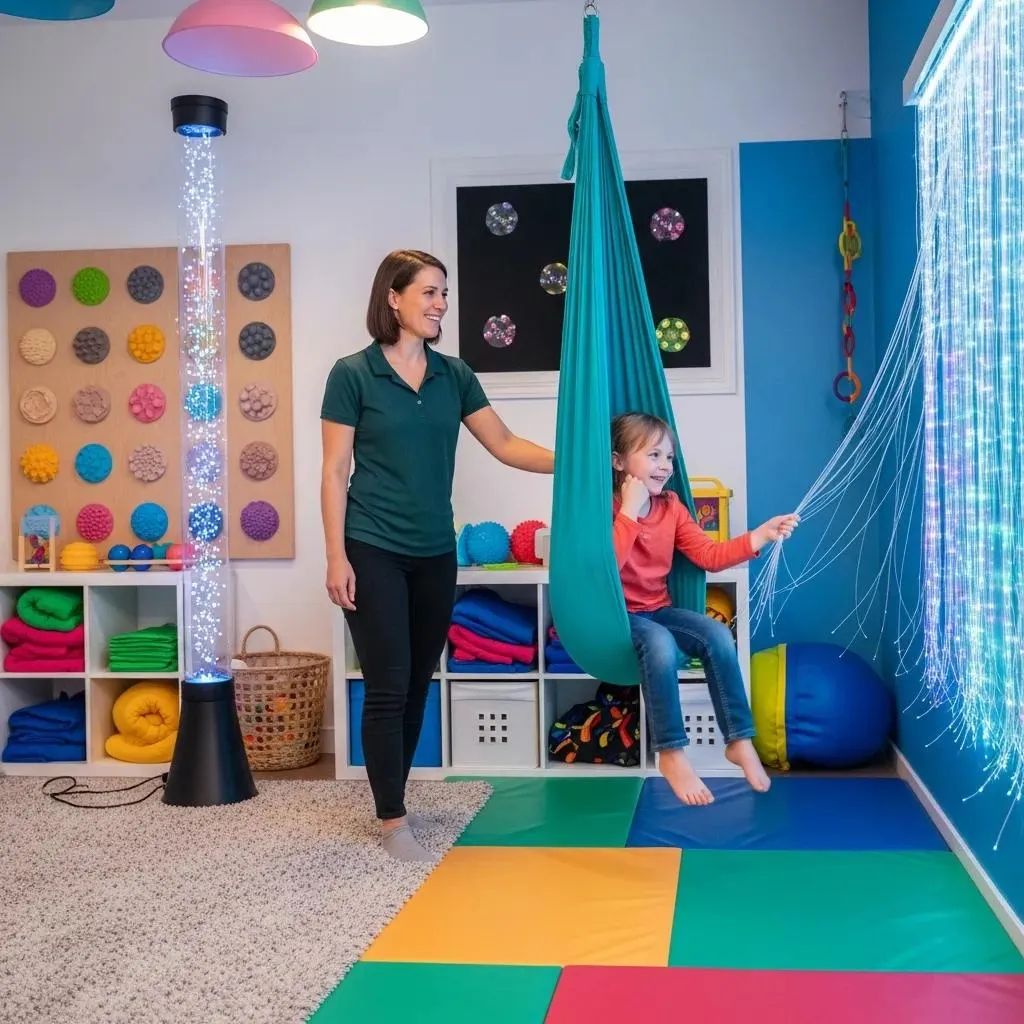

DIR/Floortime for autism is a transformative therapeutic approach that has made a significant impact at our pediatric therapy center. As an occupational therapist working alongside speech and physical therapists, I’ve witnessed firsthand how this method fosters growth in children with Autism Spectrum Disorder (ASD). Rooted in the Developmental, Individual Differences, Relationship-Based (DIR) framework, DIR/Floortime prioritizes meaningful engagement and communication. By meeting children at their level, we build trust and create opportunities for emotional and intellectual development, forming the foundation for lifelong learning.
One of the key attributes of DIR/Floortime for autism is its emphasis on relationships. Through play and child-led activities, therapists and caregivers connect with children in ways that resonate deeply. This approach helps children feel understood, which can encourage them to explore new skills and interactions. At our center, we’ve seen children who were once hesitant to engage begin to initiate conversations, share their interests, and form stronger bonds with their families and peers. These successes highlight how DIR/Floortime encourages growth in areas beyond traditional therapy goals.
DIR/Floortime for autism also respects each child’s unique differences. It adapts to their sensory preferences, communication styles, and developmental levels. This flexibility ensures that every session is personalized and meaningful. By focusing on the whole child and fostering relationships, we’ve found incredible results in helping children navigate challenges and celebrate their progress. DIRFloortime truly transforms the way we support children with ASD and their families.
Key Takeaways
- DIR/Floortime is a relationship-based developmental method tailored for children with Autism Spectrum Disorder.
- The approach uses child-led play to promote emotional development and social skills, respecting each child’s developmental pathway.
- Core Floortime principles include engaging in activities the child enjoys, pushing them slightly beyond their comfort zone, and providing emotional experiences for development.
- Implementing the Floortime approach requires empathy, challenging the child at their developmental level, and creating a sensory-friendly environment for therapeutic play.
- Compared to other methods like ABA, DIR/Floortime focuses more on emotional and social development rather than behavior modification.
Understanding DIR/Floortime Approach
In the realm of autism intervention strategies, the DIR/Floortime approach stands out as a unique, relationship-based developmental method. This approach, focusing on Developmental, Tailored variations, and Relationship-based principles, is specifically tailored towards children with Autism Spectrum Disorder (ASD), recognizing their distinct differences and developmental stages. The DIR model aids in maneuvering developmental delays by tailoring activities to children’s needs, fostering holistic child development.
DIR/Floortime emphasizes the pivotal role of relationships in promoting a child’s emotional development. The relationships formed between therapists, parents, and the child offer a nurturing environment that helps the child grow and learn. It is through these trusted relationships that children feel secure exploring their world and developing their capabilities.
The approach utilizes child-led play and interaction to support healthy development. This element of play is essential, as it allows children to express themselves and communicate their needs and desires. Through this process, children build their emotional and social skills, which are fundamental for their overall development.
Understanding the DIR/Floortime approach is crucial for those who work with or have children with ASD. This method provides a framework that respects each child’s developmental pathway, fostering their growth in a nurturing, relationship-based environment.
Key Principles of DIR/Floortime
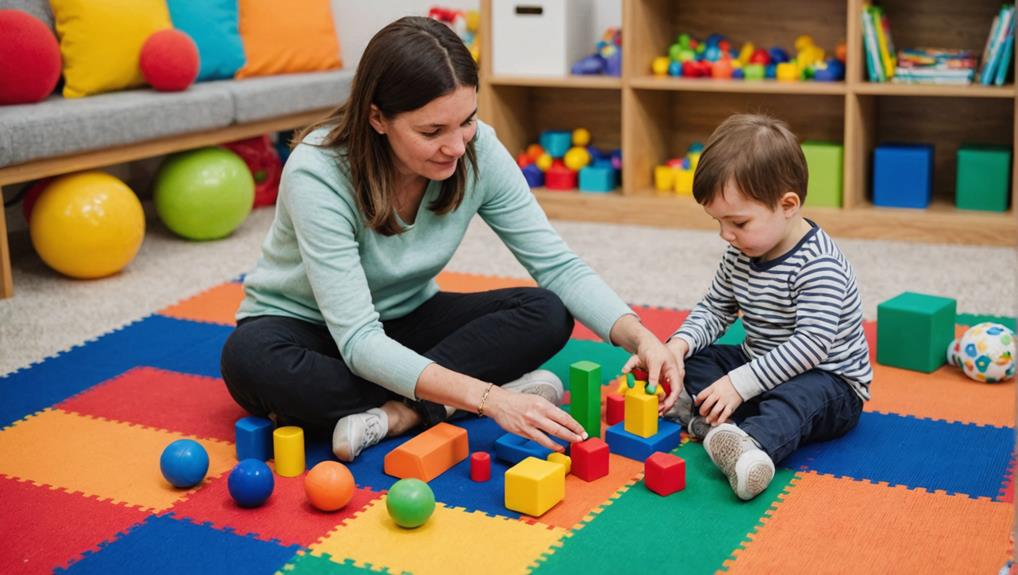
The key principles of DIR/Floortime are crucial in creating an environment conducive to the growth of children with autism. This approach, which highlights the impoAutism of emotional interactions and personalized, child-led play, offers a versatile framework adaptable to each child’s distinct needs and stages of development. Skilled therapists trained in children’s language and techniques can effectively implement this approach. Incorporating techniques such as puppet play, role-playing, and therapeutic art activities can improve the child’s social interaction skills and emotional well-being. In the following discussion, we will delve into the fundamental principles of Floortime and how they can be effectively applied to nurture growth and progress in children.
Core Floortime Principles
Understanding the fundamental principles of DIR/Floortime is essential for implementing this approach effectively. It is a method that respects the child’s uniqueness and uses their interests as a tool for their growth, akin to the child-led activities emphasized in play-based therapy. The core principles of Floortime are designed to nurture a sense of belonging and foster emotional connections, making the child feel valued and understood. This approach aligns with the idea of using play as a communication tool for emotional progress, a central tenet of naturalistic play therapy.
The key principles are as follows:
- Following the child’s lead: Engage the child in activities they enjoy to uplift their motivation and participation.
- Challenging at the developmental level: Push the child slightly beyond their comfort zone to promote growth and learning.
- Scaffolding: Provide the necessary support to help the child succeed at their own pace.
- Emotional interactions: Use emotional experiences to promote development, as emotions are the gateway to learning.
- Expanding circles of communication: Gradually increasing the complexity and length of interactions can enrich social interaction and language skills.
These principles collectively aim to create an environment where the child feels comfortable and is encouraged to investigate and develop. These principles pave the way for the child’s successful development.
Implementing Floortime Approach
The practical implementation of the Floortime approach involves adopting an empathetic stance, following the child’s lead, and challenging them at their developmental level. This approach, interwoven with sensory integration techniques, enables the child with autism to build intimacy in relationships and for functional two-way communication, both of which are vital for emotional development.
Heartfelt interactions as a developmental tool underpin this approach. This requires recognizing and understanding the child’s emotions and using them as a platform for engagement. Intertwined within these interactions is the principle of expanding communication circles. By broadening these circles, we encourage more complex communication and social engagement.
Another key principle, scaffolding, is essential in the Floortime approach. It provides the necessary support to help the child reach the next developmental stage. This involves structuring the environment and interactions to promote development while maintaining the child’s interest and motivation. In addition, creating a sensory-friendly climate can be highly beneficial in minimizing anxiety and enhancing engagement during therapeutic play.
Training in DIR/Floortime is advantageous for both professionals and parents. It equips them with the necessary strategies to support autism and other developmental challenges effectively.
The Role of Floortime with Autism
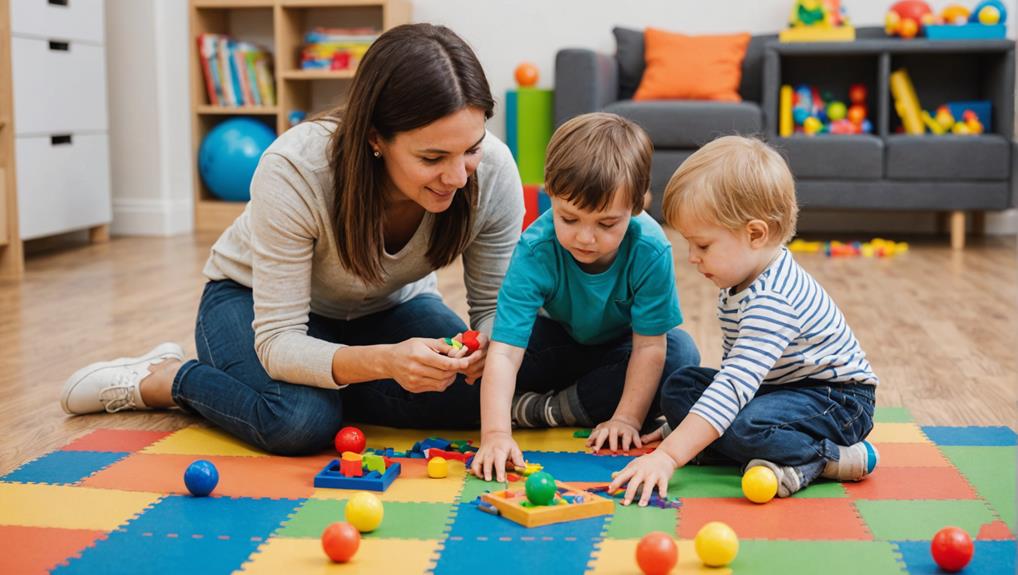
The role of Floortime in autism therapy is both diverse and profound, especially regarding the developmental impact and the practical application of its techniques. Incorporating structured activities such as outdoor play can help in engaging the child more effectively. As a relationship-based approach, Floortime fosters social-emotional growth by engaging children in playful interactions that expand their communication circles. Outdoor activities not only stimulate sensory play but also enhance creativity, making them a perfect addition to Floortime strategies. In the following discussion, we will delve into how this process takes effect and how caregivers and therapists can effectively implement Floortime strategies to amplify their impact.
Floortime’s Developmental Impact
One cannot underestimate the profound developmental impact of the Floortime approach on children with AuAutism. It is centered around relational connections and friendships, and Floortime fosters social-relational development and equips children with critical life skills. An evidence-based approach, it has gained recognition from professionals and caregivers alike, particularly for its effectiveness with those on the autism spectrum.
Floortime’s developmental impact can be understood through the following facets:
- Relational Connections: By focusing on relational exchanges, Floortime strengthens the bond between the child and their caregivers, promoting a sense of security and belonging.
- Relationships: Floortime encourages interactions, nurturing relationships and thereby fostering relational growth.
- Communication Circles: This approach expands communication circles, enabling the child to engage in two-way communication and enriching their social-relational development.
- Social-Relational Development: Floortime enriches relational intelligence, fostering empathy and understanding in children.
- Problem-Solving: By challenging children at the appropriate level, Floortime promotes problem-solving skills, giving them the confidence to navigate through life’s challenges.
In essence, Floortime is not just a therapeutic approach but a conduit for holistic development, providing children with AuAutismhe tools to grow and thrive.
Implementing DIR/Floortime Techniques
How can we effectively implement Floortime techniques? The key lies in understanding and respecting distinct differences. Each child is unique; thus, the approach must be customized to meet their specific requirements and capabilities.
Floortime techniques highlight the significance of emotional connections. By following the child’s lead in play, we can involve them in activities that they find enjoyable and meaningful. This involvement fosters development by challenging the child at their level.
| Techniques | Outcomes |
|---|---|
| Following the child’s lead | Encourages engagement |
| Challenging at a personalized level | Promotes development |
| Emotional interactions | Improves communication |
| Back-and-forth interactions | Expands circles of communication |
The approach is especially beneficial for children with AuAutismas as it helps build their social and communication skills. By integrating the child’s distinct differences and interests into the process, we can ensure that the methods used are engaging and effective, making the experience enjoyable for both the caregiver and the child. Implementing Floortime techniques fosters a sense of belonging, helping the child feel understood and accepted, which is essential for their emotional development.
Six Milestones of Floortime

Six key milestones are often at the heart of Floortime sessions: self-regulation, closeness in relationships, two-way communication, complex communication, and significant ideas and thinking. These milestones act as pivotal markers in a child’s cognitive development, each building upon the last.
The Floortime approach nurtures these milestones, focusing on:
- Self-regulation: helping the child manage their feelings and behaviors.
- Closeness in relationships: developing the child’s ability to form close, intimate connections.
- Two-way communication: enhancing the child’s ability to both express themselves and understand others.
- Complex communication: building on two-way communication, this milestone focuses on the child’s ability to engage in more sophisticated dialogue.
- Significant ideas and thinking: fostering an understanding of their own emotions and those of others.
DIR/Floortime Application Process
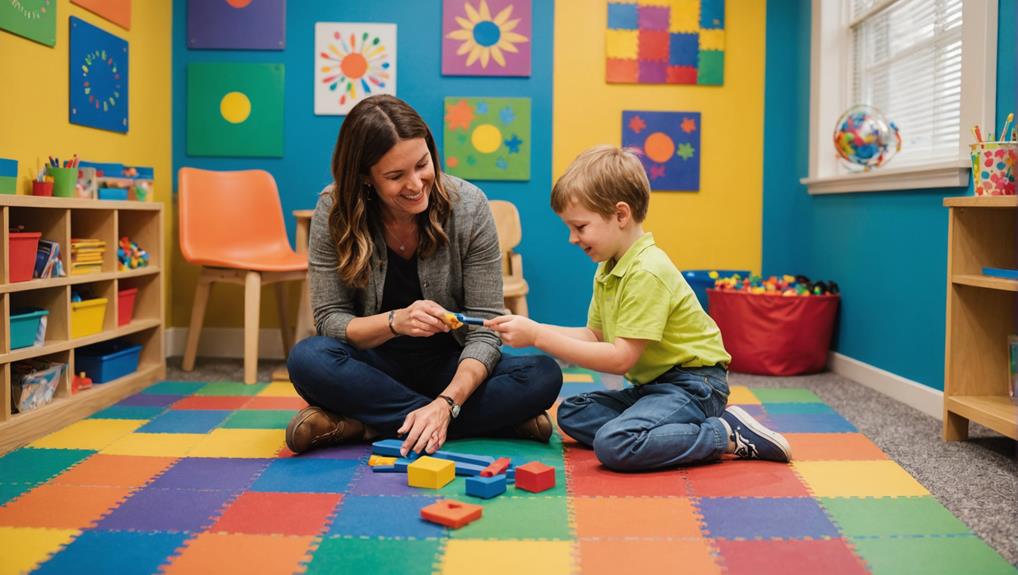
Building upon our understanding of the six key milestones in Floortime, we now turn our attention to the intricacies of the DIR/Floortime application process. It begins with an initial consultation to understand the child’s distinct needs and set achievable goals. Here, the child’s developmental stage is assessed, and the role of caregivers is emphasized.
The caregiver’s role is vital as they are the child’s primary source of interaction. After the consultation, professionals trained in DIR/Floortime provide guidance on how to incorporate the method into daily routines. The strategies are tailored to the child’s developmental stage and abilities, ensuring a personalized approach.
| Steps | Description |
|---|---|
| Consultation | Understand the child’s needs and set goals |
| Role of Caregivers | Highlighted, they implement strategies |
| DIR/Floortime Training | Professionals guide caregivers |
| Tailored Approach | Strategies customized to the child’s abilities |
| Progress Measurement | Improvements in communication, social, and emotional skills |
Ongoing support is provided throughout the intervention process, and improvements in communication, social interaction, and emotional regulation measure progress. The DIR/Floortime application process is a voyage that nurtures a sense of belonging and understanding and encourages growth at every developmental stage.
Autism and the DIR/Floortime Method
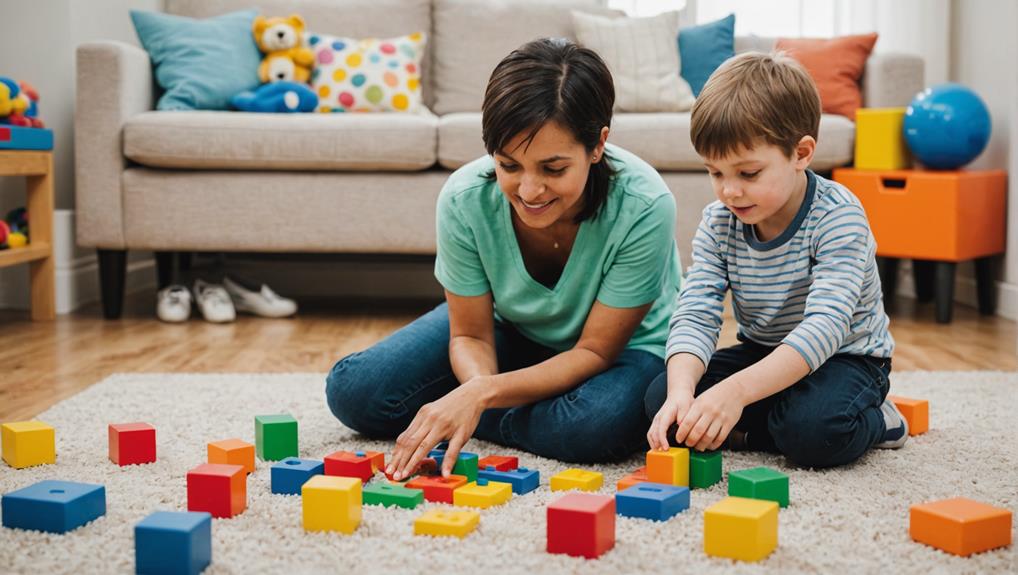
Embracing the challenges, the DIR/Floortime method emerges as a beautifier relationship-based intervention strategy. This method, utilized by professionals such as child psychologists and special education teachers, offers a personalized approach to meeting children in their distinct worlds.
The DIR/Floortime method focuses on:
- Relationship-based therapy: It fosters a sense of belonging, strengthening bonds between the child and their caregivers.
- Social-emotional development: It encourages children to identify and express emotions, enhancing their ability to relate with others.
- Communication skills: Facilitating meaningful exchange, promoting child-led conversations, and enhancing communication skills.
- Problem-solving abilities: Encouraging exploration nurtures the child’s ability to tackle challenges and find solutions.
- Individual differences: It recognizes each child’s distinct strengths and challenges and adapts to their needs.
Autism, often seen as a hurdle, becomes an opportunity for growth and development with the DIR/Floortime method. This approach not only helps children with autism navigate their world but also fosters autistic belonging, ensuring they feel valued and understood.
Benefits of DIR/Floortime for Autism

The world of autism assistance has seen significant progress through the implementation of the DIR/Floortime approach. This method has proven to be crucial in promoting social-cognitive development in children with autism. It’s a guiding light for families seeking to improve their children’s ability to form meaningful connections and enhance their communication skills.
The core of DIR/Floortime lies in its deep respect for individual variations and each child’s distinct developmental path. It’s a comprehensive approach that takes into account the child’s emotions, connections, and uniqueness, nurturing an atmosphere of inclusivity and belonging.
Research confirms the effectiveness of DIR/Floortime. Studies demonstrate enhancements in social engagement and emotional management in children with autism, enriching their quality of life. It is proof of the potential inherent in every child and the impact of a method that addresses their specific requirements.
The widespread recognition of DIR/Floortime as a successful intervention indicates a pivotal moment in autism support. It’s a testament to the evolving comprehension of AuAutisma’s stride forward in unraveling every child’s potential. The advantages of DIR/Floortime for autism are truly extensive and significant.
Autism Therapy: Comparing DIR/Floortime and ABA
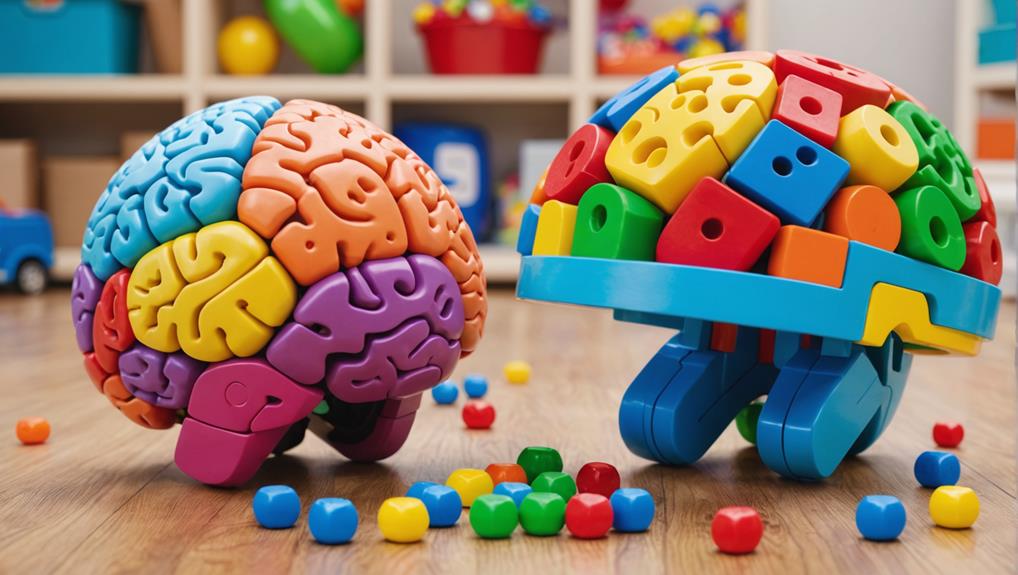
While both DIR/Floortime and Applied Behavior Analysis (ABA) are recognized as effective interventions for children with autism, they offer different approaches. A focus examination of their core differences will provide a thorough understanding of these methods. This analysis will serve as a guide for parents, caregivers, and professionals in making informed decisions about the most suitable approach for the child’s individual needs and circumstances.
Core Differences
Often, it is beneficial to compare and contrast DIR/Floortime and ABA to understand their core differences, particularly in their approaches to autism treatment. DIR/Floortime is a relationship-based model that champions child-led play and interaction. The method thrives on building emotional connections to promote growth and relies on creating healthy foundations for social, emotional, and intellectual capacities. In contrast, ABA is a structured, behavior-focused intervention that uses repetitive techniques to modify behaviors.
The key differences between the two approaches are:
- DIR/Floortime emphasizes a relationship-based model, while ABA uses repetitive behavior modification techniques.
- DIR/Floortime fosters growth through child-led play; ABA uses a structured intervention approach.
- For DIR/Floortime, emotional connections are fundamental; ABA prioritizes behavior change.
- DIR/Floortime works on building healthy foundations for overall development; ABA focuses on specific behavior change.
- DIR/Floortime accounts for personalized needs and preferences, while ABA applies a more standardized approach.
In essence, both approaches offer distinct ways to support children wiAutismism. TAutismision to use one over the other considers core differences and tail-tailors approaches the particular needs of the child.
Choosing the Approach
Exploring the landscape of autism therapies can be challenging for families, given the array of intervention methods available. DIR/Floortime and ABA are prominent options. Both have been proven to improve developmental skills in children with autism effectively. However, the choice between the two is guided by the child’s specific needs, preferences, and goals, as each method may cater to different aspects of development.
Understanding the core principles and differences between DIR/Floortime and ABA can help families make informed decisions. DIR/Floortime is more relationship-based and focuses on emotional and social development, while ABA is more structured and targets behavior modification. This knowledge can empower families to select the intervention that aligns best with their child’s needs.
Moreover, integrating both methods can be beneficial, providing a holistic approach that addresses diverse developmental areas. A multidisciplinary, team-based approach is often recommended, as it brings together different perspectives and specialties, ensuring a comprehensive support system for the child. Ultimately, the path chosen should foster the child’s growth while also resonating with the family’s values and lifestyle.
Everyday Application of Floortime
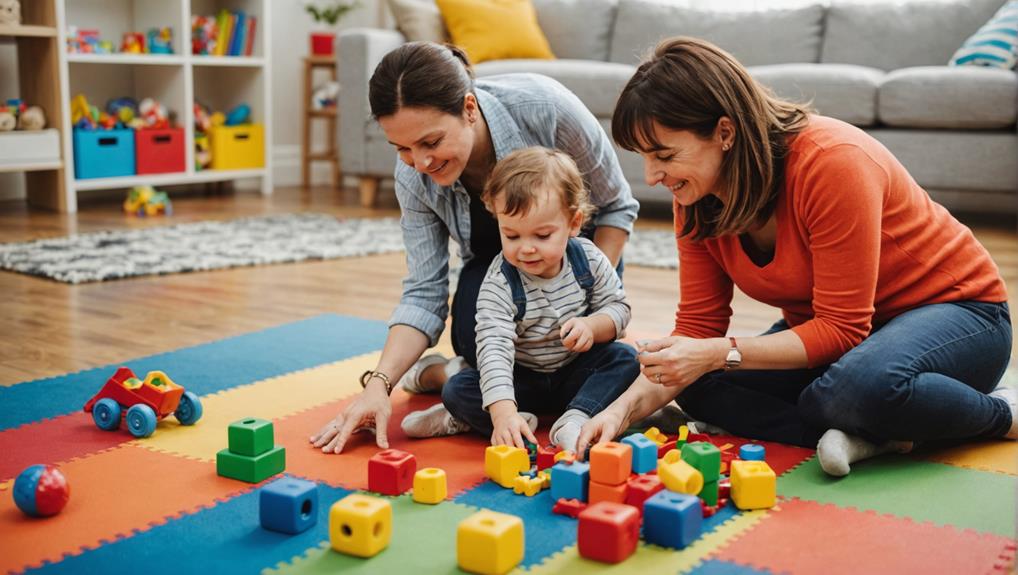
Floortime plays a significant role in the lives of children with autism. As a flexible approaAutism can be seamlessly integrated into a child’s daily routines, helping them develop essential social-emotional and communication skills. By engaging in interactions that follow the child’s lead, parents and caregivers can foster a deep connection with the child while also encouraging their development.
Here are some ways Floortime can be incorporated into everyday life:
- During meals, engage with the child by following their lead. This could be through conversation or playful interaction.
- Bath time can be an opportunity for engaging interactions, using water toys to stimulate the child’s interest.
- Bedtime stories can be used as a platform for Floortime. Encourage the child to participate by asking questions related to the story.
- Outdoor activities like playing in the park can offer ample opportunities for Floortime. Follow the child’s lead and join them in their play.
- Daily chores can also be a chance for Floortime. Involving the child in simple tasks can build their communication skills.
Professionals Offering Floortime Services
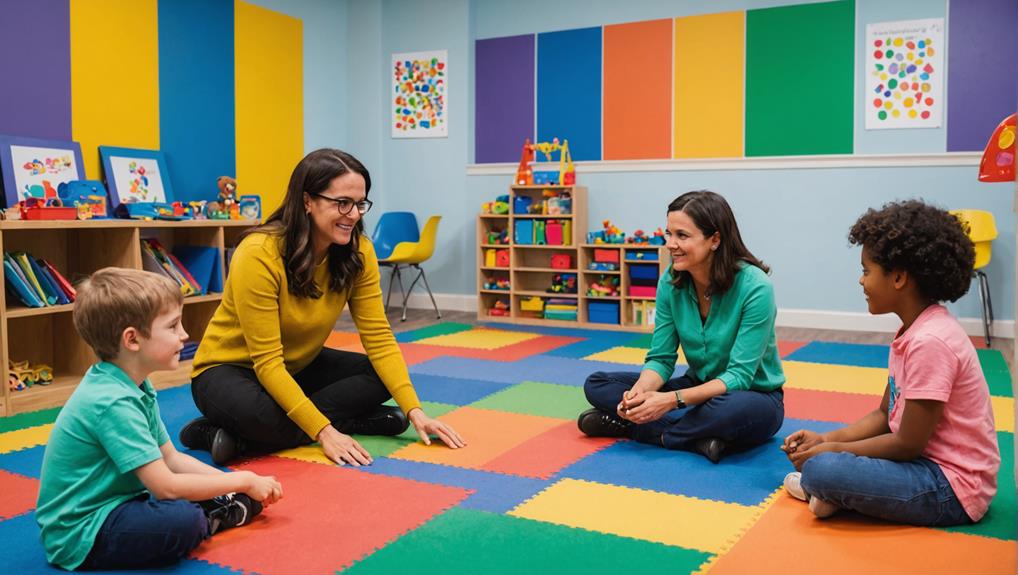
Integrating Floortime into daily routines offers an effective way to stimulate the development of children with autism, a variety of professionals, and specialism deploying techniques in a more structured setting. Child psychologists, special education teachers, speech therapists, and occupational therapists form a multidisciplinary team to provide thorough DIRFloortime services. Their shared goal is to address the developmental challenges that children with autism face, leveraging Floortime techniques to foster growth in social-emotional understanding, communication skills, and sensory regulation.
Parents and caregivers are an essential part of this team, as their consistent use of Floortime strategies can significantly boost their child’s developmental progress. To this end, professionals also provide training and support to parents, helping them navigate their paths with empathy and understanding.
| Professional | Role |
|---|---|
| Child Psychologists | Support emotional and social development |
| Special Education Teachers | Implement Floortime strategies in an educational setting |
| Speech Therapists | Enhance communication and social interactions |
| Occupational Therapists | Promote sensory regulation and motor skills |
| Parents/Caregivers | Apply Floortime techniques in daily routines |
Evidence Supporting Floortime Effectiveness
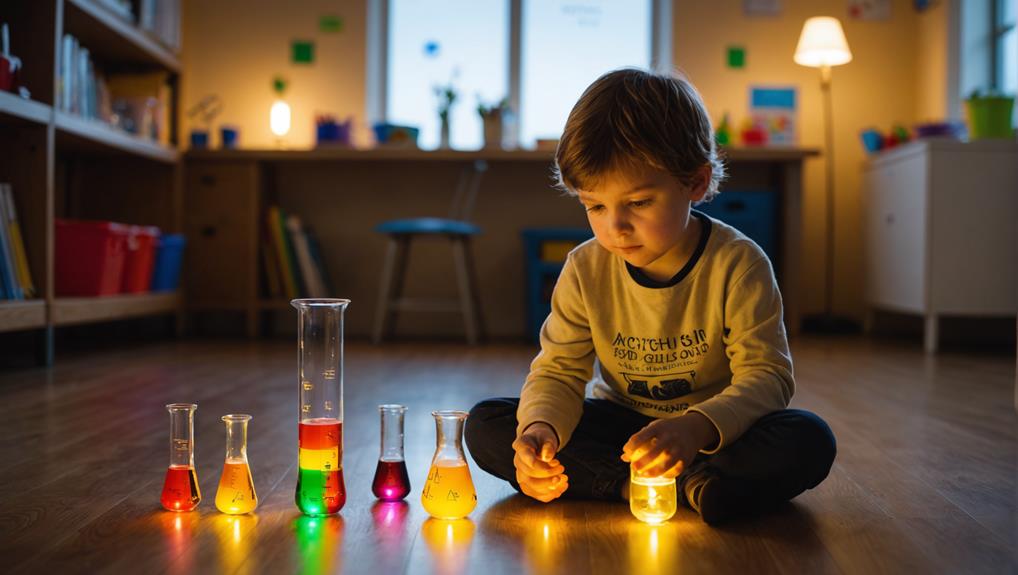
Revealing a wealth of promising findings, this study lends credibility to the efficacy of Floortime for autism with autism. This evidence-based approach significantly improves the development of these children across varying aspects of their lives. The unique characteristics of the Floortime approach allow for a thorough, empathetic, and personalized approach to autism treatment, contributing to its effectiveness.
The following points highlight the evidence supporting the efficacy of Floortime:
- Studies have demonstrated an enhancement in social communication skills in children with autism.
- Research Autism increased involvement and interaction as a result of Floortime intervention.
- Floortime has been shown to nurture connections and relationships in children with autisAutismdence points to improved cognitive and emotional development in children on autism spectrum through Floortime.
- Floortime is recognized for supporting holistic developmental growth in children with autism.
The effectiveness of FloorAutisms lies not only in fostering development but also in building a sense of belonging and connection for children with autism.
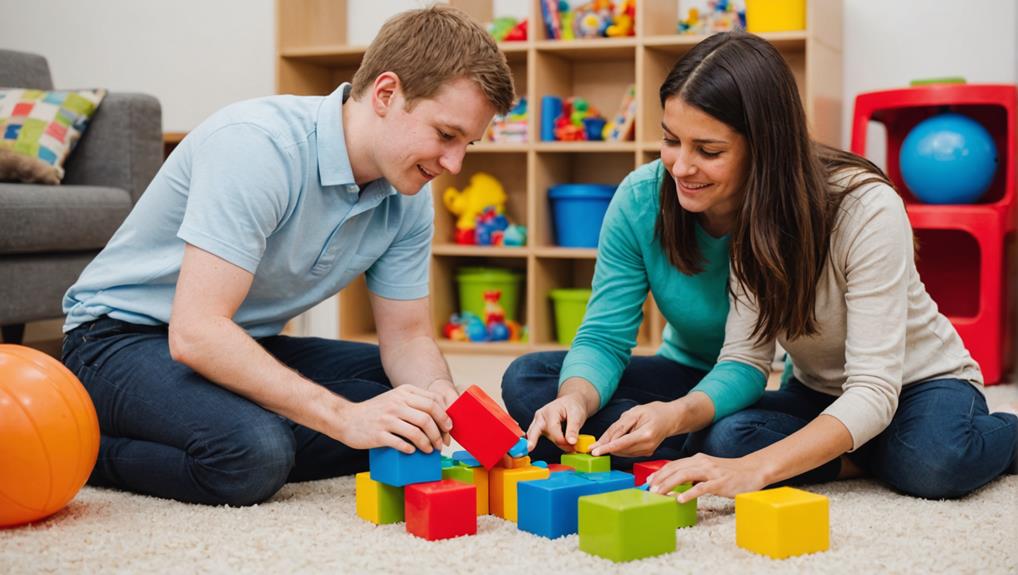
Exploring the spectrum of autism treatments can be challenging, yet knowing how to access the right services can make a significant difference. One such service is Floortime, a therapeutic approach designed to support children with auAutismParents seeking to implement FloortimeAutismsmies can find valuable guidance through personalized virtual sessions.
Sessions offer a unique learning opportunity, providing parents with tailored advice on how Floortime can benefit their child. These interactions can also serve as a starting point for connecting with Floortime coaches or identifying local providers. Additionally, some service providers may offer free session options, which can provide initial direction for parents beginning their path with Floortime.
Moreover, sessions can offer support in accessing the DIR Home Program. This resource can be instrumental for parents looking to incorporate Floortime tactics into their home environment. By accessing these services, parents can gain the confidence and knowledge they need to use Floortime strategies with their children effectively.
In the complex world of autism treatments, accessing Floortime services through sessions can make a meaningful difference, providing parents with the necessary support and guidance they need.
Additional DIR/Floortime Resources

Exploring the world of autism therapy can be an overwhelming experience. A wealth of supportive resources is available to help navigate the expedition, particularly those adopting the DIRFloortime approach. This method emphasizes emotional growth and the improvement of functional and emotional developmental capacities in children with auAutismKnowledgeable resources are available Autismsmn this pursuit:
- Dr. Stanley Greenspan’s literature offers detailed information on the DIRFloortime approach.
- The focus on the six functional and emotional developmental capacities provides a framework for growth.
- The importance of nurturing initiative in children is underscored.
- A thorough DIRFloortime course catalog is available for those wishing to delve deeper into the approach.
- For extra assistance, the International Council on Development and Learning (ICDL) can be contacted.
These resources offer parents and caregivers a sense of belonging. Understanding the DIRFloortime approach and its emphasis on emotional growth and independence can create a supportive environment for children with autism during the development of their event absolutism.
Frequently Asked Questions:
How does DIR/Floortime differ from other autism therapies like ABA?
DIR/Floortime focuses on building emotional connections through child-led play and prioritizing social and emotional growth. ABA, on the other hand, emphasizes structured techniques to modify behavior and reinforce specific actions.
Can parents use DIR/Floortime techniques at home?
Yes, parents play a crucial role in implementing DIR/Floortime by following their child’s lead during play and fostering emotional connections. Professionals can guide parents on tailoring activities to their child’s developmental needs.
What results can I expect from DIR/Floortime?
Parents often see improvements in their child’s communication, social interactions, and emotional regulation. While progress varies, the method helps children build stronger relationships and navigate developmental challenges.
Is DIR/Floortime for Autism Suitable for Every Child?
DIR/Floortime for autism is designed to adapt to each child’s unique developmental level and individual strengths, making it versatile for various needs. However, its effectiveness depends on tailoring the approach to the child’s specific challenges and goals. Consulting with a trained DIR/Floortime therapist ensures a personalized plan to maximize its benefits.
Conclusion
DIR/Floortime for autism is a relationship-based method that has transformed how we support children at our pediatric therapy center. As an occupational therapist working with a dedicated team of speech and physical therapists, I see its positive impact daily. DIR/Floortime nurtures emotional connections, improves social skills, and enhances communication abilities by meeting children at their developmental level. This approach values each child’s unique differences, helping them build confidence and develop skills in a way that feels natural and enjoyable. The focus on relationships creates a supportive environment where children feel understood and motivated to engage.
By using DIR/Floortime for autism, we celebrate each child’s growth and potential. This approach encourages holistic development, honoring the whole child rather than focusing solely on isolated skills. Through playful, meaningful interactions, children and families experience stronger bonds and more significant progress. DIR/Floortime highlights the power of personalized, relationship-centered interventions in helping children with autism thrive. It offers hope and a path to meaningful change for children and their families.