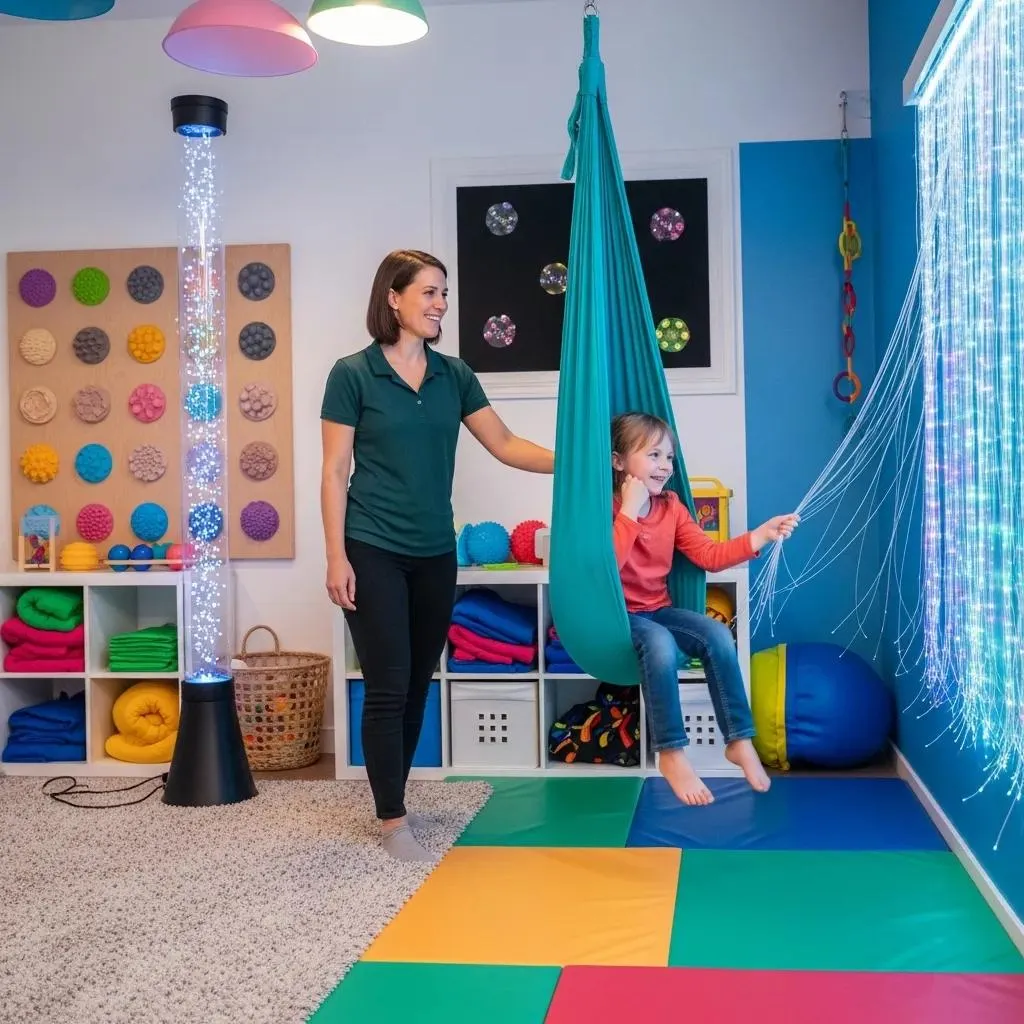
DIRFloortime is a relationship-first therapy for children with autism spectrum disorder (ASD). Instead of focusing only on behavior, it centers on emotional and social growth through child-led play. That emphasis on connection and understanding each child’s differences often leads to meaningful gains across communication, emotional regulation, and everyday functioning. Many Tampa parents are exploring options that feel natural and family-centered — DIRFloortime is designed with those goals in mind. Below, we walk through how it works, how it differs from other approaches, and what local families can expect.
In this guide, you’ll find clear explanations of DIRFloortime’s principles and methods, a comparison with other interventions, and practical resources for Tampa families so you can make confident choices for your child.
DIRFloortime is a relationship-based approach that helps children develop emotionally and socially through interactive play. The basic idea is simple: children learn best in meaningful, playful moments with caring adults. By following a child’s interests and joining their play, therapists and parents create opportunities for emotional connection, communication, and problem-solving.
Research supports this naturalistic, child-led method as a way to address key challenges in social communication and emotional awareness.
DIRFloortime: Child-Led Work to Strengthen Social and Emotional Skills
Many children with autism struggle with social communication and emotional expression. DIR/Floortime uses natural, child-led sessions to meet children where they are, focusing on their emotional moments and capacity for connection.
AN EXPLORATION OF JOINT ATTENTION AND EMOTIONAL STATE IN A DIR/FLOORTIME BASED INTERVENTION FOR AUTISM, 2019
The approach is built on the Developmental, Individual-Difference, Relationship-Based (DIR) model. That means therapists map a child’s developmental level, respect each child’s sensory and learning profile, and use relationship-based interactions to advance development. Personalized planning helps match goals and strategies to what each child actually needs.

DIRFloortime builds emotional and social skills by encouraging interactions that start with the child’s interests and feelings. When adults follow the child’s lead, children feel safer taking risks, sharing attention, and trying new ways to communicate. Over time, those small moments add up into stronger social abilities — like taking turns, showing empathy, and responding to others.
The therapy also teaches children to notice, name, and manage emotions. With consistent practice in supportive play, many children develop better self-control and can handle everyday social situations with more confidence.
The DIR model rests on three main ideas: developmental levels, individual differences, and relationship-based interactions.
- Developmental Levels: Children move through predictable stages, and therapy targets skills appropriate to each child’s current level.
- Individual Differences: Every child has a unique profile — sensory needs, learning style, and temperament — that guides planning.
- Relationship-Based Interactions: Strong, trusting relationships with caregivers and therapists create the best conditions for learning and growth.
Together, these principles create a flexible, child-centered framework that supports lasting progress.
Compared with therapies that emphasize structured behavior change, DIRFloortime prioritizes emotional development and connection. That difference shapes what therapy looks like: less scripted drills and more natural, back-and-forth play that follows the child’s lead. Parents are often more involved in DIRFloortime, which helps skills generalize to home life and daily routines.
Here are the main distinctions between DIRFloortime and Applied Behavior Analysis (ABA):
- Focus: DIRFloortime centers on emotional and social development; ABA emphasizes behavior change.
- Method: DIRFloortime relies on child-led interaction and play; ABA uses structured teaching and reinforcement strategies.
- Parent Role: DIRFloortime encourages parents to be active partners in sessions and practice; ABA programs vary in parent involvement.
Both approaches can help children — the best choice depends on your child’s needs and family priorities.

Parents are central to DIRFloortime because the therapy depends on everyday emotional moments. When parents learn to follow their child’s lead, recognize their cues, and join play in meaningful ways, skills practiced in therapy transfer to real life. That ongoing practice helps children use emotional and social skills across settings — at home, at school, and with peers.
Parent involvement also empowers families: you’ll understand your child’s strengths, see progress firsthand, and feel more confident in supporting your child’s development every day.
DIRFloortime offers several advantages for families in Tampa:
- Holistic Development: Focuses on emotional, social, and cognitive growth together, not in isolation.
- Clearer Communication: Helps children express needs and feelings more effectively.
- Community Connections: Local resources and peer support give families practical help and shared experience.
These strengths make DIRFloortime a compelling option for families seeking a relationship-centered approach.
By following the child’s lead in play, DIRFloortime creates safe moments to explore feelings and practice social moves. Children learn to tolerate frustration, wait their turn, share attention, and respond to others. Over time, those repeated, supported interactions build better emotional awareness and smoother social exchanges.
With practice, children become more confident in relationships and better able to handle everyday social demands.
Tampa families can access a range of local supports for DIRFloortime:
- Local Therapy Centers: Clinics around Tampa offer guided DIRFloortime sessions and assessments.
- Community Support Groups: Parent groups provide shared tips, encouragement, and referrals.
- Workshops and Training: Hands-on classes help parents learn DIRFloortime techniques to use at home.
These resources help families feel connected and informed as they pursue therapy options.
Tampa parents can choose from several delivery options:
- In-Clinic Sessions: Face-to-face therapy with trained DIRFloortime clinicians.
- Teletherapy Options: Remote sessions for families who need flexible scheduling or live farther away.
- In-Home Visits: Therapy delivered at home for comfort and direct practice in daily routines.
These formats let families choose what best fits their child and schedule.
Tampa families can find trusted DIRFloortime providers at these locations:
- Skill Point Therapy: 13907 N. Dale Mabry Hwy., Suite 214, Tampa, FL 33618. Phone: 813-491-8300.
- Additional Locations: 1463 Oakfield Drive, Suite #131, Brandon, FL 33511.
These clinics offer assessments and individualized DIRFloortime plans tailored to each child.
Scheduling DIRFloortime is straightforward:
- Contact Information: Call or message a local provider to ask about services and availability.
- Consultation Scheduling: Book an initial consultation to discuss your child’s needs and goals.
- Initial Assessment: Complete an assessment so the team can recommend a tailored plan.
These steps help families connect quickly with the right supports.
Local parents often describe DIRFloortime as a warm, family-centered approach that helped them feel more involved and hopeful. Many report clearer communication with their child, stronger emotional ties, and tools they can use every day. That combination of connection and practical skills is what families consistently praise.
Stories from families highlight milestones like increased eye contact, more sustained play, clearer requests, and stronger peer interactions. These real-world gains show how relationship-focused work can translate into meaningful progress for children and families.
Parent testimonials often point to improved emotional regulation, better social engagement, and more confidence in daily routines. Hearing from other families helps new parents understand what changes to look for and how therapy may fit into family life.
Recent studies support DIRFloortime’s role in improving emotional regulation and social skills. Research has found gains in communication and developmental outcomes for children who participate in DIRFloortime, especially when families are engaged in the process.
Other studies point to DIRFloortime’s potential benefits in school settings and classroom social functioning.
DIRFloortime’s Promise for Communication & Social Skills in ASD
Communication deficits are central challenges for many children with ASD, affecting school and social life. The DIR/Floortime approach shows promise for addressing these issues, although research in elementary settings is still growing.
Effectiveness of DIR/
Floortime Intervention on Communication Skills Development in Elementary School Students with Autism Spectrum Disorder, S Sukinah, 2025
Research from 2024–2026 continues to show positive trends: children in DIRFloortime programs often demonstrate better emotional regulation, more engagement with others, and more stable developmental gains over time. These studies also emphasize the benefit of parent participation in improving and maintaining results.
DIRFloortime builds skills through repeated, meaningful interactions. As children practice emotional awareness and social behaviors in safe, supported ways, those skills become habits they use outside therapy. Over the long term, this foundation helps children form stronger relationships and navigate social situations more easily.
Tampa parents commonly ask:
- What is DIRFloortime?: A relationship-based therapy that focuses on emotional and social development.
- How does it differ from ABA? DIRFloortime focuses on emotional connection and child-led play; ABA centers on structured behavior teaching.
- What improvements can be expected? Better communication, emotional regulation, and social engagement are common outcomes.
These questions reflect practical concerns families have when choosing therapies.
DIRFloortime has proven effective as a holistic approach that complements other therapies. Families often choose it when they want to prioritize social-emotional growth alongside skill-building approaches like speech or occupational therapy.
Session length and frequency are tailored to each child. Most sessions run 30–60 minutes, and consistent participation over months is usually needed to see meaningful change. Your provider will recommend a schedule based on goals and family availability.
DIRFloortime pairs well with speech therapy, occupational therapy, and educational supports. By keeping emotional connection at the center, DIRFloortime can help children apply skills learned in other therapies to everyday interactions.
Yes. Many teams blend DIRFloortime with ABA or other methods to create a balanced plan that addresses behavior, communication, and emotional growth. The key is coordination, so the child’s emotional needs remain a priority.
Child-led work like DIRFloortime offers clear benefits:
- Personalized Support: Activities follow the child’s interests, which increases engagement and motivation.
- Active Participation: Children lead interactions, which builds independence and confidence.
- Emotional Strength: Focusing on connection helps children learn to manage feelings and relate to others.
These advantages make child-led therapy a strong fit for many families.
If you would like more information or to reach out to a local therapy provider, please feel free to contact Skill Point Therapy.
DIRFloortime works for children of many ages but is especially effective for young children — from infancy through about age 7 — when social and emotional skills are rapidly developing. That said, older children and teens can still benefit from DIRFloortime strategies, particularly for emotional regulation and relationship skills.
Parents can use DIRFloortime at home by following the child’s lead during play, tuning in to the child’s emotions, and joining in their interests rather than redirecting them. Create short, regular play sessions where you respond to cues, build on interactions, and gently expand the play. Practicing these moments in daily routines helps the skills generalize beyond therapy.
Yes. Many clinics offer parent workshops, coaching sessions, and hands-on training that teach DIRFloortime techniques. Online courses and tutorials are also available for families who prefer flexible learning. These programs focus on real-life practice and coach parents on using DIRFloortime in everyday moments.
Common challenges include initial resistance from the child, learning to shift from directive to child-led interactions, and finding consistent time for practice. It can also take time to find qualified providers locally. With patience, coaching, and steady practice, most families see progress and find the approach worthwhile.
DIRFloortime is adaptable: therapists meet each child at their current developmental level and build from there. For children with more significant needs, therapists focus on basic emotional connection and sensory supports. For children with milder challenges, sessions can involve more complex social back-and-forth. The flexibility lets therapists tailor goals and pacing to each child’s profile.
Play is the core of DIRFloortime. It’s the medium through which children express needs, try new skills, and build relationships. Child-led play creates natural opportunities for practice — sharing, turn-taking, communication, and emotion work — all within a trusting, playful context.
Progress is tracked through regular conversations with therapists, observing changes in how the child handles feelings and social situations, and noting milestones like increased eye contact, longer shared play, clearer requests, or better peer interactions. Setting specific, measurable goals with your therapist makes it easier to see steady gains over time.
DIRFloortime offers a child-led, relationship-centered path to support emotional and social growth for children with autism. For Tampa families, it’s a practical option that emphasizes connection, parent involvement, and personalized goals. If you’re considering therapy, you can contact a local DIRFloortime provider to learn more and start a conversation about what might work best for your child.