
Social Skills Groups in Tampa & Brandon
Building Friendships Through
Connection, Play & Shared Experiences
Some children and young adults need additional support connecting with peers, navigating social situations, and developing relationships. Our therapist-led social skills groups give children and young adults a supportive place to connect with peers, practice meaningful social interactions, build confidence, and experience the joy of belonging.
Social Development Happens Through Relationships
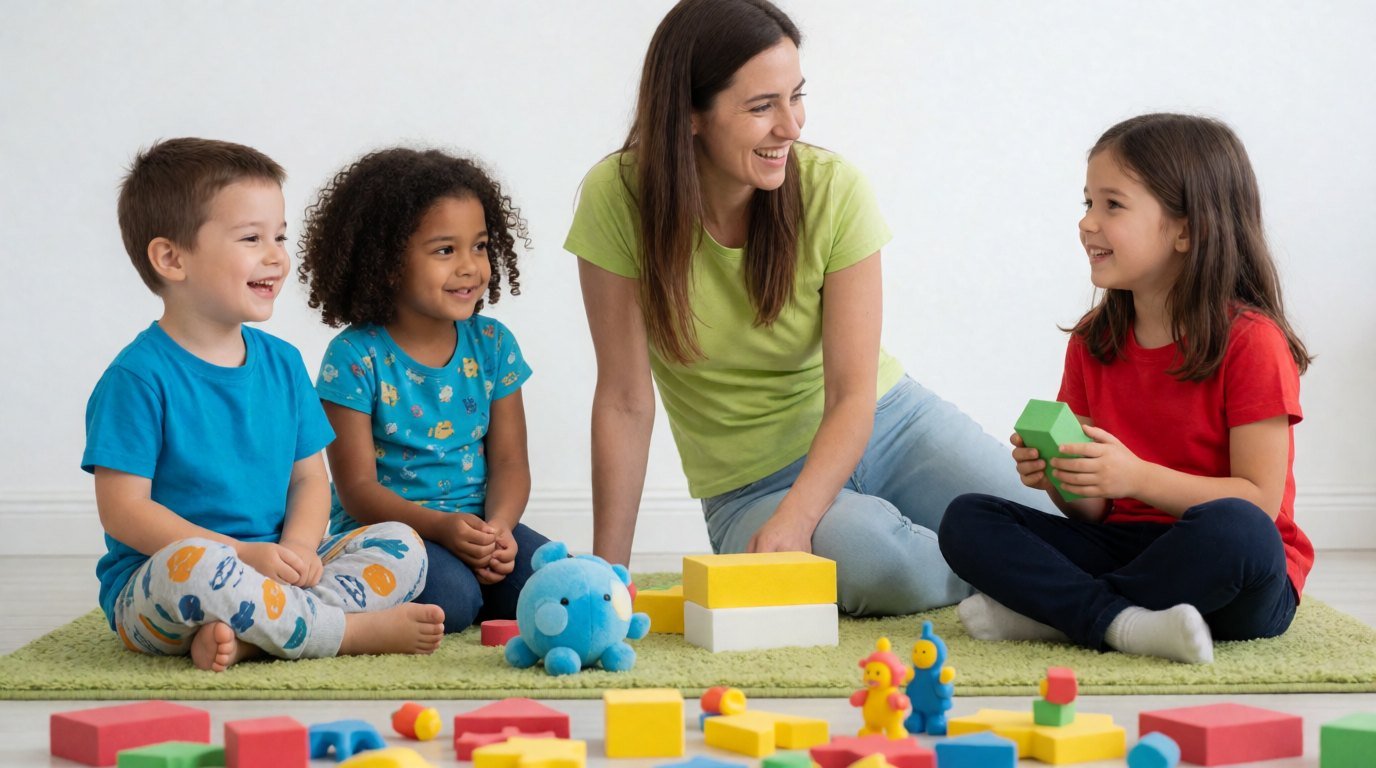
Children develop social understanding through meaningful experiences with other people, and those experiences should feel natural and relevant to them. At Skill Point Therapy, we don’t believe social skills are best learned by memorizing scripts or being taught one “right” way to interact. Our groups create real opportunities for children to play, collaborate, communicate, solve problems, navigate disagreements, share ideas, and build friendships with peers. Groups are intentionally kept small, and children are matched based on age, developmental level, interests, communication style, support needs, and overall group fit.
More Than “Teaching Social Skills”
Connection Before Correction
We focus first on helping children feel comfortable, connected, and accepted. Relationships create the foundation for meaningful social growth.
Real Interaction
Children learn by actually interacting with peers through games, projects, movement, conversation, imaginative play, and shared experiences.
Individual Differences Are Respected
There isn’t one “correct” way to socialize. We support each child’s communication style, sensory needs, personality, strengths, and developmental level.
Supported, Not Scripted
Our therapists help children navigate social situations as they naturally happen instead of expecting them to memorize social rules.
Friendships Matter
The goal isn’t simply performing a social skill during group. We want children to experience connection, confidence, belonging, and genuine enjoyment with peers.
What We Support
Friendship & Connection
initiating interactions, finding shared interests, maintaining friendships, and enjoying time with peers.
Communication
starting and maintaining conversations, expressing ideas, listening, asking questions, and navigating back-and-forth communication.
Emotional Regulation
recognizing emotions, managing frustration, handling unexpected situations, and staying connected during challenging moments.
Flexible Thinking
compromising, considering another person’s ideas, adapting when plans change, and navigating differences with peers.
Social Problem-Solving
working through disagreements, repairing misunderstandings, asking for help, advocating for yourself, and finding solutions together.
Confidence & Self-Advocacy
understanding personal strengths, communicating needs, setting boundaries, and building confidence in social situations.
Cooperation & Teamwork
sharing ideas, working toward a common goal, taking turns, collaborating, and participating as part of a group.
Play & Shared Experiences
developing imaginative play, cooperative play, shared interests, humor, creativity, and genuine enjoyment with peers.
Relationship-Based Social Learning
Our social skills groups are influenced by DIRFloortime® principles, which means we begin with relationships, individual differences, and each child’s developmental abilities. Instead of asking children to perform predetermined social behaviors, our therapists create opportunities for genuine interaction and then support children within those moments. The result is a group that feels less like a class and more like a place where children can be themselves while learning how to connect with others.
What Happens During a Social Skills Group?
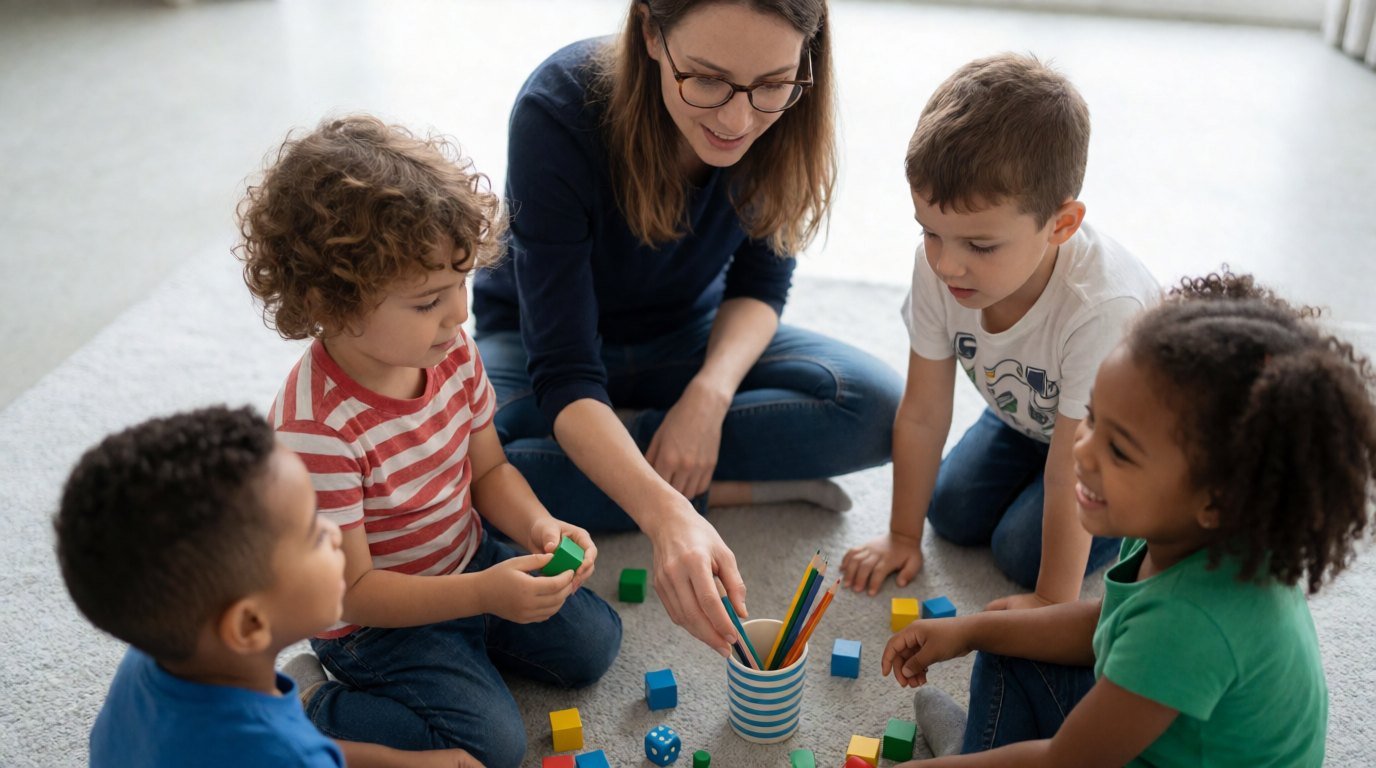
No two groups look exactly alike. Depending on the children’s ages and interests, a session might include:
Finding the Right Group for Your Child
A successful social group starts with the right match. We form groups based on more than chronological age — we consider each child’s developmental level, communication style, interests, personality, support needs, and the dynamics of the group. New groups are formed throughout the year as we identify children who may be good matches for one another, so group availability, ages, locations, days, and times may vary.
Small Groups
Typically 3–4 participants to allow for individualized support and meaningful peer interaction.
2:1 Small Groups Available
Two children with one therapist, for those who would benefit from a smaller, more supported social environment.
50-Minute Sessions
Designed to provide plenty of time for meaningful interaction, play, and peer connection.
6-Week Sessions
Groups run in 6-week sessions, allowing children time to become comfortable and build relationships.
Therapist-Led
Led by occupational or speech therapy professionals using relationship-based, DIRFloortime®-informed principles.
Tampa & Brandon
Groups may be offered at either location depending on enrollment and appropriate peer matches.
From Early Play to Young Adult Relationships
Social development changes as children grow, so our groups change with them.
Young Children
Play, shared attention, communication, turn-taking, flexibility, and early friendship skills.
School-Age Children
Friendships, conversation, teamwork, emotional regulation, problem-solving, confidence, and navigating peer relationships.
Teens
Friendships, communication, self-advocacy, perspective-taking, handling conflict, independence, and complex social situations.
Young Adults
Relationships, workplace communication, self-advocacy, independence, and navigating adult social situations.
Groups are formed based on current enrollment and appropriate peer matches, so specific ages and group availability may vary.
Pricing
Standard Social Skills Group
6-week session — $270 total ($45 per class).
2:1 Social Skills Group
6-week session — $360 total ($60 per class).
Social skills groups are private-pay services and are not billed to health insurance. A 50% non-refundable deposit is required to reserve your child’s place once an appropriate group has been identified. Step Up / FES-UA funding may also be used for eligible families.
Frequently Asked Questions
How do I know if a social skills group is right for my child?
Social skills groups may help children who want more opportunities to connect with peers, develop friendships, practice conversation, build confidence, navigate disagreements, improve flexibility, or become more comfortable in social situations. We learn about your child before recommending a group so we can determine whether there is an appropriate peer match.
How are children matched into groups?
We look at much more than age. Children are matched based on developmental level, communication abilities, interests, personality, support needs, and overall group dynamics.
Does my child need an autism diagnosis to participate?
No. Our groups support children and young adults with many different developmental profiles. Placement is based on the individual’s needs and whether we have an appropriate group available.
How big are the groups?
Most groups are intentionally kept small, typically 3–6 participants. We also offer 2:1 groups for children who benefit from a smaller, more supported environment.
Are parents involved?
Yes. While children participate with their peers, parents receive updates about what we’re working on and strategies for supporting social development outside of group.
Is this just a class where children are taught social rules?
No. Our groups emphasize real interaction rather than memorizing rules or scripts. Children practice communication, flexibility, problem-solving, and relationship skills while actually interacting with peers.
What if my child is shy or nervous about joining a group?
That’s okay. Our therapists focus on helping children feel comfortable, regulated, and connected first, then support participation as relationships and confidence develop.
When are groups offered?
New groups are formed throughout the year as we identify children who may be appropriate matches. Days, times, age ranges, and availability will vary. Families can complete our intake form, and we’ll contact them as we identify an appropriate group match.
Every Child Deserves to Feel Like They Belong
Friendships and social confidence don’t come from worksheets. They develop through experiences, relationships, meaningful interaction, and connection. Let’s find the right group for your child.