

Teaching Children Conflict Resolution: A Practical Guide to Peaceful Solutions
Helping children in Tampa and Brandon, Florida, learn peaceful dispute resolution means equipping them with clear, practical tools to manage intense emotions, express their needs effectively, and find fair solutions with peers and adults. This comprehensive guide explores the development of peaceful conflict-resolution skills across childhood stages, highlights their critical role in enhancing social-emotional learning (SEL), and illustrates how parents, teachers, and therapists specializing in behavioral health can integrate these skills into daily routines and focused activities. Skill Point Therapy, a leading provider of pediatric behavioral therapy in the Tampa and Brandon region, offers community Social Skills Groups and individualized programs designed to help children from infancy through adolescence apply therapeutic gains at home and in school settings. Many families encounter recurring arguments, classroom behavior challenges, or escalating aggression; this article outlines step-by-step problem-solving methods, empathy-building exercises, and professional red flags to help families and educators foster harmony. Included are evidence-informed strategies, practical activity frameworks, and parent-friendly coaching scripts grounded in SEL and sensory regulation techniques, all aimed at promoting peaceful resolutions and robust peer relationships.
Key Takeaways
- Teaching peaceful conflict resolution in Tampa and Brandon enhances emotional regulation, communication clarity, effective problem-solving, and empathy.
- Mastering these skills reduces aggression, strengthens friendships, and improves classroom behavior and engagement.
- SEL frameworks provide a structured approach to teaching conflict resolution through self-awareness, social awareness, and responsible decision-making.
- A consistent problem-solving sequence—calm, identify, listen, brainstorm, decide—enables children to shift from conflict escalation to collaboration.
- Role-play and empathy exercises build perspective-taking abilities, allowing children to negotiate fair, win-win outcomes.
- Occupational therapy supports executive functioning and sensory regulation, bolstering social interaction and conflict management.
- Parents reinforce learned skills by modeling calm behaviors, employing succinct coaching scripts, and maintaining stable routines.
- Professional intervention is recommended when conflicts are frequent, intense, or significantly disrupt social or academic performance.
- Skill Point Therapy’s social skills groups provide structured practice and therapist-led coaching in conflict resolution tailored to the Tampa and Brandon communities.
Why Teaching Children Peaceful Conflict Resolution Matters in Tampa and Brandon
Peaceful conflict resolution equips children with essential skills to resolve disputes without aggression by integrating emotional regulation, clear communication, and cooperative problem-solving. This approach reduces the escalation of immediate conflict and cultivates transferable skills—including emotional intelligence and negotiation skills—that underpin healthy social integration and academic success. Research supports that SEL programs incorporating conflict resolution significantly improve classroom behavior and peer relations, fostering resilience and enhanced learning environments. Applying these skills locally helps reduce recurring disputes, alleviate stress for caregivers and educators, and enable children to navigate social challenges independently. The following core benefits clarify the importance of teaching these skills within Florida’s Tampa and Brandon regions.
Peaceful conflict resolution promotes tangible improvements for children and community settings:
- Reduced meltdowns and safer peer interactions in school and recreational environments.
- Enhanced relationship repair skills, facilitating quicker reconciliation after disagreements.
- Better self-regulation results in less reactive aggression.
- Improved classroom focus and participation through decreased social friction.
- Increased emotional resilience and adaptive coping over time.
These outcomes translate into smoother social experiences at home and school; practical examples and daily scenarios further illuminate these effects.
Conflict Resolution Benefits for Children in Tampa and Brandon
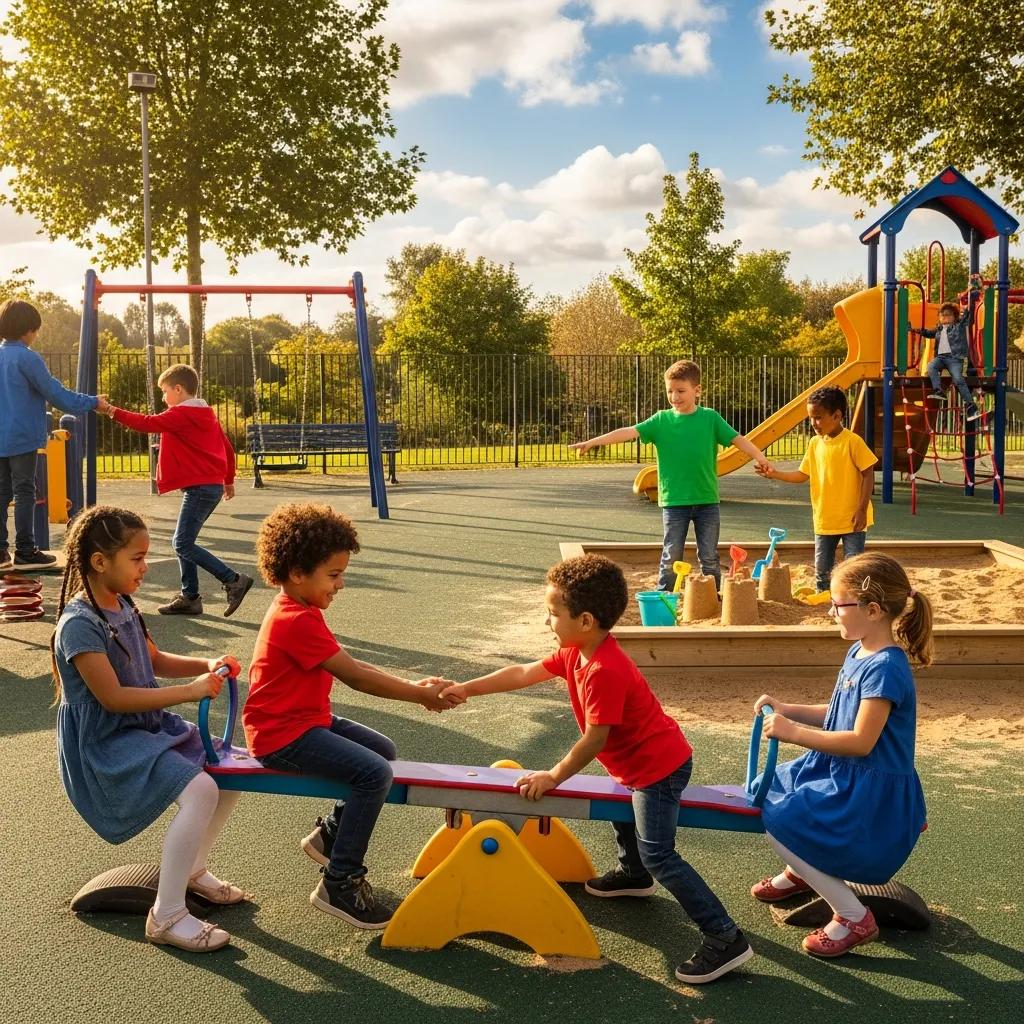
Children with conflict-resolution skills possess the interpersonal tools that shape friendships, learning, and emotional development. Those who can identify and communicate their feelings, engage in active listening, and suggest solutions tend to exhibit fewer outbursts and gain the trust of peers and teachers. For instance, a child who uses “I-statements” and offers multiple solutions often resolves playground conflicts quickly, resulting in more inclusive play with less adult intervention. Additionally, children who employ calming techniques resume activities sooner post-conflict, thereby enhancing classroom engagement. These developmental benefits grow steadily from preschool through elementary years as language and perspective-taking abilities mature, laying the groundwork for sophisticated negotiation skills in adolescence.
Integrating these benefits aligns seamlessly with established SEL frameworks, providing structured methods for teaching peaceful problem solving.
Peaceful Problem Solving within Social Emotional Learning Frameworks
Peaceful problem solving aligns with core SEL competencies—self-awareness, self-management, social awareness, relationship skills, and responsible decision-making—through repeated, real-world practice. When children recognize emotions (self-awareness), employ calming methods (self-management), consider others’ perspectives (social awareness), and jointly develop plans (responsible decision-making), they simultaneously exercise multiple SEL skills. Tampa and Brandon teachers can incorporate brief post-conflict reflection questions, while parents mirror these steps at home. Low-pressure SEL activities, such as emotion charades or two-idea brainstorming games, enable children to internalize skills beyond coaching moments, producing noticeable improvements in group dynamics.
These SEL-based practices prepare children for focused instruction on foundational conflict resolution skills described next.
Essential Core Skills for Children’s Peaceful Dispute Resolution
Four key skills underpin effective conflict resolution: emotional regulation, communication, problem-solving, and empathy. Each functions as a ffor assessing and choosingoundational element supporting children’s ability to manage disputes constructively. Emotional regulation enables pausing escalation, communication provides vocabulary and turn-taking mechanisms, problem-solving offers a clear method for assessing and choosing solutions, and empathy fosters understanding and fair outcomes. The table below outlines how each skill is taught and typical age ranges for developmental readiness.
Quick descriptions of each core skill for easy reference:
- Emotional regulation: Recognizing emotions and utilizing calming tools to maintain dialogue.
- Communication: Practicing clear expression, attentive listening, and respectful turn-taking.
- Problem-solving: Applying a structured approach to define issues, generate options, and decide collaboratively.
- Empathy: Understanding others’ feelings to create equitable, lasting solutions.
With these core skills in place, adults can confidently teach straightforward problem-solving steps that children can apply in real-time.
Supporting Emotional Regulation in Conflict Resolution
Emotional regulation empowers children to reduce physiological arousal and respond thoughtfully rather than impulsively, which is crucial for resolving conflicts. Techniques include breathing exercises, grounding prompts, sensory tools (such as fidget toys or weighted lap pads), and brief physical activity breaks that foster attention stability and reduce emotional intensity. For children with sensory processing or executive function challenges, occupational therapy—readily accessible from trusted Tampa and Brandon pediatric behavior therapists like Skill Point Therapy—provides tailored tools and strategies. Consistently teaching calming routines with recognizable cues builds habits that interrupt the escalation of conflict and open pathways to dialogue.
Effective regulation enhances the efficacy of communication strategies, the next vital skill for conflict management.
Communication Skills That Facilitate Conflict Resolution
Effective communication encompasses active listening, usage of “I-statements,” clarifying questions, and articulated needs rather than demands. Teaching a simple three-step active listening technique—look, listen, repeat—helps children confirm understanding and feel validated. Role-play scripts, for example, “I feel ___ when you ___; I would like ___,” encourage non-blaming expression and smoother negotiations. Progress manifests as fewer interruptions, balanced speaking turns, and clearer solution proposals, indicating calmer, more productive encounters. Once children are adept at these skills, they can independently use structured problem-solving sequences.
Teaching Structured Problem-Solving to Children
Problem-solving strategies provide a clear and adaptable process—calm down, define the problem, listen to perspectives, brainstorm solutions, decide on one to implement—that transforms emotional conflicts into opportunities for collaboration. This clarity reduces uncertainty and empowers children to engage actively in resolving disagreements rather than deferring entirely to adults. Caregivers and educators can model each step and gradually reduce prompts to build autonomous negotiation and resolution skills over time.
The following ordered sequence can be modified for varying age groups and settings:
- Calm: Take three deep breaths or utilize a sensory break to lower emotional intensity.
- Identify the problem: Briefly state what happened without assigning blame.
- Listen: Everyone shares their feelings and desires related to the issue.
- Brainstorm: Collaborate to create three possible solutions.
- Decide and try: Select one solution to test with an agreed-upon follow-up time to assess.
The next section explores brainstorming and compromise techniques essential to the fourth step.
Effective Brainstorming and Compromise Strategies for Children
Kid-friendly brainstorming encourages fairness and creativity using simple rules and visual aids. Examples include an “idea jar” to collect suggestions, a “three-ideas per child” rule, or illustrations of options to clarify choices. Compromise methods—taking turns choosing first, combining parts of multiple ideas, or rotating priorities—help children reach equitable agreements rather than win-lose outcomes. Younger children benefit from picture cards or sentence starters, while older youth can use pros-and-cons charts or negotiation role assignments. These approaches reduce power struggles and instill practical negotiation skills from the elementary level onward.
Emphasizing win-win solutions further nurtures positive conflict resolution, supported by a facilitator checklist accessible to adults.
Promoting Win-Win Outcomes in Child Conflict Resolution
Win-win solutions ensure that both parties gain valuable outcomes, reducing resentment and increasing the agreement’s sustainability. Adults can facilitate by verifying both voices are acknowledged, focusing on shared goals rather than entrenched positions, blending different ideas creatively, and setting trial periods to evaluate solutions. Practical examples include splitting time with a favorite toy or alternating game choices to ensure fairness. Teaching children to ask, “How can we both get something we care about?” reframes conflict from competition to teamwork.
Practicing win-win outcomes primes children to handle complex social challenges and foster lasting friendships.
Developing Empathy and Perspective-Taking in Conflict Management
Empathy and perspective-taking shift attention from personal grievances to understanding others’ experiences, reducing impulsive reactions and enhancing collaborative problem-solving. Both cognitive empathy (recognizing thoughts) and affective empathy (sharing feelings) contribute to improved negotiation and quicker relationship repair. These skills respond well to stories, guided reflections, and role-play exercises. When children anticipate the emotional impact of their actions on peers, they tend to choose responses that minimize harm and maintain friendships. Developmentally appropriate empathy-building activities thrive in classroom and therapy group settings.
Empathy practice links emotional recognition to actionable problem-solving, strengthening conflict management.
The Crucial Role of Recognizing Others’ Feelings
Understanding others’ feelings enables children to identify sources of conflict, foster active communication, and break retaliatory cycles. Seeing a peer as frustrated rather than mean shifts responses toward empathy and repair. Distinguishing cognitive from affective empathy aids instructional focus: cognitive skills cultivate perspective-taking, while affective cues foster caring behaviors. Tampa and Brandon-based parents and teachers can reinforce empathy through quick post-conflict reflections such as, “How might they have felt?” and “What could you do to help?” This ongoing reflective practice diminishes repeated conflicts and enhances responsible decision-making.
Teaching perspective-taking naturally progresses to interactive role-play to foster active, memorable empathy development.
Role-Playing to Boost Empathy in Children

Role-playing offers a controlled setting for children to explore alternative behaviors and observe outcomes without real-world consequences, concretizing empathy. Preschoolers might use puppetry to act out simple conflicts while labeling emotions; elementary-age children can swap roles during class scenarios and discuss feelings; teenagers can engage in role reversals, focusing on motivations and consequences. Post-activity discussions such as “What did you notice about the other person’s feelings?” deepen insight and encourage real-life application. Using props, brief scripts, and peer feedback enhances engagement and increases spontaneous perspective-taking in daily interactions.
Role-play and empathy activities are central to structured group therapy sessions offered by local pediatric behavioral therapists.
How Skill Point Therapy’s Social Skills Groups Empower Peaceful Conflict Resolution
Skill Point Therapy conducts Social Skills Groups in Tampa and Brandon that teach conflict resolution through structured lessons, peer interactions, and therapist coaching, ensuring skill generalization across home and school environments. Groups emphasize emotional regulation, scripted communication, problem-solving routines, and perspective-taking within small cohorts, with therapists delivering real-time feedback and modeling techniques. Sessions occur in community centers, homes, childcare settings, or via telehealth, combining collaborative games, guided brainstorming, and turn-taking exercises aligned with everyday social challenges. Families interested in specialized programming are encouraged to contact Skill Point Therapy for evaluations and individualized goal setting.
The table below links program components to targeted outcomes, illustrating how group sessions translate into measurable social gains for children in Tampa and Brandon.
These elements align theory with observable behaviors that parents and teachers can monitor between sessions. Families seeking evaluations or program details are encouraged to contact Skill Point Therapy.
Group Therapy Activities Supporting Conflict Resolution
A typical session begins with warm-ups, followed by focused skill lessons (e.g., “I-statements”), role-play or game-based practice, peer feedback, and reflection. Therapists scaffold language, demonstrate calming techniques, and facilitate peer-mediated problem-solving, giving each child opportunities to express themselves and listen. Activities include cooperative building challenges that require negotiation, emotion charades for identifying feelings, and “solution stations” where groups devise responses to scripted conflicts. Therapists emphasize compromise and generalization of peaceful resolution skills outside sessions.
Many activities integrate occupational therapy principles to develop executive functions foundational to social interactions.
Occupational Therapy’s Role in Enhancing Executive Function for Social Success
Occupational therapy strengthens attention, working memory, inhibitory control, and sensory modulation—key to social functioning and conflict resolution. Effective strategies include sensory diets, predictable routines, task analysis, breaking down social challenges, and environmental modifications to minimize triggers. Visual schedules and stepwise checklists help children recall turn-taking and negotiation steps, while sensory supports reduce emotional reactivity. Improved executive skills lead to enhanced impulse control, consistent conversational turn-taking, and proficient multi-step problem-solving in peer settings. OT complements explicit social skills training, fostering enduring behavior improvements observed in Tampa and Brandon schools and homes.
Supporting Children at Home: Resources and Strategies for Parents
Parents can bolster peaceful dispute resolution by modeling calm responses, using brief coaching phrases during conflicts, establishing predictable routines, and employing environmental cues to minimize triggers. Practical home tools include a visible “calm corner” stocked with sensory aids, family-friendly problem-solving charts, and regularly scheduled empathy storytelling. Skill Point Therapy provides parent coaching and downloadable materials tailored for caregiver use, and offers evaluations when challenges persist. The following strategies are recommended for immediate implementation.
- Create a calming routine and designate a quiet space for emotional regulation.
- Use concise coaching scripts such as “Name the feeling, breathe, propose one solution.”
- Role-play typical conflict scenarios during relaxed moments to build skills.
- Recognize and reinforce efforts with specific praise and timely follow-ups.
These approaches build consistent cues helping children choose peaceful strategies and generalize skills across environments.
Modeling Calm Behavior and Coaching During Conflicts
Parents demonstrate peaceful behavior by verbalizing their own emotional regulation and decision-making—e.g., “I’m taking a breath because I feel frustrated”—providing children with concrete language and behavioral templates. Brief, directive coaching phrases like “Pause and breathe,” “Say one thing you want,” or “What’s fair for both of you?” are effective during conflicts. Appropriate timing is key: step in when safety concerns arise, provide side coaching at moderate intensity, and encourage independent negotiation when safe. Praise specific behaviors such as “You used your words and waited for your turn” to reinforce progress. Scheduling brief reflections consolidates learning and helps parents recognize when professional support is needed, as detailed below.
Recognizing When Professional Intervention is Needed
Families should consider professional evaluation if conflicts are frequent, severe, or markedly impact school and family life, or if a child exhibits persistent aggression, withdrawal, or safety risks. Warning signs include multiple daily aggressive incidents, social isolation, declining academic performance linked to behavior, or unsuccessful management despite consistent strategies. Evaluations assess emotional regulation, communication, executive functioning, and sensory processing to tailor intervention plans. The checklist below identifies key indicators meriting further assessment.
- Frequent conflicts escalating to physical aggression.
- Withdrawal or exclusion from peer activities.
- Significant academic decline or disciplinary actions tied to behavior.
- Inability of caregivers and teachers to reduce repeats despite efforts.
Should these concerns arise, families in Tampa and Brandon can contact Skill Point Therapy to discuss evaluations, enrollment in social skills groups, or individualized support plans designed to enhance peaceful conflict skills.
Frequently Asked Questions
When is the ideal age to start teaching children conflict resolution skills?
Introducing conflict resolution concepts as early as preschool is beneficial. Basic skills like sharing, turn-taking, and identifying emotions can be taught using simple language and playful role-play. As children develop, more advanced negotiation and problem-solving tactics can be integrated in age-appropriate ways.
How can parents in Tampa and Brandon reinforce these skills at home?
Parents can foster a supportive environment for expressing feelings, conduct regular family discussions about conflicts, practice role-playing, and consistently model calm behavior. Using storybooks that illustrate conflict-resolution tactics can make learning engaging and relatable.
What importance does empathy hold in resolving conflicts?
Empathy enables children to understand others’ feelings and perspectives, encouraging thoughtful, considerate responses. Incorporating story-based discussions and role-play helps build empathy skills, directly improving conflict resolution.
How can schools in Tampa and Brandon integrate conflict resolution into their programs?
Schools can adopt SEL curricula that emphasize communication, empathy, and problem-solving, incorporating structured activities such as role-play and open dialogue to create safe spaces for the respectful resolution of disagreements. Tools like stress balls, counting exercises, and brief physical activities help children regain composure.
Are there effective techniques for helping children calm down before addressing conflicts?
Yes, methods such as deep breathing, visualization, sensory breaks with tools like stress balls, counting exercises, and brief physical activities help children regain composure and approach conflicts rationally.
Why must violence and aggression be avoided when teaching conflict resolution?
Violence and aggression escalate disputes and cause long-term harm. Teaching nonviolent methods encourages respectful interactions and safer environments at home and school, empowering children to resolve disagreements constructively.
What signals suggest a child might need professional assistance with conflict management?
Indicators include frequent physical aggression, social withdrawal, persistent emotional disruptions, or inability to apply conflict-resolution skills. When these behaviors significantly disrupt family life or schooling, professional assessment is crucial to identify underlying challenges and guide effective intervention.
Conclusion
Providing children in Tampa and Brandon with conflict resolution skills fosters emotional intelligence, strengthens friendships, and enriches learning environments. Through dedicated effort, parents and educators can help children navigate social challenges today and build lifelong competencies for success. Skill Point Therapy is committed to partnering with families to cultivate these critical skills through evidence-based approaches and community-focused programs.

Nicole Bilodeau, MS, OTR/L, is an occupational therapist and founder of Skill Point Therapy in Tampa and Brandon. She leads a skilled team that provides speech and pediatric occupational therapy, supporting children with autism, ADHD, sensory processing disorders, social skills challenges, and motor development issues. Nicole is dedicated to helping every child reach milestones and thrive at home, school, and in the community