

Helping Siblings Understand Developmental Differences: Practical Support and Communication Tips
Understanding developmental differences can be hard for any family—and siblings often shoulder much of that emotional work. Developmental differences cover a wide range of conditions that affect social, emotional, and cognitive growth. When siblings know what these differences look like and why they happen, they’re better able to offer real support and help create a kinder, more inclusive home. This article lays out clear strategies for helping siblings learn, communicate, and connect: we’ll look at common conditions, how they shape family life, and practical steps to build understanding and belonging for everyone.
Key Takeaways
- Developmental differences include conditions such as autism, ADHD, and Down syndrome that can affect emotional and social development.
- When siblings understand these conditions, they’re more likely to respond with empathy and support.
- Open family conversations give siblings space to ask questions and share feelings.
- Parents should offer age-appropriate resources and validate siblings’ emotions to encourage honest dialogue.
- Working on projects and games together strengthens sibling bonds and promotes inclusion.
- Peer support groups connect siblings with others who share similar experiences and practical coping tips.
- Balancing attention across children helps prevent feelings of neglect, jealousy, or isolation.
- Community resources, such as workshops and counseling, provide families with tools to manage developmental differences effectively.
What Are Developmental Differences and How Do They Affect Siblings?
Developmental differences refer to conditions that influence how a person learns, communicates, and relates to others. Examples include Autism Spectrum Disorder, ADHD, and Down syndrome—each with its own patterns and needs. For siblings, learning about these differences helps shape expectations, interactions, and the roles they take on at home. With straightforward information and emotional support, siblings can respond with patience and confidence rather than confusion or fear.
Which Types of Developmental Disabilities Should Siblings Know About?
It helps siblings to be familiar with a few common developmental disabilities, so they understand how these conditions can affect daily life. Some key examples:
- Autism Spectrum Disorder: Affects communication, social interaction, and behavior, so social situations and routines may look different.
- ADHD (Attention Deficit Hyperactivity Disorder): Can make focusing and impulse control difficult, which may affect learning and behavior at home and at school.
- Down Syndrome: A genetic condition that can influence physical development and learning, often needing tailored educational supports.
Knowing these basics helps siblings respond with empathy, patience, and practical support.
How Do Developmental Differences Impact Sibling Emotions and Family Roles?
Having a sibling with developmental differences can stir a wide range of feelings—pride, protectiveness, frustration, or guilt. Family roles may shift, with some siblings taking on extra responsibilities. These changes are normal, but they can create stress if they go unspoken. Families that acknowledge those feelings and build space for open conversation tend to find healthier, more sustainable ways to support one another.
Research highlights how conditions like autism can influence sibling relationships and the family’s overall adjustment.
Sibling Dynamics and Adjustment in Autism Spectrum Disorders
A growing body of research examines how siblings of young people with autism experience their relationships—and how those relationships affect each person’s well-being. By looking at behaviors, emotions, thoughts, and involvement, researchers aim to identify the processes that shape sibling bonds and adjustment. This work also points toward interventions that can strengthen warm, involved sibling relationships and encourage positive development.
Siblings of youth with autism spectrum disorders: Theoretical perspectives on sibling relationships and individual adjustment, SM McHale, 2016
How Can Families Foster Positive Communication About Developmental Differences?
Clear, compassionate communication helps siblings understand one another and feel included. When families prioritize honest conversations and model respectful listening, kids learn how to ask questions and express emotions in safe ways.
What Are Effective Parent-to-Sibling Communication Strategies?
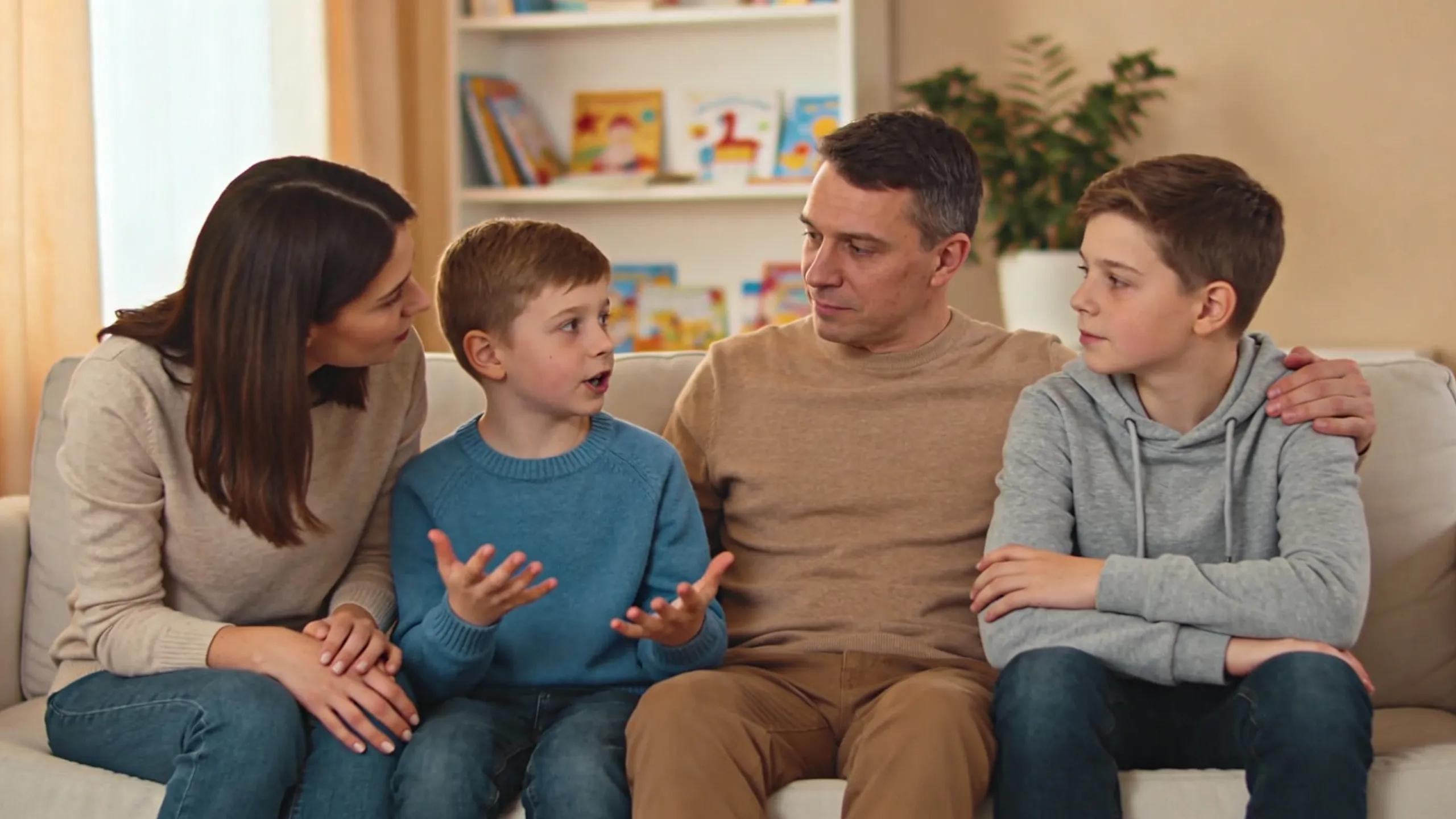
Parents can bridge gaps in understanding with a few practical approaches:
- Create space for questions: Make it clear that curiosity and uncertainty are okay—answer honestly in age-appropriate ways.
- Offer clear resources: Share books, videos, or websites that explain conditions in ways siblings can relate to.
- Validate emotions: Acknowledge feelings like frustration, sadness, or pride so siblings feel heard, not judged.
These habits help siblings have meaningful conversations and build emotional trust.
How Can Open Family Dialogue Support Inclusion and Understanding?
When everyone at home gets a chance to speak and listen, family members gain insight into each other’s experiences. Practical habits that encourage inclusion include:
- Sharing personal stories: Invite each child to describe what a typical day feels like to them—this builds empathy.
- Demonstrating good communication: Parents can model calm, respectful discussions about sensitive topics to set the tone for the whole family.
These practices reinforce teamwork, respect, and a shared sense of belonging.
What Practical Strategies Help Siblings Cope Emotionally and Support Each Other?
Siblings grow stronger together when they have tools to manage emotions and practice connection. Simple, consistent strategies can build resilience and deepen their relationship.
How Can Emotional Support Enhance Sibling Resilience?
Emotional support helps siblings handle the ups and downs that come with developmental differences. Key benefits include:
- Greater resilience: Feeling supported helps siblings bounce back from stress and frustration.
- Shared positive time: Fun activities give everyone a break and build joyful memories together.
Balancing emotional care with realistic expectations helps siblings meet their own needs while supporting the family.
Which Activities Encourage Positive Sibling Interactions and Inclusion?

Activities that emphasize cooperation and shared goals help siblings connect. Try:
- Team games: Low-pressure games that require cooperation can boost teamwork and mutual support.
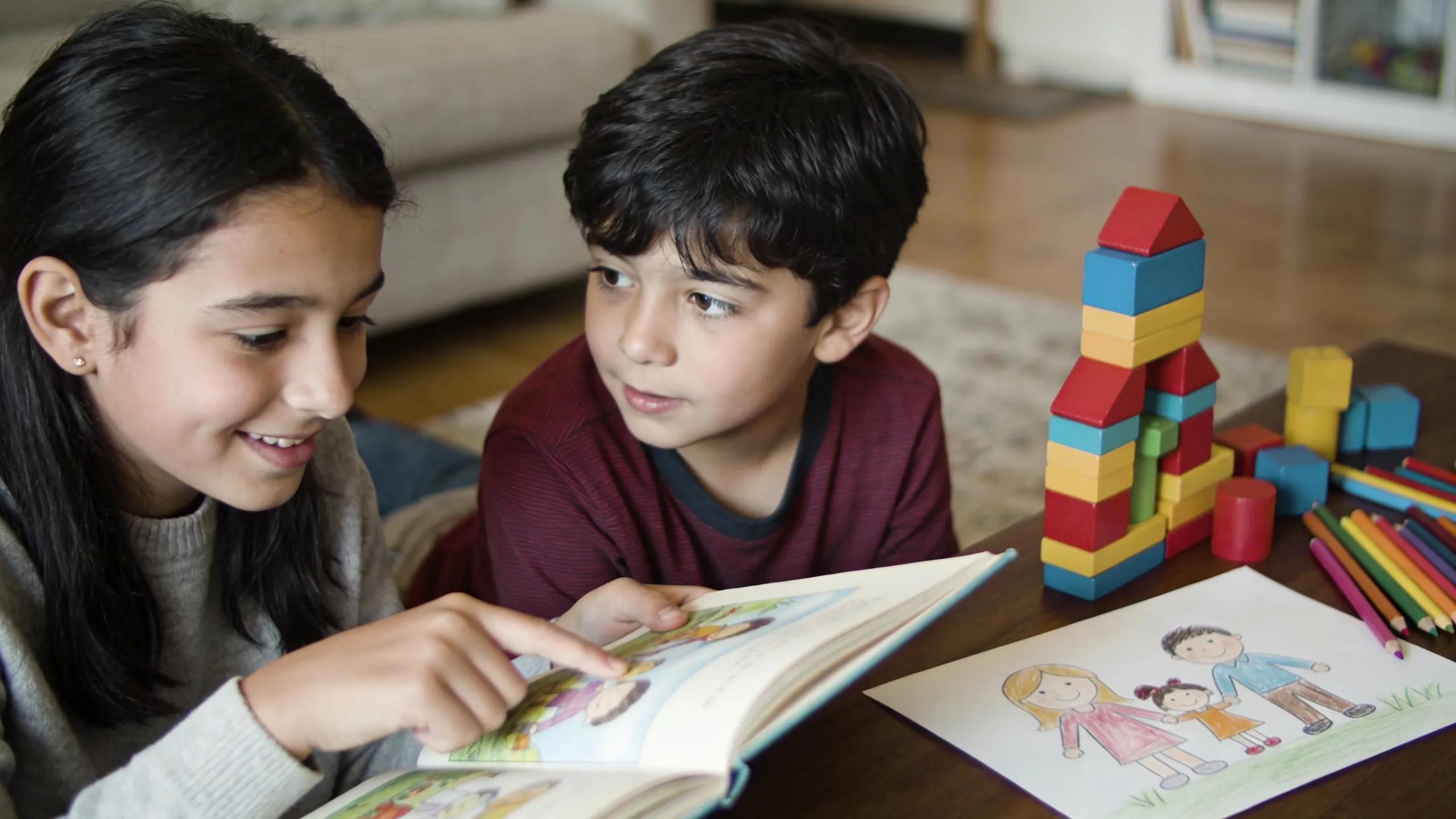
- Learning projects: Working on a simple science or art project together fosters patience and a sense of shared accomplishment.
- Family outings: Short trips where everyone participates create memories and a sense of inclusion.
These shared experiences teach practical skills—patience, turn-taking, encouragement—while strengthening bonds.
Where Can Families Find Resources and Community Support for Sibling Understanding?
Reliable resources and supportive communities make it easier for families to learn and grow together. Look for local and online options that fit your family’s needs.
What Educational and Support Services Are Available for Families?
Families can tap into several helpful services:
- Workshops and seminars: Community organizations often run sessions on supporting siblings and family well-being.
- Online learning: Reputable websites provide age-appropriate materials and guidance for families.
- Counseling and therapy: Family or individual counseling can help process emotions and improve communication.
Using these supports gives families practical skills and a clearer path forward.
How Can Peer Support Groups Benefit Siblings of Children with Special Needs?
Peer groups let siblings connect with others who really get what they’re going through. Benefits include:
- Shared understanding: Hearing others’ stories reduces isolation and normalizes feelings.
- Emotional expression: Groups provide safe spaces to discuss frustrations and wins.
- Practical tips: Members often share coping strategies that families can try at home.
These connections build confidence and offer ongoing emotional support.
How Do Family Dynamics Shape Siblings’ Experiences With Developmental Differences?
The family environment plays a huge role in how siblings experience and respond to developmental differences. Healthy routines and clear expectations make it easier for everyone to thrive.
What Roles Do Parents Play in Balancing Attention Among Siblings?
Parents can reduce friction by being intentional about fairness. Helpful approaches include:
- Scheduled one-on-one time: Regularly set aside individual moments for each child to feel seen and valued.
- Recognize contributions: Praise the ways siblings help and support the family to reinforce positive identity and self-worth.
These practices help protect each child’s emotional needs and prevent resentment.
How Can Siblings Cope With Feelings of Guilt, Jealousy, or Isolation?
It’s common for siblings to feel guilty about wanting attention, jealous of different experiences, or isolated when their struggles don’t match their parents’ focus. To cope, families can:
- Encourage open talk about these feelings without shame.
- Offer regular one-on-one time to reaffirm each child’s place in the family.
- Connect siblings with peers or support groups where they can share and learn coping strategies.
With validation and consistent support, these emotions become manageable parts of family life rather than ongoing sources of stress.
Using DIRFloortime Techniques to Bring Families Together
DIRFloortime focuses on following a child’s lead, using play and emotional connection to strengthen relationships. Families can use these techniques without turning daily life into formal therapy: the goal is simply to create responsive, playful moments that build trust.
DIRFloortime encourages listening, emotional attunement, and joyful engagement—tools that help every family member feel understood. By following a child’s interests, celebrating small wins, and responding to emotional cues, siblings and parents learn to connect naturally. Over time, these habits make cooperation and understanding part of daily routines.
Integrating DIRFloortime doesn’t require special sessions—try short, playful interactions during everyday routines like snack time, playtime, or before bed. These small moments add up, helping the whole family build closer, more resilient relationships.
Frequently Asked Questions
What can siblings do to better understand developmental differences?
Siblings can learn by asking questions, reading age-appropriate books, and attending workshops when possible. Talking openly with parents and joining peer groups also helps demystify differences and build empathy. Small steps—like watching an explanatory video together or trying a shared activity—can make complex ideas easier to grasp.
How can parents help siblings manage their emotions regarding developmental differences?
Parents can create safe spaces for emotion by inviting regular check-ins, validating feelings, and addressing concerns without minimizing them. Use simple routines like family meetings or one-on-one chats to make emotional check-ins regular and predictable. When parents acknowledge and respond to siblings’ feelings, it reduces anxiety and builds trust.
What activities can help strengthen the bond between siblings with developmental differences?
Choose inclusive activities that highlight cooperation and fun—team games, shared art projects, cooking, or nature walks. The goal is to create low-pressure settings where siblings can cooperate and celebrate small successes together, building positive memories and practical teamwork skills.
How can parents address the feelings of isolation that typically developing siblings may experience?
To combat isolation, help siblings build friendships with peers who understand their situation—through playdates, school programs, or sibling-specific groups. Encourage hobbies and social activities outside the home so they have fuller social lives and outlets for their feelings.
What role does peer support play in the lives of siblings of children with developmental differences?
Peer support gives siblings a space to share experiences with others who truly relate. These connections validate feelings, offer coping strategies, and reduce loneliness. Over time, peer support can strengthen resilience and help siblings feel less alone in their journey.
How can families utilize community resources to better understand developmental differences?
Look for local workshops, family support groups, and educational seminars through schools, clinics, or community centers. Reputable online resources and forums can provide helpful guidance too. Combining professional advice with community support gives families practical tools and emotional reinforcement.
Conclusion
Learning about developmental differences can make sibling relationships stronger, kinder, and more resilient. With clear information, open communication, and intentional time together, families can build an environment where every child feels understood and valued. Start small—share resources, hold regular check-ins, and create chances for shared experiences—and keep looking for supports that fit your family’s needs. These steps help everyone move forward with greater empathy and confidence.

Nicole Bilodeau, MS, OTR/L, is an occupational therapist and founder of Skill Point Therapy in Tampa and Brandon. She leads a skilled team that provides speech and pediatric occupational therapy, supporting children with autism, ADHD, sensory processing disorders, social skills challenges, and motor development issues. Nicole is dedicated to helping every child reach milestones and thrive at home, school, and in the community