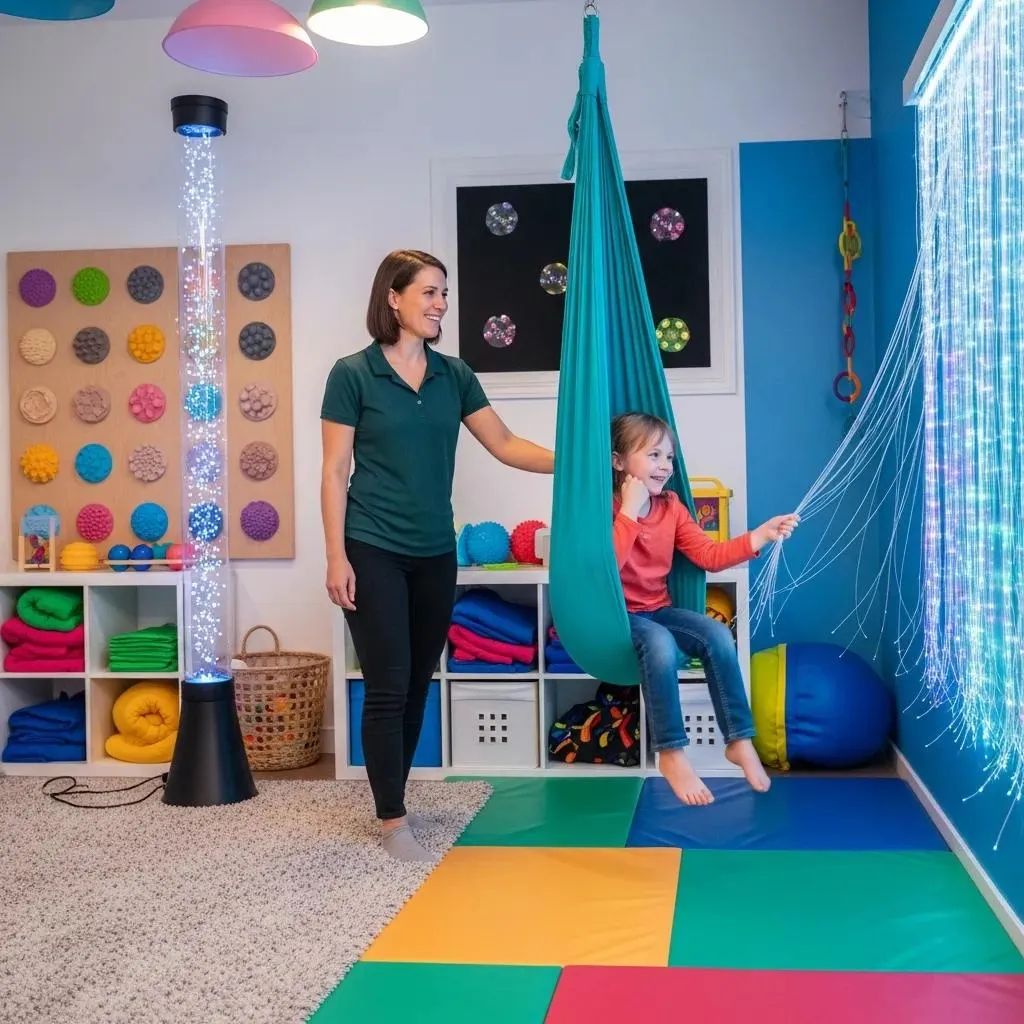

As a pediatric occupational therapist with over 20 years of experience and as a parent of two children with ADHD, I’ve seen firsthand how challenging it can be for kids with ADHD to stay focused. ADHD can hold children back from reaching their full potential by making it difficult for them to follow routines, stay organized, and manage time effectively. Studies show that about 5-10% of children are diagnosed with ADHD, and they often struggle in school and other structured environments due to issues with attention and impulsivity.
Regular routines and organized environments that provide structure are essential to helping ADHD kids focus. Strategies like using the DIR/Floortime therapy method, which involves engaging children in play-based activities to enhance emotional regulation and social interactions, can be incredibly effective. Additionally, allowing enough time for tasks and breaking them into smaller steps can help them manage their workload without feeling overwhelmed.
Other strategies to help ADHD kids focus include engaging in physical activities and mindfulness practices, which can improve concentration. Positive reinforcement is key, as it encourages the child to stay motivated and take pride in their progress. These tailored approaches help kids with ADHD harness their strengths and align their motivations so they can thrive both academically and emotionally.
Key Takeaways
- Structured routines and environments reduce anxiety, minimize distractions, and improve focus in kids with ADHD.
- Time management strategies, such as breaking tasks into segments and using visual aids, improve concentration and task completion.
- Techniques like clear instructions, fun activities, and mindfulness exercises enhance focus and engagement in therapy sessions.
- Active learning strategies, including movement and exercise, can improve focus and manage ADHD symptoms.
- Customizing learning approaches and leveraging strengths, coupled with positive reinforcement, can foster engagement and improve focus.
The Importance of Structured Environments for ADHD Kids
While it may seem challenging to manage children with ADHD, understanding the importance of structured environments can make a significant difference. The predictability that comes from consistent daily routines reduces anxiety and improves focus. Organized living spaces are devoid of clutter, minimize distractions, and promote concentration.
Clear rules and expectations provide a definitive framework that helps in developing self-discipline. Visual aids, prominently displayed, give an outline of daily activities, easing anxiety over upcoming events. Moreover, tailoring a distraction-free homework area can significantly boost the ability to focus and complete tasks successfully (boost the ability to focus).
Early intervention strategies, such as targeted interventions, can also play a crucial role in enhancing focus and managing ADHD symptoms effectively. Finally, positive reinforcement through reward systems and encouraging feedback reinforces adherence to structure. Even as we remain flexible to unexpected changes, these elements of the structure provide a supportive environment that helps manage ADHD symptoms effectively.
Time Management Strategies for Enhancing Focus
Children with ADHD often struggle with maintaining focus, which can impact their ability to manage time effectively. By implementing structured routines and effective deadlines, one can create an environment that fosters concentration and productivity. Moreover, specific strategies designed to improve focus can significantly enhance the general time management skills of these children, leading to a more positive and beneficial learning experience.
One such approach involves organizing their workspaces, ensuring that these spaces are clear of clutter and well-organized to facilitate better focus and studying outcomes (clear of clutter). Additionally, incorporating time management techniques can help children break tasks into manageable segments, making it easier for them to stay engaged and complete their work.
Implementing Effective Deadlines
Children with ADHD can greatly benefit from implementing effective deadlines to better manage their time and improve focus. This involves clear task definition, accurate time estimation, setting practical goals, and incorporating a feedback mechanism. Deadlines should be flexible, allowing for adjustments when unexpected challenges arise.
Tools like timers and alarms can provide auditory cues for task shifts, aiding in time management. Visual timers can also improve people’s understanding of time. Encouraging task completion before timers end can instill a sense of accomplishment, while a reward system can reinforce this positive behavior.
However, deadlines should not be rigid; adjustments for personal needs and unexpected challenges are key to maintaining motivation and preventing frustration. Additionally, using visual aids like charts and checklists can make the process of understanding and managing time more tangible and engaging for children with ADHD, thus helping them stay on track (visual aids). Implementing behavioral strategies can further support children with ADHD by establishing routines that enhance their focus and organization skills.
Structured Routines and Focus
Incorporating strategic structure into daily routines can serve as a practical extension of implementing deadlines, particularly for children with ADHD. Routine predictability reduces stress, improves focus, and aids in developing time management skills. Additionally, structured environments minimize distractions, fostering self-regulation and enhancing academic performance.
Children with sensory processing difficulties may also benefit from tailored strategies that help address their unique challenges.
| Consistent Routines | Benefits |
|---|---|
| Sleep, meal, homework, and play schedules | Promote routine adherence, reduce procrastination, and support engagement |
| Visual aids like picture charts, color-coded planners, checklists | Help in task tracking, change planning, and recall of appointments |
| Integrating physical activity and strategies like positive reinforcement, minimizing distractions | Stimulate focus, manage symptoms, and motivate task completion |
These methods collectively create an environment conducive to focus, which is crucial for children with ADHD. A critical aspect of these strategies is the use of visual aids, which can significantly help kids understand their tasks better and manage their time more effectively.
Customizing Learning Approaches for Children With ADHD

When crafting learning approaches for children with ADHD, two key strategies can significantly improve their academic path: strength-finding and motivation and simplifying tasks for clarity. Utilizing a child’s strengths and interests can be instrumental in fostering motivation, thereby improving learning efficiency and outcomes. Likewise, breaking down complex tasks into simpler, manageable parts can significantly reduce feelings of overwhelm, enabling these children to tackle academic challenges more effectively.
Additionally, recognizing and harnessing hyperfocus and laser focus can dramatically enhance their productivity during engaging tasks.
Strength-Finding and Motivation
While children with ADHD face distinctive challenges, they also possess a varied array of strengths often overlooked in traditional learning environments. Recognizing and cultivating these strengths – such as creativity, hyperfocus, empathy, risk-taking, and resilience – can yield fruitful results. Incorporating structured learning strategies that emphasize these strengths can improve their confidence and motivation. Tools like the Pomodoro Technique, flexible seating options, and movement breaks utilize their singular abilities, fostering an engaging educational environment.
Furthermore, integrating motivational elements into learning strategies, such as positive narratives about ADHD and opportunities for self-expression, can help children view their condition as a source of strength. Consequently, this strength-finding and motivation approach can enhance academic performance, build resilience, and foster positive self-perception. Additionally, understanding the unique symptom presentations of ADHD in girls can further tailor these strategies to meet their specific needs.
Simplifying Tasks for Clarity
Shifting the focus from the strength-based approach, the need arises to address the practical aspect of aiding children with ADHD in their daily tasks. Simplifying tasks by breaking them down into manageable parts, or “chunking,” can provide clarity and reduce overwhelm. Furthermore, visual aids such as checklists and diagrams can improve understanding.
Clear, concise instructions are essential, and a well-organized, distraction-minimized environment can boost focus. Techniques such as the ”ISS strategy, starting with the most straightforward task, along with interactive checklists and predictable routines, may assist task initiation. Incorporating fun, sensory activities, and tools like Apps can further improve engagement.
Ultimately, consistent practice and mindfulness exercises can help build focus, encouraging progress in children with ADHD. Additionally, executive dysfunction can significantly impact a child’s ability to stay focused, making these strategies even more vital.
The Role of Active and Physical Engagement in ADHD Therapy
Understanding the role of active and physical engagement in ADHD therapy is paramount in the effective management of this condition. Incorporating movement into learning strategies improves focus, stimulates neurotransmitters like dopamine, and improves academic outcomes. Regular exercise not only elevates cognitive function but also helps manage ADHD symptoms.
Moreover, structured therapy environments, which include task segmentation and movement-incorporated routines, can improve focus and productivity. Pediatric physical therapy provides a framework for enhancing motor skills, which can further benefit children with ADHD.
The table below summarizes these findings:
| Active Learning Strategies | Physical AActivity’sImpact on ADHD | Structured Therapy Environments |
|---|---|---|
| Improved Focus and Engagement | Cognitive Function Improvement | Task Segmentation |
| Neurotransmitter Stimulation | Neurotransmitter Modulation | Structured Work Blocks |
| Mobility and Education | Behavioral Improvement | Minimizing Distractions |
Mindfulness and Relaxation Techniques for Better Concentration

As we investigate the practice of mindfulness and relaxation techniques, it is crucial to acknowledge their life-changing potential in managing ADHD. These techniques encourage calmness, awareness, and improved focus.
- Mindful Breathing: This technique centers the mind and controls thoughts through slow, deep breaths.
- Guided Imagery: Calming narratives redirect focus from distractions, promoting mental tranquility.
- Progressive Muscle Relaxation: By tensing and relaxing muscles systematically, this technique releases stress.
- Sensory Awareness: This method improves the connection with the environment through sensory experiences, fostering present-moment awareness.
Research shows a significant reduction in ADHD symptoms with consistent mindfulness practice. Integrating these exercises into daily routines can make a profound difference in managing ADHD, improving impulse control, and reducing hyperactivity. Additionally, utilizing sensory modulation techniques can further enhance focus and emotional regulation, providing a holistic approach to managing ADHD symptoms.
The Value of Adaptability and Feedback in ADHD Management
While every child with ADHD has unique needs and circumstances, the ability to adapt therapy strategies plays a vital role in managing the condition. The key is to build flexible environments, modify behavior approaches, adjust treatment plans dynamically, incorporate family, and respect cultural differences.
Feedback and progress monitoring, meanwhile, are essential in achieving desired outcomes. Daily Report Cards, regular therapy sessions, Parent-Child Interaction Therapy, continuous feedback loops, and progress-tracking tools are critical elements in this process. Additionally, early intervention can significantly enhance the effectiveness of therapy strategies by providing timely support tailored to each child’s needs.
| Adaptability in Therapy | Feedback and Progress Monitoring |
|---|---|
| :-: | :-: |
| Flexible Therapy Settings | Daily Report Cards (DRCs) |
| Modified Behavioral Approaches | Regular Therapy Sessions |
| Dynamic Treatment Plans | Parent-Child Interaction Therapy (PCIT) |
| Family Involvement | Continuous Feedback Loops |
| Cultural Sensitivity | Progress Tracking Tools |
These combined strategies foster an environment conducive to growth and progress for children with ADHD.
Harnessing Strengths: Strength-Finding Activities for ADHD Kids

Despite the challenges that come with ADHD, children with this condition often possess unique strengths such as heightened creativity, resilience, and the ability to hyperfocus. Leveraging these strengths can improve their self-esteem and overall coping mechanisms. The key is to identify these strengths through a variety of activities and nurture them in a supportive environment.
- Art Projects: These can stimulate creativity and cutting-edge thinking in ADHD kids.
- Physical Challenges: Sports and physical activities can help channel high energy levels positively.
- Problem-Solving Games: These activities can reveal a child’s ability to hyperfocus and resilience.
- Storytelling and Role-Playing: These can uncover a child’s imaginative abilities and interpersonal skills.
The Power of Positive Reinforcement in Learning
Understanding the power of positive reinforcement in learning is pivotal for children with ADHD. This practice motivates them, elevates their behavioral changes, and supports structured environments. Immediate feedback improves their knowledge, and the adaptability it provides helps them navigate changing demands.
Verbal praise, consistency, and visual cues play a key role in implementing this strategy. Token systems and parent involvement guarantee a steady, impactful application. In therapy, positive reinforcement intensifies focus and aids behavioral modification.
The integration of technology further enriches this process, making it more engaging for ADHD kids. Long-term benefits include symptom management and advancing self-regulation skills. Consequently, positive reinforcement proves to be a potent tool in helping ADHD children improve their learning abilities.
Incorporating Mindfulness in the Daily Life of ADHD Kids

Moving from the positive reinforcement approach, another effective strategy for managing ADHD symptoms is incorporating mindfulness into children’s routines. Mindfulness, being present at the moment, can improve a child’s attention span, affective regulation, working memory, and self-awareness while reducing stress and anxiety.
- Routine Practice: Regular mindfulness routines help ADHD children build long-term skills. From simple deep breathing exercises to guided meditations, regular practice is essential.
- Integrated Therapy: Mindfulness is often more effective when combined with other therapies, such as Cognitive Behavioral Therapy.
- Family Engagement: The involvement of family members in mindfulness practices creates a supportive environment, improving its efficacy.
- Adapted Activities: Mindfulness exercises tailored to a child’s interests can increase engagement and effectiveness. This could range from mindful eating to practicing the S.T.O.P. technique or yoga.
Frequently Asked Questions
How Does a Structured Environment Affect the Behavior of an ADHD Child?
A structured environment provides predictability and organization for an ADHD child, reducing anxiety. It minimizes distractions, promotes focus, and improves behavior management, effectively aiding the child’s capacity to engage and learn.
How Can Positive Reinforcement Help ADHD Kids Focus?
Positive reinforcement can help ADHD kids focus by encouraging desired behaviors through rewards and praise. By reinforcing good habits, children are more likely to repeat them, improving their ability to stay on task and engaged.
What Are Some Effective Time Management Techniques for Children With ADHD?
Effective time management techniques for children with ADHD include structured schedules, task lists, utilizing clocks and timers, maintaining organized spaces, and regular planning. Utilizing planners, color coding, and digital apps can further improve these strategies.
How Can Learning Approaches Be Customized to Help ADHD Children?
Tailoring learning approaches for ADHD children involves creating flexible, structured environments, utilizing technology, individualizing instruction, and applying behavioral management. These strategies address their distinct needs, improving focus and enhancing their educational experience.
What Is the Role of Physical Activity in ADHD Therapy?
Physical activity plays an essential role in ADHD therapy. It increases neurotransmitter levels, improves executive functions, and promotes mood enhancement. Exercise types like aerobics, martial arts, and complex exercises are especially beneficial for improving focus in ADHD children.
How Can Mindfulness Techniques Aid in Improving Focus for ADHD Kids?
Mindfulness techniques can aid ADHD kids by enhancing their present-moment awareness. Strategies like deep breathing, guided imagery, and sensory awareness help reduce distractions, improve concentration, and manage impulsivity, fostering a more focused, calm state of mind.
Conclusion
A well-structured environment and tailored learning are key to guiding ADHD kids through everyday challenges. As a pediatric occupational therapist, I use strategies like Dir/Floortime therapy, which helps children connect emotionally and focus better.
Physical activities, time management, and mindfulness practices also play essential roles in improving focus and behavior. By using positive reinforcement, we can help ADHD kids stay on track, build confidence, and unlock their full potential, helping them succeed in school and life.
References
- https://www.forbrain.com/adhd-learning/focus/
- https://www.readandspell.com/us/strategies-for-students-with-ADHD
- https://drcarolinebuzanko.com/20-essential-things-to-help-kids-with-adhd-build-focus/
- https://www.understood.org/en/articles/adhd-teaching-strategies
- https://www.brainbalancecenters.com/blog/ways-improve-concentration-adhd-kids
- https://www.kidstuffcounseling.com/2023/11/08/creating-a-structured-environment-for-a-child-with-adhd/
- https://www.skillpointtherapy.com/adhd-friendly-environment/
- https://www.frontiersin.org/journals/psychiatry/articles/10.3389/fpsyt.2022.927411/full
- https://foc.us/which-strategy-can-help-children-with-adhd-focus/
- https://pmc.ncbi.nlm.nih.gov/articles/PMC10291114/