Not all pediatric therapies work the same way—and that’s a good thing. As a pediatric occupational therapist with over 20 years of experience, I’ve seen how powerful a child-led approach can be. DIR/Floortime is my favorite because it follows the...
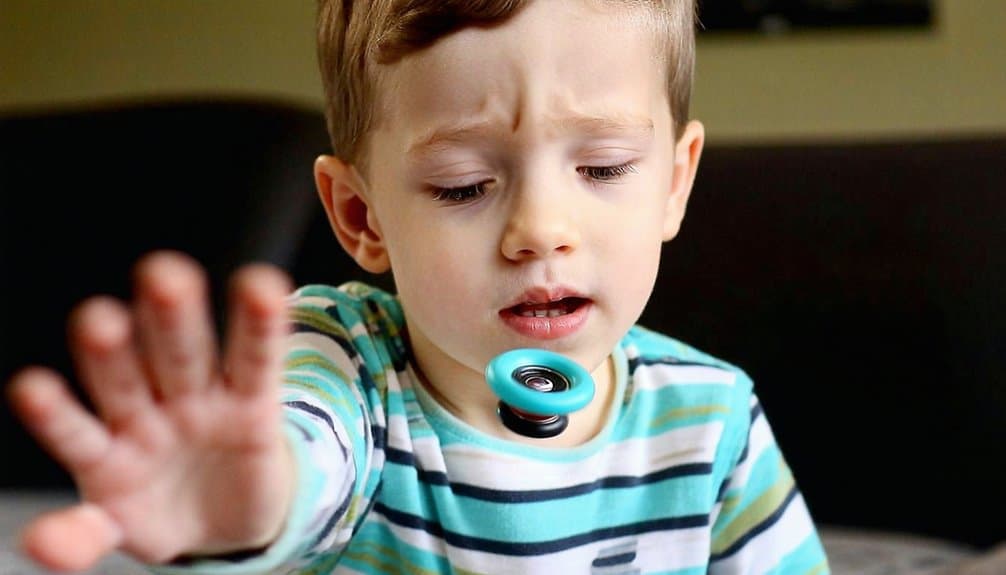
Repetitive behaviors, like tics and stimming, are key characteristics of Autism Spectrum Disorder (ASD). These behaviors, which include motor, sensory, and cognitive repetitions, function as coping mechanisms, aiding persons with ASD in managing erratic, unpredictable...
Engaging handwriting games can significantly improve children’s fine motor skills. Activities like shaping letters with playdough foster creativity while developing dexterity, which is crucial for handwriting. Games that require precise movements, such as...
Bead threading significantly enhances children’s fine motor skills by strengthening the finger muscles essential for everyday tasks, such as buttoning and tying shoelaces. This activity promotes hand-eye coordination and object manipulation, providing a solid...
You can use DIR/Floortime at home, in therapy, or even in a classroom. It helps children grow by focusing on emotional connection and playful learning. Instead of pushing children to do tasks, caregivers follow their child’s lead. This fosters trust and helps...