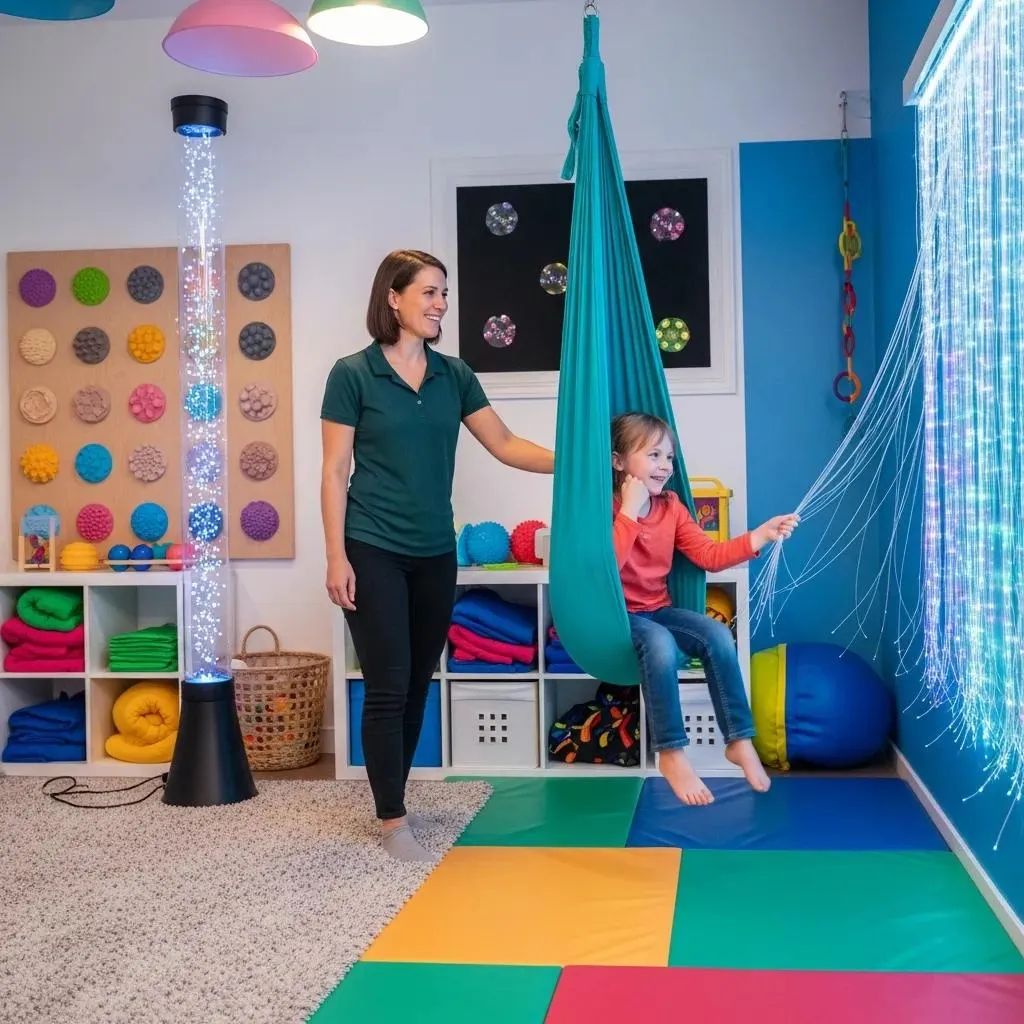

Play therapy offers numerous benefits for child development, allowing children to guide the experience at their own pace. In child-led, playful therapy, kids choose activities, express their feelings freely, and explore challenges in a safe and supportive space. A parent searching for “play therapy near me” often finds that when children lead the play, they engage more fully and communicate emotions that might be harder to access in more structured sessions.
Unlike highly structured approaches where activities follow strict rules or schedules, child-led playful therapy adapts to the child’s interests and energy. For example, building a pretend city with blocks or acting out stories with puppets naturally helps children develop problem-solving, patience, and teamwork skills. Research shows that children in child-led play therapy make faster gains in emotional regulation and social skills because the play feels meaningful and motivating rather than imposed.
Play therapy also strengthens empathy, cooperation, and confidence. Simple activities, such as collaborative games, role-playing with friends, or drawing scenes together, help children learn these skills in real time. The benefits of play therapy extend beyond emotional wellbeing, providing children with resilience and the tools to navigate everyday challenges successfully.
Key Takeaways
- Play therapy enhances emotional regulation, enabling children to articulate complex feelings and reduce negative emotional symptoms.
- It fosters communication and cooperation, developing essential social skills like empathy, teamwork, and negotiation.
- Through play, children refine motor skills and cognitive abilities, promoting both physical coordination and creative problem-solving.
- Sensory and group activities in play therapy improve verbal and non-verbal communication, encouraging active listening and peer interaction.
- Play therapy provides a safe space for processing trauma, allowing children to narrate experiences and develop resilience through emotional insight.
Emotional Expression and Regulation
Expressive feelings and management are vital components of healthy child development, and play therapy serves as a significant conduit for their improvement. In a safe environment, children can explore complex emotions through play, using tools like puppets or art to express feelings when words may fail them. The therapeutic process promotes emotional regulation by fostering awareness of emotions and distinguishing between feelings and behaviors.
This is especially beneficial for children with challenges, such as autism spectrum disorder, as they learn adaptive responses. Moreover, play therapy reduces negative emotional symptoms, providing an emotional outlet before stressful events.
Furthermore, by employing diverse techniques like art and music, play therapy enhances various aspects of emotional growth. Ultimately, the benefits of play therapy for children include fostering insight and understanding, enabling them to navigate their emotional world with enhanced resilience and self-awareness. Additionally, studies have shown that for children with ASD, engaging in play therapy can significantly improve their social skills and emotional regulation.
Social Skills Development
Play therapy provides children with a unique setting to develop their social skills, promoting communication and cooperation in a playful environment. Through role-playing and group interactions, children not only practice verbal and nonverbal communication but also learn the importance of empathy and teamwork, which are vital for building lasting relationships. This therapeutic approach provides children with opportunities to navigate social situations, thereby fostering adaptability and resilience in their interactions with peers.
Engaging in play-based interventions allows children to develop essential social skills that will benefit them throughout their lives, as these activities enhance sensory integration and support effective processing of social cues.
Enhancing Communication Skills
While many adults communicate effortlessly, children often struggle to articulate their thoughts and feelings, highlighting the crucial role of play therapy in enhancing communication skills. This therapeutic approach uses play as a natural medium, allowing children to express complex emotions through puppetry, storytelling, and role-playing. These activities foster verbal and nonverbal communication, encouraging children to interpret body language and engage in meaningful dialogues.
Additionally, engaging in sensory activities supports emotional expression, a crucial component of effective communication. Group sessions offer significant opportunities for peer interaction, fostering skills such as active listening and turn-taking. As children navigate different scenarios, they build confidence in articulating their emotions and thoughts, ultimately bridging the gap between play and authentic social interactions, thereby laying a strong foundation for future communication success.
Furthermore, play therapy has been shown to significantly improve self-awareness and empathy, enabling children to understand themselves and others more effectively.
Practicing Empathy and Cooperation
As children engage in therapeutic activities, they naturally cultivate their capacity for empathy and cooperation, vital components of social skills development. Through play therapy, children not only learn to understand their peers’ feelings but also engage in scenarios that require teamwork and negotiation. This dual approach fosters a deeper affective insight, which is fundamental for forming healthy relationships.
Incorporating sensory integration techniques during playtime also helps children manage their feelings and respond empathetically in social situations.
- Empathetic interactions encourage emotional growth.
- Collaborative play nurtures fundamental social skills.
- Role-playing simulates authentic social situations.
- Sharing and turn-taking promote a supportive environment.
- Improved cooperation leads to lasting friendships.
The consistent practice of these skills can positively transform a child’s ability to connect with others, ultimately enhancing social adaptability and inclusion.
Building Lasting Relationships
Building strong relationships during childhood is a crucial aspect of social skills development, intricately linked to the empathetic interactions fostered in play therapy. Children engage in cooperative play, which improves their communication skills and emotional regulation. This process enables them to build connections and navigate social landscapes effectively.
Additionally, understanding sensory processing difficulties can enhance the effectiveness of social interactions by allowing children to navigate their environment more effectively.
| Skills Developed | Benefits |
|---|---|
| Verbal and Nonverbal Communication | Improved peer relationships |
| Affective Regulation | Effective coping in social situations |
| Teamwork and Cooperation | Improved negotiation skills |
| Problem-Solving Abilities | Increased adaptability |
| Social Inclusion | Lasting, meaningful connections |
Through these experiences, children cultivate the ability to form lasting relationships, laying the groundwork for future social success and affective wellbeing.
Cognitive and Developmental Benefits
Observing children at play reveals a groundbreaking environment that nurtures both motor skills and creative problem-solving. Through varied play activities, children not only refine their physical coordination but also learn to approach challenges with inventive thinking. This distinctive interplay fosters a foundation for cognitive growth that can markedly impact their holistic development.
Furthermore, play is fundamental in forming trust-based relationships, which, in turn, enhance social interactions and emotional wellbeing. Engaging in sensory exercises can further support children’s cognitive and emotional development by improving focus and body awareness.
Motor Skills Enhancement
Play therapy serves as a dynamic avenue for enhancing motor skills, which are crucial for children’s cognitive and developmental growth. Through goal-oriented activities, children experience significant improvements in their gross and fine motor abilities. The interplay between sensory and motor experience builds stronger muscles and improves coordination.
- Children gain confidence as they master new physical tasks.
- Play nurtures critical neural pathways, fostering cognitive development, and is particularly beneficial for children with Sensory Processing Disorder (SPD), who may require additional support in integrating sensory information.
- Engagement in structured activities creates a joyful learning environment. Fine motor skills development is essential for tasks such as handwriting and using a computer mouse, which further enhances children’s academic success.
- Improved motor skills lead to greater independence in daily activities.
- Successful play experiences encourage lifelong healthy habits.
Ultimately, play therapy not only promotes motor skill development but also highlights the profound connection between physical movement and cognitive progression, serving as a vital investment in a child’s holistic development.
Creativity and Problem-Solving
While engaged in imaginative scenarios, children’s creativity flourishes, revealing their innate ability to think beyond limits. Play therapy fosters this creativity through role-playing, where children invent solutions and investigate diverse perspectives. Techniques such as art therapy encourage visual expression, enabling individuals to develop innovative approaches to challenges.
Structured games stimulate strategic planning, enhancing cognitive skills crucial for problem-solving. Additionally, the safe environment allows children to experiment with decision-making without fear of failure, thereby strengthening their critical analysis and foresight.
Furthermore, understanding sensory dysregulation can help tailor play activities that meet individual children’s needs, facilitating deeper engagement. Collaborative play experiences enhance negotiation skills and social competencies, which are crucial for cognitive growth. Ultimately, play therapy not only nurtures creative thinking but also equips children with the tools necessary to address complex challenges, promoting balanced psychological and emotional development.
Moreover, through play, children develop problem-solving skills, which are crucial for navigating life’s challenges and making informed decisions.
Anxiety and Behavioral Issue Reduction

As children navigate their development, the presence of anxiety and behavioral issues can significantly hinder their psychological and social growth. Play therapy provides a compassionate approach to addressing these challenges, creating environments where children can safely express their feelings and confront their fears.
- Non-verbal expression helps children articulate feelings they cannot put into words.
- Increased self-esteem and social skills enable children to engage more fully in their world.
- Therapeutic play instills coping mechanisms that reduce anxiety-triggered behaviors.
- Techniques like sandplay lead to measurable reductions in anxiety symptoms, demonstrating the effectiveness of non-directive play therapy.
- Structured interventions equip children with tools to regulate their feelings and behaviors, much as sensory modulation techniques do in sensory processing therapy.
Through play therapy, children not only find relief but also discover a path to resilience and emotional understanding, promoting holistic development in a nurturing environment.
Trauma Processing and Insight
Trauma processing in children often necessitates an extraordinary approach that transcends traditional verbal therapy methods. Play therapy serves as a powerful tool, allowing children to create symbolic narratives that encapsulate their traumatic experiences. This method fosters affective expression within a safe context, enabling children to articulate their feelings and engage in cognitive restructuring.
Research indicates notable reductions in post-traumatic symptoms when trauma narratives are integrated into play. Furthermore, the therapeutic environment encourages emotional ventilation while enhancing insight into trauma origins. By working through conflicts during play, children gain crucial insights that help them forge healthier behavioral patterns.
Consequently, play therapy not only aids in processing trauma but also promotes resilience and affective regulation fundamental for their development.
Therapeutic Relationship and Support

The therapeutic relationship in play therapy serves as a cornerstone for fostering psychological support and development in children. This relationship nurtures a safe environment essential for affective expression and healing. Through compassionate engagement, therapists foster trust and acceptance, enabling children to openly explore their inner experiences
- Children feel fully understood and secure in expressing their feelings.
- A trust established fosters collaboration and improves social connections.
- Affective expression during play acts as a cathartic release.
- The therapist’s empathy transforms the child’s self-beliefs and affective responses.
- Sensitive guidance enables mastery over challenging feelings and the development of resilience.
Thus, the therapeutic relationship not only supports immediate affective needs but also lays the foundation for lasting individual growth and social competence.
Integration With Other Therapeutic Modalities
When play therapy is integrated with other therapeutic modalities, it creates a multifaceted approach that improves affective and behavioral outcomes for children. This integration is especially effective when coupled with Cognitive Behavioral Therapy (CBT), as play provides an expressive outlet while CBT addresses cognitive patterns. Techniques such as bibliotherapy and behavioral conditioning improve engagement and learning.
Moreover, family-centered play therapies strengthen parent-child relationships and provide crucial tools for communication and emotional validation. Play therapy also proves beneficial within trauma-focused and narrative therapies, allowing children to investigate and process their experiences safely. By fostering collaboration within interdisciplinary settings, play therapy becomes a crucial component in delivering thorough, coordinated care, ultimately promoting resilience and emotional understanding in children.
Frequently Asked Questions
What Are the Key Benefits of Play Therapy?
The key benefits of play therapy include improved emotional expression, stronger social skills, and enhanced cognitive development. Through therapeutic play, children develop the skills to navigate challenges, build self-confidence, and foster stronger relationships with caregivers and peers.
How Long Does a Typical Play Therapy Session Last?
A typical play therapy session lasts 30 to 55 minutes, with most averaging 45 to 50 minutes. This duration allows children to engage meaningfully while facilitating sentimental expression and therapeutic progress in a supportive environment.
What Age Group Benefits Most From Play Therapy?
Like a flower blooming most vibrantly in spring, children aged 3 to 12 thrive under the nurturing influence of play therapy. This age group, especially preschoolers and early school-aged children, experiences the most profound benefits.
Can Parents Observe Play Therapy Sessions?
Yes, parents can observe play therapy sessions, although participation often depends on the therapist’s approach and the child’s comfort level with the therapist. This involvement facilitates understanding of the child’s psychological landscape while balancing confidentiality and therapeutic integrity.
Are There Specific Play Therapy Techniques Used?
Approximately 70% of children express feelings more effectively through play. Different techniques, including child-centered, directive, and tailored approaches, enable therapists to facilitate a more profound understanding while nurturing emotional growth and resilience in a safe, supportive environment.
How Do Therapists Measure Progress in Play Therapy?
Therapists measure progress in play therapy using standardized instruments, goal-setting, observational notes, and caregiver feedback, enabling a thorough understanding of a child’s emotional, social, and developmental progress throughout the therapeutic process.
Conclusion
Play therapy is a powerful tool for helping children grow emotionally, socially, and cognitively. Child-led activities, such as creating stories with toy figures, expressing feelings on paper, or building simple obstacle courses, enable children to explore emotions and practice problem-solving naturally. When children guide the play, they often feel more engaged and make faster progress than in highly structured sessions.
Beyond skill-building, play therapy strengthens social connections and confidence. Activities such as cooperative games, role-playing scenarios, or group storytelling give children opportunities to practice empathy, patience, and teamwork in real-life situations. These experiences help children develop coping strategies that last well beyond the therapy room.
Early and supportive intervention matters. Establishing a trusting therapeutic relationship enables children to explore challenges safely, nurturing their resilience and potential for growth. If you have questions or would like to discuss a specific area related to your child, please get in touch with Skill Point Therapy to learn how our Tampa and Brandon offices can provide a safe and supportive environment for your child to thrive.
References
- https://www.cnshealthcare.org/exploring-child-s-play-therapy-as-a-mental-health-support-tool
- https://journals.sagepub.com/doi/10.1177/09731342241238524
- https://insightspsychology.org/child-psychology-play-therapy-benefits/
- https://www.indwes.edu/articles/2025/07/integrating-play-therapy-techniques-in-child-counseling
- https://pmc.ncbi.nlm.nih.gov/articles/PMC10328142/
- https://education.gsu.edu/cps/researchoutreach/play-therapy-training-institute/what-is-play-therapy/
- https://gsehd.gwu.edu/child-centered-play-therapy
- https://publications.aap.org/pediatrics/article/142/3/e20182058/38649/The-Power-of-Play-A-Pediatric-Role-in-Enhancing
- https://www.a4pt.org/page/PublicResearchResource
- https://brieflands.com/articles/mejrh-138491