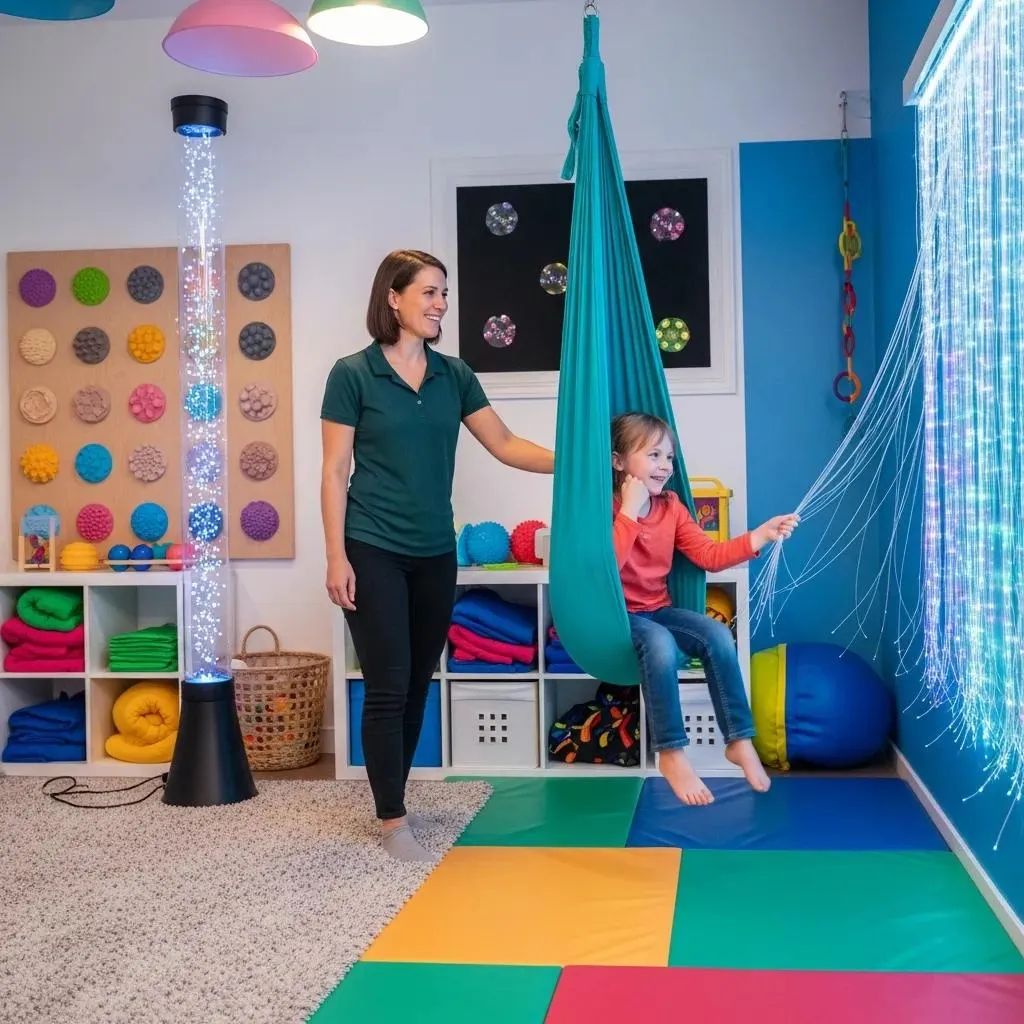

Handwriting is more than just putting letters on paper—it starts with fine motor skills, a firm pincher grasp, and steady hand strength. With patience and loving care, parents can help their children build handwriting skills right at home. Even small steps add up over time and can make a big difference in a child’s confidence.
Many therapists incorporate a mix of handwriting programs during sessions, and these same ideas can be easily applied to everyday home activities. Occupational therapy adds important structure and guidance, giving families strategies that can be reinforced outside the clinic. By blending professional input with fun home practice, children often make faster and more lasting progress.
When families celebrate each small gain, children stay motivated and encouraged. Fun tools like chalkboards, playdough, or even simple scavenger hunts can build handwriting skills in playful ways. By making practice enjoyable, parents create a supportive environment that helps children grow both in skill and self-esteem.
Key Takeaways
- Create sensory writing trays filled with sand or rice to encourage letter formation through tactile exploration.
- Engage kids in scavenger hunts to find and write letters, merging movement with writing practice.
- Use malleable substances like Play-Doh to strengthen hand muscles while practicing letter shapes.
- Incorporate air writing or tracing on the palm to enhance proprioceptive input for better motor planning.
- Provide digital handwriting apps for interactive practice and immediate feedback tailored to individual needs.
Home Letter Formation Activities
Numerous multisensory letter formation activities can significantly improve handwriting skills for learners of all ages. Techniques such as tactile tracing on textured materials, including sandpaper or rice, engage the tactile sense and augment muscle memory for letter shapes. Sensory writing through finger movements in sensory bins integrates kinesthetic experiences, bolstering motor planning and control—activities like air writing and tracing on the palm offer proprioceptive input, reinforcing letter formation pathways.
Utilizing malleable mediums, such as playdough, not only strengthens hand muscles but also immerses learners in a tactile environment. Incorporating writing trays filled with resistant materials fosters precision in letter formation, providing a thorough sensory experience that promotes practical handwriting skills across diverse learner profiles. Additionally, engaging in sensory play activities can enhance creativity and cognitive growth, further supporting handwriting development in children.
These activities can be supported by utilizing a digital archive like ScholarShip, which offers resources and research on educational techniques.
Engaging Writing Play Ideas
Engaging writing play ideas, such as scavenger hunts and pretend play, provide dynamic opportunities for children to improve their handwriting skills through interactive methods. Scavenger hunts encourage participants to write down the words or letters they find, effectively merging movement with literacy practice. Moreover, pretend play scenarios allow children to create menus or rules, fostering purposeful writing in imaginative contexts.
Incorporating tactile and sensory activities into these play ideas can further enhance the learning experience by allowing kids to explore letter formation through different textures. Additionally, these activities can support sensory integration by providing varied sensory experiences that promote fine motor skills and cognitive processing.
Scavenger Hunt Adventures
Scavenger hunts can serve as an effective educational tool for enhancing handwriting skills while simultaneously engaging children’s curiosity and movement. By integrating letter exploration and object matching, these activities can be structured in numerous ways:
- Alphabet Tracing Hunts: Children trace letters while searching for objects, reinforcing letter formation and development. This strategy can also enhance sensory motor skills as children engage in physical movement during the hunt.
- Letter Finding and Writing Activities: Kids locate letter-shaped items at home and record them, fostering movement and handwriting practice.
- Vocabulary Connection Hunts: This activity involves finding objects corresponding to letters, thereby enhancing both vocabulary and handwriting skills.
- Multi-font Recognition Hunts: Children identify letters in different styles, promoting adaptability in writing. Additionally, incorporating tracing letters helps build confidence through these activities and solidifies their letter formation skills.
These fun activities provide visual and kinesthetic learning opportunities, ensuring that handwriting improvement is both engaging and effective.
Pretend Play Writing
Building on the theme of interactive learning through play, pretend play writing provides a dynamic platform for enhancing handwriting skills among children. Engaging in pretend scenarios, such as creating a store menu or writing imaginary letters, contextualizes writing as a meaningful activity that captures children’s motivation and enthusiasm. These imaginative writing exercises promote purposeful letter formation, fine motor skill development, and writing stamina.
The incorporation of role-based scripts, such as police checklists or trading cards, enhances organizational skills and supports narrative development, which is crucial for handwriting fluency. Moreover, integrating multisensory elements, such as colorful materials and physical activities, can heighten engagement. Additionally, play-based interventions can enhance motor coordination and body awareness, thereby improving children’s handwriting abilities.
Ultimately, pretend play writing provides a fun and effective medium for practicing handwriting in a way that feels fundamental to children’s play experiences.
Creative Scavenger Hunt Games

Creative scavenger hunt games, such as Word Uncovering Hunts and Themed Writing Adventures, serve as effective methods to improve handwriting skills through playful exploration. These activities engage children in locating and identifying words or objects that correspond to specific themes or letters, thereby promoting letter recognition and vocabulary development. By integrating movement and writing tasks, these scavenger hunts facilitate fine motor skills while maintaining children’s interest in learning.
Additionally, engaging in a Find and Write Scavenger Hunt can provide a fun and interactive way for children to practice letters and writing skills in their own environment. Incorporating structured sensory activities during these hunts can further enhance a child’s focus and self-regulation, making the learning experience even more beneficial.
Word Discovery Hunt
A range of engaging activities can boost children’s literacy skills, with the Word Exploration Hunt serving as a particularly effective method. This activity promotes sight word recognition through interactive play and reading challenges. To effectively conduct a Word Uncovering Hunt, parents can follow these guidelines:
- Word Placement: Hide sight words in different locations, such as bedrooms and backyards.
- Clue Creation: Develop hints that challenge children and improve their problem-solving skills.
- Time Limit: Set a specific timeframe to keep participants engaged and focused.
- Materials: Utilize colorful markers, sticky notes, and simple maps to facilitate the hunt. This method not only reinforces literacy skills but also makes learning enjoyable and dynamic, fostering a positive environment for further reading and writing development. Incorporating a treasure hunt aspect can significantly enhance children’s interest and engagement in the activity. Additionally, engaging in play-based therapy can further support their overall cognitive growth and emotional understanding.
Themed Writing Adventures
Engaging children in themed writing adventures can improve their literacy skills through interactive and creative experiences. Activities such as poetry scavenger hunts offer opportunities for exploration and brainstorming while integrating educational elements that encourage both creativity and discovery. By crafting imaginative clues, children set out on themed quests that stimulate engagement and promote physical activity, whether indoors or outdoors.
These adventures cater to diverse age groups, maintaining flexibility in design and execution. Through writing their findings, children develop fine motor skills and improve handwriting, which in turn facilitates expressive literacy development. By embedding thematic poetry and other educational values into these playful hunts, parents can create memorable experiences that reinforce learning and foster a love for writing.
These activities also encourage children to observe their surroundings through a poetic lens, enabling them to connect with their environments while enhancing their descriptive skills. Additionally, incorporating elements of sensory integration into these activities can further enhance children’s engagement and focus during the writing process.
Technology Tools for Handwriting Practice
As technology continues to advance, numerous digital tools have emerged to improve handwriting practice for learners of varying abilities. These tools facilitate engaging, adaptive experiences tailored to personal needs, boosting traditional methods. Key features include:
- Digital Handwriting Apps: Offer customizable templates and interactive writing drills to increase engagement and skill development.
- Progress Tracking: Enables users to track their improvement over time, fostering motivation. Digital tools have been reported to enhance students’ engagement in writing activities significantly.
- Digital Pens and Tablets: Offer tactile feedback that mimics natural writing movements, enhancing grip and letter formation. Additionally, incorporating sensory modulation techniques can help support learners with different sensory needs during handwriting practice.
- Instant Feedback: Helps with immediate adjustments in writing technique, supporting learners with challenges such as dysgraphia.
These technology-driven solutions bolster writing proficiency while reinforcing cognitive and literacy skill development.
Fun Toy-Based Learning Exercises

Numerous toy-based learning exercises can significantly improve handwriting skills by targeting fine motor development, sensory integration, and visual-motor coordination. Activities that involve toy manipulation through texture exploration boost tactile discrimination, aiding children’s motor planning. Stacking activities and shape sorters promote precision coordination and hand-eye coordination, which are vital for recognizing letter shapes.
Furthermore, engaging in sensory play with materials like sand or paint reinforces letter recognition and formation. Incorporating sensory breaks into these activities can also enhance focus and overall engagement.
| Activity Type | Target Skills | Toy Examples |
|---|---|---|
| Toy Manipulation | Fine Motor Development | Beads, Pegboards |
| Texture Exploration | Tactile Discrimination | Sand, Textured Toys |
| Stacking Activities | Visual Recognition | Blocks, ShapeSorters, Multisensory |
| y Play | Sensory Integration | Finger Sponges, Crayons |
Foundational Motor Skills Development
Toy-based learning exercises contribute to the development of foundational motor skills, which are crucial to effective handwriting. Improving these skills can help address different handwriting challenges. Parents can implement the following motor skill exercises to strengthen their child’s handwriting abilities:
Toy-based learning activities enhance key motor skills essential for handwriting, effectively addressing various handwriting challenges.
- Fine Motor Control: Engage in activities such as stringing beads or using tweezers to pick up small objects, which improves precision and control.
- Muscle Strength and Endurance: Utilize playdough or clay to build hand strength, allowing for more extended writing periods with less discomfort.
- Motor Planning: Practice tracing letters with finger paint or sand to develop the ability to execute letter formations.
- Visual-Motor Integration: Encourage copying shapes or letters to improve coordination between visual input and motor output.
Such exercises support fundamental motor skill development, consequently improving handwriting.
Incorporating Writing Into Physical Activities

Incorporating writing into physical activities can significantly improve a child’s handwriting skills by integrating movement with motor development. Activities such as finger painting boost sensory input while strengthening hand muscles, promoting letter formation skills, and fine motor control. Likewise, sewing and knitting develop dexterity and concentration, reinforcing pencil control.
Gardening provides a dynamic environment that improves gross motor skills, which are vital for fine motor tasks, while allowing children to practice writing through labeling plants. Playdough and clay create opportunities for physical creativity, supporting letter tracing and fine motor skills. Finally, air writing enables large movements to promote muscle memory, spatial awareness, and comprehensive coordination, establishing a foundation for effective handwriting through engaging writing movement.
Adaptive Tools to Enhance Writing Comfort
A variety of adaptive tools are available to enhance writing comfort and promote practical handwriting skills in children. These adaptive writing tools significantly enhance the writing experience by providing a better grip, control, and comfort. Essential tools include:
- Grip Aids: Pencil grips and ergonomic pens improve grip strength.
- Ergonomic Pens: Specifically designed to reduce strain and discomfort, these tools offer ergonomic pen benefits for prolonged writing.
- Weighted Pens: Increase grip stability for children with fine motor challenges.
- Digital Tools: Applications like Kaligo provide immediate feedback to improve handwriting quality.
Frequently Asked Questions
How Can I Motivate My Child to Practice Handwriting Regularly?
To motivate a child to practice handwriting regularly, parents can introduce fun handwriting games and implement a system for rewarding progress. These approaches foster engagement and reinforce positive sentimental connections with writing, enhancing general motivation.
What Are Simple Ways to Build Handwriting Skills at Home?
Parents can use activities like tracing letters in sand, playing with playdough, or practicing with chalk outside to make writing practice engaging. These methods build strength, coordination, and confidence in a child’s handwriting over time.
What Age Is Appropriate to Start Focused Handwriting Activities? Appropriately, focused handwriting activities typically begin around ages 5 to 6, as children exhibit signs of handwriting readiness. This timing aligns with critical stages of child development, ensuring that foundational fine motor skills and cognitive abilities are sufficiently developed.
How Long Should Each Practice Session Last for Optimal Results?
For ideal results, each handwriting practice session should last between 10 and 15 minutes. Frequent sessions are recommended several times a week, allowing for cumulative benefits and sustained engagement in developing handwriting skills.
Are There Any Benefits to Outdoor Handwriting Practice?
Outdoor handwriting practice, akin to a refreshing change, benefits students through heightened sensory experiences. It promotes motor skills, improves focus, and encourages creative expression, making outdoor learning an enriching avenue for developing handwriting abilities.
How Can I Identify My Child’s Specific Handwriting Challenges?
To identify a child’s handwriting challenges, conduct a handwriting assessment focusing on motor skills, evaluating letter formation, spacing, grip, and endurance. Observing behaviors and affective responses during writing tasks is also essential for thorough evaluation.
Conclusion
In summary, parents can explore a wide range of fun and practical activities to strengthen fine motor skills and support handwriting development at home. By incorporating creativity and play into their practice, children remain motivated while developing skills that foster confidence and independence. Pediatric occupational therapy offers an added layer of guidance, ensuring each child’s unique needs are met with care and expertise.
For families in Tampa and Brandon, Skill Point Therapy is here to help with personalized strategies that make a lasting difference. If you’d like to learn more, have a question, or discuss a specific concern about your child’s handwriting, we welcome you to contact Skill Point Therapy today.
References
- https://www.heartwisesupport.org/post/occupational-therapy-techniques-for-improving-writing-skills
- https://occupationaltherapy.com.au/7-fun-ways-to-support-handwriting-practice-at-home/
- https://www.growinghandsonkids.com/activities-to-practice-handwriting-skills-at-home.html
- https://www.theottoolbox.com/handwriting/
- https://specialedresource.com/multisensory-handwriting-activities
- https://thediytherapist.com/boost-handwriting-skills-20-creative-activities/
- https://www.lwtears.com/blog/ask-ot-fun-handwriting-activities-overcoming-sensory-restrictive-environments-and-physical-0
- https://www.ot-mom-learning-activities.com/improve-handwriting-older-kids.html
- https://realotsolutions.com/collections/size-matters-handwriting-program-smhp
- https://thescholarship.ecu.edu/bitstreams/c95111a7-7da7-470d-ba61-b3b742120950/download