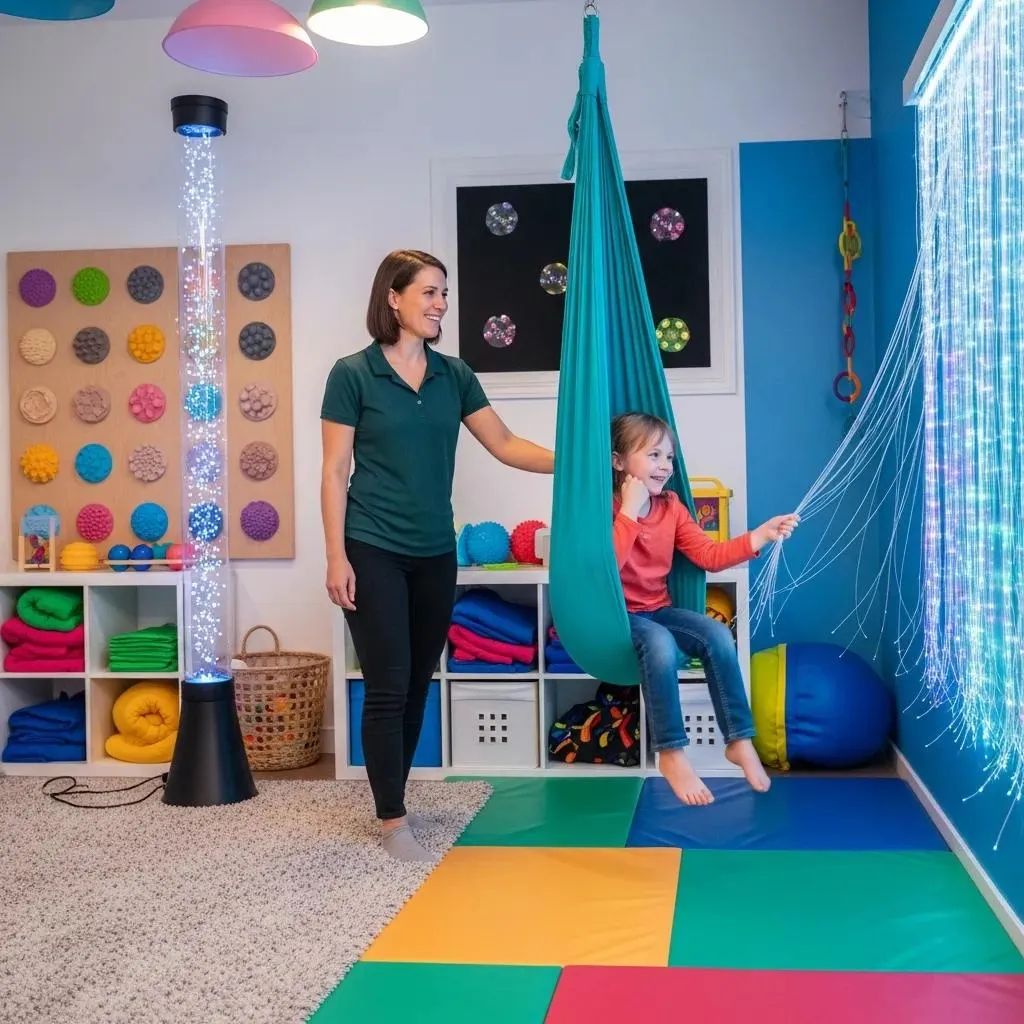

By the ages of 3, 4, and 5, children begin developing important hand and finger skills, known as early fine motor milestones. These abilities help them complete everyday tasks, such as feeding themselves, coloring, or stacking blocks. Research indicates that approximately 1 in 10 children experience some delay in fine motor development, which can impact their confidence and independence in early learning.
Parents can look for early fine motor milestones such as turning pages in a book, stringing large beads, or using crayons with improved control. These small yet meaningful actions show how children are building coordination and strength in their hands. Suppose a child struggles with these movements or avoids tasks that require hand use. In that case, it may be helpful to discuss concerns with a local professional who offers occupational therapy near me for further guidance.
At Skill Point Therapy in Tampa and Brandon, our child-led, playful DIRFloortime approach supports each child at their own pace. Through joyful interactions, we help children develop their fine motor skills while nurturing their communication, confidence, and creativity. Every session focuses on connection first—because when therapy feels like play, growth naturally follows.
Key Takeaways
- At the age of 3, children master self-feeding and exhibit improved manipulation skills, such as stacking blocks and drawing basic shapes.
- By age 4, children refine their self-feeding techniques, can fasten buttons, and demonstrate better control with scissors and drawing tools.
- At the age of 5, children exhibit notable pencil control, draw figures with six body parts, and independently manage self-care tasks, such as dressing.
- Signs of potential delay include difficulty grasping objects, avoidance of fine motor activities, and a reliance on a full-fist grip.
- Consult a pediatrician or occupational therapist if you notice shaky movements, weakness, or difficulties with utensils and dressing by age 3.
Fine Motor Skills at Age 3
At age 3, children typically exhibit significant advancements in fine motor skills, marking a crucial stage in their development. They begin to master self-feeding through proficient finger feeding and utensil use, utilizing spoons and forks with minimal spillage while drinking from open cups. This newfound independence in managing food fosters a sense of confidence.
Furthermore, their manipulative skills improve as they string small beads and stack blocks, showcasing improved coordination. Children develop better control in drawing, often imitating basic shapes and recognizable figures. With emerging self-care abilities, they start to dress with assistance and demonstrate a growing preference for using one hand over the other. These milestones lay the groundwork for future skills, including handwriting and self-sufficiency, as early fine motor skills are essential for pre-writing skills.
Additionally, many children at this age may exhibit signs of Sensory Processing Disorder (SPD), affecting their ability to engage in fine motor activities.
Fine Motor Skills at Age 4
By age 4, children demonstrate remarkable progression in their fine motor skills, reflecting their growing independence and coordination. They refine self-feeding techniques by using utensils confidently, exhibiting minimal spillage while drinking from an open cup. Their ability to fasten large buttons and pull zippers independently illustrates improved dexterity.
Regarding drawing progression, they begin to copy basic shapes and can draw figures with three parts, showcasing emerging spatial awareness. Furthermore, children engage in construction activities, such as stacking blocks and using scissors to cut simple shapes. These milestones indicate a development of fine motor skills that enrich their everyday tasks, supporting their comprehensive growth and readiness for more complex challenges.
Regular physical activity also enhances fine motor coordination, helping children gain confidence in their motor skills. Additionally, engaging in sensory integration activities can further support the development of fine motor skills by providing a range of diverse textures and movements. Parents should monitor these developments and seek help if significant delays occur.
Fine Motor Skills at Age 5

A significant advancement in fine motor skills is evident by the age of 5, as children become increasingly adept at tasks that require precision and coordination. At this age, they demonstrate notable capabilities in several areas:
- Pencil control: Children can draw a person with at least six body parts and write their initial name. Engaging in sensory play activities can further enhance their pencil grip and control.
- Cutting accuracy: They cut out shapes and may begin to cut along curved lines, reflecting refined scissor skills.
- Self-care: Children can button and unbutton clothing independently and start learning to tie shoelaces.
- Manipulative skills: They can place small objects into containers swiftly and create complex structures with blocks.
These milestones signify the blooming dexterity and cognitive development, promoting independence in everyday tasks and playful creativity. Developing fine motor skills is essential for supporting various daily activities and functions as children grow.
Signs of Potential Delay in Fine Motor Skills
How can caregivers identify early signs of potential delays in fine motor skills among children? Recognizing early indicators is essential for timely intervention. For toddlers, challenges such as difficulty grasping objects, poor hand-eye coordination, and clumsiness during play may be evident.
As children transition to preschool, they may exhibit avoidance of activities that require fine motor skills, such as drawing or using utensils, along with difficulties manipulating small objects. Behavioral clues include persistent poor pencil grip and reliance on one hand. Caregivers should be aware of these signs and consider potential underlying developmental or neurological issues.
Implementing intervention strategies, such as occupational therapy, can effectively support skill development and promote increased independence, confidence, and comprehensive functionality in daily activities. Engaging in fine motor skill activities, like kneading Play-Doh, can also help children progress in their development. Additionally, understanding the signs of SPD can provide insight into the child’s sensory processing challenges that may impact fine motor skills.
When to Seek Help for Fine Motor Development

When should caregivers consider seeking professional help for fine motor development? Recognizing red flags early is essential for effective intervention. Caregivers should seek professional assessments if they observe:
Recognizing early red flags in fine motor development is crucial for effective intervention and support.
- Movements appear shaky or stiff by age 3.
- Weakness in the arms or hands compared to peers.
- Persistent use of a full fist grip instead of a pincer grasp.
- Difficulties with utensils or dressing due to motor skill challenges.
Early intervention can significantly improve outcomes, so consulting a pediatrician and engaging with occupational therapists is recommended. Fine motor skills are essential for countless everyday tasks, and delays in their development may indicate a need for support. Addressing these concerns promptly is critical to support ongoing development and to provide tailored strategies for improvement.
Additionally, occupational therapists can implement a sensory diet to help enhance fine motor skills and overall functioning. Being proactive in seeking help guarantees that children receive the necessary support to flourish.
Frequently Asked Questions
What Activities Can Improve My Child’s Fine Motor Skills at Home?
Engaging in coloring activities and puzzle games at home considerably improves a child’s fine motor skills. These tasks require precise hand movements, fostering dexterity and coordination while providing enjoyable, developmentally beneficial experiences for young learners.
Why Are Early Fine Motor Milestones Important for School Readiness?
Early fine motor milestones are crucial for developing the hand strength, coordination, and control necessary for classroom activities such as writing, cutting, and self-care. When children develop these skills early, they gain confidence and independence that set the stage for future learning success.
How Do Cultural Factors Influence Fine Motor Skill Development?
Cultural practices have a significant influence on fine motor skill development, with studies indicating that children from societies that emphasize active engagement exhibit improved fine motor skills. Societal expectations influence how parents interact, creating environments that either promote or hinder their children’s competency.
Are There Specific Toys That Enhance Fine Motor Skills?
Specific toys, such as manipulatives and sensory play items, significantly enhance fine motor skills. These tools encourage dexterity, hand strength, and coordination, fostering effective development through engaging, interactive experiences that support children’s growth and learning.
What Role Does Nutrition Play in Fine Motor Skill Development?
Nutrition plays a pivotal role in fine motor skill development, as nutrient sources support brain development; deficiencies hinder milestones. Encouraging balanced diets rich in essential nutrients fosters growth, significantly enhancing children’s cognitive and physical abilities.
How Can I Encourage My Child to Practice Fine Motor Tasks?
To encourage a child to practice fine motor tasks, caregivers can incorporate finger painting and playdough fun, as these activities improve dexterity and strength, fostering skill development through engaging, hands-on manipulation and creative expression.
Conclusion
ChatGPT said:
References
- https://choc.org/ages-stages/4-to-5-years/
- https://www.chrichmond.org/services/therapy-services/developmental-milestones/fine-motor-skills-2-to-5-years/
- https://www.brownhealth.org/be-well/childrens-developmental-milestones-gross-and-fine-motor-skills
- https://naitreetgrandir.com/en/step/3-5-years/development/3-4-years/child-fine-motor-skill-development-3-4-years/
- https://www.luriechildrens.org/en/specialties-conditions/pediatric-occupational-therapy/developmental-milestones/fine-motor-skills/
- https://www.craneschools.org/apps/pages/index.jsp?uREC_ID=1949514&type=d&pREC_ID=2072624
- https://www.childrensmn.org/educationmaterials/childrensmn/article/15313/developmental-milestones-3-to-5-years/
- https://www.ctfrc.com/fine-motor-skills-preschool-milestones.htm
- https://www.growinghandsonkids.com/fine-motor-skills-checklist-preschoolers.html
- https://www.theottoolbox.com/fine-motor-milestones/