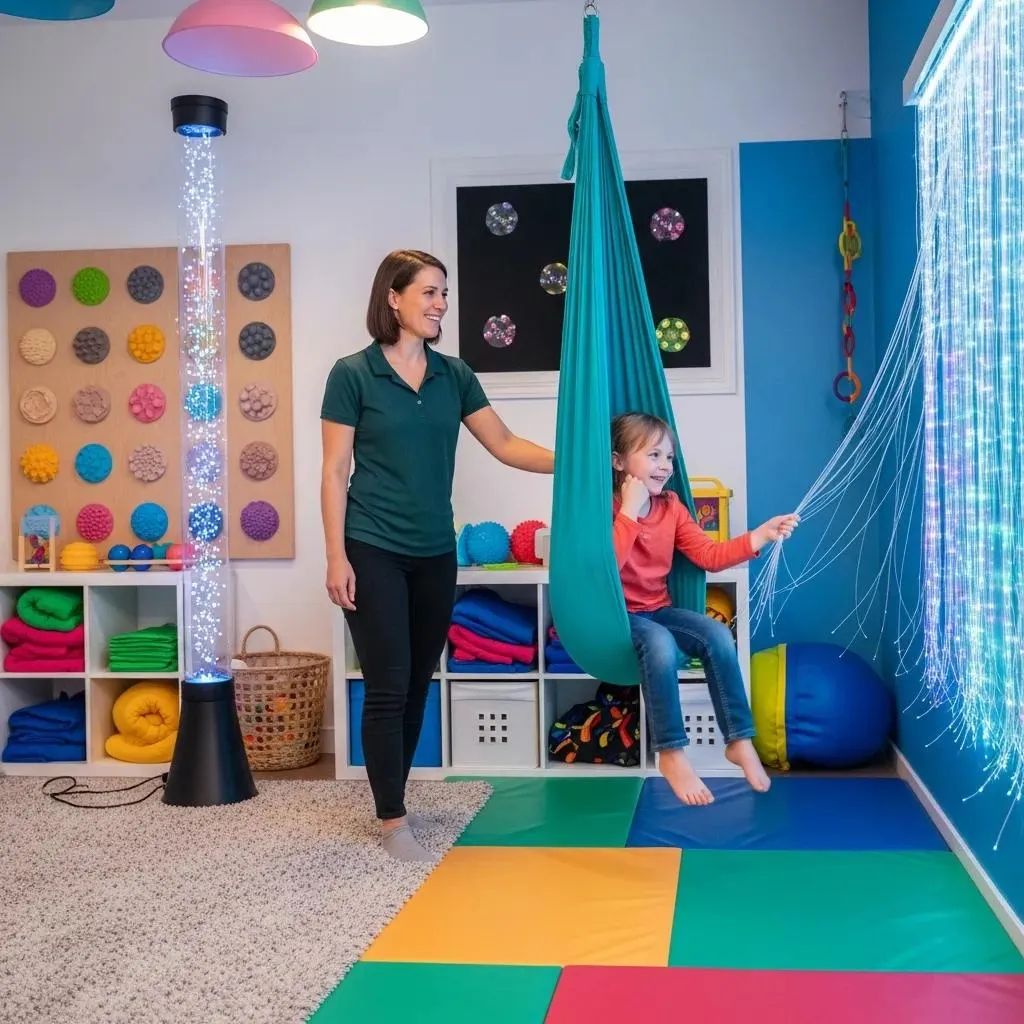

Many children struggle with handwriting because the small muscles in their hands need time and practice to get stronger. Parents can help by encouraging simple exercises at home that support these fine motor skills. With a bit of patience and consistency, these activities can make a big difference.
Key Takeaways
- Engage in upper limb resistance exercises to build strength and stability, improving handwriting control.
- Incorporate rhythmic motions in practice to enhance letter spacing and reduce irregular strokes.
- Practice fine motor activities daily for 15-20 minutes to develop the muscle memory necessary for proficient handwriting.
- Use visual and sensory feedback to refine letter formation and boost writing accuracy.
- Implement fun family challenges to motivate consistent handwriting practice and make it enjoyable.
Understanding Handwriting Fluency and Speed
Handwriting fluency and speed are vital components of effective written communication, impacting not only the legibility of text but also the writer’s general expression of ideas. Understanding the foundations of handwriting fluency involves mastering basic letter formation and spacing, which are crucial for achieving both accuracy and consistency. To develop fluency, individuals should engage in handwriting improvement exercises that begin with slow, deliberate practice, gradually increasing speed while maintaining legibility.
Incorporating rhythmic and flowing motions can reduce irregular strokes and spacing errors, while addressing common challenges such as hesitation and hand fatigue. Engaging in visual-motor training techniques can enhance coordination between visual observation and motor action. Continuous practice through repetitive exercises, like sentence copying and letter drills, ultimately builds the muscle memory necessary for a proficient handwriting experience.
Legible handwriting is essential for effective communication and can significantly boost writers’ confidence in their abilities.
The Role of Upper Limb Resistance Exercises
Engaging in upper limb resistance exercises plays a crucial role in enhancing the strength and stability required for effective handwriting. Strengthening larger muscle groups in the arms enhances shoulder mobility and stability, which are essential for maintaining a proper writing posture. Resistance activities, such as using stress balls and engaging in pulling and pushing tasks, enhance the inherent strength of the hand muscles, contributing to a steady writing grip and controlled movements.
Incorporating functional exercises, such as ball games or daily chores, not only builds upper body strength but also fosters coordination, which is crucial for fluid pen strokes. Moreover, repetitive resistance exercises promote neuromuscular efficiency, which has a marked impact ong handwriting ability. Ultimately, these exercises facilitate longer writing sessions with reduced fatigue, enabling individuals to express themselves more effectively through writing.
Additionally, hand strengthening activities enhance fine motor skills for various self-care tasks, which in turn support overall handwriting development. Engaging in activities like sponge play can significantly improve hand strength and coordination, which are essential for improved handwriting.
Coordination Exercises to Boost Writing Skills

Improving writing skills through structured coordination exercises presents a promising approach for participants aiming to enhance their penmanship. Research indicates that combining resistance and coordination activities leads to significant advancements in handwriting speed and quality. These exercises focus on fine motor control, directly impacting legibility and the fluidity of letter formation.
Programs that emphasize repetitive coordination drills can lead to measurable improvements in handwriting and increased endurance during writing tasks. Furthermore, integrating visual-motor coordination tasks enhances spatial orientation, thereby reducing errors in letter formation. Activities that promote precise finger movements further develop the crucial dexterity needed for effective pen control.
Ultimately, regular practice of these exercises not only mitigates writing-related fatigue but also equips persons with skills that transcend mere handwriting, creating a foundation for broader academic success. Notably, evidence from a recent study shows that a combined training protocol of resisted and coordination exercises has a beneficial effect on handwriting speed in children. Engaging in activities like sensory play can further enhance fine motor skills, which are essential for improved handwriting performance.
Sensory-Motor Interventions for Handwriting Improvement
Improvement in handwriting can be significantly enhanced by sensory-motor interventions, which complement coordination exercises by targeting the intricate interplay between sensory feedback and motor skills. These interventions play a crucial role in enhancing writing performance. For example, sensory feedback significantly improves the timing and quality of handwriting, resulting in more accurate letter formation and fewer errors.
Engaging various brain areas involved in handwriting, such as the frontal lobe, can further enhance motor planning and execution capabilities. A child’s ability to focus and maintain control over their handwriting movements can be significantly improved by addressing sensory processing difficulties.
| Intervention Type | Benefits | Duration/Frequency |
|---|---|---|
| Visual Feedback | Improves timing and pressure application | 30-60 min, 1-3 times/week |
| Tactile/Proprioceptive | Increases kinesthetic awareness | 4-12 weeks |
| Multi-Component Therapy | Integrates sensory, motor, and cognitive | Varies based on the person |
Incorporating these evidence-based strategies fosters practical handwriting improvements for those facing writing challenges.
Curriculum-Based Programs for Legibility and Speed

Numerous curriculum-based programs have demonstrated effectiveness in enhancing handwriting legibility and speed among students, particularly those in preschool through early elementary school age. Evidence suggests small to medium improvements in leD’Nealian with notable highlights on targeted approaches from programs such as Handwriting Without Tears and D’Nealian. These methods employ multisensory instruction and continuous stroke techniques to cater to diverse learning preferences and facilitate smoother transitions between manuscript and cursive writing.
While research lacks robust randomized controlled trials, the moderate evidence supports consistent outcomes, especially in legibility. Additionally, programs like Size Matters integrate writing with reading skills, fostering a thorough literacy approach. Altogether, these structured interventions provide valuable frameworks for educators dedicated to improving handwriting skills in young learners, with explicit handwriting instruction effectively connecting to foundational reading skills.
Engaging in activities that enhance fine motor skills can significantly support the development of handwriting proficiency.
Gross Motor Activities for Young Learners
Engaging in purposeful gross motor activities is crucial for young learners, as it lays the groundwork for practical handwriting skills. Activities such as swinging, crawling on various textures, and balance exercises enhance postural control, allowing children to stabilize their neck, shoulders, and trunk. This stability is essential for the precise finger movements required for writing.
Additionally, exercises that involve rolling and tummy time help develop coordination and muscle tone, which are necessary for motor planning. The interplay between gross and fine motor skills promotes better visual-motor integration, which directly influences handwriting legibility. Regular engagement in these activities not only fosters a well-aligned posture but also cultivates critical muscle strength, thereby optimizing handwriting development during these formative years.
Furthermore, good gross motor skills are essential for performing fine motor tasks, such as writing. Engaging in targeted play activities can significantly boost children’s fine motor skill development, leading to improved handwriting proficiency over time.
The Impact of Feedback on Handwriting Quality

The development of handwriting skills in young learners is greatly influenced by the type and quality of feedback they receive. Regular and constructive feedback improves writing fluency and elevates self-efficacy. Personalized feedback, in particular, fosters self-regulated learning, leading to improved writing outcomes.
Sensory feedback plays a crucial role in shaping letter formation, underscoring the importance of integrating various types of feedback. Additionally, visual feedback significantly contributes to updating information in the motor buffer memory, particularly during the formation of letters with repetitive strokes. Engaging in hands-on tasks helps reinforce the skills needed for effective handwriting.
| Feedback Type | Effect on Handwriting Quality | Key Benefit |
|---|---|---|
| Direct Corrective Feedback | Similar to Indirect Feedback | Immediate correction insights |
| Performance Feedback | Improves Fluency (g = 0.66) | Encourages sustained writing effort |
| Sensory Feedback | Improves Control and Consistency | Aids in correct letter formation |
Ultimately, effective feedback strategies are fundamental for nurturing handwriting proficiency.
Frequency and Consistency in Handwriting Practice
Consistently practicing handwriting is crucial for developing fine motor skills and improving writing quality. Regular and frequent practice solidifies muscle memory and encourages fluency. The following points highlight the significance of frequency and consistency:
- Daily sessions of 15-20 minutes are ideal for long-term progress.
- Spaced practice prevents skill decay and strengthens fine motor neural pathways. Engaging in fun family challenges can further motivate children to practice consistently.
- Consistency guarantees smoother writing during actual tasks.
- Tailored frequency can address personal needs across different age groups.
Cognitive Strategies to Enhance Writing Techniques

Numerous cognitive strategies can significantly enhance handwriting techniques, thereby offering a more effective writing process. Key elements such as planning, memory, attention, and sensory perception play vital roles. Improved focus on visual information allows for accurate letter formation, while self-evaluation techniques encourage learners to monitor and correct their writing.
Memory aids, including rehearsal and mnemonic devices, enhance the recall of letter shapes, thereby supporting fluency and automaticity in reading. Furthermore, targeted training to sustain attention during writing sessions improves consistency. Metacognitive practices promote ownership of learning, as students reflect on deviations and adjust accordingly.
Engaging in handwriting, as opposed to typing, activates broader cognitive networks, which reinforces memory retention and promotes a more profound understanding, thereby amplifying the importance of these cognitive strategies in handwriting improvement efforts. Additionally, mastery of fine motor skills enhances writing accuracy and control, which is essential for effective handwriting.
Innovative Approaches to Handwriting Reinforcement
While traditional methods of handwriting instruction remain valuable, groundbreaking approaches to reinforcement are emerging that improve the efficacy of these techniques. These creative methods are tailored to enhance writing fluency and promote sustained practice in learners. Key strategies include:
- Sensory-motor interventions that engage kinesthetic pathways for letter formation.
- Positive reinforcement techniques, such as praise and rewards, motivate skill acquisition.
- Integration of technology, such as interactive apps that provide real-time feedback on writing techniques.
- Customizable reinforcement schedules that align with personal handwriting goals to foster autonomy.
Implementing these approaches can create a supportive learning environment, enabling educators to help students develop effective and lasting handwriting skills. This thoughtful method emphasizes a personalized experience for every learner. Additionally, incorporating fine motor skills activities into daily routines can further enhance the development of writing abilities.
Frequently Asked Questions
How Can I Tell if My Child Needs Handwriting Improvement?
To determine if a child needs handwriting improvement, observe their letter formation consistency, spacing, speed, and general legibility. Behavioral signs, such as avoidance or frustration, along with developmental milestones, may indicate the need for targeted interventions.
Are There Specific Exercises for Left-Handed Children?
Specific exercises for left-handed children focus on developing proper grip, motor control, and comfortable positioning. Incorporating tracing, structured copying, and spatial orientation techniques helps foster practical handwriting skills while preventing discomfort and enhancing general writing fluency.
What Age Is Best to Start Handwriting Interventions?
Determining the ideal age for handwriting interventions is critical; research indicates that ages 6 to 8 offer significant sensory integration capabilities, enabling effective instruction and yielding measurable improvements in legibility and writing speed.
Please suggest tips to enhance handwriting that I can use today?
Try having your child draw shapes in shaving cream or trace letters in sand to engage multiple senses while building hand strength. These playful methods make writing practice fun and effective.
How Should I Choose a Handwriting Program for My Child?
When selecting a handwriting program for a child, it is crucial to prioritize multisensory strategies, developmentally suitable styles, interactive tools, progress tracking, and credible curricula, ensuring that the chosen program aligns with the child’s personal needs and fosters engagement.
Conclusion
Helping your child with handwriting doesn’t have to be complicated or overwhelming. Small changes, such as practicing significant arm movements on a vertical surface (like drawing on a chalkboard or easel), can help strengthen shoulder stability—an essential foundation for good writing. These larger motions help support the more minor, more detailed work of forming letters on paper.
Every child progresses at their own pace, but playful and conscious practice can turn frustration into confidence. With encouragement and the right strategies, progress often occurs more quickly than expected.
If you’re unsure about how to support your child’s writing progress at home, a pediatric occupational therapist near you can provide guidance. They offer personalized advice and handwriting tips that match your child’s unique challenges and strengths.
References
- https://journals.lww.com/ijpt/fulltext/2022/04010/role_of_exercise_prescription_to_improve.11.aspx
- https://www.frontiersin.org/journals/psychology/articles/10.3389/fpsyg.2022.841573/full
- https://pmc.ncbi.nlm.nih.gov/articles/PMC5915229/
- https://pmc.ncbi.nlm.nih.gov/articles/PMC10378357/
- https://www.ldatschool.ca/literacy-skills-handwriting/
- https://ptkids.co.uk/best-strategies-on-how-to-increase-handwriting-speed-occupational-therapy/
- https://sipabacus.com/in/blog/boosting-writing-speed-strategies-for-effective-learning/
- https://dynamilis.com/handwriting/fundamentals/speed-and-fluency
- https://www.theottoolbox.com/tips-for-legible-handwriting/
- https://www.shanahanonliteracy.com/blog/how-to-teach-writing-fluency