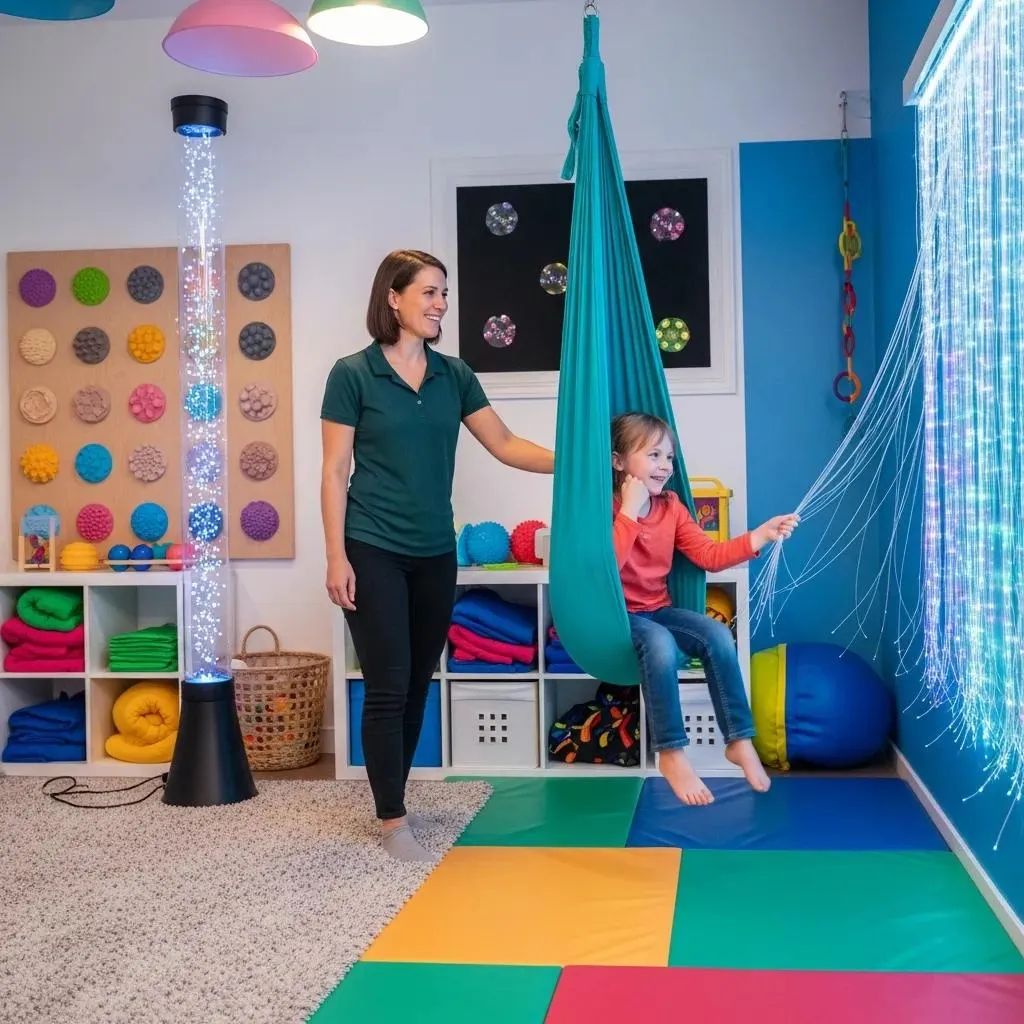

Finding autism therapy early can make a big difference in a child’s development. When parents are finding autism therapy options, they often feel unsure or worried about what to do next. Early identification and timely support give children the best chance to learn new skills and grow with confidence.
Many families also search for “occupational therapy near me” because they want care that feels close, comfortable, and easy to reach. DIRFloortime is a research-based, child-led, playful approach that helps children learn through warm and engaging interactions. Therapists use meaningful moments and fun activities to support communication, social skills, and emotional growth.
DIRFloortime is popular for several reasons. First, it meets each child at their own developmental level, like joining a child in their favorite activity to encourage connection. Second, it supports sensory and emotional needs, helping children stay calm and focused. Third, it teaches families simple strategies they can use at home—and there are even more reasons families choose this approach as they see their child begin to grow and connect in new ways.
Key Takeaways
- Look for qualified staff with specialized training in autism interventions and sensory integration at the OT service.
- Ensure the center uses evidence-based practices to foster measurable improvements in communication and social skills.
- Choose facilities that offer a variety of therapy types, including sensory integration therapy and social skills training.
- Verify that the center provides structured, sensory-rich environments conducive to engagement and regulation.
- Check for strong community resources, opportunities for parent involvement, and financial assistance options to support therapy access.
Understanding the Basics of Autism Therapy
Autism therapy plays a crucial role in enhancing the lives of persons diagnosed with Autism Spectrum Disorder (ASD). The primary aim of this therapy is to develop vital skills, including communication, social interaction, and daily living capabilities, thereby fostering independence. Tailored to each child’s distinct needs, autism therapy in Tampa utilizes multimodal approaches to address the complexities of ASD.
Practical strategies, such as Applied Behavior Analysis (ABA), speech therapy, and occupational therapy, focus on both behavioral modification and adaptive skills. Customized treatment plans, grounded in thorough assessments, guarantee each child receives the most beneficial support. By engaging families and fostering collaboration among therapists, the therapeutic process becomes a shared expedition towards achieving the child’s fullest potential.
Community participation is crucial in ensuring that progress is accurately measured throughout the therapy process. Early diagnosis and intervention are vital for maximizing their benefits and ensuring that children begin receiving support as soon as possible.
Importance of Evidence-Based Practices
In the pursuit of effective autism therapy, the adoption of Evidence-Based Practices (EBPs) is a significant component of care. EBPs are rigorously researched interventions proven to yield positive outcomes for persons with autism. When seeking occupational therapy near me, families are encouraged to prioritize centers that utilize these established methods for their ability to improve sensory integration, fine motor skills, and daily living activities.
By focusing on tailored evaluations and early interventions, EBPs guarantee that therapies address both core symptoms and relevant life skills. Moreover, implementing EBPs fosters measurable improvements in communication and social integration, enabling children with autism to achieve greater independence and a higher quality of life. Choosing EBPs improves outcomes for individuals with autism, making it essential for parents to assess the approaches offered by OT centers thoroughly.
Consequently, selecting an OT center committed to EBPs is vital for meaningful progress. Understanding the diversity of ASD ensures that interventions are personalized to meet each child’s unique needs. Additionally, the use of tailored sensory processing plans can significantly enhance a child’s interaction with their environment and overall therapeutic experience.
Key Features of Quality Occupational Therapy Centers

Selecting an occupational therapy center that prioritizes quality care involves understanding the key features that contribute to effective treatment for children on the autism spectrum. Quality pediatric occupational therapy in Tampa is characterized by qualified staff with specialized training in autism interventions and sensory integration techniques. Thorough assessments guide personalized treatment plans, ensuring they address each child’s distinctive strengths and challenges.
A structured, sensory-rich environment improves engagement while promoting regulation, both of which are essential for addressing developmental delays. Additionally, active family involvement is pivotal, as it fosters continuity of care and equips parents with crucial strategies. Ultimately, effective centers integrate occupational therapy with other therapeutic services, ensuring coordinated care for holistic support and best development for children with ASD.
Furthermore, the use of evidence-based practices in treatment ensures that techniques and interventions are scientifically validated to enhance outcomes for children. A focus on self-regulation strategies is also essential, as it helps children manage impulsivity and improves their overall engagement in therapeutic activities.
Community Resources and Support for Families
Navigating autism support in Tampa Bay means exploring a range of community resources that can guide families through each step of their journey. Many groups and local programs offer opportunities for parents to share experiences, learn new strategies, and feel supported by others who understand their challenges. These connections help families feel less alone and more confident as they make decisions about their child’s care.
Local pediatric occupational therapy centers also play an important role by offering child-led approaches that prioritize family involvement. Many children respond well to DIRFloortime because it feels natural, playful, and focused on building meaningful relationships. The methods used in DIRFloortime are easily transferable, allowing families to use the same strategies at home and educators to use them in classroom routines.
Families can also benefit from workshops, online communities, and informational sessions that explain how to support communication, sensory needs, and emotional growth. These resources help parents build predictable routines that reinforce the progress their child makes in therapy. By combining community support with consistent strategies at home and school, families can create an encouraging environment that helps their child thrive.
Navigating Accessibility and Insurance Options

Families navigating the complex landscape of accessibility and insurance for autism therapy in Tampa and Brandon often begin by understanding what their health plans cover. Many insurance policies include therapies like occupational therapy and speech therapy that use highly effective methods such as DIRFloortime—a child-led, relationship-based approach—and ABA, both explicitly designed to support children with autism. Because coverage rules vary, families may encounter prior authorizations or session limits, so it’s important to ask detailed questions early.
Therapy centers offer flexible settings—including in-clinic visits, home-based care, and telehealth—to make therapy more accessible for busy families. Many providers use research-supported methods tailored to each child’s unique developmental and sensory needs. Early diagnosis and timely intervention significantly improve the effectiveness of these therapies, helping children make steady progress.
Families can also explore financial resources, such as state programs and local grants, to help reduce costs. Confirming insurance network status, coverage details, and any co-pays ensures families select the best fit for their child’s needs. Taking these careful steps helps parents secure the proper support while managing expenses.
Frequently Asked Questions
Finding Autism Therapy: What Should Parents Look For?
Parents often begin by exploring programs that offer individualized plans, sensory-informed approaches, and strong parent collaboration.
Families should look for licensed therapists experienced with autism, child-led models like DIRFloortime, and a warm, engaging environment that supports comfort and connection.
How Does Occupational Therapy Support My Child?
Occupational therapy helps children build practical daily skills, improve sensory regulation, and enhance emotional and social engagement.
With consistent support, children gain confidence in navigating routines, interactions, and communication through meaningful, play-based experiences.
Is DIRFloortime a Research-Based Approach for Autism?
Yes—DIRFloortime is a research-supported, evidence-based model widely used to improve emotional regulation, communication, and developmental progress in children with autism.
Studies show that its child-led, relationship-based framework strengthens core capacities for thinking, social connection, and flexible problem-solving.
How Can I Identify if My Child Needs Therapy?
To determine whether a child needs therapy, one should observe developmental milestones, including social engagement, communication skills, and sensory responses. Delays or atypical behaviors may indicate the necessity for early intervention and professional evaluation.
What Age Should Therapy Start for Children With Autism?
Therapy for children with autism ideally starts before age four, with intervention between ages two and six proving most effective. Early support leverages brain plasticity to enhance language, social, and adaptive skills, leading to better long-term outcomes.
How Long Will Therapy Sessions Usually Last?
Therapy sessions typically last 30 to 60 minutes, depending on the individual’s needs and the session’s duration. Adjustments were made to ensure dry conditions, foster engagement, and support skill development, while maintaining sensitivity to each child’s distinct learning needs.
Are There Group Therapy Options Available for Social Skills?
Yes, numerous centers in Tampa offer group therapy for social skills development, catering to diverse age groups and specializing in tailored programs to improve peer interaction and communication, fostering vital social skills within supportive environments.
What Qualifications Should I Look for in an OT Therapist?
Vital qualifications for an OT therapist include a Master’s degree or higher in occupational therapy, state licensure, experience with autism, proficiency in sensory integration, and strong communication skills to foster family collaboration and engagement.
Conclusion
Supporting a child with autism is a journey filled with important decisions, and choosing the right therapy can bring clarity and hope. When families begin finding autism therapy, they often look for approaches that genuinely make a difference in daily life. Effective, early support can help children grow, communicate, and build skills that last a lifetime.
Many children enjoy DIRFloortime because it feels less like strict therapy and more like playing with someone who understands them. The sessions are warm, flexible, and centered on activities the child already loves, helping them feel comfortable and excited to join in. As they play, they build real connections that make learning feel natural, safe, and fun.
Families often see positive changes when therapy focuses on connection and communication. Children learn to express themselves, engage with others, and feel more confident in everyday moments. If you would like to learn more about DIRFloortime or talk with someone about your child’s specific concerns, contact Skill Point Therapy. We’re here to help—just reach out anytime to begin the conversation.
References
- https://www.skillpointtherapy.com/autism-therapy-services/
- https://skillpointtherapy.com/children-with-autism/
- https://myfavoritetherapists.com/tampa-center/
- https://www.skillpointtherapy.com/therapy-in-tampa-brandon/
- https://successonthespectrum.com/location/carrollwood/
- https://www.littleraysaba.com/blog/autism-treatment-centers-in-florida
- https://www.psychologytoday.com/us/treatment-rehab/fl/tampa?category=autism
- https://abacentersfl.com/sitemap/
- https://aactampa.org/services/occupational-therapy/
- https://www.skillpointtherapy.com/children-with-autism/