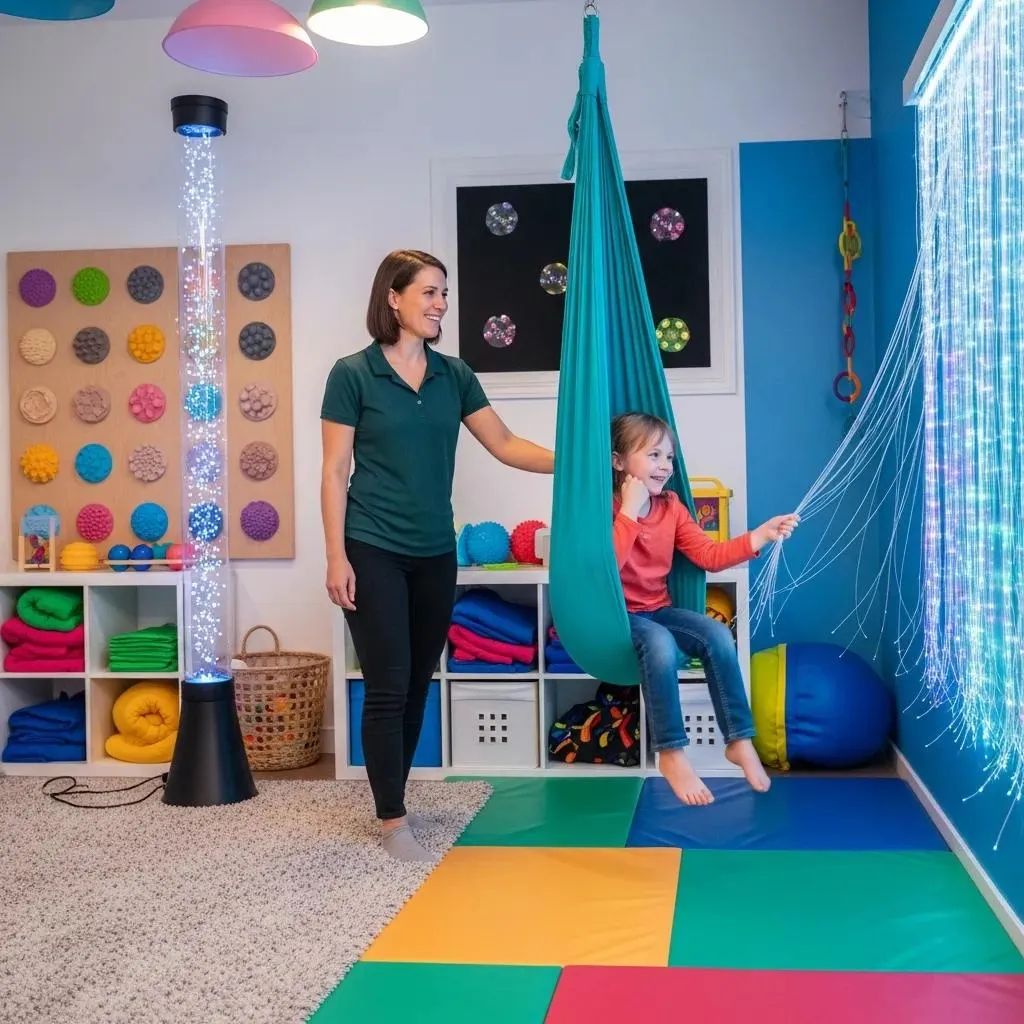
Effective listening is a foundational competency that materially influences a child’s learning outcomes and interpersonal communication. Instruction in listening supports academic performance and improves interactions with peers and caregivers. This article examines evidence-based strategies and activities to strengthen children’s listening skills. Parents commonly observe difficulties with following directions or sustaining conversational engagement; with appropriate techniques and professional support, these issues can be addressed. The content reviews indicators that a child may require support, the role of DIRFloortime in promoting listening, practical activities, the benefits of speech and occupational therapy, and guidance on scheduling a pediatric therapy evaluation.
Identification of indicators that a child requires support is the initial step in targeted intervention. Common signs include difficulty comprehending verbal instructions, limited sustained attention, and repeated requests for clarification. Early identification enables timely assessment and intervention that can improve receptive listening and responsive behavior.
- Difficulty Understanding Instructions: Children may struggle to follow multi-step directions, indicating a need for support in processing auditory information.
- Short Attention Span: A child who frequently loses focus during conversations or activities may benefit from targeted listening exercises.
- Frequent Clarification Requests: If a child often asks for instructions to be repeated, it may signal underlying listening difficulties that require attention.
These indicators help parents and educators determine when to seek specialized assessment or intervention for a child’s listening development.

DIRFloortime is a therapeutic model that emphasizes emotional and relational development to support listening and communication. The child-centered methodology promotes spontaneous communicative behaviors and integrated developmental progress. Through structured play and meaningful interaction, DIRFloortime establishes conditions conducive to the acquisition and refinement of listening skills.
The DIRFloortime model is founded on core principles designed to support developmental progression in children:
- Understanding Developmental Levels: Therapists assess a child’s current developmental stage to tailor interactions that promote growth.
- Fostering Relationship-Based Learning: By building strong emotional connections, children are more likely to engage and listen actively during interactions.
Collectively, these principles form a structured framework that facilitates the development of listening competencies within a relationship-based therapeutic context.
Empirical studies report improvements in listening and communication among children who receive DIRFloortime intervention. Participants commonly demonstrate increased communicative initiation and greater engagement in conversational exchanges. The child-centered focus supports both receptive listening skills and broader exploratory learning behaviors.
Structured activities can effectively develop children’s listening skills while supporting educational objectives. The following practices are suitable for implementation by parents and educators:
- Encouraging Active Listening: Activities like “Simon Says” require children to listen carefully and follow instructions, reinforcing their ability to process auditory information.
- Teaching Empathetic Listening: Role-playing scenarios where children practice listening to their peers’ feelings can help them develop empathy and understanding.
- Storytelling Sessions: Reading stories aloud and asking questions about the plot encourages children to listen attentively and think critically about the content.
These practices advance auditory processing and receptive skills while also supporting social interaction and affective understanding.
Supporting evidence underscores the importance of adults recognizing children as active listeners and incorporating diverse listening activities into instructional contexts.
Integrating Active Listening Activities for Children
Adults must recognize children’s listening capacities and integrate active listening activities into instruction. — Promoting Active Listening in the Classroom (1995)

Speech-language and pediatric occupational therapies provide targeted interventions to address specific listening deficits. Such interventions support improved communication outcomes and social participation.
Speech-language therapy yields multiple benefits for children with listening and communicative difficulties:
- Improved Communication Skills: Through tailored exercises, children learn to articulate their thoughts and respond appropriately in conversations.
- Cognitive and Academic Benefits: Enhanced listening skills contribute to better academic performance, as children can follow instructions and engage in classroom discussions more effectively.
Pediatric occupational therapy targets functional skills for daily living, including sensory and auditory processing. Clinical techniques applied in occupational therapy may enhance auditory discrimination and integration:
- Sensory Integration Techniques: These methods help children process sensory input more effectively, which can include auditory information, leading to improved listening skills.
- Personalized Treatment Plans: Therapists create individualized plans that address each child’s unique challenges, ensuring targeted support for listening development.
Arranging a pediatric therapy evaluation is recommended when concerns arise regarding a child’s listening abilities. Familiarity with the evaluation process can reduce uncertainty and facilitate timely access to services.
To request an evaluation at SkillPoint Therapy, parents should follow these procedural steps:
- Contact Information: Reach out to SkillPoint Therapy to discuss concerns and inquire about available services.
- Discussion of Service Options: During the initial contact, parents can learn about the available therapy options and how each can benefit their child.
Therapy sessions are conducted in a structured clinical environment where children participate in activities designed to improve listening and communication. Typical components include:
- Assessment Process: Therapists will evaluate the child’s current abilities and identify areas for improvement.
- Activities Involved: Sessions may include interactive games, storytelling, and exercises that promote active listening and communication.
Understanding the evaluation sequence and session structure enables parents to support intervention adherence and reinforce skill generalization outside the clinic.
Listening development begins in infancy through caregiver interactions such as reading aloud, singing, and simple conversational exchanges. By age three, children should be able to follow basic instructions and participate in interactive listening activities. Progressive introduction of more complex listening tasks supports comprehension and expressive responses. Early identification and intervention improve long-term outcomes for listening development.
Parents can reinforce listening by structuring the home environment to minimize distractions, using clear, concise instructions, and modeling effective listening behaviors. Implementing activities such as storytelling, targeted listening games, and open-ended questioning supports receptive and expressive skills. Positive reinforcement for demonstrated listening behaviors and consistent practice contribute to sustained progress.
Several structured games effectively train listening skills. For example, “Simon Says” trains auditory discrimination for instruction-following; “I Spy” supports focused auditory attention; and storytelling tasks that require retelling or answering comprehension questions enhance recall and inference. Music and rhythm exercises also strengthen temporal auditory processing. These activities integrate skill practice within engaging formats.
Educational technology can supplement listening development through interactive applications that target auditory processing, comprehension, and language acquisition. Audiobooks and child-appropriate podcasts expose children to a variety of narrative structures and vocabulary. It is advisable to balance digital media with in-person interactions to ensure the transfer of listening skills across contexts.
Teachers can promote listening by implementing structured activities such as group discussions, listening circles, and interactive storytelling to elicit active listening. Clear directives and visual supports improve information processing. Establishing classroom norms that value respectful listening fosters a culture of communication conducive to skill development.
Robust listening skills confer long-term advantages, including enhanced academic achievement, improved interpersonal functioning, and greater socio-emotional competence. Effective listeners demonstrate superior information retention and comprehension, which supports academic success and relational empathy. These competencies underpin effective communication across personal and professional domains.
Instruction in effective listening is fundamental to academic attainment and social development. Identification of difficulties combined with interventions such as DIRFloortime and targeted skill practice can measurably improve communicative function. Investment in listening competencies supports relational outcomes and lifelong learning. Consult available resources and professional services to support a child’s continued progress.