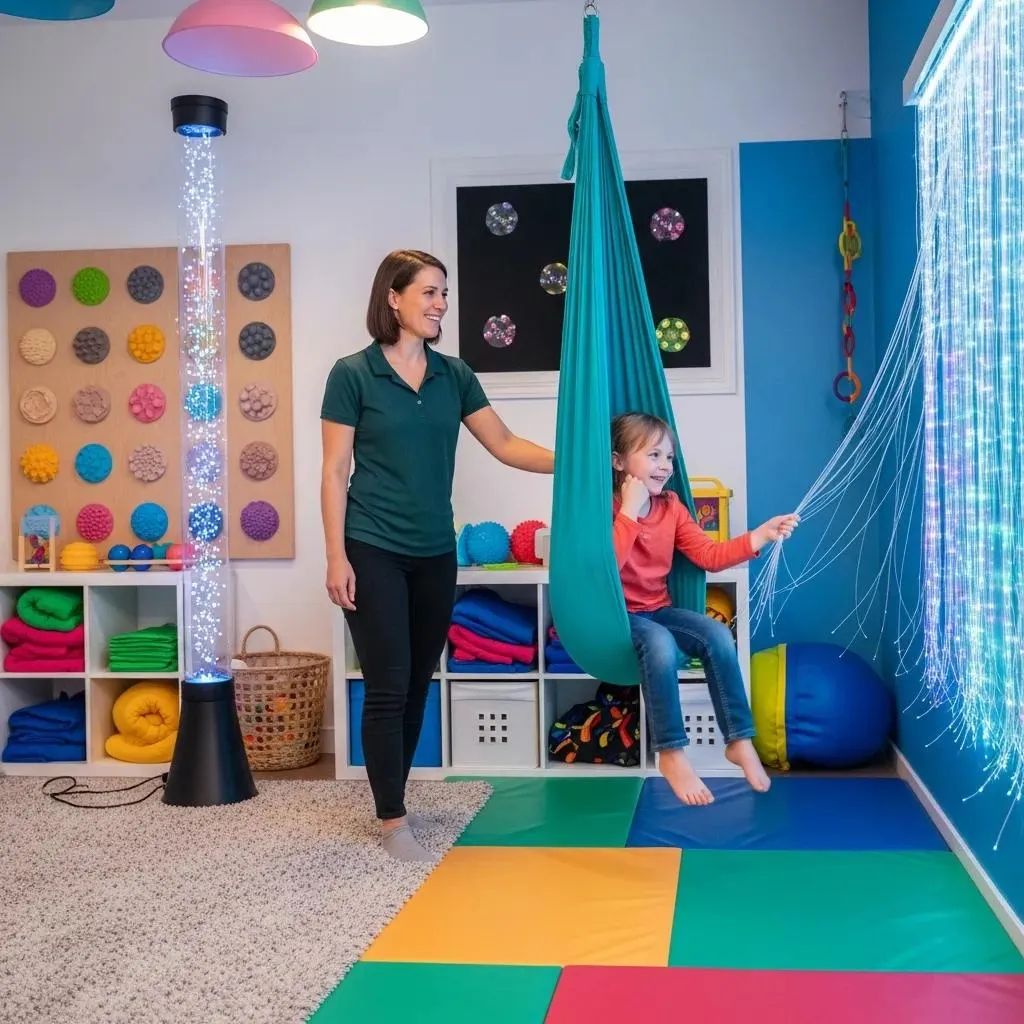

Local occupational therapy services for kids are designed to help children build the skills they need to succeed in daily life. At Skill Point Therapy in Tampa and Brandon, we utilize the child-led DIRFloortime model, which transforms therapy into playful and meaningful interactions. This approach makes it easier for children to stay engaged while practicing essential skills.
Pediatric occupational therapy is highly effective because it focuses on each child’s unique strengths and challenges, tailoring interventions to meet their individual needs and address their specific needs. For example, a child who struggles with buttoning clothes can work on fine motor skills through fun games like stringing beads. Another child may improve sensory processing by exploring different textures in a safe and playful setting.
Research shows that nearly 80% of children who receive occupational therapy demonstrate improvements in independence and confidence. By searching for “occupational therapy near me,” families can find services that are both convenient and tailored to their needs. With local occupational therapy, parents also benefit from working closely with therapists who understand their community and can guide them every step of the way.
Key Takeaways
- Pediatric occupational therapy focuses on enhancing daily living skills, independence, and overall well-being for children with various developmental challenges.
- Services include personalized therapy plans that utilize play therapy and skill-building exercises to improve fine and gross motor skills.
- School-based occupational therapy supports students through direct, classroom-integrated treatment, promoting collaboration between therapists and educators.
- Caregiver involvement is crucial, as it builds trust and confidence, thereby enhancing children’s therapy outcomes and facilitating the effective implementation of techniques at home.
- Access challenges, including transportation, socioeconomic factors, and limitations in telehealth services, can impact a child’s engagement with occupational therapy.
Overview of Pediatric Occupational Therapy
Pediatric occupational therapy (OT) is a significant healthcare profession dedicated to helping children develop essential skills that promote independence and functional living. Local occupational therapy services for kids address a range of physical, mental, and developmental challenges faced by children, including sensory processing disorders, autism spectrum disorder, and developmental delays. By utilizing personalized therapy plans, pediatric OT incorporates play therapy, skill-building exercises, and assistive devices to improve children’s fine motor, gross motor, and social skills.
This therapy not only fosters a child’s physical capabilities but also supports overall physical development and coordination, facilitating comprehensive well-being. Through compassionate care and tailored interventions, pediatric occupational therapists strive to help children reach their full potential in daily activities and interactions, particularly by enhancing their sensory processing capabilities.
Common Goals and Skills Addressed
In pediatric occupational therapy, the primary goals focus on enhancing participation in daily activities, developing crucial motor and social skills, and fostering independence in self-care routines. These objectives are tailored to meet each child’s distinct needs, promoting both functional capabilities and affective growth. By addressing these key areas, therapists help children navigate their environments more confidently and competently.
Additionally, improving fine motor skills is essential, as it influences a child’s ability to perform activities such as writing and using utensils effectively. Furthermore, implementing a sensory diet can significantly enhance a child’s sensory processing and overall functioning.
Enhancing Daily Activity Participation
While children navigate the crucial activities of daily living (ADLs), occupational therapy plays a key role in enhancing their participation and independence. Pediatric occupational therapists target specific goals to support children’s self-care abilities and general functioning. Key areas include:
- Skill Development: Fostering independence in dressing, eating, and grooming through tailored interventions. Engaging in movement breaks can also help improve focus and energy levels, leading to better participation in these activities. Furthermore, incorporating deep-pressure activities can promote emotional stability and self-regulation.
- Support Strategies: Implementing cognitive tools like checklists and timers to improve planning and organization.
- Sensory Integration: Utilizing techniques to help children regulate sensory responses, thereby reducing distractions and improving engagement.
These approaches facilitate children’s ability to perform daily tasks confidently, promote self-esteem, and enable families to integrate critical skills into their daily routines, thereby enhancing overall well-being.
Developing Motor and Social Skills
The effective development of motor and social skills is crucial for children’s comprehensive growth and success in daily activities. Occupational therapy (OT) focuses on enhancing fine motor skills through targeted activities that strengthen hand and finger muscles, as well as improve visual-motor coordination. Engaging exercises, such as squeezing therapy putty and tracing shapes, can foster dexterity, refined control, and effective planning for complex tasks.
Sensory play activities can also enhance sensory integration, a crucial aspect for improving coordination and emotional regulation. Fine motor skills are necessary for self-care tasks, such as buttoning shirts and using utensils, further emphasizing their importance in daily routines. Social skills are also addressed through cooperative group activities that encourage interaction and collaborative play.
By integrating motor tasks with social engagement, therapists help children build confidence and enhance their participation in various environments. Altogether, pediatric OT fosters vital skills that promote independence and help children thrive in their everyday lives.
Fostering Independence and Self-Care
Fostering independence and self-care is essential for children’s development, equipping them with the significant skills needed for daily life. Occupational therapy services focus on a variety of goals to promote this independence, including:
- Self-Care Tasks: Instruction in dressing, grooming, and hygiene enhances confidence and self-esteem. Engaging in these activities also develops essential life skills that children will utilize throughout their lives. Additionally, understanding sensory needs can help tailor self-care activities to be more comfortable and manageable for each child.
- Executive Functioning: Developing planning and multitasking abilities helps children navigate their routines more effectively.
- Fine Motor Skills: Strengthening hand dexterity and coordination allows children to perform daily tasks independently.
Through structured activities and supportive environments, therapists help children manage their self-care needs, thereby enhancing both autonomy and overall well-being. By recognizing small achievements, parents and caregivers can play a significant role in reinforcing these skills at home.
School-Based Occupational Therapy Practices
Recognizing the importance of holistic approaches in education, school-based occupational therapy practices play an essential role in supporting students’ diverse needs. These practices often emphasize direct therapy tailored to specific students, focusing on areas such as sensory processing and fine motor skills. The trend is shifting towards inclusive, classroom-based therapy, integrating therapeutic strategies within the natural school environment.
Collaboration between occupational therapists and educators is vital but varies markedly, with many teachers feeling the need for more frequent consultation. Evidence-based practices continue to gain traction, with schools emphasizing data-driven approaches to measure outcomes. The integration of therapy into the classroom environment reduces stigma and helps foster overall student participation, thereby enhancing the educational experience for all children.
Ongoing professional development for therapists is crucial in addressing the unique demands of school settings, thereby ensuring adequate support for children’s academic and psychological well-being. Additionally, understanding the full range of senses involved in sensory processing can enhance the effectiveness of therapy in school environments.
Early Intervention Services for Young Children

Early intervention services play a crucial role in supporting the developmental needs of young children, as early identification and tailored strategies can lead to substantial progress. Personalized Family Service Plans (IFSPs) ensure that the distinct needs of each child and their family are met, promoting engagement and participation in meaningful activities. Furthermore, caregiver involvement strategies encourage parents to actively participate in their child’s therapy actively, thereby enhancing the impact of interventions on everyday life.
This collaborative approach ensures that families can access essential support early, preventing potential delays in development. Moreover, play-based therapy techniques can be effectively integrated into early intervention services, promoting cognitive and emotional growth while engaging children in meaningful and enjoyable ways.
Importance of Early Intervention
While many parents strive to support their child’s development, the importance of Early Intervention Services cannot be overstated for infants and toddlers who are experiencing developmental delays. These services provide critical support that can significantly influence a child’s developmental trajectory. Beneficial aspects of Early Intervention include:
- Enhanced Participation: Promoting involvement in daily routines such as play, education, and social interactions.
- Interdisciplinary Approach: Utilizing a team of professionals, including occupational and speech therapists, to address diverse needs thoroughly.
- Family Empowerment: Strengthening family capacity to nurture and support their child’s growth within natural environments.
The positive outcomes from Early Intervention underscore its crucial role in addressing developmental challenges early, thereby laying the foundation for improved long-term growth and well-being in children. Additionally, early identification of Sensory Processing Disorders can lead to tailored intervention strategies that significantly improve a child’s ability to engage with their surroundings.
Individualized Family Service Plans
Tailored Family Service Plans (IFSPs) play a crucial role in providing customized support to young children with developmental delays and their families. These thorough documents outline a child’s current developmental levels across various domains, incorporating family resources, priorities, and concerns. An IFSP team, which includes parents and professionals, collaborates to establish measurable goals and identify necessary early intervention services.
Legal mandates ensure that these plans are created promptly and that services commence within specified timeframes, thereby fostering timely support for the child. Moreover, IFSPs address the critical shift to preschool or other services, guaranteeing continuity of care. Sensory processing difficulties can significantly affect a child’s overall development and daily functioning. In summary, IFSPs are fundamental in promoting effective early intervention and enhancing children’s developmental outcomes. Service coordination is essential for the successful implementation of the IFSP framework.
Caregiver Involvement Strategies
Effective caregiver involvement strategies play a crucial role in improving young children’s developmental outcomes within early intervention services. Engaging caregivers through diverse methods fosters trust, communication, and active participation. Key strategies include:
- Building Trust: Establishing open, trust-based relationships encourages caregivers to share concerns and goals.
- Caregiver Education: Direct teaching of therapeutic techniques enables caregivers to integrate strategies into their daily routines.
- Collaborative Coaching: Shifting to family-led interventions boosts caregivers’ confidence and innovation in problem-solving.
Service Delivery Models and Dosage Insights

When considering the landscape of pediatric occupational therapy, service delivery models and therapy dosage play crucial roles in ensuring that interventions are both practical and respectful of each child’s unique needs. Family-centered and routine-based approaches are prevalent, promoting collaboration and integrating therapy into daily activities. Service providers may operate as primary therapists or as part of interdisciplinary teams, emphasizing a tailored and thorough approach to care.
The dosage of treatment varies widely, aligning with the specific needs of each child, often favoring shorter, more frequent sessions in natural settings. Active family involvement enhances practice between sessions, promoting advocacy and facilitating effective care. Ultimately, implementing flexible and integrated service models facilitates a child’s developmental path by creating meaningful and impactful therapeutic experiences that are both beneficial and impactful.
Funding and Eligibility for Services
Funding and eligibility for pediatric occupational therapy services are crucial components that families frequently navigate in their quest to secure appropriate care for their children. Numerous programs and criteria exist to assist families:
- Early Intervention (EI) Programs: Federally supported services for children aged 0-3, with no denial based on inability to pay.
- Medicaid Coverage: Mandatory assistance for children aged 0-21, with eligibility tied to family income and state regulations.
- Scholarships and Grants: Sources like the Family Empowerment Scholarship and ACT Today offer funding based on specific eligibility criteria.
Access Factors and Barriers to Care

Access to pediatric occupational therapy services can be significantly hindered by multiple factors that families encounter, often creating barriers that prevent children from receiving the necessary care. Transportation challenges, such as a lack of private vehicles or inadequate public transportation, impede attendance at appointments. Moreover, low awareness regarding occupational therapy services and misconceptions about costs limit family engagement, particularly among disadvantaged groups.
Long waitlists and a shortage of therapists exacerbate these issues, delaying critical assessments and interventions. Socioeconomic factors, including financial constraints and cultural backgrounds, can also negatively impact access to healthcare. Furthermore, while telehealth offers potential solutions, limitations in digital access and engagement may prevent families from fully reaping the benefits of these services.
Addressing these barriers is crucial to guarantee equitable access to care.
The Importance of Caregiver Involvement
Addressing the barriers to pediatric occupational therapy services highlights the significant role that caregivers play in the therapeutic process. Their involvement is essential for several reasons:
- Enhanced Outcomes: Actively participating in therapy improves children’s adaptive behavior, communication, and social skills.
- Community Participation: Caregivers support their child’s involvement in community activities, promoting social integration and psychological development.
- Collaborative Care Planning: Caregiver insights are fundamental in creating tailored interventions, ensuring more effective care plans.
Moreover, engaging caregivers leads to reduced stress and increased self-efficacy, fostering a supportive environment for both the child and caregiver. Building therapeutic relationships strengthens families, enhancing long-term engagement in the therapeutic experience and ultimately contributing to better comprehensive outcomes for the child.
Frequently Asked Questions
What Makes Local Occupational Therapy Different?
Local occupational therapy offers personalized care close to home, making it easier for families to access consistent support. By choosing nearby services, parents can stay more involved in their child’s progress while building a strong connection with therapists who understand their community.
How Do I Know if My Child Needs Occupational Therapy?
Indicators that a child may need occupational therapy include struggles with fine and gross motor skills, challenges in daily activities, social difficulties, and sensory processing issues. A professional assessment can provide clarity and guidance for effective intervention.
What Should I Expect During an Occupational Therapy Session?
During an occupational therapy session, one should expect engaging activities that feel less like work and more like play—while therapists skillfully target crucial progress, promoting transformation, one fun-filled moment at a time.
Can Occupational Therapy Help Children With Autism?
Occupational therapy can significantly benefit children with autism by enhancing sensory processing, improving motor skills, and fostering social communication. Tailored interventions enable these children to promote independence and meaningful engagement in daily activities and interpersonal relationships.
How Long Does Occupational Therapy Typically Last for Children?
The length of occupational therapy for children can vary, ranging from just a few months for mild challenges to more than a year for complex needs, as it is tailored to each child’s unique journey toward growth and independence.
Are There Any At-Home Exercises to Support My Child’s Therapy?
At-home exercises, such as sensory bins, obstacle courses, and cooking activities, can effectively support a child’s therapy by enhancing fine motor skills, sensory processing, and daily living skills, while promoting engagement and independence in a nurturing environment.
Conclusion
Local occupational therapy helps children unlock their abilities by turning everyday struggles into new achievements. Through playful, child-led approaches like DIRFloortime, therapy sessions feel more like games than work. This makes learning both fun and practical, helping kids stay motivated as they grow.
With personalized goals, occupational therapy supports various areas of development, including self-care skills and enhancing social interaction. For instance, a child may practice handwriting through drawing activities, while another learns better balance through obstacle courses. These creative methods demonstrate how therapy tailors its approach to each child’s unique needs.
The benefits of early, consistent support can make a lifelong difference in a child’s independence and confidence. Parents, teachers, or health professionals who have questions or would like to discuss a specific situation are encouraged to contact Skill Point Therapy in Tampa or Brandon. Together, we can create a supportive plan that helps every child reach their fullest potential.
References
- https://pmc.ncbi.nlm.nih.gov/articles/PMC12204992/
- https://pmc.ncbi.nlm.nih.gov/articles/PMC8221888/
- https://www.creighton.edu/academics/blog/how-occupational-therapy-kids-benefits-whole-family
- https://otpotential.com/blog/pediatric-occupational-therapy
- https://www.aota.org/practice/practice-settings/-/media/e7371c748756467ba101d6966bb98eb2.ashx
- https://westcoastuniversity.edu/blog/what-is-occupational-therapy-for-kids
- https://www.bls.gov/ooh/healthcare/occupational-therapists.htm
- https://belmont.libguides.com/ot/data
- https://chicagooccupationaltherapy.com/resources/articles/10-best-benefits-of-occupational-therapy/
- https://www.lumierechild.com/blog/pediatric-occupational-therapy-benefits/