
Many teens with ADHD feel frustrated when they can’t focus, especially during school or homework time. This stress can lead to arguments at home or cause a teen to feel like they’re always falling behind. It’s hard for families too—parents may feel worried or helpless when they see their child struggling every day.
But there’s hope. Mastering focus with ADHD tips can help both teens and families feel more confident and in control. For example, creating a quiet, clutter-free space for studying can help you concentrate more easily, and taking short breaks between tasks can prevent feelings of overwhelm.
Simple changes make a big difference. Mastering focus with ADHD tips may also include using timers, breaking tasks into smaller steps, or adding fun rewards after completing tasks. These tools support better focus and help families work together, rather than feeling stuck or stressed.
Key Takeaways
- Create a clean and organized study space to minimize distractions and enhance focus.
- Engage in regular physical activity to enhance attention and cognitive function.
- Break tasks into smaller, manageable chunks to reduce overwhelm and promote consistent engagement.
- Practice mindfulness techniques to enhance self-awareness and reduce impulsivity during tasks.
- Utilize technology and gamification strategies to motivate task completion and enhance learning.
Creating a Distraction-Free Study Environment
Creating a distraction-free study environment is crucial for teens with ADHD to enhance focus and improve their academic performance. Mastering focus with ADHD tips involves optimizing the physical surroundings. Maintaining a clean and organized study space minimizes cognitive load, allowing for improved attention and concentration.
Natural light or bright fixtures increase alertness, while comfortable furniture supports good posture, reducing discomfort-related distractions. Reducing visual clutter and keeping electronic devices on “Do Not Disturb” mode further aids concentration. Positioning the study area away from noisy household activities can diminish auditory interruptions.
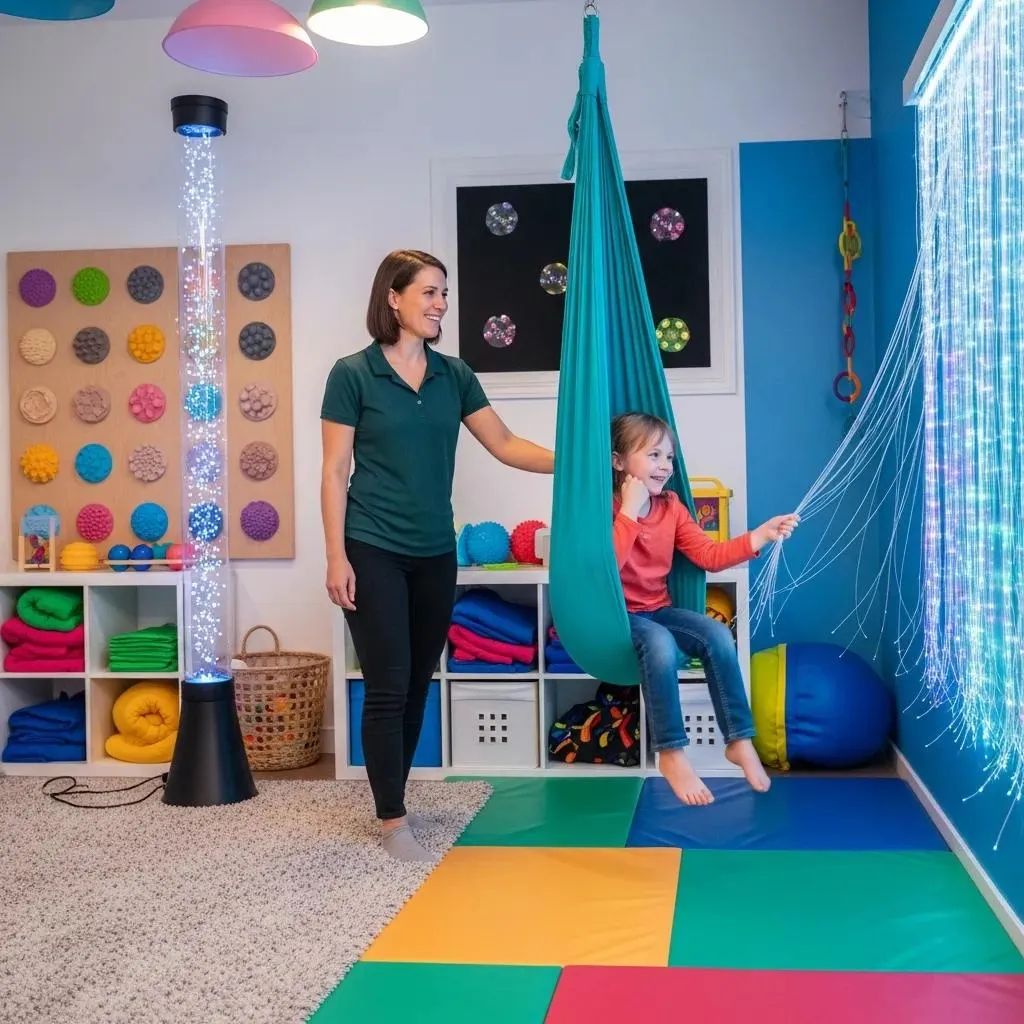
Incorporating planners and timers establishes routine and structure, fostering an environment conducive to focus. Customizing the space with calming sensory elements boosts comfort and productivity, ultimately supporting successful study habits for teens with ADHD. Additionally, understanding that the etiology of ADHD involves both genetic and environmental factors can help tailor interventions to support focus in teens.
Implementing sensory integration therapy strategies can further enhance attention and reduce overstimulation during study sessions.
The Importance of Movement and Activity
How can movement and activity influence attentional capacity in teens with ADHD? Engaging in regular physical exercise considerably improves attention and cognitive performance in adolescents with ADHD. Exercise not only enhances reaction times and reduces attentional lapses, but can also temporarily normalize attentional capabilities similar to those of peers without ADHD.
Activities requiring high cognitive engagement, such as sports, foster better focus through improved cognitive control and adaptability. Additionally, consistent aerobic exercise has been linked to improvements in inhibitory control and executive function, which in turn positively impact academic performance. The mechanisms at play include increased brain arousal and dopamine release, which are vital for attention regulation.
Therefore, incorporating movement into daily routines can serve as a supportive strategy for improving focus in teens with ADHD. Research indicates that physical activity can significantly benefit individuals with ADHD, particularly through enhanced catecholamine release in the brain. Furthermore, physical activities that promote self-regulation and task management can further develop executive functioning skills, creating a holistic approach to support attention.
Effective Task Management Strategies

While effective task management strategies are essential for all students, they become particularly significant for teens with ADHD, who often face unique challenges in organizing their academic responsibilities. Utilizing visual and digital planning tools, such as calendars and reminder apps, helps create a clear guide for managing deadlines. Breaking larger tasks into smaller, manageable chunks reduces feelings of overwhelm, while establishing structured routines fosters consistent engagement with schoolwork.
Maintaining a tidy workspace minimizes distractions, promoting focus and efficiency. Moreover, engaging with accountability partners provides external motivation and reinforces commitment. Simplified prioritization techniques help identify urgent tasks, thereby enhancing time allocation and productivity.
These strategies collectively enable teens with ADHD to navigate their academic responsibilities more effectively and confidently. Additionally, specialized facilities can provide tailored support for students seeking to improve their organizational skills and overall management of ADHD. Incorporating sensory processing techniques into study environments can further enhance attention and task completion for these teens.
Mindfulness and Self-Regulation Techniques
Numerous studies highlight the effectiveness of mindfulness and self-regulation techniques in supporting teens with ADHD in managing their symptoms. Mindfulness practices, such as focused breathing, body scans, and guided imagery, promote affective regulation, reduce impulsivity, and improve self-awareness. These techniques help improve attention and task completion, while also fostering social interactions through better emotional management.
Engaging in structured sessions, often led by trained therapists, enables adolescents to practice these skills on a regular basis. Additionally, incorporating occupational therapy techniques into mindfulness practices can further enhance skill development and emotional regulation. Group settings not only provide a crucial support system but also encourage home practice, reinforcing learned techniques.
By incorporating mindfulness into their routines, teens with ADHD can experience long-term benefits, making it a valuable complement to traditional treatment approaches. Research suggests that mindfulness may also mitigate executive functioning deficits in ADHD, further enhancing the effectiveness of these techniques.
Utilizing Technology and Gamification for Focus

Incorporating technology into the daily routines of teens with ADHD can significantly improve their ability to focus and manage tasks effectively. Technology-based interventions offer individualized learning paths and interactive content, enhancing engagement and concentration. Digital tools with accessibility features, such as text-to-speech functions, support distinct learning needs, while virtual reality applications provide immersive experiences to maintain attention.
Research indicates that ADHD is a common neurodevelopmental disorder affecting many children and teens, highlighting the importance of targeted support. Additionally, understanding the impact of ADHD on academic performance can further inform the use of these technological solutions.
Gamification strategies, including reward systems and interactive challenges, motivate teens to complete tasks and sustain focus. Team-based games promote collaboration, fostering social skills and engagement. Moreover, time management tools help prioritize tasks, while immediate feedback mechanisms guide behavioral adjustments. Utilizing these technological advances can create a supportive environment that aids teens with ADHD in reaching their potential.
Frequently Asked Questions
How Can I Deal With Anxiety While Studying?
To manage anxiety while studying, students can employ relaxation techniques, minimize distractions, maintain a healthy lifestyle, and establish a consistent and structured routine. Utilizing effective time management and seeking support can further alleviate academic-related stress.
What Role Do Sleep Habits Play in Focus?
Sleep habits significantly impact focus, as inadequate sleep exacerbates concentration and attention deficits. Establishing consistent routines and minimizing nighttime distractions can improve sleep quality, ultimately leading to improved cognitive performance and daytime functionality.
Are There Specific Diets That Promote Better Attention?
Research suggests that balanced diets rich in fruits, vegetables, whole grains, and lean proteins promote better attention. Avoiding processed foods and simple sugars improves cognitive function, supporting greater focus and reducing attention-related symptoms effectively.
How Can I Communicate My ADHD Needs to Teachers?
“Where there’s a will, there’s a way.” To effectively communicate the needs of students with ADHD, it is essential to approach teachers positively, outline specific requirements, express gratitude for their support, and collaborate on solutions that benefit the students’ learning experience.
What Social Activities Can Help Improve Focus and Motivation?
Engaging in structured social activities, such as team sports, community volunteering, or creative workshops, can enhance focus and motivation. These experiences promote collaboration, empathy, and personal growth, ultimately fostering a sense of belonging and purpose.
Can Technology Help Teens with ADHD Stay Focused?
Yes, when used wisely, technology can be an excellent aid in maintaining focus. Tools like visual timers, task management apps, and gamified learning platforms help teens stay on track, manage their time effectively, and remain engaged without feeling overwhelmed.
What Are Some Mindfulness Techniques That Work for Teens with ADHD?
Simple mindfulness techniques, such as deep breathing, body scans, or short guided meditations, can help teens slow down and refocus. Regular practice of these techniques improves self-awareness, emotional control, and attention over time.
Conclusion
Helping teens improve focus with ADHD isn’t about doing everything at once—it’s about mastering focus with ADHD tips that fit your child’s unique needs. Even small changes, such as using timers or incorporating movement breaks, can make a significant difference. When families support each other, progress becomes possible and encouraging.
References
- https://www.psychologytoday.com/us/blog/promoting-empathy-with-your-teen/202503/boosting-focus-without-burnout-adhd-strategies-that
- https://news.utdallas.edu/campus-community/teens-with-adhd-focus-on-smart-strategies/
- https://pmc.ncbi.nlm.nih.gov/articles/PMC6998898/
- https://health.ucdavis.edu/news/headlines/does-fidgeting-help-people-with-adhd-focus-/2024/10
- https://www.bannerhealth.com/healthcareblog/advise-me/tips-for-managing-adhd-and-staying-focused-in-school
- https://pmc.ncbi.nlm.nih.gov/articles/PMC5027180/
- https://www.frontiersin.org/journals/psychiatry/articles/10.3389/fpsyt.2022.927411/full
- https://pmc.ncbi.nlm.nih.gov/articles/PMC6864256/
- https://www.mdpi.com/2071-1050/15/4/2899
- https://research.childrenandnature.org/research/children-with-adhd-functioned-better-in-the-woods-than-in-a-built-setting/