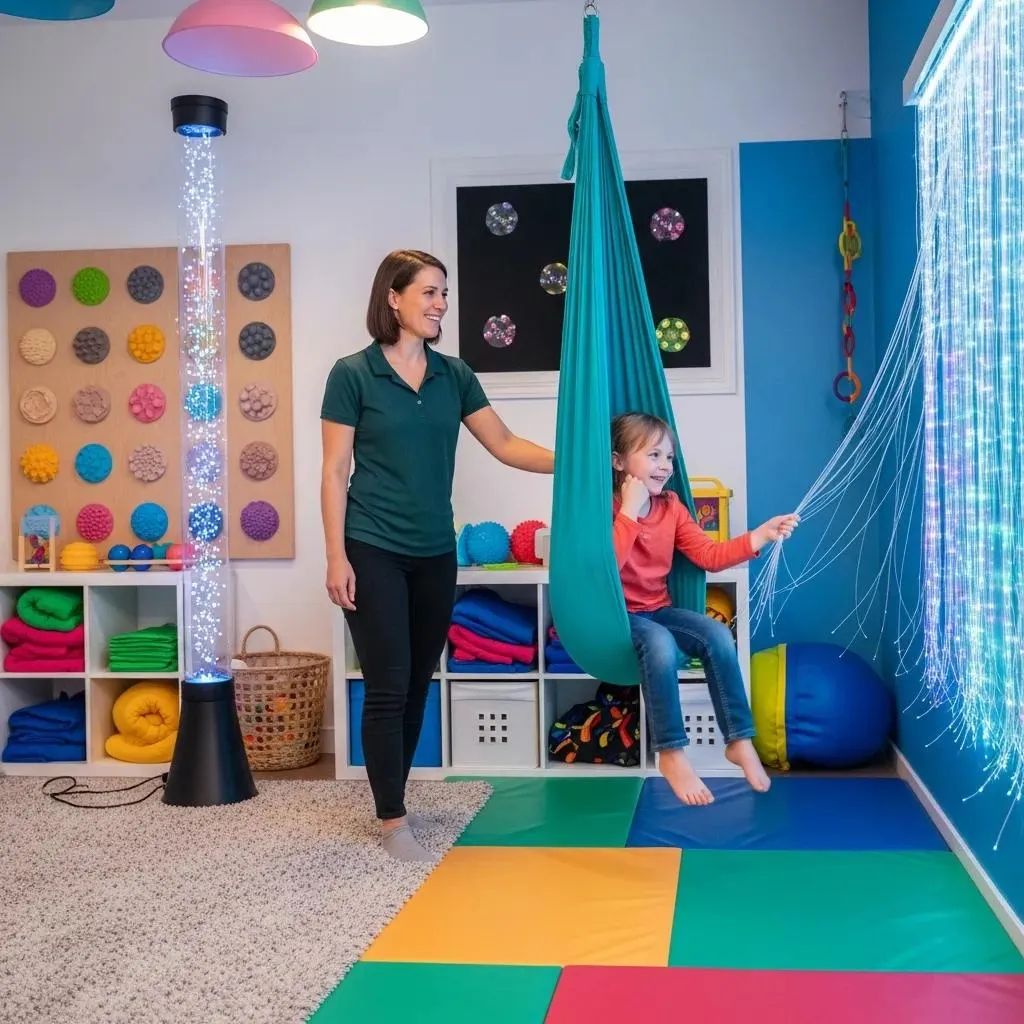

Recognizing autism symptoms early can make a big difference in your child’s life. As a pediatric therapist, I understand the importance of recognizing small changes early on. Trust your instincts—parents often sense when something feels off, even before others do.
In babies, you might notice limited eye contact or very little babbling by 6 to 9 months. Some babies may not respond to their name or seem unaware of loud noises around them. These signs don’t always indicate autism, but they are worth watching.
For toddlers, signs can include delayed speech, a lack of interest in playing with other children, or repeating the same actions repeatedly. Recognizing autism symptoms early helps families access the proper support and tools more quickly. If you’re worried, you’re not alone—there are many caring professionals ready to help.
Key Takeaways
- Limited eye contact, minimal facial expressions, and a lack of joyful interaction in babies may be indicative of autism.
- Toddlers showing delayed speech, disinterest in peers, or limited imitation skills may be exhibiting autism.
- Repetitive behaviors and strict adherence to routines in young children can signify potential autism spectrum challenges.
- Delayed response to name and failure to use gestures by specific ages are critical milestones to monitor for the early detection of autism spectrum disorder.
- Early identification through screening tools, such as the M-CHAT-R, can facilitate timely evaluation and access to support for autism.
Understanding Autism Spectrum Disorder
Autism Spectrum Disorder (ASD) represents a complex and multifaceted neurodevelopmental condition that manifests in a range of social, communication, and behavioral challenges. Recognizing autism symptoms early is essential, as timely intervention can significantly improve outcomes for people. ASD transcends age, race, and socioeconomic boundaries, reflecting its widespread prevalence. Unfortunately, many experience a late diagnosis, which may delay the benefits of support services. Symptoms, including social difficulties, communication barriers, and repetitive behaviors, can evolve and be influenced by life events and co-occurring conditions such as anxiety or ADHD. Understanding the variability of symptoms and the lifelong nature of ASD allows caregivers and professionals to foster an empathetic approach, ensuring that persons receive the tailored resources necessary for their distinct path. Early identification and intervention can significantly enhance self-care skills, enabling children to thrive through targeted support.
Early Signs in Babies (6 Months to 1 Year)
During the critical period of 6 to 12 months, numerous subtle signs can indicate a baby’s atypical development, warranting careful observation by parents and caregivers. Recognizing these early signs is crucial in fostering supportive environments. Key indicators may include:
- Social Interaction: Limited eye contact and few joyful facial expressions, alongside little or no response to their name.
- Communication: Minimal babbling or vocal sounds, coupled with a lack of imitation of sounds or gestures. Autism diagnosis is primarily based on characteristics, rather than biological tests, making early recognition key to obtaining appropriate support.
- Sensory Responses: Under- or over-reactivity to sounds and a disinterest in engaging with surrounding stimuli.
Key Indicators in Toddlers (Up to 24 Months)

At the tender age of up to 24 months, toddlers exhibit a range of developmental milestones that reflect their growing social, communicative, and sensory skills. Key indicators of autism include limited speech development, such as a lack of meaningful two-word phrases or delayed babbling. Social interaction challenges may manifest as a lack of interest in peers, minimal imitation, and limited eye contact. Repetitive behaviors can emerge, characterized by persistent fixation on specific toys, strict adherence to routines, or stereotypical movements. Moreover, sensory processing differences may lead to extreme reactions to sensory stimuli or atypical interests in sensory experiences. Recognizing these indicators is crucial for early intervention and support, ultimately fostering a more inclusive environment for these toddlers. Professionals recommend early evaluation as it can significantly improve outcomes for children displaying these signs. Early intervention can be especially beneficial, as it often involves tailored strategies that address the unique needs of each child.
Communication and Social Interaction Difficulties
In observing early signs of communication difficulties in individuals with autism, a noticeable lack of eye contact often emerges as a key indicator. Furthermore, children may exhibit limited use of gestures and facial expressions, which can make it challenging for them to connect socially with others. These behaviors can hinder their ability to engage meaningfully, leaving them at a disadvantage in forming relationships and understanding social nuances. Early signs include deficits in social communication, which can significantly impact their social development. Implementing structured play activities can help address these challenges and facilitate better social interactions.
Lack of Eye Contact
Eye contact serves as a fundamental component of social communication, yet many autistic persons exhibit notable difficulties in this area. This challenge is observed in different contexts and is characterized by:
- Emotional Overload: For some autistic individuals, eye contact can trigger heightened amygdala activation, resulting in anxiety. Incorporating structured environments can help reduce anxiety and create a more comfortable setting for social interactions.
- Social Barriers: Difficulties in maintaining eye contact can impede the understanding of nonverbal cues, which are crucial for social interaction.
- Coping Mechanism: Eye contact avoidance often serves as a strategy to manage stress, rather than indicating a lack of interest in social engagement. Additionally, recent research suggests that children, including those with autism, rarely look at faces during natural play, which may indicate that this behavior is not specific to autism.
These traits emphasize that the lack of eye contact is intricately linked to broader communication challenges, highlighting the need for empathy and understanding in supporting autistic individuals in social settings.
Limited Gestures and Expressions
Challenges in eye contact often accompany broader communication deficits, including limited use of gestures and facial expressions. Children with Autism Spectrum Disorder (ASD) exhibit markedly fewer gestures compared to their typically developing peers, including fundamental forms such as pointing and waving. This reduced gesture frequency limits their ability to establish joint attention and engage socially. Studies indicate that children with ASD communicate at approximately half the rate of typical children, which can severely hinder nonverbal exchanges meaningful for sharing interests or soliciting help. Additionally, the characteristics of these gestures—such as their form and motoric features—often correlate with the severity of autism symptoms, reflecting deeper social communication challenges. Understanding these limitations is crucial for creating supportive environments that enhance communication skills in individuals with ASD, particularly considering that the integration of gestures with vocalization is less frequent in children with ASD, and this adjustment is necessary for total scores on communication assessments. Implementing sensory processing therapy can further enhance social interactions and support the development of communication in these children.
Behavioral and Sensory Signs
While many infants exhibit a range of developmental behaviors, those displaying autism may show notable differences in their social and sensory interactions. These behaviors can be concerning and warrant attention from caregivers. Key indicators include:
- Reduced Social Engagement: Limited eye contact, minimal smiling, and lack of response to name. The development of self-advocacy skills can significantly enhance social interactions as children grow.
- Atypical Sensory Responses: Repetitive movements, fascination with specific object details, and strange body language.
- Emotional Reciprocity Difficulties: Limited emotional expressions and challenges in understanding others’ feelings. Early intervention is crucial for better management of ASD symptoms, as they can significantly impact a child’s ability to connect and communicate effectively with others. Awareness and understanding can help guide supportive actions tailored to each child’s needs.
Cognitive and Play Behavior Observations
Observing cognitive and play behaviors in children with autism reveals significant differences compared to typically developing peers, particularly in how they engage with their environment and peers. Individuals with autism often exhibit restricted play patterns, engaging in repetitive or ritualistic activities rather than imaginative play. Their cognitive engagement during play is remarkably reduced, characterized by challenges in joint attention and sharing experiences with others. These behaviors stem from executive function deficits that affect planning and cognitive flexibility. Moreover, early interventions focusing on play skills have shown promise in enhancing social interaction and mental development. Recognizing these special patterns can help caregivers and professionals tailor support that meets the unique needs of individuals with autism, fostering their growth and interaction. Interestingly, research suggests that individuals with autism exhibit unique cognitive traits, such as prioritizing accuracy over speed in tasks, which may also be reflected in their play behaviors. Engaging in sensory-based interventions can significantly improve their overall play experience and social skills.
Milestones and Developmental Delays to Monitor

Monitoring developmental milestones is essential for identifying autism, as children typically progress through separate stages in social, language, and motor skills. Delays in speech or social interactions can serve as important indicators of potential challenges. By paying close attention to these markers, caregivers can better support the child’s developmental path. Early intervention through occupational therapy can significantly enhance skill development and improve outcomes for children with Autism Spectrum Disorder (ASD).
Key Developmental Milestones
Key developmental milestones serve as crucial indicators of a child’s development and can help caregivers recognize significant autism-related changes. Monitoring these milestones allows adults to understand children’s intellectual trajectory better and identify any potential delays:
- By 6 months, the child should respond to their name, exhibit heartfelt reactions, and engage in social play.
- By 12 months, the child should be able to use simple gestures, participate in imitation games, and respond to spoken requests.
- By 24 months: The child should follow simple instructions, engage in social play, and construct sentences with two to four words.
Tracking these milestones with compassion can enable parents and caregivers to seek help early, ensuring children achieve their full developmental potential.
Delayed Speech Indicators
Recognizing the complexities of children’s speech development can provide valuable insights into their general growth, particularly when developmental milestones indicate potential delays. Delayed speech, evident when children do not speak by age two or fail to use two simple sentences by age 3, is prevalent in up to 40% children with autism. They typically initiate words by using two-word sentences. Late development may not only hinder communication skills but can also affect social interactions and educational achievement. Early intervention and parental involvement are crucial in addressing these delays, offering targeted strategies that promote progress and ensure children have the opportunity to communicate effectively within their environments.
Social Interaction Signals
While social interactions are central to child development, fluctuations in milestones can warrant attention from caregivers and educators alike. Key social interaction signals to monitor include:
- Eye Contact: Purposeful eye contact typically begins around 18 months. Consistent avoidance may indicate developmental concerns.
- Response to Name: By 9 months, a child should respond to their name. Lack of response may suggest social delays.
- Engagement in Social Games: By 12 months, children should be able to participate in interactive games that involve social interaction and engagement. A noticeable lack of interest could require further evaluation.
Caregivers should closely monitor these markers and approach any delays with empathy and concern. Understanding these signs can play a crucial role in facilitating timely support for children’s developmental needs. Early recognition can lead to better outcomes for children affected by these delays.
Importance of Early Detection

Early detection of autism spectrum disorder (ASD) serves as a crucial foundation for effective intervention, significantly affecting a child’s future development and quality of life. Timely identification can improve social skills, enhance parental well-being, and foster healthier family dynamics.
| Benefit | Impact on Child | Impact on Family |
|---|---|---|
| Improved Communication | Enhanced social interaction | Reduced parental anxiety |
| Improved Development | Better cognitive growth | More effective collaboration |
| Timely Access to Services | Greater access to therapies | Improved family functioning |
| Reduced Stigma | Early acceptance and support | Strengthened family ties |
Recognizing the importance of early detection not only supports children but also cultivates an environment of understanding and assistance, ultimately enriching the lives of families affected by ASD.
How to Approach Concerns With Professionals
How can parents effectively address their concerns about their child with professionals? Initiating conversations about autism symptoms requires a thoughtful approach. Parents can improve discussions by following these steps:
- Articulate Observations: Clearly describe specific behaviors or delays, providing objective examples from different environments, such as home and school.
- Gather Thorough Information: Compile relevant documents, including medical records and input from caregivers and teachers, to offer a complete picture during evaluations.
- Discuss Family History: Openly share any family history of neurodevelopmental disorders, as this information can guide clinicians.
Resources for Parents and Caregivers

Parents navigating autism often seek reliable resources to guide their path. Early intervention programs and access to support groups can provide crucial assistance, while professional evaluations accurately define the child’s needs. Together, these resources create a supportive framework that enables families to understand and recognize the child’s distinct developmental path.
Early Intervention Programs
Numerous early intervention programs are available to support children with autism, offering essential resources for caregivers managing this condition. These programs often incorporate different strategies tailored to specific needs and emphasize:
- Behavioral Techniques: Combining applied behavioral analysis (ABA) with developmental, relationship-focused approaches improves social interaction and communication.
- Speech and Language Therapy: Increasing communication skills is crucial, allowing children to express themselves more effectively.
- Motor Skill Development: Activities focused on daily living skills promote independence and self-sufficiency, fostering a sense of autonomy.
Engaging in these programs as early as 12 months greatly increases developmental gains, addressing behavioral and communication deficits promptly. Caregivers are coached to actively support the child’s growth and continuous development beyond therapy settings.
Support Groups and Networks
After exploring the significance of early intervention programs for children diagnosed with autism, it becomes apparent that support groups and networks play a crucial role in the process for parents and caregivers. Such groups offer psychological support, fostering a community where individuals can share their experiences and learn from one another’s coping strategies. They encourage the exchange of valuable information regarding autism resources while also developing members’ skills. Support can be found through diverse avenues, including in-person meetings, online forums, and specialized groups tailored to distinct needs. Moreover, networking opportunities connect families with healthcare professionals and resources for education and legal assistance. By building a supportive environment, these networks enable caregivers to navigate the complexities of Autism with Autismed individuals effectively.
Professional Evaluation Resources
Recognizing autism is crucial, as it often leads to timely evaluations and interventions that can significantly improve outcomes for children. Parents and caregivers can access several professional evaluation resources to guarantee a thorough assessment:
- Screening Tools: Utilize tools such as the M-CHAT-R and SCQ to identify potential indicators of developmental concerns.
- Tailored Assessments: Organizations like Autism Community Network offer customized evaluations with telehealth and in-person options in multiple languages.
- Resource Guides: Consult guides provided by autism Speaks to find local autism support services.
Early diagnosis through accurate evaluations not only aids the child but also supports families in understanding and charting their unique paths. Building awareness of available resources is crucial for fostering positive outcomes.
Frequently Asked Questions
How can parents and caregivers identify signs in young children?
Recognizing autism symptoms early often begins with noticing subtle developmental differences, such as a lack of social engagement or delayed milestones. If you have concerns, an assessment opens doors to meaningful support.
Can Autism Symptoms Change as a Child Grows?
As a child matures, symptoms may change markedly. Evidence suggests that interventions can lead to improvements, while personal variability and environmental factors also play vital roles in shaping developmental trajectories over time.
Are There Any Specific Treatments for Autism?
Diverse autism treatments encompass behavioral therapies, speech interventions, and occupational therapy, each addressing distinct developmental needs. Emphasizing early, tailored approaches fosters effective communication, nurtures social skills, and enhances daily living, ultimately improving the quality of life for individuals with autism.
How Can Parents Promote Social Skills in Children With Autism?
Parents can promote social skills in children by utilizing structured playgroups, visual supports, and positive reinforcement. Engaging in community activities and modeling behaviors further improve social learning, creating a supportive environment for development and connection.
Is There a Genetic Link to Autism?
The genetics of autism is complex, with heritability estimated between 50% and 65%. Families with multiple autistic children reveal insights into inherited versus spontaneous mutations, emphasizing the importance of ongoing research for better understanding and support.
What Role Do Diet and Nutrition Play in Autism?
Diet and nutrition significantly influence the health and behavior of individuals with autism. Dietary interventions can alleviate symptoms, promote growth, and enhance overall well-being, underscoring the importance of balanced nutrition and effective management of autism spectrum disorder.m
Recognizing autism symptoms early gives your child the best chance to grow, learn, and connect with the world around them. Every child develops at their own pace, but when something seems different, it’s okay to ask questions. Early support can make a lasting impact.
You don’t have to face these concerns alone. With the proper guidance, many children make excellent progress in communication, behavior, and social skills. Support starts with understanding, and understanding begins with awareness.
If you’re noticing signs or are simply unsure about your child’s development, reach out to a pediatric therapist who has experience working with young children with autism. A caring professional can help you take the next step with confidence and care.
References
- https://autismsa.org.au/autism-diagnosis/autism-symptoms/signs-of-autism-in-babies/
- https://www.cdc.gov/ncbddd/actearly/autism/curriculum/documents/early-warning-signs-autism_508.pdf
- https://www.autismspeaks.org/signs-autism
- https://www.nhs.uk/conditions/autism/signs/children/
- https://www.cdc.gov/autism/signs-symptoms/index.html
- https://www.hcahoustonhealthcare.com/healthy-living/blog/5-signs-of-autism-in-adults-and-the-importance-of-getting-a-diagnosis
- https://www.autismspeaks.org/signs-autism-adults
- https://www.additudemag.com/autism-spectrum-disorder-in-adults/
- https://www.medicalnewstoday.com/articles/326841
- https://www.nhs.uk/conditions/autism/signs/adults/