
Key Takeaways
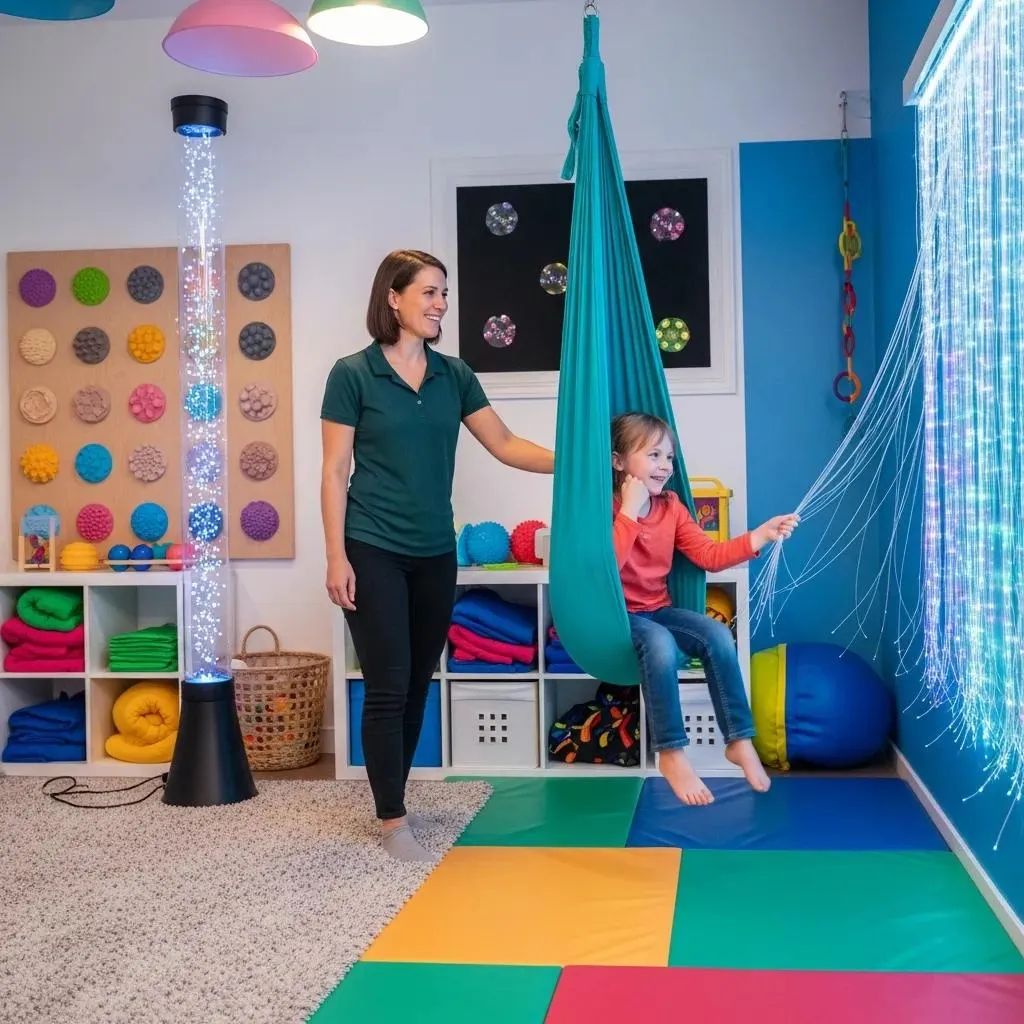
- Utilize early intervention services to address developmental delays during critical growth periods.
- Implement specialized speech, occupational, and physical therapy tailored to specific developmental needs.
- Incorporate visual learning aids and structured routines to enhance comprehension and reduce anxiety.
- Engage children in structured play activities to develop fine and gross motor skills effectively.
- Encourage parental involvement and reinforce therapeutic techniques at home to accelerate developmental progress.
Early Intervention Services
Early intervention services are critical in providing tailored support and therapies for infants and toddlers with developmental delays. These services are pivotal in addressing various developmental disabilities by involving a multidisciplinary team of experts, including speech therapists, occupational therapists, and behavioral specialists. The primary objective is to mitigate the impact of developmental delays and facilitate optimal growth and development in young children.
Developing an Individualized Family Service Plan (IFSP) is central to early intervention services. The IFSP outlines specific goals and customized strategies to meet each child’s needs. Through the IFSP, families receive thorough support, ensuring that interventions are personalized and effective. These interventions target vital developmental areas such as communication skills, motor abilities, and behavioral competencies.
The research underscores the efficacy of early interventions, demonstrating that regular and targeted support can significantly enhance developmental outcomes. Children with developmental delays benefit from these services as they provide the necessary framework to help them catch up with their peers.
Visual Learning Aids
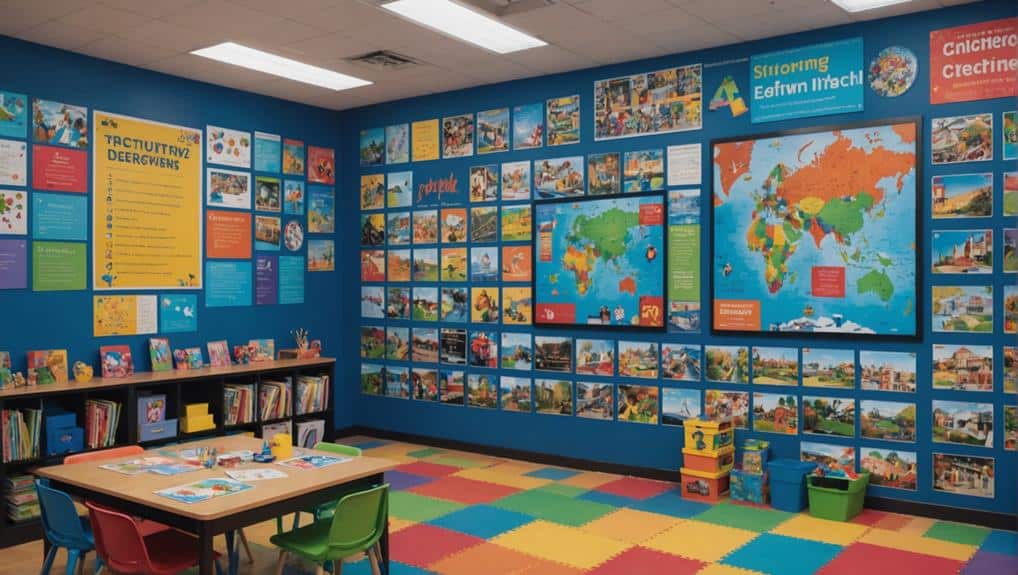
Building upon the foundational support provided by early intervention services, visual learning tools effectively enhance understanding and involvement among children with developmental delays. These tools, including picture schedules and visual timetables, are essential in helping children follow routines and changes with greater ease. Research indicates that visual cues, such as color-coded directions and visual timers, significantly strengthen comprehension and independence in these children.
Visual learning aids serve not only as instructional tools but also as crucial communication facilitators. By providing clear, consistent visual support, educators and caregivers can bridge the gap in understanding that often accompanies developmental delays. For example, visual schedules help children predict upcoming activities, reducing anxiety and fostering a sense of security.
Incorporating visual supports into learning activities can significantly improve both understanding and involvement. Visual aids are especially beneficial in breaking down complex directions into manageable steps, making tasks more approachable for children with developmental delays. Moreover, these aids provide a non-verbal mode of communication, which is vital for children who struggle with verbal expression.
Visual learning aids are essential in promoting effective communication and enhancing the learning experience for children with developmental delays.
Structured Routines

Structured routines are instrumental in providing predictability and stability for children with developmental delays, effectively reducing anxiety and enhancing overall behavior.
Visual schedules with pictures or symbols can significantly aid in children’s understanding and adherence to these routines.
Consistent daily activities and well-defined switch routines further facilitate smoother changes and promote a sense of security.
Predictability Reduces Anxiety
Implementing consistent routines can significantly reduce anxiety and uncertainty in children with developmental delays by providing a predictable and stable environment. Structured routines offer a framework that allows children to anticipate daily events, thus mitigating anxiety and promoting security.
Research indicates that consistent schedules are instrumental in helping children understand what to expect, thereby reducing behavioral challenges and minimizing meltdowns triggered by unexpected changes.
A predictable routine can notably enhance a child’s ability to navigate daily activities confidently. By adhering to structured routines, caregivers and educators can create an environment where children feel more comfortable and less anxious. This predictability is especially vital during changes between activities, which can often be a source of stress for children with developmental delays.
Visual schedules, incorporating pictures or symbols, can further enhance this predictability by providing clear, understandable cues about the sequence of activities. Although we will explore visual schedules in more detail in the next section, it is relevant to acknowledge their role in enhancing independence and stability in the current context.
Visual Schedules Aid Understanding
Visual schedules play a crucial role in supporting children with developmental delays. They provide clear and consistent visual cues that help these children comprehend and navigate daily routines more effectively. By offering a structured framework, visual supports reduce anxiety, improve behavior, and set clear expectations for children with developmental delays. Moving between activities can be challenging for these children, and visual schedules help facilitate smoother transitions by providing predictable and recognizable cues.
Research shows that visual schedules promote independence and successful task completion for children with developmental delays. These schedules greatly assist memory retention and learning by incorporating pictures, symbols, or drawings. Structured routines reinforced by visual schedules create an environment where children can anticipate what comes next, fostering a sense of control and security.
Moreover, visual supports aid in understanding daily routines and enhance overall cognitive processing. By breaking tasks into manageable visual steps, children with developmental delays can follow through more effectively, thus improving their autonomy. In conclusion, implementing visual schedules within structured routines is a powerful intervention strategy that empowers children with developmental delays. It enables them to engage more effectively in daily activities, reducing stressors and enhancing their overall quality of life.
Consistent Daily Activities
Predictability and stability are essential components in the developmental progress of children with delays, achieved through consistent daily activities and structured routines. Implementing a daily schedule offers a framework that enables children to understand expectations and navigate changes with greater ease, thereby reducing anxiety and minimizing challenging behaviors.
Structured routines promote a sense of security and stability vital for enhancing attention spans and fostering well-being. When children follow a set routine, they experience a familiar environment that supports the development of various skills, including social interactions and academic learning. For children with developmental delays, a consistent daily schedule not only aids in cognitive and psychological growth but also encourages independence by providing transparent, predictable activities and timeframes.
Establishing structured routines has greatly improved engagement and learning outcomes in clinical practice. By adhering to a predictable daily schedule, caregivers and educators can create an environment conducive to successful learning experiences and social development. This method ensures that children with developmental delays receive the support they need to thrive, reinforcing the importance of routine in their daily lives.
Learning Through Play

Learning through play is a research-supported method that greatly assists children with developmental delays in improving their fine and gross motor skills and fostering their creative problem-solving abilities.
Structured play activities offer an engaging and supportive environment, which promotes motor coordination and encourages cognitive flexibility and innovative thinking.
This holistic approach guarantees that effective and enjoyable developmental interventions promote growth and well-being.
Motor Skills Development
Engaging children with developmental delays in organized play activities is a research-backed method to enhance fine and gross motor skills. Play-based activities serve as an effective intervention to foster motor skill development, providing a dual benefit of enjoyment and therapeutic progression.
Fine motor skills, which involve the coordination of small muscles in movements such as grasping and manipulating objects, can be significantly improved through building blocks or art projects. These tasks require precision and skill, which are crucial for daily living tasks.
Gross motor skills, encompassing more significant movements like running, jumping, and climbing, can also be significantly enhanced through play. Activities such as obstacle courses or ball games promote physical fitness and improve coordination and balance. These playful interactions are pivotal for children with delays developing muscle strength and enhancing overall physical abilities.
The structured nature of these activities ensures that motor skill development is targeted and measurable, allowing caregivers and educators to monitor progress effectively.
Creative Problem Solving
Creative problem-solving through play is essential for enhancing cognitive skills and critical thinking abilities in children with developmental delays. Research substantiates that play-based learning fosters creativity, imagination, and exploration, catalyzing overall mental development.
Children are entertained and encouraged to employ problem-solving strategies and refine decision-making skills by engaging in interactive play activities.
Interactive play activities provide a robust platform for children to experiment, hypothesize, and derive solutions in a safe and enjoyable setting. These activities promote cognitive development by challenging children to navigate complex scenarios, enhancing their critical thinking abilities.
For instance, structured play scenarios such as puzzles or role-playing games demand that children make decisions, negotiate challenges, and consider alternative strategies, all vital for cognitive enhancement.
Incorporating play-based problem-solving activities into the daily routines of children with developmental delays is crucial. This integration supports cognitive and heartfelt growth, equipping children with essential life skills.
Parental Involvement

Why is parental involvement critical in the early intervention of developmental delays?
Parental involvement is crucial to the success of early intervention services. Research underscores that parents who actively participate in their child’s therapy sessions significantly enhance the effectiveness of these interventions.
Furthermore, parents who are vigilant in advocating for their child’s needs in educational settings ensure that appropriate support mechanisms are in place. This active participation fosters a collaborative environment with healthcare providers and educators, facilitating a more tailored and practical approach to addressing developmental delays.
Consider the following key elements to illustrate the impact of parental involvement:
- Engagement in Therapy Sessions: Actively participating in therapy sessions allows parents to understand techniques and strategies that can be reinforced at home.
- Advocacy in Education: Parents advocating for their child’s needs ensure that personalized educational support plans are implemented.
- Monitoring Progress: Staying informed about a child’s developmental progress and challenges enables better communication with intervention specialists.
- Home Practice: Reinforcing therapeutic activities at home can accelerate developmental gains.
- Supportive Presence: Providing consistent support boosts the child’s confidence and engagement in interventions.
Inclusive Practices

Inclusive education practices, grounded in evidence-based strategies, are essential for providing equitable learning opportunities for children with developmental delays. These practices prioritize accommodating diverse needs, ensuring that all students, especially those with disabilities, receive the necessary support to thrive academically and socially.
Central to inclusive practices is developing tailored support plans customized to address each child’s strengths and challenges. These plans facilitate targeted interventions and accommodations that promote effective learning outcomes.
A critical component of inclusive education involves customized instruction, which adapts teaching methods and materials to meet students’ varying needs within a single classroom. By implementing customized instruction, educators can create a learning environment responsive to all students’ diverse abilities, fostering a sense of belonging and community. This approach not only supports children with disabilities but also enriches the educational experience for all students by cultivating empathy, understanding, and collaboration.
Inclusive classrooms are designed to be welcoming and supportive, promoting respect for diverse abilities and encouraging positive social interactions. By embracing inclusive practices, educators play a pivotal role in advancing children’s academic and social development with developmental delays.
Specialized Therapies

Tailored therapies play an essential role in addressing the multifaceted developmental delays in children by providing targeted interventions that enhance specific skill sets. Specialized therapies, designed to meet each child’s distinct needs, significantly contribute to their overall development and quality of life. These interventions are grounded in clinical research and tailored to improve a child’s abilities.
- Speech therapy focuses on enhancing communication skills, helping children articulate words correctly, improving language comprehension, and using expressive language effectively.
- Occupational therapy: Aims to develop fine motor skills, enabling children to perform everyday tasks such as dressing, eating, and writing with greater independence and proficiency.
- Physical therapy: Concentrates on improving physical abilities, coordination, and strength, thereby assisting children in achieving better mobility and reducing physical limitations.
- Behavioral therapy: Addresses challenging behaviors and enhances social skills, ensuring children can interact more positively with peers and adults.
- Multidisciplinary approach: This approach involves various therapists collaborating to provide a holistic and cohesive intervention plan that supports the child’s comprehensive developmental needs.
Frequently Asked Questions
How to Help With Developmental Delay?
Early intervention services, including speech and occupational therapy, are essential for developmental delays. Implementing Personalized Family Service Plans (PFSPs) and conducting regular developmental screenings guarantee customized support and enhance overall child development outcomes.
What activities are included in effective developmental delay therapy?
Imagine unleashing a child’s potential: activities such as engaging in musical exercises, utilizing practical workbooks, food-based learning, shape-based play, and exploring photo albums are research-based strategies proven to foster development in children with developmental delays.
What three strategies can a teacher use to Help a child with a developmental delay learn play skills?
An educator can employ three strategies: utilizing interactive play to foster communication, implementing visual aids for more precise understanding, and incorporating structured, repetitive play to reinforce skill acquisition and promote consistent developmental progress.
How Do You Cater for Children With Developmental Delays?
Ironically, catering to children with developmental delays does not require a Ph.D. Utilize visual aids, establish predictable routines, integrate multi-sensory activities, and engage interdisciplinary specialists to create an inclusive, supportive educational environment.
Conclusion
Implementing early intervention services, visual learning aids, structured routines, play-based learning, robust parental involvement, inclusive educational practices, and expert therapies is not merely beneficial but essential. These strategies constitute the foundation for addressing developmental delays with unmatched effectiveness.
The transformative potential of these methods cannot be overstated; they are the keystones to revealing the full developmental potential of every child. Their adoption is crucial for fostering top-tier developmental outcomes.