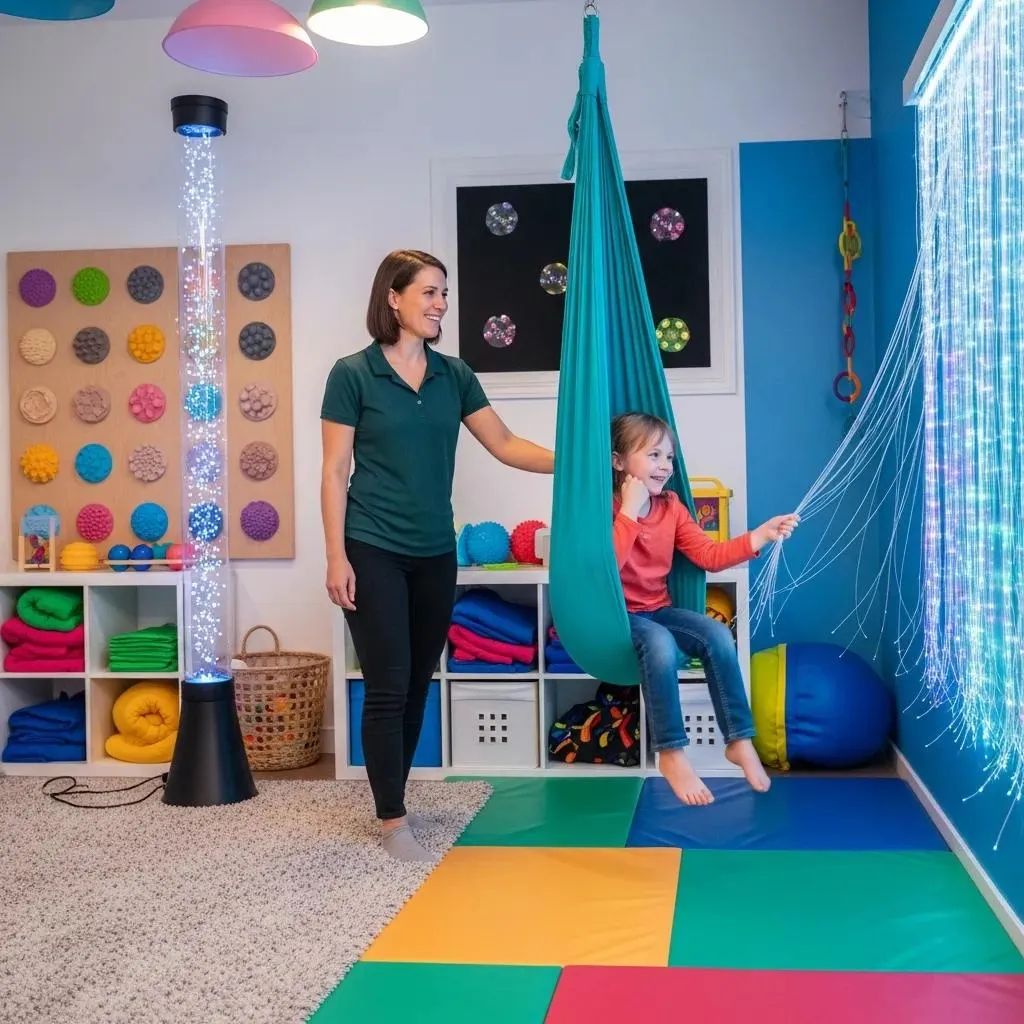
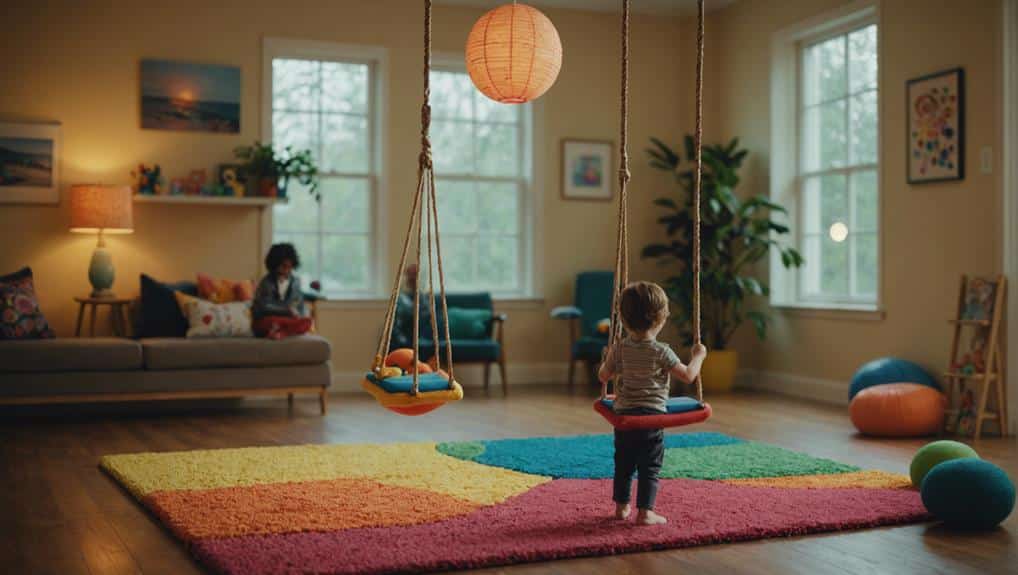
Sensory integration therapy utilizes eight effective techniques to assist people in processing sensory information more efficiently. Proprioceptive input involves activities like using weighted blankets to enhance body awareness. Deep pressure therapy, including massages and compression garments, helps regulate the nervous system. Tactile stimulation improves tactile discrimination through activities such as brushing and exploring textures. Vestibular activities, such as swinging and jumping, support balance and coordination. Auditory processing is refined using sound filtering exercises—visual perception benefits from puzzles and tracking games. Olfactory exercises utilize scent jars to stimulate the sense of smell, while gustatory stimulation involves introducing diverse flavors. To explore these techniques in greater detail, please continue.
Key Takeaways
- Proprioceptive Input: This technique uses deep-pressure activities like weighted blankets and muscle-strengthening exercises to enhance body awareness and provide calming effects.
- Deep Pressure Therapy: Involves firm, consistent pressure through compression garments and massages to regulate the nervous system and reduce anxiety.
- Vestibular Activities: Includes swinging, spinning, and jumping to support balance, coordination, and sensory processing.
- Auditory Processing: Utilizes sound filtering exercises and rhythmic patterns to improve auditory focus and cognitive functioning.
- Visual Perception: Activities like puzzles and matching games enhance visual processing and cognitive skills.
Proprioceptive Input
Proprioceptive input, an essential component of sensory integration therapy, involves techniques such as weighted blankets, deep-pressure applications, and muscle-strengthening activities to enhance body awareness and sensory processing. These evidence-based methods provide the body with proprioceptive feedback to improve overall sensory processing abilities.
Weighted blankets are commonly used to provide a sense of security and grounding, helping individuals achieve a state of calm and focus. This tool is particularly beneficial for those with difficulties with body awareness, as the pressure assists in enhancing proprioceptive input. Similarly, deep-pressure applications, including firm squeezes or bear hugs, offer significant benefits by stimulating the proprioceptive system and promoting well-being.
Incorporating muscle-strengthening activities into therapy sessions is another effective strategy. These activities can include therapy balls, engaging multiple muscle groups, providing robust proprioceptive feedback, and improving motor coordination. Through these interventions, individuals can better understand their bodies in space, enhancing their sensory integration capabilities.
Deep Pressure Therapy
Implementing deep pressure therapy involves applying firm, consistent pressure to the body. This technique is essential in sensory integration therapy to provide calming and organizing sensory input. This method is particularly beneficial for persons with sensory processing issues, helping to regulate the nervous system, reduce anxiety, improve focus, and enhance body awareness. Evidence indicates that deep-pressure therapy positively impacts sensory modulation and self-regulation, making it a valuable intervention in therapeutic settings.
Deep pressure therapy can be administered through various means, each offering distinct benefits:
- Weighted Blankets: These blankets apply even pressure across the body, promoting relaxation and aiding in sleep for individuals with sensory challenges.
- Compression Garments: These snug-fitting garments provide continuous firm pressure, enhancing body awareness and aiding self-regulation.
- Deep Pressure Massage: This technique involves applying manual pressure to specific body areas, helping alleviate anxiety and improve sensory processing.
Tactile Stimulation
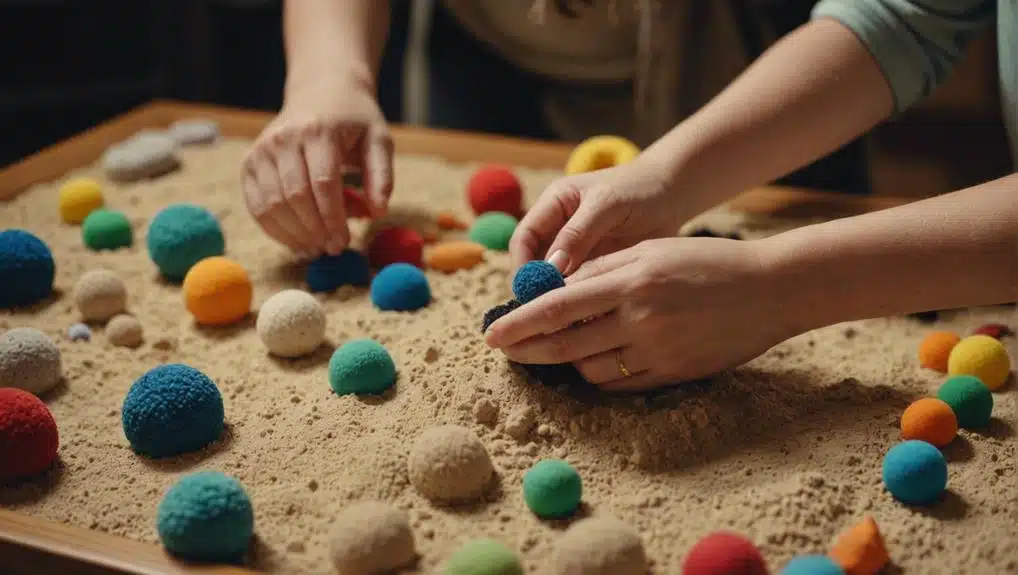
Tactile stimulation encompasses a range of activities designed to provide touch input to the skin. It aids in regulating sensory responses and improves tactile discrimination in people with sensory processing difficulties. This technique is essential in sensory integration therapy, as it enhances body awareness and helps individuals better understand and interpret tactile input.
For individuals with sensory sensitivities, tactile stimulation can be calming and facilitate sensory modulation. Activities such as brushing, massaging, and exploring textured materials can provide the necessary touch input to support these goals. Sensory bins filled with various objects or materials and engaging in messy play, such as finger painting or playing with shaving cream, are effective methods for delivering tactile input.
Research indicates these activities improve tactile discrimination and support sensory regulation and integration. Tailoring tactile stimulation techniques to specific needs allows therapists and caregivers to create customized strategies that address unique sensory challenges. By embedding these tactile activities into daily routines, individuals with sensory processing difficulties can experience enhanced sensory integration, improving functional outcomes and quality of life.
Vestibular Activities
Vestibular activities are integral to sensory integration therapy, providing essential movement-based input to support balance, coordination, and overall sensory processing. These activities stimulate the inner ear, which plays a significant role in maintaining equilibrium and spatial orientation. Vestibular activities enhance body awareness, postural control, and sensory integration capabilities.
A variety of vestibular activities are employed in therapy to achieve these goals. These include:
- Swinging: Utilizing swings to offer rhythmic movement that helps regulate arousal levels and improves balance.
- Spinning: Engaging in controlled spinning stimulates the vestibular system, enhancing coordination and attention.
- Rocking: Implementing gentle rocking motions to provide soothing vestibular input, aiding in calming and focus.
In addition to these, activities such as jumping, climbing, and bouncing on therapy balls also provide significant vestibular input. These movements are tailored to meet specific needs, ensuring the input level is appropriate for each person’s sensory profile. By incorporating such activities into therapy sessions, practitioners can effectively support clients in achieving better sensory processing and improved functional outcomes, thereby enhancing their overall quality of life.
Auditory Processing
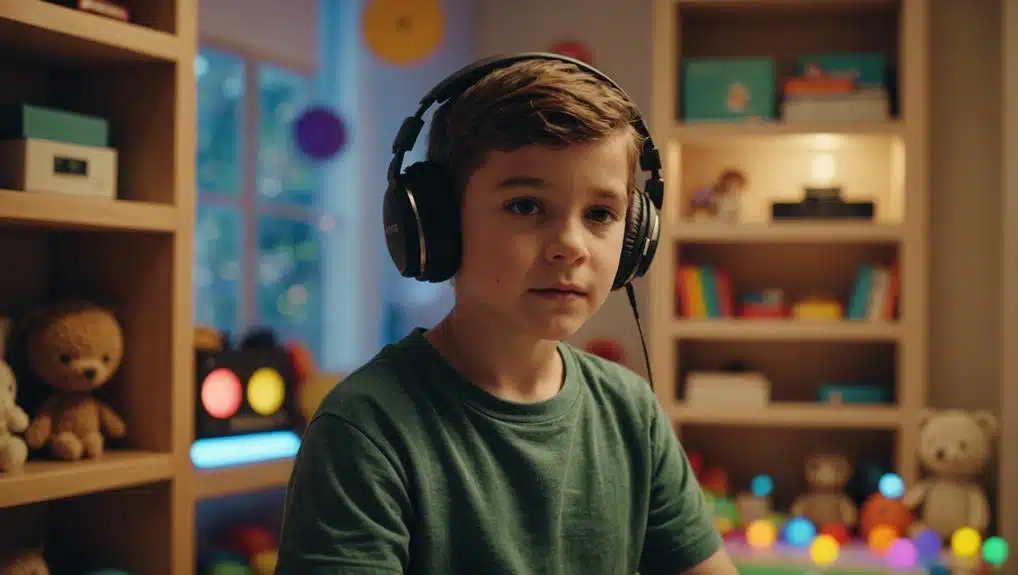
Auditory processing activities enhance the brain’s ability to interpret and respond to sounds, improving sensory processing and cognitive functioning. These activities often include sound-filtering exercises to help individuals distinguish between relevant and irrelevant auditory stimuli. Such exercises are fundamental to sensory processing activities, aiming to improve attention and listening skills by honing auditory focus.
One effective method involves using rhythmic patterns to aid auditory focus and cognitive development. Engaging with these patterns helps the brain better understand timing and sequencing, vital for speech and language development. Moreover, identifying environmental sounds enhances auditory discrimination skills. This practice involves recognizing and differentiating between various sounds in one’s surroundings, contributing to more refined sensory processing.
Technology tools also play a significant role in auditory processing therapy. Applications and software for auditory training can provide structured and repetitive sound-based exercises that support auditory development. These tools can be tailored to specific needs, offering a customized approach to improving auditory processing skills. Through consistent engagement in these targeted auditory activities, individuals can experience notable improvements in their cognitive development and overall sensory processing capabilities.
Visual Perception
Visual perception activities enhance cognitive skills and facilitate a child’s ability to interpret visual information accurately. These activities are integral to sensory integration therapy techniques, as they help develop visual processing skills critical for academic success and daily living tasks.
To effectively support children in improving their visual perception, therapists often employ a variety of exercises and strategies:
- Puzzles and Matching Games: These activities promote cognitive skills by encouraging children to recognize and differentiate between shapes, patterns, and colors. They also enhance spatial relationships and fine motor skills.
- Color-Coded Systems: Color-coding can help children better organize and interpret visual information. This technique aids in sorting and categorizing tasks, reinforcing visual processing skills.
- Visual Tracking Exercises: These exercises improve a child’s ability to follow moving objects, which is pivotal for reading and other academic activities. They help refine fine motor skills and enhance spatial awareness.
Olfactory Exercises

Olfactory exercises play a pivotal role in sensory integration therapy by stimulating the sense of smell to enhance sensory processing and regulation. These exercises, such as using smelling jars, provide significant sensory stimulation. Smelling jars, which can contain a variety of scents, help individuals recognize and differentiate between different smells, thereby improving their sensory awareness. This form of sensory integration is especially beneficial for those who struggle with sensory processing disorders, as it aids in developing sensory regulation skills.
Incorporating olfactory exercises into sensory diets can further promote sensory awareness and regulation. For instance, taste exploration activities, though primarily focused on gustatory stimulation, also contribute to olfactory sensory input, enhancing the sense of smell. These exercises are designed to familiarize people with various flavors and textures, indirectly supporting olfactory processing.
Research indicates that consistent olfactory exercises can improve sensory processing capabilities. By integrating these activities into therapeutic routines, practitioners can offer a holistic approach to sensory integration, ultimately aiding clients in achieving better sensory regulation and overall functional performance. This client-focused approach underscores the importance of tailored sensory diets in enhancing sensory processing and regulation.
Gustatory Stimulation
Gustatory stimulation, an essential component of sensory integration therapy, involves engaging the sensory experiences related to taste and flavor to enhance sensory processing and regulation. This approach is particularly beneficial for individuals with sensory processing challenges, as it can help them navigate and tolerate various taste experiences.
To effectively incorporate gustatory stimulation into a sensory diet, consider the following evidence-based techniques:
- Taste Exploration: Introducing a broad spectrum of flavors and textures can assist individuals in overcoming taste sensitivities. This can be achieved through guided food sampling sessions where clients are encouraged to try new foods in a controlled, supportive environment.
- Food Sampling: Structured food sampling activities can provide essential gustatory input. These activities can be tailored to the unique sensory needs, gradually increasing the complexity of flavors and textures to promote food acceptance and sensory integration.
- Sensory Diet Integration: Personalized sensory diets that include regular gustatory activities can help manage taste sensitivities and improve overall sensory processing. Consistent exposure to various tastes can desensitize adverse reactions and build tolerance.
Frequently Asked Questions
What Are the 8 Sensory Systems of Occupational Therapy?
The eight sensory systems in occupational therapy are sight, sound, touch, taste, smell, proprioception, vestibular, and interoception. Addressing all these systems is essential for creating practical, personalized, holistic sensory integration therapy plans for clients.
What Are the Techniques for Sensory Integration Therapy?
Research indicates that one out of twenty children struggle with sensory processing disorders. Techniques for sensory integration therapy include play-based activities, swinging, spinning, deep pressure activities, brushing protocol, and weighted items to enhance sensory regulation and body awareness.
What Are the Levels of Sensory Integration Therapy?
The stages of sensory integration therapy include sensory stimulation, sensory input organization, and adaptive response. Each stage builds on the previous, aiming to enhance sensory processing abilities, ultimately improving sensory modulation, discrimination, and integration for better functioning.
What Are the Sensory Integration Techniques for Autism?
Sensory integration techniques for autism include swinging, brushing protocols, and weighted vests. These methods aim to regulate sensory input, improve sensory processing, enhance motor skills, and foster better social interactions in autistic children.
Conclusion
Sensory integration therapy uses diverse techniques to help children with sensory processing challenges. Methods like proprioceptive input, deep pressure, and tactile stimulation can improve motor skills and social interactions. This therapy benefits children with autism spectrum disorder and Sensory Processing Disorder, enhancing their daily lives.
Incorporating vestibular activities, auditory processing, and visual perception exercises into a child’s daily routine can lead to significant improvements. Music therapy and playful movement activities engage basic senses and help children with attention deficit issues. A holistic approach ensures a balanced and effective sensory diet.
Addressing sensory needs through various methods improves children’s adaptive responses and motor functions. Techniques like olfactory exercises and gustatory stimulation add to the comprehensive approach developed by A. Jean Ayres. These interventions make everyday activities more manageable, improving overall well-being and quality of life.