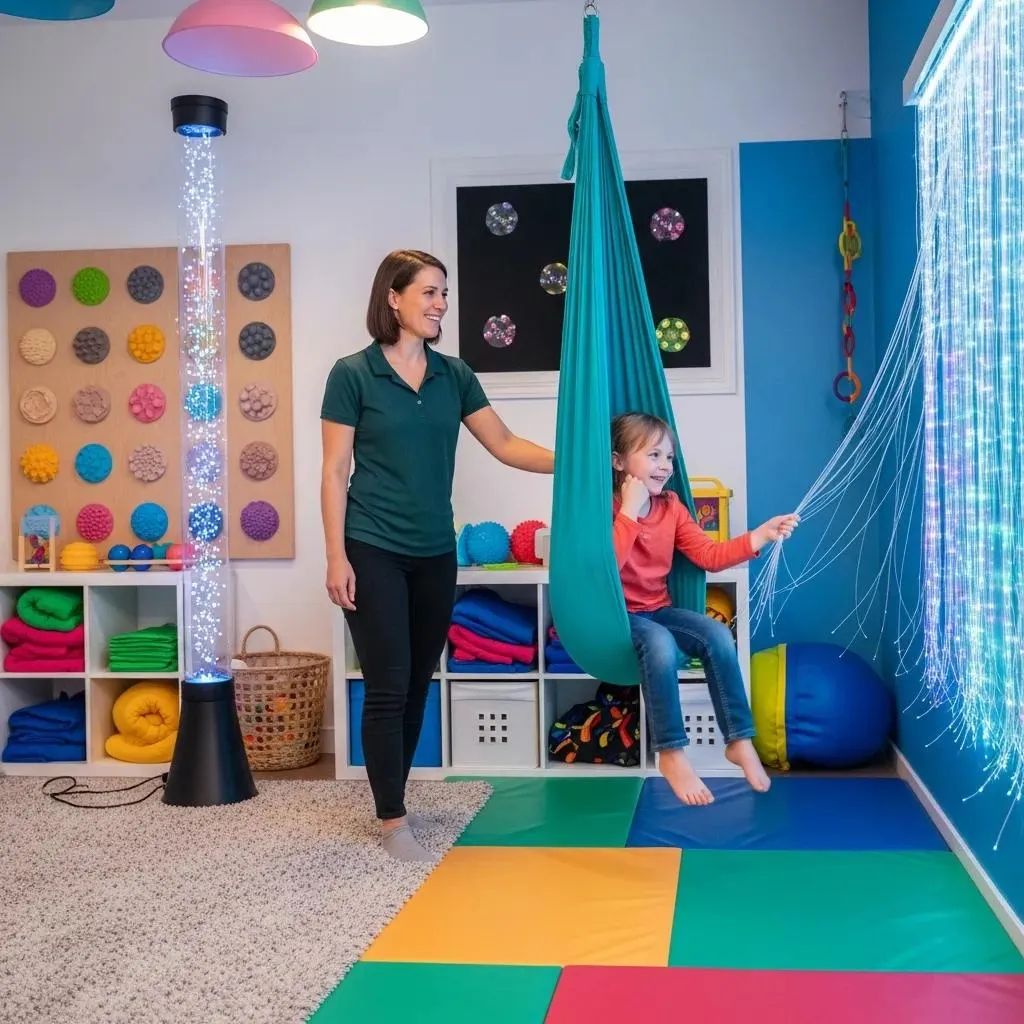

Parenting a child with sensory processing challenges can feel confusing, exhausting, and even isolating at times. As a pediatric occupational therapist with over 20 years of experience and the owner of Skill Point Therapy in Tampa and Brandon, I understand how overwhelming it can be when your child reacts strongly to sounds, lights, textures, or movement. Families often find that people outside their circle don’t fully understand what they are going through, which makes finding the proper support even more critical.
One of the most effective ways to support is through child-led DIRFloortime, which focuses on following your child’s interests while gently guiding them toward growth and development. This approach enables children to explore their world in a way that feels safe and meaningful, while also fostering strong emotional connections with parents and caregivers. By weaving simple sensory processing tips into daily play and routines, families can support their child’s ability to self-regulate and thrive.
It’s essential to remember that small, steady changes can lead to significant progress over time. Establishing consistent routines, offering calming sensory activities, and creating a supportive environment all help children feel more in control of their surroundings. With encouragement, understanding, and the right tools, families can build resilience, strengthen relationships, and help their child reach their full potential.
Key Takeaways
- Understand your child’s unique sensory profile to provide tailored experiences and reduce sensory overload during daily activities.
- Establish consistent routines to help your child feel secure and prepared for sensory input throughout the day.
- Implement calming activities and sensory play to promote emotional regulation and support self-soothing techniques.
- Build a support network with other parents to share experiences, tips, and resources for managing sensory processing challenges.
- Seek professional guidance from occupational therapists and counselors to develop customized strategies for your child’s sensory needs.
Understanding Sensory Processing Disorders
Although many may not realize it, sensory processing disorders (SPD) can have a significant impact on a child’s daily experiences and interactions. SPD relates to abnormal functioning of the sensory pathway, affecting how children interpret stimuli from their environment. Factors such as prenatal complications and environmental influences contribute to its development, complicating the experience for affected children.
Parents seeking to support their children might benefit from concrete tips for sensory strategies. Creating a sensory-friendly environment, incorporating calming techniques during overwhelming situations, and providing consistent sensory input can help. Understanding that each child’s sensory profile is distinctive allows parents to tailor experiences, fostering better affective regulation and enhancing daily functioning.
Research indicates a strong link between sensory processing issues and neurodevelopmental conditions, highlighting the need for focused support strategies. Recognizing these complexities enables parents to nurture their child’s well-being and development effectively.
Recognizing Signs and Symptoms
Recognizing signs and symptoms of sensory processing challenges is essential for understanding a child’s distinctive experiences. Common indicators may include difficulties with attention and focus, as well as pronounced emotional responses to various stimuli in their environment. By being attentive to these behavioral cues, parents can better support their child’s sensory needs and overall well-being.
Children with sensory processing disorder may exhibit either over-sensitivity or under-sensitivity to sensory inputs, further influencing their emotional and behavioral responses. Early identification of SPD signs is crucial as it enables timely intervention and support for children facing these challenges.
Common Sensory Processing Indicators
Identifying common sensory processing indicators is crucial for parents seeking to understand their child’s unique responses to the world around them. Recognizing these signs can pave the way for tailored support strategies. The following indicators can help parents discern their child’s sensory processing needs:
- Over-Responsiveness: Extreme reactions to stimuli, such as covering ears in response to loud noises or discomfort with specific textures.
- Under-Responsiveness: Lack of reaction to sounds or high pain thresholds, potentially indicating sensory disengagement.
- Sensory Craving: A constant need for intense sensory experiences, often seen in excessive movement or rough play. Understanding these indicators is crucial for developing an effective sensory diet tailored to your child’s specific needs.
Attention and Focus Issues
When attention and focus issues arise in children, understanding the underlying sensory processing challenges can be vital for effective intervention. Many children struggle with maintaining focus due to difficulties in their vestibular, proprioceptive, visual, and auditory systems. These sensory breakdowns often lead to increased distractibility, diminished attention spans, and a tendency to rush through tasks.
Furthermore, sensory processing challenges can exacerbate these issues, leading to irritability and disengagement. Children may exhibit hyperactivity or restlessness as they seek stimulation or may appear lethargic in response to avoidance. Recognizing these signs helps caregivers identify sensory processing issues and develop strategies that foster better focus and engagement, ultimately supporting children’s learning and social interactions in varied environments.
Additionally, understanding individual sensory needs is crucial for practical support, as it enables caregivers to tailor interventions to each child’s unique challenges.
Emotional Responses to Stimuli
Feelings responses to sensory stimuli can often manifest in profound ways, highlighting the intricate connection between sensory processing and feelings regulation in children. Recognizing these affective responses is crucial for adequate support. Parents can observe several key signs:
- Intense Reactions: Panic attacks or meltdowns triggered by sensory overload.
- Behavioral Indicators: Covering ears or exhibiting increased stimming behaviors during times of stress.
- Physical Signs: Symptoms such as headaches or excessive motor restlessness are linked to affective strain. Engaging in sensory play can be particularly beneficial for children experiencing these symptoms.
Understanding these signs allows parents to better respond to their child’s needs. This awareness fosters a nurturing environment where affective and sensory challenges can be addressed compassionately, ultimately enhancing the child’s well-being and self-perception. Additionally, being aware of sensory processing difficulties can help parents create tailored strategies to support their child’s emotional regulation.
The Importance of Parental Awareness
Parental awareness of sensory processing disorder (SPD) symptoms is essential for early identification and effective intervention. Understanding the neurological differences that underpin these challenges can enable parents to recognize subtle signs that might otherwise go unnoticed. Improved awareness not only facilitates timely professional support but also fosters a deeper connection between parent and child, promoting healthier developmental outcomes.
By leveraging resources that highlight sensory processing issues in children, parents can better equip themselves to support their child’s unique needs. Additionally, recognizing that up to 1 in 6 children experience sensory processing difficulties can help parents understand the prevalence of these challenges among their peers.
Recognizing SPD Symptoms
Recognizing the signs of Sensory Processing Disorder (SPD) is crucial for fostering a supportive environment for affected children, as early detection can significantly influence their development. Parents play a critical role in identifying symptoms that may indicate SPD.
Key indicators can include:
- Reactions to Sensory Input: Overreacting or underreacting to sensory stimuli, such as loud noises or certain textures. Understanding that some children experience sensory processing challenges can help parents respond effectively. Additionally, being aware of Sensory Modulation Disorder can provide further insights into a child’s unique sensory responses.
- Behavioral Changes: Frequent tantrums, mood swings, or avoidance of activities like dressing and bathing.
- Motor and Social Skills: Difficulties with coordination, balance, and recognition of social cues, leading to potential social isolation.
Understanding Neurological Differences
Understanding the neurological underpinnings of Sensory Processing Disorder (SPD) can significantly improve parental insight into their child’s behaviors. Children with SPD exhibit unique differences in brain structure, particularly in white matter tracts that impact sensory processing. This biological basis distinguishes SPD from other neurodevelopmental disorders, emphasizing the need for tailored understanding and approaches.
When parents recognize that these challenges are rooted in specific neural pathways, they can cultivate more practical expectations and empathetic support strategies. Knowledge of sensory modulation variability also enables parents to create environments that minimize sensory overload, thereby promoting a more comfortable and supportive environment for their child. Ultimately, this understanding enables advocates to advocate effectively for appropriate interventions while reducing confusion and stress, and reaffirming that sensory challenges are not indicative of poor parenting, but rather neurological differences.
Additionally, recent research has shown that children with SPD exhibit abnormal white matter tracts, further highlighting the importance of recognizing these differences. Engaging with nature can be particularly beneficial, as it promotes healthier sensory integration, which is crucial for emotional well-being in children with SPD.
Strategies for Supporting Sensory Needs

While navigating the complexities of sensory processing, parents can employ effective strategies to create an environment that supports their child’s unique sensory needs. Implementing these strategies can significantly improve a child’s daily experiences and overall well-being:
- Child-led DIRFloortime: At Skill Point Therapy in Tampa and Brandon, we use child-led DIRFloortime to help parents connect with their children, strengthen emotional bonds, and encourage growth in ways that feel safe and meaningful
- Establish Consistent Routines: Families in Tampa and Brandon often find that predictable daily schedules reduce stress and prepare children to handle sensory input and transitions more smoothly
- Use Practical Sensory Strategies: Simple tools—such as calming activities at bedtime or gradually introducing new textures at mealtime—can make daily life easier for children with sensory needs in both home and school environments.
- Engage in Parent Coaching: Our occupational therapists in Tampa and Brandon provide hands-on coaching to help parents gain confidence, recognize their child’s sensitivities, and adapt routines to meet their child’s unique needs.
Through these thoughtful approaches, parents can support their child’s singular sensory needs and foster a nurturing environment.
Building a Support Network
Creating a nurturing environment for children with sensory processing difficulties involves not only direct strategies for support but also establishing a robust support network for parents. Parents of children with sensory challenges experience heightened stress, especially when behavioral issues arise. A shared network can alleviate this burden by providing psychological support and practical guidance.
Engaging with peers facing similar situations improves understanding and helps parents feel less isolated. Additionally, recognizing that parents may share sensory traits with their children can inform supportive interactions. By fostering community connections and focusing on shared experiences, parents can collaboratively explore coping strategies and advocacy efforts, enabling them to enhance their children’s lives while also addressing their own psychological and practical needs.
Enhancing Emotional Regulation and Social Skills

Sentimental regulation and social skills are critical components of a child’s development, particularly for those experiencing sensory processing difficulties. Understanding the relationship between sensory processing and affective responses can help parents enhance their child’s social engagement and emotional resilience. Effective strategies include:
Sensory Awareness Activities: Engage children in activities that focus on identifying and responding to sensory stimuli, helping them gain control over affective reactions.
Model Calm Responses: Demonstrating composed behavior during sensory overload can teach children to calm themselves in stressful situations.
Structured Social Interaction: Create controlled environments for social interactions, allowing children to practice and interpret social cues without being overwhelmed by excessive sensory input.
Seeking Professional Guidance and Resources
How can parents navigate the complex landscape of support for children with sensory processing disorder (SPD)? Professional guidance can be invaluable in managing this experience. Engaging with counselors can help alleviate parenting stress, while occupational therapists implement sensory integration strategies tailored to the child’s specific needs. Furthermore, accessing community resources enables families and reinforces their support network.
| Resource Type | Purpose |
|---|---|
| Counseling | Alleviate stress and improve family dynamics |
| Occupational Therapy | Provide sensory integration and at-home routines |
| Support Groups | Share experiences and strategies |
| Educational Workshops | Equip parents with practical SPD management skills |
| Online Directories | Connect families with tailored services |
Frequently Asked Questions
How Can Parents Apply Sensory Processing Tips at Home?
Parents can integrate sensory processing tips into their everyday routines by using calming activities, such as deep-pressure hugs or movement breaks, to ease transitions. Simple adjustments, such as dimming lights, reducing noise, or providing fidget tools, can also support children’s comfort and focus throughout the day.
Can Diet Affect Sensory Processing in Children?
Diet can significantly affect sensory processing in children, as specific nutrients may influence sensory behaviors and integration. Proper nutritional intake plays a crucial role in enhancing sensory functioning and overall well-being for children affected by this condition.
How Can Sensory Processing Difficulties Impact Academic Performance?
Sensory processing difficulties hinder academic performance by disrupting attention, learning engagement, and motor coordination. Children may struggle with classroom stimuli, which can impact their social interaction and reduce their participation in crucial academic tasks necessary for success.
What Are Common Misconceptions About Sensory Processing Disorders?
In a garden, misconceptions about sensory processing disorders bloom like weeds. Many believe SPD isn’t genuine, that it’s just bad behavior, or that children will outgrow it. Understanding these myths helps nurture support for individuals affected by them.
Are There Specific Therapies for Sensory Processing Issues?
Numerous therapies exist for addressing sensory processing issues, including sensory integration therapy and occupational therapy approaches, which utilize tailored sensory diets and environmental modifications to support individual needs and enhance self-regulation. However, evidence on the effectiveness of these therapies remains mixed.
How Do Sensory Processing Difficulties Relate to Anxiety Disorders?
Sensory processing difficulties often heighten anxiety disorder risks, manifesting through sensory over-responsivity and modulation challenges. While these symptoms overlap, their origins differ, complicating therapeutic approaches and emphasizing the need for tailored interventions in affected persons.
Conclusion
In navigating the complex landscape of sensory processing, parents are the steadfast lighthouses guiding their children safely through turbulent waters. Simple strategies—like offering a quiet corner with noise-canceling headphones or using a weighted blanket during bedtime—can make daily life feel less overwhelming. Research shows that approximately 1 in 6 children experiences sensory processing challenges, highlighting the prevalence of these struggles.
By understanding sensory processing disorders, recognizing symptoms, and implementing supportive strategies, parents can have a profound impact on their child’s development and well-being. Building a robust support network and seeking professional guidance can further illuminate the path ahead. If you have questions or would like to discuss a specific area of concern, we invite you to contact Skill Point Therapy in Tampa or Brandon—our team is here to support both you and your child every step of the way.
References
- https://pmc.ncbi.nlm.nih.gov/articles/PMC3891772/
- https://sensoryhealth.org/sites/default/files/file-attachments/ahn_miller.pdf
- https://www.ucsf.edu/news/2013/07/107316/breakthrough-study-reveals-biological-basis-sensory-processing-disorders-kids
- https://magazine.ucsf.edu/unbearable-sensation-being
- https://sensoryhealth.org/basic/latest-research-findings
- https://healthcare.utah.edu/the-scope/kids-zone/all/2022/05/does-my-child-have-sensory-disorder
- https://pubmed.ncbi.nlm.nih.gov/15202626/
- https://suffolkfamilycarers.org/sensory-processing-disorder/
- https://childmind.org/article/sensory-processing-issues-explained/
- https://www.healthline.com/health/childrens-health/sensory-issues-in-children