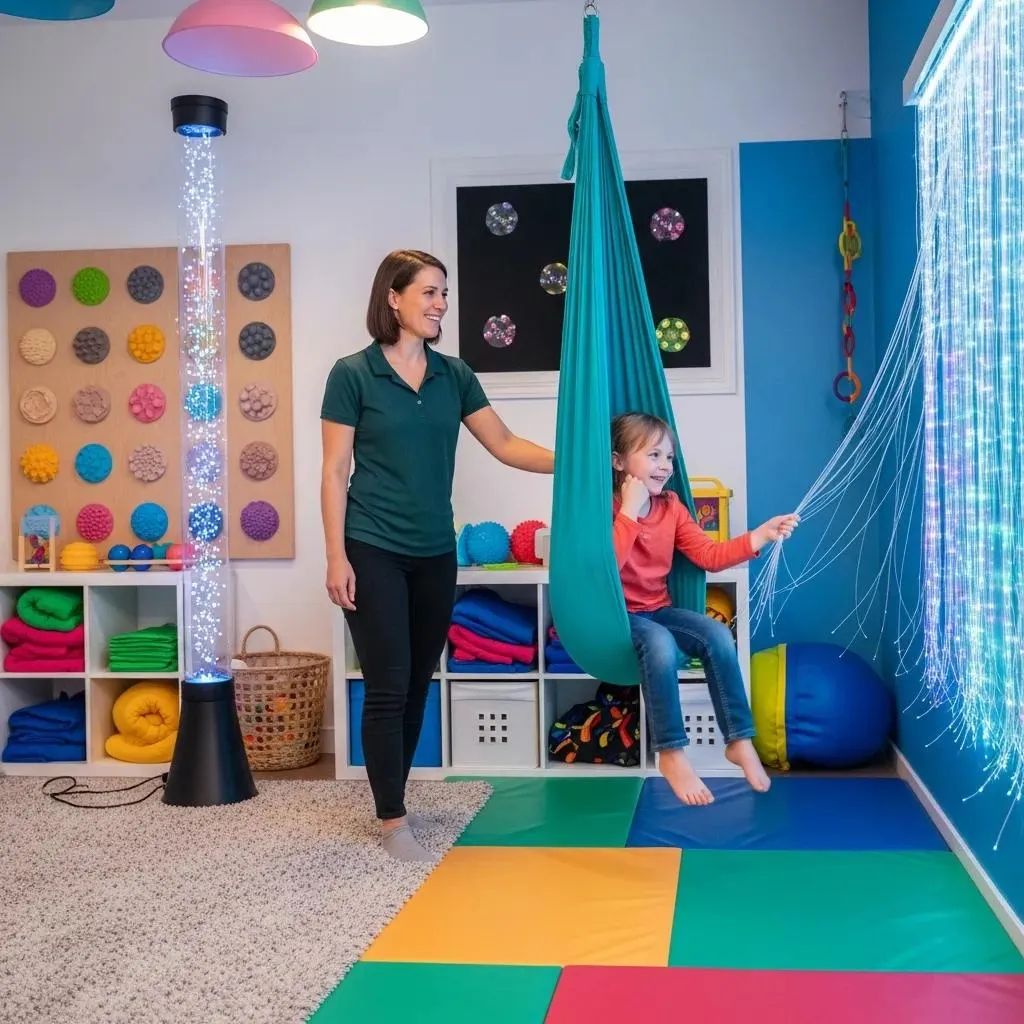

Sensory Integration Therapy in Hillsborough County: Choosing the Right Support for Your Child
Sensory Integration Therapy (SIT) is a therapeutic approach for children facing sensory processing challenges, helping them navigate their environments more effectively. This article will explore the intricacies of sensory integration therapy, its benefits, and how to select the proper support for your child in Hillsborough County. Many parents struggle to find effective therapies that cater to their child’s unique sensory needs, often feeling overwhelmed by the options available. Sensory integration therapy offers a structured approach that promotes emotional regulation, social skills, and overall development. We will delve into the definition of sensory integration therapy, its benefits, therapeutic approaches, and practical tips for parents seeking support in Hillsborough County.
What is Sensory Integration Therapy and How Does It Help Children?
Sensory Integration Therapy (SIT) is a therapeutic approach designed to help children with sensory processing issues by improving their ability to process and respond to sensory information. This therapy works by engaging children in activities that stimulate their senses, allowing them to develop better coping mechanisms and improve their daily functioning. The primary goal of SIT is to enhance a child’s ability to interact more effectively with their environment and peers.
Understanding Sensory Processing and Sensory Processing Disorder in Children
Sensory processing refers to the way the nervous system receives and interprets sensory stimuli from the environment. Sensory Processing Disorder (SPD) is a term used to describe difficulties in processing sensory information, which can lead to challenges in behavior and daily activities. Common symptoms of SPD include overreacting or underreacting to sensory stimuli, difficulty with transitions, and challenges in social interactions. Understanding these symptoms is crucial for parents to identify when their child may benefit from sensory integration therapy.
How Sensory Integration Therapy Supports Child Development and Daily Functioning
SIT supports child development by providing structured sensory experiences that promote emotional regulation, social skills, and motor abilities. For instance, children learn to manage their responses to sensory input, which can improve focus and participation in daily activities. Some studies and clinical observations suggest that children who engage in SIT may experience improvements in their ability to interact with peers and manage their emotions, potentially enhancing their quality of life.
What Are the Benefits of Sensory Integration Therapy for Children in Hillsborough County?

Sensory integration therapy offers potential benefits for children, particularly those facing challenges related to sensory processing.
These benefits can affect a child’s emotional and social development and overall wellbeing.
- Improving Emotional Regulation: SIT helps children learn to manage their emotions more effectively, potentially reducing instances of frustration and anxiety.
- Enhancing Social Skills: Through interactive play and group activities, children may develop essential social skills, such as sharing and communication.
- Developing Motor Abilities: The therapy often includes physical activities that aim to improve coordination and motor skills, which are essential for daily tasks.
Improving Emotional Regulation, Social Skills, and Motor Abilities
The therapy’s structured approach allows children to practice emotional regulation techniques, leading to better control over their reactions. For example, children learn to recognize their sensory triggers and develop strategies to cope with overwhelming situations. Additionally, social skills can be enhanced through group activities that encourage interaction and cooperation, while motor abilities are developed through engaging physical tasks that promote coordination and strength.
Evidence-Based Outcomes for Children with Autism, ADHD, and Developmental Delays
Research on sensory integration therapy shows mixed results, with some studies indicating benefits for children with Autism Spectrum Disorder (ASD), Attention Deficit Hyperactivity Disorder (ADHD), and other developmental delays. In contrast, others call for more rigorous evidence. Some children receiving SIT have demonstrated improved social interactions, reduced anxiety levels, and enhanced focus, but outcomes can vary widely. Parents should consult qualified professionals and consider SIT as part of a comprehensive treatment plan.
Which Therapeutic Approaches Are Used in Sensory Integration Therapy?
Several therapeutic approaches are used in sensory integration therapy, each contributing to the treatment’s overall effectiveness.
- Pediatric Occupational Therapy: This approach focuses on helping children develop the skills needed for daily living and academic success through sensory integration techniques.
- DIRFloortime Therapy: This method emphasizes emotional and developmental growth by engaging children in meaningful play that supports their sensory processing needs.
Role of Pediatric Occupational Therapy in Sensory Integration
Pediatric occupational therapists are trained to assess and address sensory processing issues in children. They create individualized therapy plans that incorporate sensory integration techniques tailored to each child’s specific needs. This personalized approach aims to ensure that therapy is practical and relevant, helping children achieve their developmental goals.
What is DIRFloortime Therapy and How Does It Support Sensory Processing?
DIRFloortime therapy is a child-centered approach that focuses on building emotional connections through play. By engaging children in activities that resonate with their interests, therapists can help them process sensory information more effectively. This method supports sensory integration, emotional growth, and the development of social skills.
How to Choose the Right Sensory Integration Therapy Support in Hillsborough County?

Selecting the proper sensory integration therapy support for your child involves careful consideration of several factors. Parents should prioritize finding a qualified therapist who understands their child’s unique needs and can provide a supportive environment.
- Qualifications and Experience: Look for therapists with specialized training in sensory integration and pediatric occupational therapy.
- Therapy Environment: Ensure that the therapy setting is welcoming and conducive to learning, with appropriate sensory tools and resources.
- Therapy Approach: Consider the therapist’s approach to sensory integration and whether it aligns with your child’s needs.
Key Factors to Consider When Selecting a Pediatric Sensory Therapist
When choosing a therapist, parents should evaluate their qualifications, experience, and therapeutic approach. It’s essential to find someone who is not only knowledgeable but also compassionate and patient, as this can significantly impact the child’s therapy experience.
Questions to Ask Potential Therapists and Clinics
- What is your experience with sensory integration therapy?
- How do you tailor therapy plans to meet individual needs?
- What types of assessments do you conduct before starting therapy?
What Can Parents Expect During Sensory Integration Therapy Sessions?
Parents can expect a structured yet flexible approach during sensory integration therapy sessions. Each session typically begins with an assessment of the child’s current sensory needs, followed by engaging activities to address them.
Assessment Process and Individualized Therapy Planning
The assessment process involves observing the child’s responses to various sensory stimuli and identifying specific challenges. Based on this assessment, therapists develop individualized therapy plans that outline goals and strategies tailored to the child’s unique needs. This personalized approach aims to ensure that therapy is practical and relevant.
Parent Involvement and Home-Based Sensory Diet Strategies
Parents play a crucial role in their child’s therapy journey. Therapists often provide guidance on implementing sensory diet strategies at home, including specific activities and routines that support sensory processing. By actively participating in their child’s therapy, parents can reinforce the skills learned during sessions and create a supportive environment for growth.
Where to Find Sensory Integration Therapy Services in Hillsborough County?
Finding the right sensory integration therapy services in Hillsborough County is essential for ensuring your child receives the support they need. Several clinics and resources are available to assist families in this journey.
- Overview of Pediatric Sensory Therapy Clinics in Tampa, Brandon, and Surrounding Areas: Numerous clinics in the area specialize in sensory integration therapy, offering a range of services tailored to children’s needs.
- Resources and Support Groups for Families Managing Sensory Processing Challenges: Local support groups and online resources can provide valuable information and community support for families navigating sensory processing challenges.
Overview of Pediatric Sensory Therapy Clinics in Tampa, Brandon, and Surrounding Areas
In Hillsborough County, several clinics offer specialized sensory integration therapy services. These clinics typically provide a range of therapeutic approaches, including occupational therapy and DIRFloortime, ensuring that families have access to comprehensive support.
Resources and Support Groups for Families Managing Sensory Processing Challenges
Families can benefit from connecting with local support groups that focus on sensory processing challenges. These groups often provide resources, information, and a sense of community for parents seeking guidance and support in managing their child’s sensory needs.
Frequently Asked Questions
1. What age group is sensory integration therapy suitable for?
Sensory integration therapy is generally suitable for children aged 2 to 12 years, although it can be beneficial for older children and even adolescents in some cases. The treatment is designed to address sensory processing issues that can affect a child’s ability to function in daily life. Early intervention is often key, as younger children may respond more positively to therapy. However, it’s essential to consult with a qualified therapist to determine the best approach based on the child’s specific needs and developmental stage.
2. How long does sensory integration therapy typically last?
The duration of sensory integration therapy can vary significantly based on the child’s individual needs and progress. Typically, therapy sessions last between 30 and 60 minutes and may occur once or twice a week. The overall length of the therapy program can range from a few months to several years, depending on the severity of the sensory processing issues and the goals set by the therapist and family. Regular assessments help determine when a child is ready to transition out of therapy.
3. Are there any risks or side effects associated with sensory integration therapy?
Generally, sensory integration therapy is considered safe and beneficial for children with sensory processing challenges. However, some children may initially feel overwhelmed or anxious during sessions, especially if they are sensitive to sensory stimuli. Therapists must create a supportive and adaptive environment to minimize discomfort. Parents should communicate any concerns with the therapist to ensure that the therapy is tailored to the child’s comfort level and needs.
4. How can parents reinforce sensory integration therapy at home?
Parents can play a vital role in reinforcing sensory integration therapy by implementing a sensory diet at home. This includes incorporating specific activities that target sensory processing needs, such as swinging, jumping, or using sensory bins. Establishing routines that include sensory activities can help children practice skills learned during therapy. Additionally, parents should maintain open communication with therapists to receive guidance on practical strategies and activities that can be integrated into daily life.
5. What qualifications should I look for in a sensory integration therapist?
When searching for a sensory integration therapist, it’s essential to look for professionals with specialized training in pediatric occupational therapy or related fields. Certifications in sensory integration therapy, experience working with children who have sensory processing disorders, and a compassionate approach are also necessary. Additionally, consider therapists who use evidence-based practices and are willing to collaborate with parents to create individualized therapy plans that cater to the child’s unique needs.
6. Can sensory integration therapy be combined with other therapies?
Yes, sensory integration therapy can be effectively combined with other therapeutic approaches, such as speech, behavioral, or physical therapy. This multidisciplinary approach can provide a more comprehensive treatment plan tailored to the child’s specific challenges. Collaboration among therapists ensures that all aspects of the child’s development are addressed, leading to more significant improvements in their overall functioning and quality of life.
7. How can I find support groups for families dealing with sensory processing challenges?
Support groups for families managing sensory processing challenges can be found at local community centers, pediatric clinics, or online platforms. Many organizations focus on sensory processing disorders and offer resources, information, and community support. Social media groups and forums can also provide valuable connections with other parents facing similar challenges. Engaging with these communities can help families share experiences, strategies, and emotional support throughout their journey.