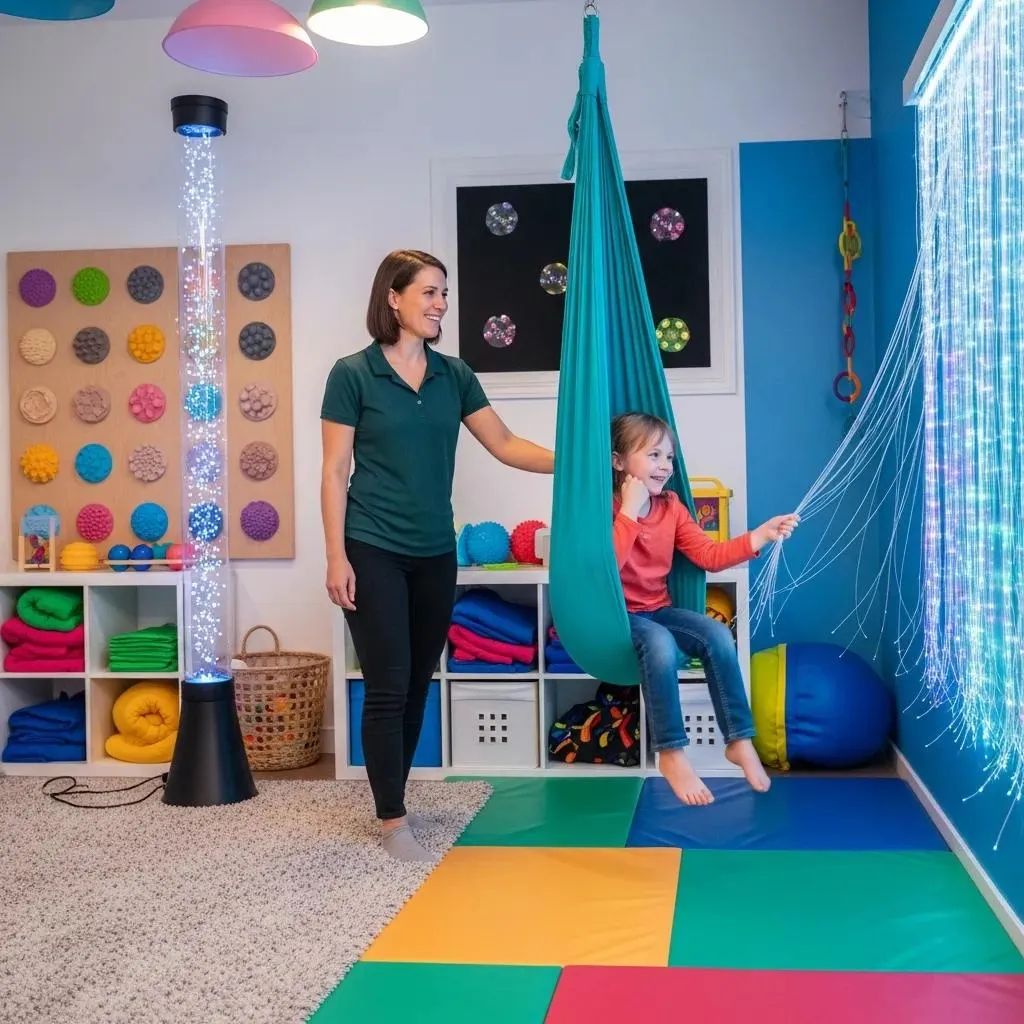

Boys and girls follow the same general speech milestones, but research shows that boys often develop speech and language skills a little later than girls. This difference is usually normal, but sometimes a child needs extra help. The key is knowing whether your son is simply on his own timeline or showing signs that more support—such as exploring speech therapy near me options—could be helpful.
Early speech delay in boys can look different from typical late talking. For example, a child may use fewer than 20–30 words by age 2, have trouble imitating simple sounds during play, or rarely combine words by age 3. These signs don’t always mean something is wrong, but they may be clues that a speech therapist could help.
Many speech therapists today use a child-led, playful approach rather than stressful drills or repetitive practice. This approach helps children stay relaxed, engaged, and excited to communicate. A big bonus for parents is that playful methods—like those used in DIRFloortime—can be used easily at home, supporting not only speech but also attention, confidence, emotional connection, and joyful family routines.
Key Takeaways
- Early signs of speech delay include lack of babbling by 9-15 months and fewer than 50 words spoken by age 2.
- Difficulty following simple verbal requests by age two can indicate potential speech delays that require attention.
- Early intervention services, such as speech therapy, significantly improve communication outcomes and social engagement in children.
- Families should monitor developmental milestones and seek support from speech-language pathologists to receive tailored support and resources.
- Creating a communication-rich environment with frequent verbal engagement enhances speech development and encourages children’s language skills.
Understanding Early Speech Delay in Boys
Understanding early speech delays in boys involves recognizing a range of factors that can contribute to this developmental challenge. Key speech delay signs in boys may include difficulty with oral-motor coordination, such as controlling lip, tongue, and jaw movements vital for sound production. Furthermore, hearing impairment can significantly affect speech development; consequently, parents should monitor for signs of auditory processing disorders.
Neurological and developmental conditions, like autism spectrum disorder, are also prevalent causes of speech delays, warranting careful evaluation. Additionally, early intervention can significantly improve outcomes for children facing speech delays. Research indicates that early identification of speech delays is crucial for effective intervention strategies that enhance communication skills.
Families may wonder, “How can I tell if my son has a speech delay?” Monitoring linguistic milestones and engaging with speech-language professionals can provide essential insights, ultimately facilitating early intervention for affected boys.
Prevalence and Demographics
Speech delays in boys are a significant concern for families and educators alike, with varying prevalence rates noted across different age groups and demographics. Approximately 2.53% of children in pediatric settings experience speech and language delays, with prevalence peaking at around 10.8% for children aged 3-6 years. Boys are more likely to be affected, displaying a rate of 9.1% for voice, speech, or language disorders compared to 5.2% in girls.
Furthermore, the post-pandemic era saw a dramatic rise in diagnoses for children aged 0-2. Environmental factors such as parental interaction and language exposure play a crucial role in the development of speech delays. Limited early vocalization is one of the early signs that families should be aware of, as it can indicate potential speech delays. Additionally, boys are at a greater risk of developing persistent stuttering if speech delays occur, which may require early intervention.
Families seeking assistance may find valuable resources through local options such as speech therapy in Tampa, Brandon, or other providers offering speech therapy near me to support early intervention efforts.
Medical and Biological Risk Factors
Medical and biological risk factors play a vital role in the development of speech delays among children, particularly boys. Understanding these factors can enable families to seek timely interventions.
- Hearing impairment can significantly impede language acquisition, as hearing loss can affect speech development. Additionally, early diagnosis of underlying conditions can lead to more effective intervention strategies for speech delays.
- Perinatal complications, such as low birth weight or birth asphyxia, are associated with delayed speech.
- Neurological disorders, including autism spectrum disorder and cerebral palsy, can impact speech development.
- Genetic syndromes and mutations may also lead to speech delays, even in the absence of family history. Additionally, developmental language disorder has been identified as one of the most common disabilities in childhood that affects communication.
Recognizing these medical and biological influences is essential for early identification and intervention, fostering better speech outcomes for affected children. Families are encouraged to consult healthcare professionals to address and manage these risks effectively.
Familial and Environmental Risk Factors
Numerous familial and environmental factors have been identified as significant contributors to speech delays in children, particularly among boys. These factors include parental education levels, communication patterns, family history, and overall family dynamics. One notable risk factor is the older maternal age at a child’s birth, which has been associated with an increased likelihood of developmental speech delay.
Integrated therapy approaches can also play a crucial role in effectively addressing these delays. Additionally, early intervention is vital for children’s communication development, as it leverages the brain’s neural plasticity to enhance language skills.
| Factor Type | Risk Factors |
|---|---|
| Parental Education | Low education correlates with delays |
| Communication Patterns | Infrequent interaction diminishes skills |
| Family History | Genetic predisposition increases risk |
| Family Structure | Large family size limits attention |
Understanding these influences is essential for families seeking to foster a supportive environment that encourages speech development. By recognizing these risk factors, parents and caregivers can adopt proactive strategies to mitigate potential delays and promote healthy communication skills in their children.
Recognizing Signs and Symptoms

How can parents effectively identify early signs of speech delay in boys? Awareness of specific indicators is vital for timely intervention. Key signs include:
- Lack of babbling by 9 to 15 months.
- Fewer than 50 words spoken by age 2.
- Difficulty following simple verbal requests by age 2.
- Limited or absent use of communicative gestures by 12 months.
Recognizing these symptoms early allows families to seek appropriate support and resources. It is fundamental for parents to remain vigilant and record any concerns regarding their child’s communication milestones, fostering an environment where seeking help is normalized and encouraged. Early intervention can markedly improve language development and overall social engagement in children with speech delays, as research indicates that 79% of children show improved outcomes after therapy.
Initiating early intervention programs promptly can significantly enhance cognitive abilities and social skills, setting a strong foundation for future development.
Long-Term Outcomes and Impact
The long-term outcomes of early speech delay in boys can significantly affect academic performance and social relationships. Persistent language challenges often lead to difficulties in literacy and numeracy, as well as potential issues in peer interactions and relationship-building. Early intervention is essential for mitigating these risks, promoting not only language development but also social engagement throughout childhood and beyond.
Research shows that early identification and intervention can significantly improve a child’s long-term outcomes. Additionally, early intervention services can equip children with the necessary tools to foster practical communication skills, leading to improved relationships and academic success.
Academic Challenges Ahead
Although early speech delays primarily affect communication skills, they often lead to significant academic challenges that can persist throughout a child’s educational path. Research indicates that children with persistent speech delays face multiple hurdles, including:
- Enduring language difficulties impacting literacy and numeracy from early grades.
- Up to a fivefold higher risk of poor reading skills and related adult outcomes.
- Difficulties in processing instructions further diminish academic performance.
- Increased need for supplementary educational support due to heightened challenges.
These academic issues not only hinder current learning but can also have long-term implications, including lower educational attainment and an increased risk of future employment difficulties. Early intervention and ongoing support are crucial for mitigating these risks and promoting positive academic outcomes. This is particularly important because early identification and treatment are vital to avoid negative social and educational impacts.
Social Impact on Relationships
While early speech delays primarily impact communication, their effects extend far beyond language, profoundly influencing social relationships throughout a child’s development. Children with speech difficulties often struggle to initiate and maintain friendships, facing barriers that hinder participation in social activities. These challenges exacerbate feelings of social isolation as frustration over communication leads to withdrawal.
Moreover, repeated communication failures can diminish self-esteem and heighten anxiety, impacting social interactions. The long-term consequences may include behavioral issues, psychological distress, and restrictions in social participation. Negative perceptions from peers and adults contribute to an ongoing cycle of self-doubt, making it crucial for families and caregivers to foster supportive environments that encourage social engagement and confidence-building in children with speech delays.
Early identification and speech-language therapy can significantly improve outcomes by enhancing both language and social skills.
Importance of Early Intervention
Addressing early speech delays is vital for fostering positive long-term outcomes across diverse developmental domains. Early intervention plays a crucial role in enhancing a child’s communication skills, leading to improvements in numerous life aspects:
- Children who receive timely interventions often catch up to their peers with no history of delay.
- Intervention optimizes brain plasticity, particularly in the critical early years, promoting cognitive growth in a language-rich environment.
- Family involvement in therapy enriches home environments and encourages ongoing language development.
- Early support significantly reduces the likelihood of future academic difficulties and promotes better social interactions.
These aspects underscore the importance of early engagement in speech therapy, ensuring that children experience lasting benefits in language acquisition and overall achievement.
Strategies for Families and Accessing Help
Early identification of speech delays is essential for improving communication outcomes in boys, as timely intervention can markedly boost their development. Families should investigate available speech therapy resources, including specialists and community programs, to ensure their child receives the support they need. By collaborating with these resources, families can effectively address their child’s unique communication challenges.
Early Identification Importance
How critical is the timely identification of speech delays in young children? Recognizing these delays early enables families to seek interventions that significantly improve language and communication development. Early identification serves to prevent potential academic, social, and psychological difficulties associated with communication deficits.
- Timely intervention yields better outcomes when identified before age 2.
- Parents often notice early signs by closely monitoring developmental milestones.
- Early assessments help identify underlying causes, such as hearing loss.
- Awareness of delays supports communication with healthcare providers.
Speech Therapy Resources
Recognizing the need for effective speech therapy resources is essential for families traversing the challenges of speech delays in young children. Utilizing appropriate strategies can significantly improve language development and communication skills. Here are key resources and techniques:
| Resource Type | Description |
|---|---|
| Play-Based Therapy | Engages children through toys to promote verbal interaction. |
| Interactive Storytelling | Builds vocabulary via dialogic reading and discussion. |
| Parental Involvement | Involves parents in practice through structured homework. |
| Communication-Rich Environments | Supports speech through constant verbal engagement. |
Families can access speech-language pathologists through early intervention programs, schools, or online platforms, ensuring consistent and tailored support for their children’s individual needs.
Frequently Asked Questions
What Are the Key Early Indicators of Speech Delay in Boys?
Early signs include limited babbling, few words by 16 months, difficulty imitating sounds, and reduced engagement during communication. Parents who notice these signs should seek a speech and occupational therapy evaluation to support early skill development.
How Does Bilingualism Affect Speech Development in Children?
Bilingualism influences speech development in distinct ways. At the same time, vocabulary acquisition may appear slower; in general, language proficiency can match that of monolingual peers, and cognitive advantages in language tasks often emerge, aiding bilingual children’s speech processing and communication skills.
How Does Speech Delay in Boys Impact Daily Routines and Social Development?
Speech delays can affect play, peer interactions, and daily frustration levels, especially in structured environments. Targeted communication therapy helps boys build expressive language and confidence during everyday routines.
Can Dietary Changes Improve Speech Delays in Children?
Dietary changes can significantly improve speech delays in children, specifically by addressing food sensitivities and ensuring adequate nutrient intake. Such interventions may boost brain function and language skills, benefiting general communication development and behavioral outcomes.
What Role Does Play Therapy Have in Addressing Speech Delays?
Play therapy plays an essential role in addressing speech delays by facilitating natural communication, enhancing expressive and receptive language skills, and reducing anxiety, thereby creating an engaging, effective environment for promoting comprehensive language development in children.
Are There Differences in Speech Delay Treatments for Boys and Girls?
Treatment techniques for speech delays generally do not differ markedly between boys and girls. However, boys often require more personalized interventions, while girls may experience quicker progress due to separate developmental dynamics influencing therapy responsiveness.
How Can Occupational Therapy Support Children Experiencing Speech Delays?
Occupational therapy strengthens the foundational skills—such as sensory regulation, attention, and motor planning—that make communication easier. By improving these underlying systems, children often become more engaged, better regulated, and ready to participate in speech therapy actively.
Conclusion
In conclusion, child-led, playful speech therapy often looks like a young boy laughing as he builds a tower, pretends to feed a toy animal, or races cars across the floor—never realizing he’s practicing sounds, taking turns, or learning new words. He feels confident and curious because the activities match his interests and make communication feel natural rather than pressured.
 At home, this same approach might look like snuggling together with a favorite book, making silly sound effects during pretend play, or following your child’s lead during a simple game. These moments help him feel loved, safe, and supported while strengthening the same communication skills he practices in therapy.
If you have questions or want to talk about a specific concern, Skill Point Therapy is here to help. Contact us, we’re always happy to guide families who are exploring the next steps for their child’s speech and development.
References
- https://pmc.ncbi.nlm.nih.gov/articles/PMC6559061/
- https://www.kutestkids.com/blog/statistics-on-speech-delay-in-boys
- https://www.nidcd.nih.gov/health/statistics/quick-statistics-voice-speech-language
- https://e-cacd.org/upload/pdf/cacd-2024-01452.pdf
- https://www.aafp.org/pubs/afp/issues/2011/0515/p1183.html
- https://therapyandwellnessconnection.com/speech-therapy/can-my-child-outgrow-a-speech-delay-the-science-on-waiting-vs-starting-speech-therapy/
- https://www.asha.org/practice-portal/clinical-topics/late-language-emergence/
- https://brieflands.com/journals/jcp/articles/19837
- https://www.cureus.com/articles/369072-prevalence-of-language-delay-in-children-under-five-years-of-age-in-taif-saudi-arabia
- https://www.thinkkids.com/post/4-common-causes-of-a-speech-delay-in-kids