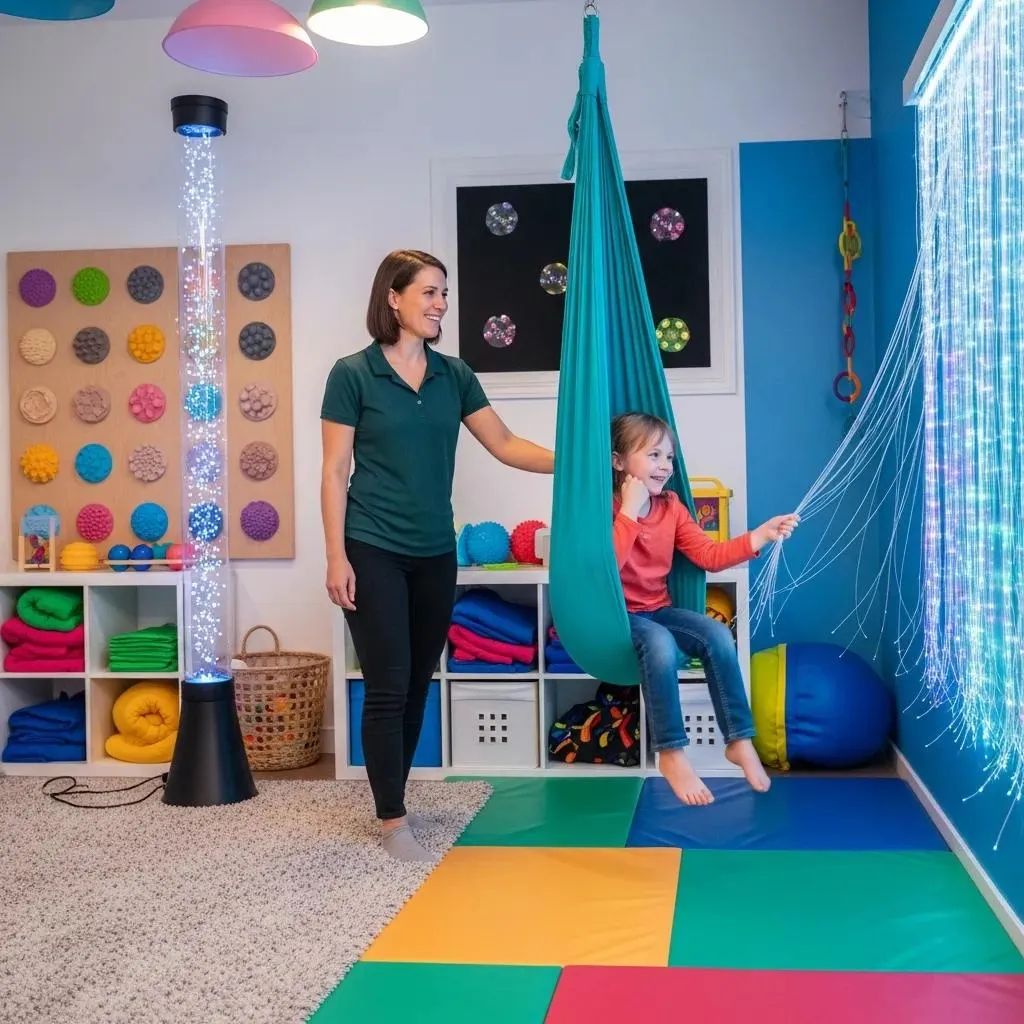

Therapy works best when children feel supported both in and out of the office. Parents, caregivers, and other family members can reinforce the practices taught in sessions. For example, reading a story together at home or practicing turn-taking during a board game can strengthen therapy skills.
Every child is different, and every family is unique. By talking with your therapist, you can discover ideas that fit your child’s needs and your family’s routine. This shared approach makes therapy more flexible and effective.
Research shows that family involvement enhances child therapy by improving progress and building stronger connections. Studies have found that children whose parents participate in treatment experience outcomes that are up to 60% better. In many cases, family involvement enhances child therapy by turning everyday moments at home into opportunities for growth.
Key Takeaways
- DIRFloortime was designed for family involvement, encouraging parents to join child-led play at home, which strengthens emotional bonds and accelerates developmental progress.
- Combined parent-child therapy models, such as CPC-CBT, significantly lower posttraumatic symptoms compared to parent-only interventions.
- Family involvement enhances therapeutic bonds, leading to increased engagement and more prolonged treatment durations for youth in therapy.
- Active parental participation helps reinforce therapeutic techniques and maintain consistency in home environments, thereby enhancing skill retention for children.
- Strong therapeutic alliances formed through family engagement encourage adherence to treatment and support coping strategies.
- Parent-based interventions effectively reduce symptoms of ADHD and anxiety, showcasing the impact of parental involvement in child mental health.
The Impact of Combined Parent-Child Therapy
DIRFloortime is not only a child-led and playful therapy, but it was designed with families in mind. Parents and caregivers can practice the same strategies that children learn in therapy sessions at home. This makes learning natural, consistent, and part of everyday life.
When families take part in DIRFloortime, children often feel more secure and connected. A parent joining in pretend play or following a child’s lead during a simple activity helps build trust and strengthen the parent-child bond. These playful moments at home help children practice the same skills they are learning in therapy.
Research shows that family involvement enhances child therapy by improving progress and supporting long-term growth. Unlike some models that focus mainly on parent training, DIRFloortime encourages parents to be active partners in their child’s development. This approach helps reduce stress for children and families while increasing confidence and connection.
Other therapies, such as Parent-Child Interaction Therapy (PCIT) and Combined Parent-Child Cognitive Behavioral Therapy (CP-CBT), have shown promising results in certain areas. However, DIRFloortime stands out because it was designed to incorporate family involvement from the outset. Parents are not just reinforcing skills—they are becoming co-players in their child’s learning and emotional growth.
For children with sensory challenges or struggles with emotional regulation, this family-centered model is especially beneficial. Practicing DIRFloortime at home enables children to apply strategies in real-life situations, such as navigating transitions or calming down when upset. This consistency builds resilience and supports healthier development over time.
Enhancing Engagement and Retention in Treatment
The involvement of families in child therapy not only strengthens therapeutic bonds but also significantly improves engagement and treatment retention. Research indicates that youth participating in family therapy exhibit lower dropout rates and longer treatment durations. Caregivers’ belief in the treatment’s efficacy significantly enhances treatment completion rates, as their active participation positively influences adherence and attendance.
Diverse formats for family involvement—such as therapy sessions, group meetings, and home visits—further contribute to sustained engagement. By fostering supportive environments, families can reinforce therapeutic goals within daily routines, ensuring consistency in treatment application. Ultimately, family engagement serves as a crucial component in promoting persistence in mental health care for children, reflecting its importance in creating holistic and practical treatment experiences.
Parental involvement enhances the efficacy of therapeutic interventions and has a significant impact on treatment outcomes. Furthermore, incorporating sensory diets into daily family routines can help children with SPD manage sensory challenges more effectively.
The Role of Parents in Reinforcing Therapy Techniques

Recognizing the essential role parents play in reinforcing therapy techniques is vital for fostering meaningful changes in children’s behavior. Parental management training enables caregivers to employ positive reinforcement—such as praise, rewards, and focused attention—effectively promoting desired actions. Consistent application of these techniques not only elevates children’s motivation and skill generalization but also strengthens heartfelt bonds within the family, fostering a nurturing environment.
Furthermore, parents help create structured home settings that instill routine and predictability, enhancing compliance and focus. By recognizing behavioral triggers, they tailor interventions to effectively manage challenging behaviors. Ultimately, empowered parents contribute to sustained progress by nurturing a positive family dynamic that reinforces therapy principles beyond clinical settings, facilitating long-term behavioral improvements.
Additionally, parent-based interventions have been shown to yield better results than youth-only models, emphasizing the importance of family involvement. This collaborative approach between parents and occupational therapists ensures that children receive consistent support and tailored strategies to address their sensory processing needs.
Effectiveness of Parent-Based Interventions for Specific Disorders
Parent-based interventions have shown encouraging effectiveness in the treatment of ADHD and anxiety disorders, resulting in meaningful improvements in symptom management. Research has indicated significant success rates in reducing ADHD-related behaviors and decreasing anxiety symptoms, demonstrating the potential of these interventions to create lasting positive change. Recognizing the impact of parental involvement in these interventions underscores the importance of equipping caregivers with the necessary tools and strategies to promote their children’s psychological and behavioral well-being.
Additionally, a recent meta-analysis highlights the practical impact of these interventions on children with externalizing behavior problems, further affirming their value in clinical settings. Furthermore, these interventions align with the principles of play-based therapy, which emphasize child-led approaches to enhance emotional and social growth.
ADHD Treatment Success Rates
Effective treatment options for ADHD have become increasingly crucial as awareness of the condition grows, particularly in the context of parent-based interventions. Behavioral Parent Training (BPT) programs are recognized as essential primary treatments, focusing on modifying parental behaviors to improve children’s ADHD symptoms. Key techniques include improving communication and reinforcing positive behaviors, which help foster stronger, more positive parent-child relationships.
Although some studies exhibit variability in outcomes, mainly due to methodological limitations, improvements in parenting skills and reductions in parental stress have been noted. Notably, early intervention yields the most significant benefits, underscoring the importance of proactive support for families. Engaging parents actively in these interventions can lead to sustained positive outcomes for children, promoting healthier family dynamics and improved therapeutic success.
Importantly, children with ADHD are at higher risk for low self-esteem, which emphasizes the necessity of effective parent involvement in their treatment. Additionally, understanding sensory dysregulation can further enhance the effectiveness of interventions by addressing underlying sensory processing challenges that may exacerbate ADHD symptoms.
Anxiety Symptom Reduction
As families navigate the complexities of childhood anxiety, research has highlighted the crucial role that parent-focused interventions can play in achieving significant symptom reduction. Programs such as Supportive Parenting for Anxious Childhood Emotions (SPACE) have shown comparable effectiveness to Cognitive Behavioral Therapy (CBT) in decreasing anxiety symptoms, particularly by addressing family accommodation behaviors that sustain anxiety. Furthermore, interventions like “From Timid to a Tiger” demonstrate substantial reductions in anxiety for younger children.
Significantly, these parent-specific programs not only alleviate child symptoms but also reduce parenting stress and promote lasting changes in family dynamics. Ultimately, incorporating parent involvement into treatment fosters a supportive environment that enables sustained improvement in children’s psychological well-being, as evidenced by significant reductions in family accommodation levels. Additionally, engaging in sensory activities can further enhance emotional regulation in children facing anxiety.
Mechanisms Enhancing Outcomes Through Family Involvement

Family involvement in child therapy can significantly enhance outcomes by fostering a strong therapeutic alliance and reinforcing skills at home. When parents actively engage in the therapeutic process, they not only support the child’s learning but also help solidify coping strategies and behavioral goals. This collaboration promotes a more comprehensive treatment approach, aligning therapeutic objectives with family dynamics to ensure sustained progress.
Moreover, active parental involvement has been shown to correlate with higher treatment completion rates, further enhancing the effectiveness of therapy. Additionally, understanding the impact of sensory processing difficulties on a child’s emotional well-being can help families provide more targeted support during therapy sessions.
Therapeutic Alliance Formation
While traversing the complexities of child therapy, the formation of a strong therapeutic alliance is crucial for achieving positive outcomes, specifically through active family involvement. Agreement between parents and adolescents on presenting issues extensively influences adolescents’ perceptions of the therapeutic alliance. Early sessions that clarify these perceptions foster quicker goal alignment, improving engagement. The dynamics of the triadic relationship—between the child, parent, and therapist—further underscore the importance of mutual influence on therapeutic success.
Establishing trust, respect, and open communication boosts families’ ongoing involvement, reducing misunderstandings. Moreover, the commitment of parents as therapeutic allies is crucial, as their support both in and out of sessions increases adherence to treatments and enhances the child’s results. In fact, family involvement enhances client engagement and compliance, leading to a more effective therapeutic process.
Additionally, understanding the role of sensory processing disorders in therapy can further empower families to support their child’s unique needs.
Skill Reinforcement at Home
Effective skill reinforcement at home serves as a crucial mechanism for enhancing therapeutic outcomes, particularly when parents actively engage in their child’s therapeutic process. Consistent practice of learned skills within daily routines not only strengthens retention but also facilitates the transfer of these skills into authentic life situations. Parent training equips caregivers with effective reinforcement techniques, increasing their confidence and ability to support therapeutic goals.
By embedding therapeutic exercises into everyday household activities, families can promote greater independence and the generalization of skills. Collaborative communication between parents and therapists enables continuous monitoring, ensuring timely adjustments to intervention that are effective and tailored to each individual’s needs. This holistic approach fosters a supportive environment that not only reduces skill regression but also enhances the child’s comprehensive adaptability and emotional regulation, ultimately leading to improved therapeutic outcomes.
Additionally, incorporating sensory integration techniques into family routines can further enhance emotional control and self-regulation during everyday activities.
Statistical Evidence Supporting Family Engagement in Therapy
Research demonstrates that involving families in child therapy greatly improves treatment outcomes. A meta-analysis of 48 studies indicates that combined parent-child therapy yields a moderate effect size (d = 0.27), considerably enhancing symptom reduction and child functioning compared to child-only therapy. Families play a vital role in reinforcing therapeutic techniques at home, aiding in daily symptom management, especially for children facing anxiety or depression.
Furthermore, family engagement is correlated with lower dropout rates, greater attendance, and increased treatment completion. Specifically, youths who attend sessions with family members complete treatments approximately two weeks longer on average. These findings highlight the fundamental nature of active family involvement in optimizing child mental health treatment effectiveness and fostering sustained engagement in therapeutic processes.
Long-Term Benefits for Families and Children

The positive impact of family involvement in child therapy extends well beyond the treatment period, yielding significant long-term benefits for both children and their families. Studies reveal that sustained improvements in functioning, psychological stability, and relationship quality are evident long after therapy concludes. Improved parent-child communication fosters psychological support, leading to healthier family dynamics and a decrease in behavioral issues.
Moreover, children thrive in stable family environments, showing better cognitive development and lower risks of substance use. These gains, irrespective of pre-existing family challenges, underscore the importance of continued family engagement as a mechanism for enduring improvement. Ultimately, family involvement not only nurtures personal growth but also fortifies resilient, cohesive family units, promoting holistic well-being.
Frequently Asked Questions
How Can Parents Effectively Participate in Therapy Sessions?
Parents can effectively participate in therapy sessions by actively engaging in discussions, modeling desired behaviors, providing constructive feedback, and collaborating on goals, thereby creating a nurturing environment that serves as a lighthouse guiding their child through turbulent emotional waters.
What Challenges Might Parents Face in Being Involved?
Parents may encounter heartfelt barriers, logistical challenges, and communication issues that hinder involvement in therapy. Feelings of isolation, conflicting schedules, and misconceptions about their role can significantly affect their engagement in their child’s therapeutic process.
Are There Specific Therapy Models Better Suited for Family Involvement?
Models such as Structural Family Therapy and Multisystemic Therapy have been shown to significantly improve family involvement, with up to 75% effectiveness in improving youth behavioral outcomes. These approaches foster collaboration, enabling families to participate in their child’s therapeutic path actively.
How Should Therapists Communicate With Parents During Treatment?
Therapists should communicate regularly, providing updates on progress and encouraging open dialogue. Utilizing digital tools, practicing empathetic listening, and involving parents in goal-setting can enhance collaboration and strengthen the therapeutic relationship, ultimately leading to better outcomes.
How Family Involvement Enhances Child Therapy?
Family involvement enhances child therapy by bridging the gap between what happens in the session and what continues at home. It ensures children practice skills daily, creating consistency and a supportive environment that accelerates their growth.
Conclusion
To summarize, family involvement plays a vital role in helping children make steady progress in therapy. When parents join their child in activities like role-playing emotions at home or practicing simple breathing exercises, the lessons from therapy become an integral part of the rt of everyday life. These small steps help children feel supported and more confident.
Research shows that children with active family participation in therapy are nearly twice as likely to meet their treatment goals. This success comes from consistency—what starts in the therapy room continues at home and in the community. As families reinforce skills across different settings, children gain more substantial social and emotional growth.
Family involvement enhances child therapy by fostering a genuine partnership among parents, children, and therapists. With the proper support, children can apply what they learn in school, in friendships, and at home. If you have questions or would like to discuss a specific concern for your child, please get in touch with Skill Point Therapy today—we are here to help families in Tampa and Brandon thrive.
References
- https://www.leorabh.com/blog/the-impact-of-parent-involvement-on-therapy-outcomes
- https://pubmed.ncbi.nlm.nih.gov/20390807/
- https://www.stepaheadaba.com/blog/why-parent-involvement-in-therapy-sessions-leads-to-greater-success
- https://formative.jmir.org/2023/1/e45305
- https://www.bakercenter.org/bpt-4
- https://pmc.ncbi.nlm.nih.gov/articles/PMC4433419/
- https://encompass.eku.edu/cgi/viewcontent.cgi?article=2118&context=honors_theses
- https://pmc.ncbi.nlm.nih.gov/articles/PMC5519301/
- https://www.cebc4cw.org/program/combined-parent-child-cognitive-behavioral-therapy-cpc-cbt/
- https://pmc.ncbi.nlm.nih.gov/articles/PMC10796477/