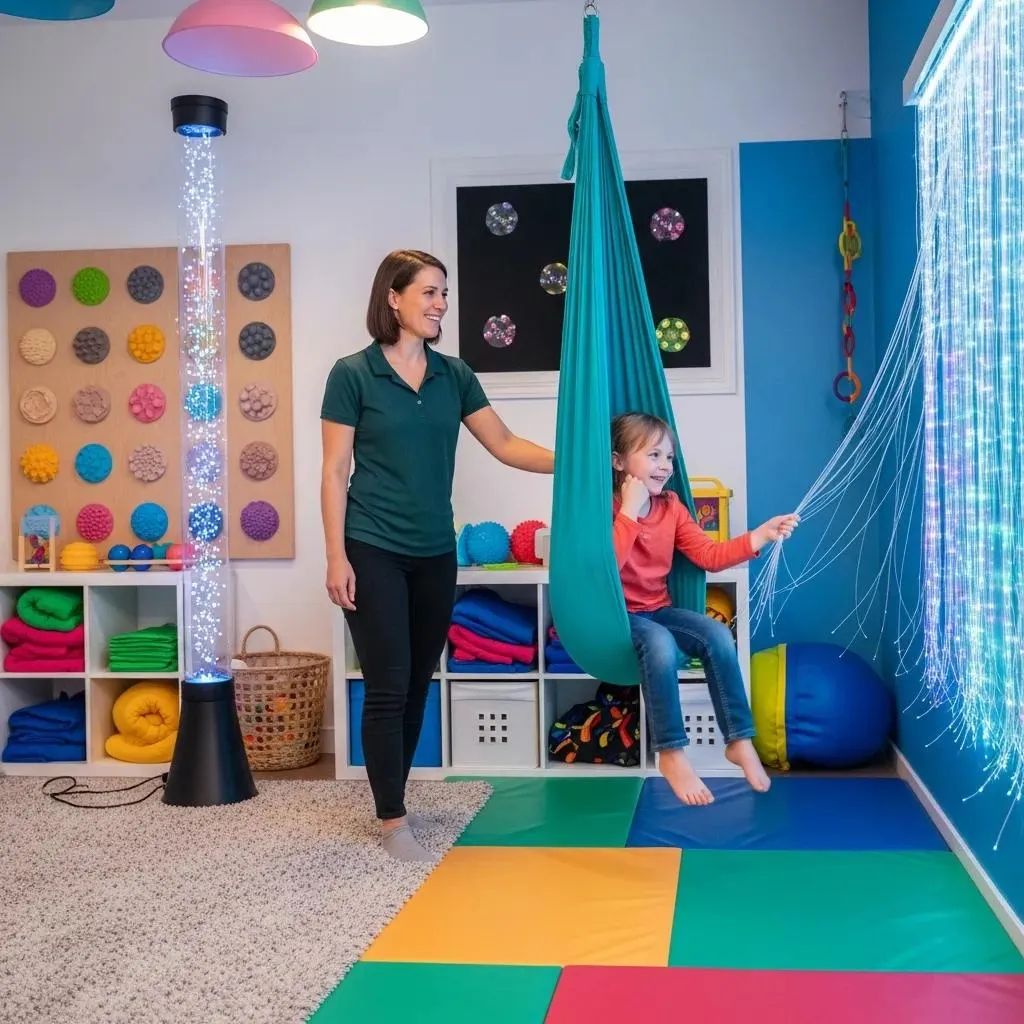

Sensory play helps kids grow and learn by using their senses—touch, smell, sound, sight, and sometimes even taste. It builds brain connections, supports calm behavior, and teaches problem-solving. When you do fun sensory play ideas at home, your child learns while having fun.
Parents who add sensory play at home, especially along with pediatric occupational therapy, often see significant changes. Children feel more understood and supported, and the parent-child bond becomes stronger. It’s a loving way to help your child feel safe and confident.
Some fun sensory play ideas you might not hear about often include making a sound garden in the backyard using wind chimes, pots, and bells, or filling a large box with packing peanuts and hiding small treasures inside for a fun treasure hunt. These activities let your child explore sound, texture, and movement in new ways. Best of all, they create memorable moments you’ll both remember.
Key Takeaways
- Create colorful sensory bins with rice and beans for scooping, pouring, and sorting, enhancing fine motor skills and sensory engagement.
- Make DIY water beads for tactile exploration, offering a smooth texture and enhancing sensory integration and understanding of textures.
- Prepare homemade scented playdough for creative, sensory-rich play, while improving fine motor skills and providing calming effects.
- Set up crinkly sound jars for auditory stimulation, promoting fine motor coordination and emotional regulation through soothing sounds.
- Organize nature walks and texture scavenger hunts, encouraging sensory experiences with natural materials while fostering curiosity and physical activity.
Colorful Sensory Bins With Rice and Beans
Colorful sensory bins filled with rice and beans captivate children’s attention while providing numerous developmental benefits. These engaging sensory experiences for toddlers foster fine motor skills through activities such as scooping, pouring, and sorting. The tactile textures and vibrant colors stimulate sensory integration, while the sounds produced during play offer auditory engagement.
By exploring rice and beans, children improve cognitive abilities, developing vocabulary and problem-solving skills. These bins also serve as calming activities, thanks to their repetitive motions, which align with sensory modulation techniques. The materials used, being taste-safe and cost-effective, make sensory bins accessible to a wide age range, promoting imaginative play.
With simple tools and themed objects, caregivers can easily create a nurturing learning environment that supports both play and development.
DIY Water Beads for Tactile Exploration
Creating DIY water beads offers an engaging avenue for tactile exploration, fascinating children with their unique texture and versatility. These small polymer crystals absorb water, expanding from the size of a peppercorn to that of a marble, providing smooth, squishy sensations. Edible or non-toxic formulations guarantee safety during play.
Additionally, using DIY stress balls made from water beads promotes relaxation and strengthens hand muscles, making them a fun activity for both kids and adults alike. The exploration of these beads aids in sensory integration, enhancing children’s understanding of different textures and their emotional impact.
| Property | Instructions | Benefits |
|---|---|---|
| Absorption Time | Soak for 4-6 hours or overnight | Ideal tactile texture |
| Temperature Play | Freeze or warm beads | Texture consistency exploration |
| Sensory Activities | Plunge hands into beads | Calming sensory input |
| Thematic Bins | Use for role play and storytelling | Encourages imagination and creativity |
With supervision, these versatile beads improve sensory involvement and fine motor skills, benefiting children’s development while promoting safe, enjoyable exploration.
Homemade Scented Playdough Fun

Homemade scented playdough offers a distinctive combination of creativity and sensory engagement, making it an enriching activity for children. By following a simple recipe using common ingredients like flour, salt, and vital oils, one can create batches infused with delightful fragrances. The benefits extend beyond mere enjoyment, as scented playdough improves fine motor skills, concentration, and sensory recognition.
Incorporating deep-pressure activities into play with the scented dough can further enhance self-regulation and emotional stability. Involving children in the creation process of homemade playdough enhances their engagement and makes the experience even more enjoyable.
Scented Playdough Recipe
A delightful sensory experience can be achieved with a simple scented playdough recipe that encourages creativity and exploration. To create this engaging material, one must gather fundamental ingredients: 1 cup of flour, 1/2 cup salt, two teaspoons cream of tartar, 1 cup boiled water, and 1-2 tablespoons of vegetable oil. Scenting agents such as 1-4 drops of fragrant oils (lavender or peppermint) or spice powders (like cinnamon) can improve the play.
The process involves mixing dry ingredients, combining wet ingredients, and kneading the mixture until smooth. Engaging in this type of play supports sensory integration and promotes cognitive development. Personalization is encouraged with colors and scents. Proper storage in airtight containers guarantees longevity, making this sensory tool not only fun but also a supportive resource for development and creativity.
By making your dough at home, you can avoid petroleum additives often found in store-bought options.
Benefits of Scented Playdough
Scented playdough offers a multitude of benefits that extend well beyond mere entertainment. It improves affective connections, facilitates brain development, and supports fine motor skills—all while providing a calming sensory experience. Children engage in imaginative play, improving cognitive function and affective regulation.
Additionally, squishing and rolling the dough not only strengthens hand muscles but also enhances coordination essential for everyday tasks. Furthermore, engaging in such sensory activities can significantly benefit children with Sensory Processing Disorder (SPD), helping them to integrate better and respond to various sensory inputs.
| Benefit Category | Description |
|---|---|
| Affective Connection | Fosters bonding through shared play experiences |
| Cognitive Development | Aids in procemultisensory input |
| Language Skills | Expands vocabulary and communication during play |
| Fine Motor Skills | Builds dexterity crucial for later developmental skills |
| Calming Effects | Provides repetitive sensory activities for emotional stability |
Crinkly Sound Jars for Auditory Stimulation
Although often overlooked, crinkly sound jars play a crucial role in providing auditory stimulation, particularly for young children and those with sensory processing challenges. These jars, filled with materials like crinkly cellophane or foil, produce soothing, repetitive sounds that engage and calm. They improve auditory discrimination and support auditory processing development, encouraging children to focus on subtle sound variations.
Furthermore, manipulating these jars promotes fine and gross motor coordination, making them beneficial for overall motor skills. Serving as practical self-regulation tools, they help reduce anxiety during changes or moments of distress. Incorporating crinkly sound jars into sensory play routines can greatly support emotional regulation, improving developmental outcomes for children in a nurturing environment.
This type of sensory activity can also engage multiple senses in a controlled manner, enhancing the overall sensory experience. Additionally, using these jars can foster self-regulation skills, helping children learn to manage overwhelming sensory episodes.
Sensory Painting With Fingers and Feet

Engaging in sensory painting with fingers and feet opens a world of exploration for young children, stimulating their creative instincts while enhancing sensory integration. This activity activates multiple senses, improving fine motor skills through precise finger movements and promoting gross motor coordination with foot engagement. Children experiment with color mixing, enhancing cognitive skills and expressive feelings as they communicate using vibrant hues.
Furthermore, the tactile experience provides a calming effect, aiding in emotional regulation and offering a platform for nonverbal communication. Additionally, engaging in sensory play supports cognitive development, which is crucial for overall growth. Collaborative painting encourages social interaction, fostering skills in sharing and cooperation.
In general, sensory painting serves as a multifaceted tool for developmental growth, enriching children’s artistic abilities, emotional intelligence, and cognitive understanding, while also supporting fine motor development critical for skills like writing.
Nature Walks and Texture Scavenger Hunts
Nature walks present an excellent opportunity for children to investigate a variety of natural materials, enhancing their sensory experiences. By engaging in texture scavenger hunts, children can observe and describe the unique qualities of items they encounter, fostering curiosity and awareness. This hands-on investigation not only enriches their vocabulary but also cultivates a deeper connection to the environment.
Additionally, these outdoor activities promote physical activity, contributing to overall health and well-being. Furthermore, exposure to natural environments can help regulate sensory input and ease feelings of overwhelm, making these experiences even more beneficial for children with SPD.
Natural Material Exploration
While exploring the great outdoors, children can embark on enriching experiences through nature walks and texture scavenger hunts. These activities encourage the responsible collection of assorted natural items, such as leaves, pinecones, and flowers, enhancing sensory play while promoting environmental respect. Local biomes offer distinct textures and smells, fostering children’s ecological awareness throughout different seasons.
Engaging in texture scavenger hunts stimulates cognitive skills as children categorize and compare varied tactile experiences. These hunts also support physical activity, strengthening gross motor skills and fostering a more profound curiosity about nature. Using containers like baskets for collected materials provides organized access at home, ensuring continued exploration and play while nurturing a connection to the natural world year-round.
Additionally, these activities can be particularly beneficial for children experiencing sensory processing difficulties, as they provide opportunities for safe exploration and gradual exposure to different textures and stimuli.
Sensory Descriptions and Observation
As children commence on sensory nature walks and texture scavenger hunts, they uncover a rich tapestry of experiences that improve their understanding of the environment. Observing colors, shapes, and sounds enhances their sensory awareness and vocabulary, while tactile explorations deepen their connection to nature.
| Sensory Experience | Activity | Benefit |
|---|---|---|
| Visual | Identifying colors and shapes | Develops visual perception |
| Auditory | Sound hunts | Improves auditory discrimination |
| Tactile | Texture comparisons | Fosters sensory integration |
| Movement | Climbing/log balancing | Stimulates vestibular sense |
| Olfactory | Scent exploration | Expands descriptive vocabulary |
Engaging in these activities cultivates cognitive connections, nurtures fine motor skills, and fosters independence, ultimately improving children’s experiences of the natural world.
Edible Sensory Activities With Flavors

Engaging children in edible sensory activities with flavors can spark their curiosity and improve their investigation of taste and texture. Using everyday pantry items like colored bread crumbs and Rice Krispies introduces visually appealing and crunchy experiences, designed to delight both the touch and hearing senses. Edible play doughs, such as peanut butter or marshmallow varieties, provide a distinctive blend of sensory and culinary exploration.
Additionally, themed small-world creations made from cereals or lentils encourage imaginative play while developing fine motor skills. Supervision remains essential to guarantee safety and proper development. By incorporating these multisensory learning methods, children can safely investigate the delightful world of flavors while enhancing their creativity and motor skills.
Visual Stimulation With Light and Shadow Play
How can light and shadow play serve as an enchanting avenue for visual stimulation in children? This interactive activity not only captivates young minds but also supports their development in multiple areas.
- Enhances Motor Skills: Children develop fine and gross motor skills through shadow manipulation.
- Stimulates Creativity: Engaging in dramatic shadow storytelling nurtures imagination.
- Promotes Body Awareness: Shadow movement games help children recognize their body in space.
- Encourages Scientific Understanding: Kids learn about the behavior of light and the characteristics of shadows through exploration.
Build Your Sensory Garden

Creating a sensory garden offers an inviting way for children to investigate the world through their senses, building on the visual delights experienced through light and shadow play. This garden can be tailored to fit any space, from small courtyards to larger areas, by designing unique zones for each multisensory experience. Choosing plants with diverse textures, such as velvety lamb’s ear and soft magnolia leaves, amplifies tactile exploration safely.
Incorporating sound elements, like wind chimes or rustling plants, enriches auditory engagement. Scented herbs like basil and lemon balm add olfactory layers, while edible plants foster taste experiences. Ultimately, a sensory garden nurtures curiosity, connection, and joy for children and caregivers alike.
Tactile Obstacle Course for Movement and Balance
A tactile obstacle course stands as a dynamic environment for children to improve their movement and balance skills while exploring different textures and challenges. Integrating assorted components fosters sensory development through varying inputs, enhancing overall coordination and confidence. Consider these key elements when designing a tactile obstacle course:
- Diverse Textures: Use materials like bubble wrap, foam, or sand to stimulate multisensory components. Incorporate tunnels, ladders, and balance beams for combined vestibular and proprioceptive input.
- Progressive Difficulty: Gradually increase the complexity to match children’s developmental stages.
- Discrimination Challenges: Include activities that encourage identification of textures or objects through touch.
These features not only promote motor skills but also support affective regulation and social interactions among children.
Frequently Asked Questions
How Can I Ensure Sensory Play Is Safe for My Child?
To guarantee sensory play is safe for children, constant supervision is crucial. Conduct risk assessments, choose non-toxic materials, establish safety rules, and maintain a clean environment to minimize hazards and improve positive experiences.
What Age Is Appropriate for Starting Sensory Play Activities?
Ironically, the youngest infants begin sensory play at six months, yet even newborns benefit from gentle visual and auditory stimuli. Each age milestone fosters essential development, paving the way for exploration and future learning.
How Can I Adapt Sensory Play for Children With Special Needs?
To adapt sensory play for children with special needs, incorporate diverse textures, tailor activities to developmental levels, and utilize calming materials to foster engagement. Creating inclusive experiences promotes skill improvement, communication, and sensory processing for holistic growth.
What are some easy ways to come up with fun sensory play ideas?
Start by looking around your kitchen, craft bin, or recycling pile—many great sensory activities begin with simple items like rice, sponges, or cardboard. Mix textures, colors, and sounds to keep your child engaged and curious without needing expensive toys.
What Should I Do if My Child Is Overwhelmed During Sensory Play?
When a child becomes overwhelmed during sensory play, irony lies in the chaos; calmly intervening with strategies like weighted blankets or quiet spaces restores harmony, fostering affective regulation and ultimately nurturing resilience in the child’s exploration expedition.
How Often Should I Introduce New Sensory Play Materials?
Introducing new sensory play materials regularly, ideally every week or two, can improve child engagement and exploration. Observing children’s interests guarantees materials are appealing, fostering curiosity while supporting their developmental growth and social interaction.
Conclusion
Every child is unique, and the best learning happens when they feel safe and excited to explore. That’s why letting your child’s natural interests lead the way—just like in DIRFloortime—can make sensory play even more meaningful. When kids feel seen and heard, they’re more open to trying new things and growing their skills.
The fun sensory play ideas in this blog are just a starting point. As you try different activities together, watch what makes your child light up or calm down. Following their lead helps you build trust while gently supporting their sensory needs.
If you’re looking for even more fun sensory play ideas or want help choosing the best ones for your child, talk to a pediatric occupational therapist. They can give you personalized tips and help you match activities to your child’s sensory profile. Sensory play isn’t just play—it’s a way to grow closer while helping your child thrive.
References
- https://www.frontiersin.org/journals/education/articles/10.3389/feduc.2024.1182660/full
- https://kids.uconn.edu/2022/10/21/the-importance-of-sensory-play-in-childhood/
- https://www.communityplaythings.com/resources/articles/sensory-play
- https://mybrightwheel.com/blog/sensory-development
- https://pmc.ncbi.nlm.nih.gov/articles/PMC6452625/
- https://busytoddler.com/rice-sensory-bin/
- https://messyplaykits.com/blogs/resources/sensory-bin-materials
- https://www.funsensoryplay.com/what-are-sensory-bins-good-for/
- https://www.bostonabilitycenter.com/post/sensory-bin-ideas-for-toddlers
- https://happytoddlerclub.com/scoop-pour-transfer-beans-easy-sensory-bin/