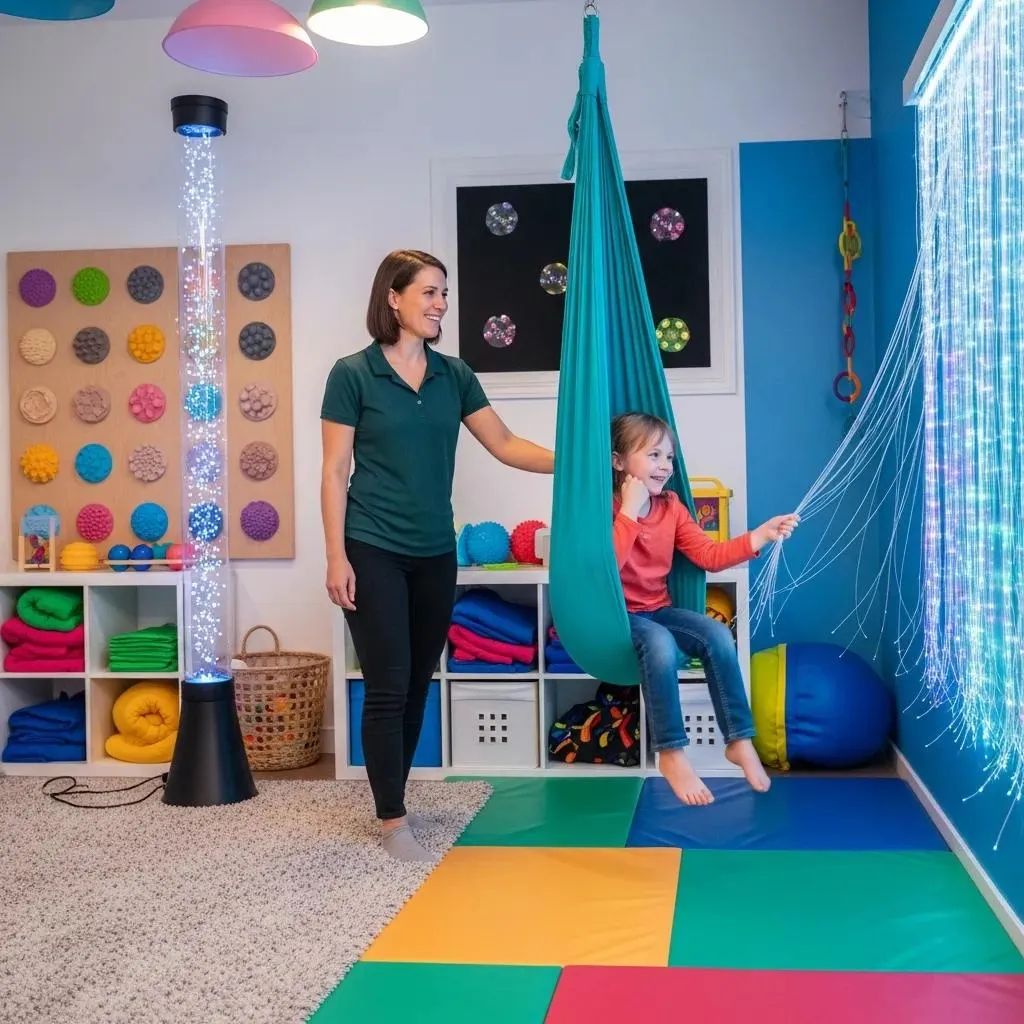

Handwriting struggles in school can be frustrating for both children and parents. When writing feels hard, it can affect a child’s confidence and make schoolwork more stressful. Many children in elementary school face these challenges, and the good news is that, with proper support, they can make significant progress.
Sometimes, handwriting struggles in school are caused by issues that occupational therapy can help correct. Four common reasons include weak hand or finger muscles, poor posture, trouble with visual tracking, and difficulty coordinating both hands together. Studies show that nearly 25% of school-aged children experience some form of handwriting difficulty that can be improved with guided practice and therapy.
While there are helpful exercises parents can do at home, it’s often best to work with a pediatric occupational therapist. A licensed OT can identify what’s really causing the problem and create fun, personalized activities to build strength, coordination, and confidence. With early support, children can develop better handwriting and enjoy learning again.
Key Takeaways
- Observe for signs such as inconsistent handwriting quality, hand fatigue, or emotional distress, which may indicate a possible need for occupational therapy.
- Seek occupational therapy if your child shows avoidance behaviors or discomfort during writing tasks that impact their learning experience.
- Monitor handwriting proficiency milestones; early intervention is crucial for improving skills and preventing ongoing deficits.
- Explore local resources such as pediatric occupational therapists or clinics specializing in handwriting assessments in the Tampa Bay Area.
- Encourage practices at home that promote fine motor skills and create a positive writing environment to support your child’s development.
Understanding the Prevalence of Handwriting Difficulties
Handwriting difficulties are a prevalent issue among elementary school children, affecting a significant subset of the population. Prevalence studies indicate that approximately 10% to 34% of children experience handwriting challenges, with variations in prevalence rates based on demographics and assessment methods. For instance, a study in India reported a 34% rate of non-proficient handwriting, highlighting concerns about speed, letter reversal, and spacing.
Gender disparities also emerge, with boys comprising about two-thirds of those with significant difficulties. Notably, handwriting assessments reveal that nearly 30% of typically developing children exhibit handwriting issues, which can impact their academic performance and self-esteem. These findings underscore the need for thorough evaluation approaches to identify individuals at risk and implement targeted interventions tailored to their personal needs.
Furthermore, handwriting difficulties were shown to be more prevalent in boys compared to girls, emphasizing the need for gender-specific approaches in assessments and interventions. Early identification of Sensory Processing Disorders can be crucial for addressing underlying issues that may contribute to handwriting challenges.
Identifying Common Causes of Handwriting Struggles
Numerous factors contribute to the struggles children face with handwriting in elementary school. Deficits in fine motor development can hinder pencil control, resulting in challenges with letter formation and handwriting speed. Moreover, issues with finger dexterity and pencil grip may cause fatigue, further impairing writing proficiency.
Visual perception problems complicate the ability to recognize and copy letters accurately, affecting spatial organization and contributing to frequent errors. Additionally, inadequate postural stability can compromise arm and hand control, thereby affecting endurance during writing tasks. Decreased handwriting instruction time may also limit the development of eDysgraphiariting skills among students.
Developmental dysgraphias, such as dysgraphia and attention-related challenges, may exacerbate these issues. Furthermore, many children with handwriting difficulties may also experience sensory processing challenges, which can impact their ability to focus and engage in writing tasks. Identification of these underlying causes is essential for providing appropriate support and interventions, enabling children to improve both their handwriting skills and overall academic performance.
The Impact of Handwriting on Academic Performance

Struggles with handwriting can have profound implications for a child’s academic path. Research indicates a significant academic correlation between handwriting quality and overall academic performance, particularly in reading and writing subjects. Higher handwriting scores are typically associated with superior academic grades.
Students identified as high performers tend to demonstrate better handwriting compared to their average- or low-performing peers. Effective handwriting enables students to focus on content rather than letter formation, enhancing academic output.
Furthermore, handwriting assessment reveals that proficiency in writing can improve cognitive engagement and retention, facilitating more profound learning experiences. In general, investing in handwriting skills is vital, as it fosters not only improved written communication but also supports broader academic achievement in different subjects. Handwriting difficulties are the most common reason for referrals to school-based occupational therapy, indicating a crucial need for early intervention to address these challenges effectively.
Additionally, children facing handwriting challenges may also experience sensory processing difficulties, which can impede their ability to develop fine motor skills essential for writing.
Recognizing Emotional Effects of Poor Handwriting
Although often overlooked, the affective effects of poor handwriting can significantly impact a child’s self-esteem and general academic experience. Below are some heartfelt outcomes associated with handwriting difficulties:
- Social Withdrawal: Children may isolate themselves due to embarrassment surrounding their handwriting, which can harm social integration. Understanding their individual sensory needs can help provide the necessary support to manage these feelings.
- Increased Anxiety: Anxiety can arise during writing tasks, creating stress that diminishes heartfelt resilience and motivation to engage in academic activities. Poor handwriting can further exacerbate this anxiety, leading to a cycle of avoidance.
- Negative Self-Perceptions: Misinterpretations by peers and educators can lead children to feel inadequate, fostering a belief that they are lazy or careless.
Such heartfelt consequences hinder a child’s overall welfare and academic performance, highlighting the importance of addressing handwriting difficulties with compassion and targeted support.
Signs Your Child May Benefit From Occupational Therapy

Signs that a child may benefit from occupational therapy for handwriting struggles include inconsistent handwriting quality, manifesting as irregular letter formation and spacing. Furthermore, signs of hand fatigue, such as discomfort or weakness during writing tasks, can indicate the need for intervention. Sentimental distress related to writing activities may further reflect underlying difficulties that warrant professional assessment and support.
Occupational therapy can provide targeted interventions to enhance fine motor skills and improve handwriting legibility. Early identification of sensory processing challenges can also play a crucial role in determining the need for therapy.
Inconsistent Handwriting Quality
Inconsistent handwriting quality can be a significant indicator that a child may benefit from occupational therapy. Variability in letter formation often signals underlying issues affecting visual-motor skills and fine motor development. To better understand these inconsistencies, consider the following signs:
- Variable Letter Sizes: Children may struggle with maintaining uniformity in letter size, which can impact their overall handwriting styles. Engaging in sensory exercises can help improve fine motor skills and enhance the muscle control necessary for consistent handwriting.
- Irregular Spacing: Inconsistent spacing between words and letters can interrupt the flow of writing.
- Awkward Pencil Grip: A tight or improper grip can lead to difficulty in controlling pen pressure and maintaining a consistent letter shape. Additionally, poor handwriting habits can develop when children attempt to compensate for these challenges without proper guidance and support.
Addressing these concerns through occupational therapy can improve letter consistency, refine writing precision, and elevate a child’s confidence.
Signs of Hand Fatigue
Variability in handwriting quality can stem from diverse underlying issues, including hand fatigue, which significantly impacts a child’s ability to produce legible and consistent writing. Signs of hand fatigue may include complaints of pain or cramping, quick exhaustion during writing tasks, and difficulties maintaining an effective pencil grip. Children might exhibit avoidance behaviors, demonstrating reluctance to engage in writing activities due to discomfort.
An inefficient or overly tight pencil grip can exacerbate fatigue, necessitating frequent breaks and highlighting the need for appropriate intervention. Observing behavioral changes, such as frustration or a noticeable decline in writing speed, warrants consideration for occupational therapy support. Addressing hand fatigue is essential to enhancing writing endurance and academic performance, as difficulties with dysgraphia indicate a Potential Issue.
Incorporating sensory breaks can significantly help children manage their energy levels during writing tasks.
Emotional Distress With Writing
Sentimental distress associated with writing tasks can profoundly impact a child’s overall academic experience and self-esteem. Indicators of psychological distress may include:
- Decreased Confidence: Reluctance to participate in writing activities due to diminished self-worth.
- Increased Anxiety: Heightened stress and avoidance behaviors stem from writing anxiety. Children experiencing sensory processing difficulties may find writing tasks even more challenging due to their heightened sensitivities.
- Frustration and Psychological Outbursts: Challenges with writing may lead to difficulties with emotional regulation, which can result in disruptive behaviors.
These signs signify that a child may benefit from occupational therapy. Tailored interventions, such as coping skills development, sensory integration techniques, and the use of adaptive tools, can support children in overcoming writing-related psychological distress. Addressing these challenges effectively improves a child’s confidence and overall academic performance, as occupational therapy focuses on foundational skills for effective writing.
Handwriting Proficiency Milestones: What to Expect by Grade
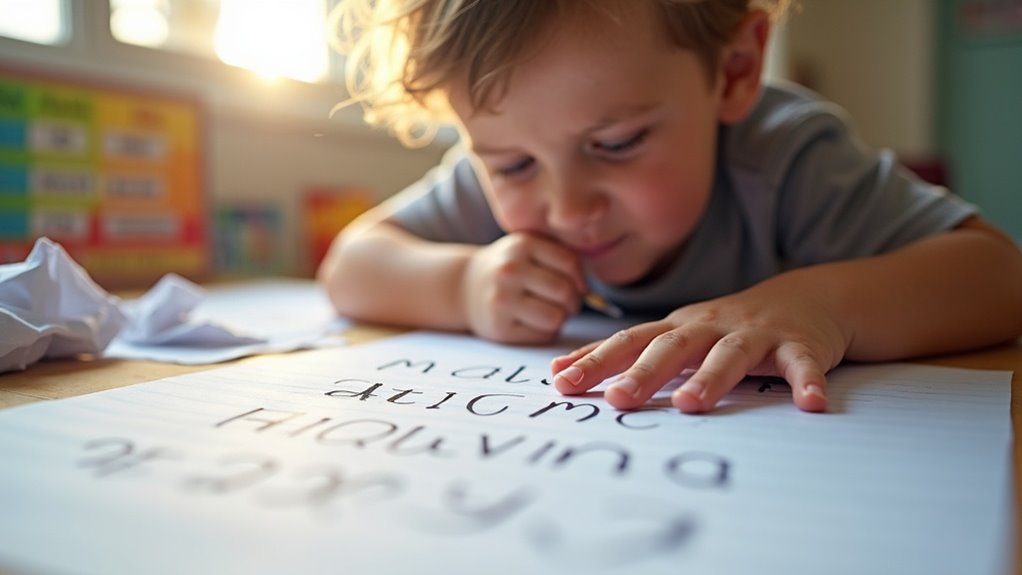
Handwriting proficiency develops through distinctive milestones across elementary school grades, outlining the progression of skills that students typically acquire. Recognizing these developmental benchmarks is crucial for educators and parents aiming to support effective learning.
| Grade Level | Milestones |
|---|---|
| Kindergarten | Mastery of pencil grip, basic letter formation, and minimal reversals. |
| 1st – 2nd | Writing simple sentences, improved writing speed, and legible letter formation. |
| 3rd – 5th | Introduction of diverse handwriting styles, multi-word sentences, and complex paragraphs. |
| 4th Grade+ | Increase in writing complexity, varied vocabulary, and integration with digital tools. |
| Beyond | Assessment of writing fluency and clarity through standardized tools. |
Understanding these milestones facilitates early identification of handwriting struggles and promotes timely support. Engaging in sensory play activities can significantly enhance fine motor skills, which are essential for proficient handwriting.
The Importance of Early Intervention and Identification
Although early identification of handwriting difficulties may seem trivial, it plays a crucial role in shaping a child’s long-term academic path. Recognizing handwriting struggles promptly can facilitate effective intervention strategies, ultimately reducing future challenges.
- Improved Legibility: Early OT interventions can significantly improve handwriting clarity, leading to better academic performance.
- Increased Confidence: Children benefit from tailored support that fosters self-esteem in their writing abilities.
- Long-term Success: Addressing handwriting issues early can prevent ongoing deficits and minimize the need for special education services.
Current Challenges in Handwriting Instruction

As educators strive to improve student learning outcomes, current challenges in handwriting instruction have become increasingly apparent. Approximately 30-34% of school-aged children struggle with handwriting, which can hinder their academic performance and self-esteem. Factors such as fine motor skill deficits and perceptual-motor integration issues contribute considerably to these difficulties.
Moreover, the reliance on handwriting technology has diminished traditional handwriting practice, resulting in further complications such as reduced grammar and spelling skills. Assessment of handwriting performance is inconsistent, complicating the implementation of effective instructional methods. Structured programs, such as Zaner-Bloser, show promise; however, varied and engaging techniques are necessary to maintain student motivation.
Consequently, all-encompassing support is crucial to address handwriting challenges and guarantee meaningful progress for all students.
Navigating OT Services in the Tampa Bay Area
In the Tampa Bay Area, accessing occupational therapy (OT) services is vital for addressing handwriting challenges in children. Families can access a range of qualified practitioners who specialize in developmental needs, ensuring tailored interventions. Understanding local resources and verifying practitioner credentials are crucial steps in selecting the most suitable support.
Understanding OT Services
Steering families through occupational therapy (OT) services in the Tampa Bay area can be essential for improving their children’s developmental skills and daily functioning. Occupational therapy provides tailored treatment methods to address different needs, including:
- Personalized Assessments: Individualized evaluations to identify specific challenges.
- Hands-On Therapy: Engaging, active interventions designed to improve skill development.
- Goal-Oriented Plans: Collaborative setting of achievable objectives for independent task performance.
OT services can treat a range of conditions, including orthopedic and neurological disorders, through evidence-based practices that focus on improving functionality and reducing pain. Whether delivered in clinical settings or through home-based adaptations, occupational therapy aims to foster long-term health, independence, and elevated quality of life for children in need.
Finding Local Practitioners
Finding the right occupational therapy near you can make a significant difference for families seeking to support their child with handwriting or fine motor challenges. In the Tampa Bay area, numerous caring professionals specialize in helping children develop these essential skills. Families can explore local options, such as private practices or multidisciplinary clinics, that offer personalized assessments and engaging, goal-oriented therapy programs.
Skilled therapists often utilize proven programs, such as Handwriting Without Tears, and create plans tailored to each child’s needs and learning style. When searching for writing help near me, parents should inquire about the therapist’s credentials and the types of sessions available—whether in-person, at home, or online. Getting started early can lead to significant improvements in handwriting, confidence, and classroom success.
Tips for Supporting Handwriting Development at Home

- Manipulate materials: Use playdough, stickers, or craft supplies to build fine motor skills and creativity through hands-on activities.
- Incorporate handwriting games: Practice writing challenging messages in code on large paper, inviting movement and enthusiasm for letter formation.
- Utilize varied writing tools: Switch between markers, colored pencils, and gels to maintain interest and promote correct pencil grasp.
These supportive strategies provide a foundation for developing handwriting skills, ensuring that children find joy in their learning experiences.
Frequently Asked Questions
What Causes Handwriting Struggles in School?
Handwriting difficulties often stem from weak fine motor control, sensory processing issues, or poor posture and pencil grasp. Early occupational therapy intervention can help identify the root cause and create a personalized plan to improve skills and confidence.
How Can I Determine if My Child Needs a Professional Evaluation?
To determine if a child needs a professional evaluation, parents should look for critical signs, such as legibility issues, slow writing speed, and inconsistencies. A handwriting assessment may be warranted based on these indicators.
How Long Does It Take to See Improvement in Handwriting Through Occupational Therapy?
Every child progresses at their own pace, but most families begin to notice improvements in handwriting within 8 to 12 weeks of consistent occupational therapy. Regular practice at home, combined with personalized OT sessions, helps reinforce new skills and build steady, lasting progress.
Are There Specific Occupational Therapy Clinics in the Tampa Bay Area?
Several occupational therapy clinics in the Tampa Bay area provide handwriting support services, including Independent Living Inc., Therapy Station, and HealthPRO Heritage. These facilities prioritize personalized care to improve children’s fine motor skills and general development.
What Strategies Can Occupational Therapists Use to Support Struggling Writers?
Occupational therapists employ targeted, hands-on strategies, including multisensory writing exercises, fine motor strengthening, and adaptive tools such as pencil grips or slant boards. These approaches help children improve their motor control, attention, and overall handwriting proficiency in a fun and confidence-building way.
How Does Technology Impact Children’s Handwriting Development?
Technology impacts children’s handwriting development by enhancing motivation through the use of handwriting apps and digital tools. However, excessive screen time may hinder traditional penmanship skills, potentially leading to imbalances in typing skills and fine motor development.
Conclusion
When handwriting challenges aren’t addressed early, they can continue to affect a child’s confidence and performance in the classroom. Over time, what starts as simple frustration with writing can grow into broader academic struggles and self-doubt. Early attention helps prevent these issues from becoming long-term barriers to learning and self-expression.
At Skill Point Therapy, we believe every child has the potential to succeed with the right tools and encouragement. Our team in Tampa and Brandon uses DIRFloortime-based strategies to make therapy engaging and effective. If you’d like more information or want to discuss what you’re noticing at home, contact Skill Point Therapy today to learn how we can help your child build lasting success.
References
- https://pmc.ncbi.nlm.nih.gov/articles/PMC8479145/
- https://atinternetmodules.org/storage/ocali-ims-sites/ocali-ims-atim/documents/Handwriting_difficulties_inprimary_school_underlying_mechanisms.pdf
- https://www.tandfonline.com/doi/full/10.1080/19411243.2024.2315582
- https://pmc.ncbi.nlm.nih.gov/articles/PMC10378357/
- https://realotsolutions.com/blogs/news/handwriting-performance-in-elementary-school-children-teacher-and-therapist-viewpoint-by-melam-ganeswara-rao-adel-a-alhusaini-and-buragadda-syamala
- https://www.readandspell.com/dysgraphia-symptoms-in-children
- https://realotsolutions.com/blogs/news/prevalence-and-pattern-of-handwriting-difficulties-among-school-going-children-by-kiran-sharma-and-kaaynat-khan
- https://pmc.ncbi.nlm.nih.gov/articles/PMC12052790/
- https://research.vu.nl/files/219199751/difficulties with handwriting in primary school children – 6406e7b9a166a.pdf
- https://www.nature.com/articles/s41598-025-03634-z